Does Goodwill Take Tools Find Out Before You Donate
So you’re asking does Goodwill take tools? The short answer is yes, Goodwill generally accepts tool donations, but there are specific guidelines you need to know before dropping off your used tools and workshop equipment. This guide covers everything about Goodwill donations, from what types of tools are accepted to how your charitable donations can benefit your local community.
Key Takeaways
- Goodwill accepts most tools: Both hand tools and many power tools are welcome at most Goodwill locations, provided they are in working condition.
- Condition matters: Broken, rusty, or heavily damaged tools may be rejected, so clean and test your items before donating.
- Policies vary by location: Each local Goodwill store sets its own donation guidelines, so always call ahead before bringing tools in.
- Your donations support job training: Proceeds from reselling donated tools fund community surplus programs and employment services.
- Alternatives exist if Goodwill won’t take them: Habitat for Humanity ReStores, local tool libraries, and repair programs are great backups.
- Some tools are restricted: Certain hazardous or oversized equipment may not be accepted at standard Goodwill donation drop-off points.
- Preparation helps everyone: Organizing, cleaning, and labeling your tool donation makes the process smoother for you and Goodwill staff.
[FEATURED_IMAGE_PLACEHOLDER]
Does Goodwill Take Tools? Here’s What You Need to Know
If you’ve been cleaning out your garage or upgrading your home improvement tools, you might be wondering whether Goodwill will take your old equipment. The good news is that Goodwill is one of the most welcoming places for donate tools of all kinds. But like any nonprofit organization, they have rules.
Let’s break down exactly what you need to know before dragging that box of used tools down to your local Goodwill. Whether you’re a DIYer with a full workshop or just clearing out a few old hand tools, this guide has you covered.
What Types of Tools Does Goodwill Accept?
Goodwill is pretty flexible when it comes to tool donations. Here’s a quick rundown of what they typically welcome:
- Hand tools: Hammers, screwdrivers, wrenches, pliers, and similar items are almost always accepted.
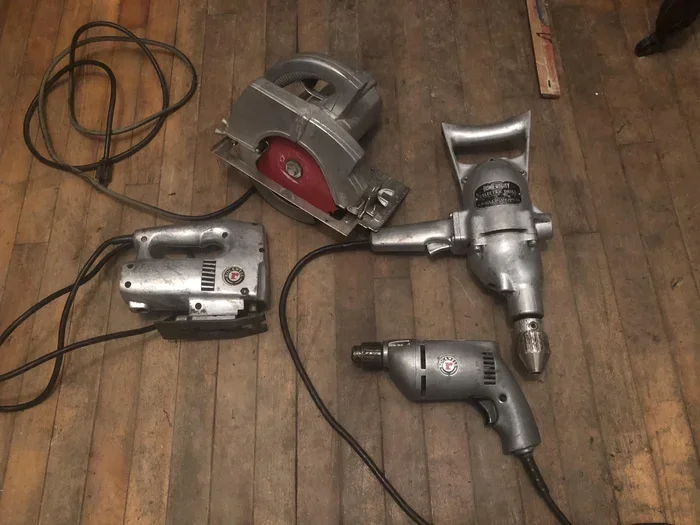
- Power tools: Drills, saws, sanders, and grinders are commonly accepted if they work.
- Home improvement tools: Levels, tape measures, utility knives, and caulking guns.
- Workshop equipment: Vises, clamps, and small benchtop tools.
- Garden and outdoor tools: Shovels, rakes, pruners, and lawn equipment (in some locations).
Most local Goodwill stores treat these items like any other resale items. They clean them up, price them fairly, and sell them to someone who needs them. Your charitable donations literally give these tools a second life.
What Tools Does Goodwill Reject?
Not every tool makes the cut. Goodwill will likely turn away items that fall into these categories:
- Broken or non-functional tools: If it doesn’t work, they probably can’t sell it.
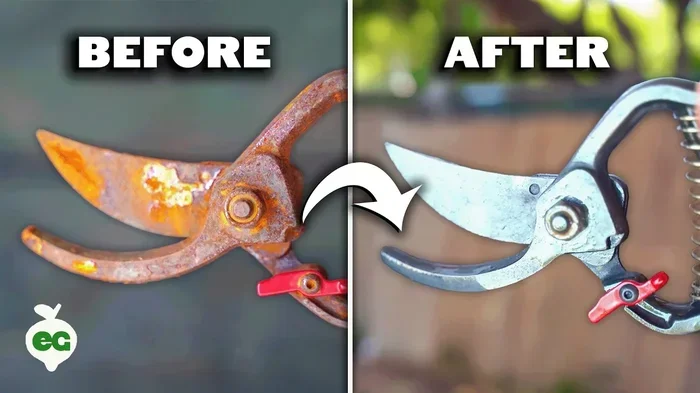
- Heavily rusted equipment: A little surface rust is okay, but deep corrosion is a problem.
- Hazardous materials: Tools with leaking fluids, asbestos parts, or unsafe components.
- Oversized machinery: Large industrial equipment that won’t fit in a standard store.
- Recalled items: Tools subject to safety recalls are not accepted.
Here’s something important to remember. Your local Goodwill sets its own rules. What one store accepts, another might not. Always call ahead or check their website before making the trip. This simple step saves everyone time and frustration.
How Goodwill Uses Your Tool Donations
When you drop off Goodwill tools at your local store, those items don’t just sit in a back room forever. Here’s what actually happens behind the scenes:
From Donation to Resale
Once your tools are dropped off, Goodwill staff inspects them. Working tools get cleaned, priced, and placed on the sales floor. This whole process is part of their community surplus model. They take items people no longer need and make them available to people who need them but can’t afford brand-new prices.
This model has been the backbone of Goodwill’s mission since the early 1900s. It’s not charity — it’s a cycle of giving and reuse that keeps going round and round.
Funding Job Training and Employment Services
Here’s the part most people don’t realize. The money earned from selling your used tools and other donation drop-off items goes directly toward funding:
- Job training programs for unemployed individuals
- Career counseling and resume workshops
- Placement services for people with disabilities
- Digital literacy and skills development courses
So when you donate tools to Goodwill, you’re not just clearing space in your garage. You’re helping someone build a career. That’s a pretty powerful return on a few old screwdrivers and a drill.
Some locations even partner with building maintenance tools programs, providing equipment directly to trainees learning trades like plumbing, electrical work, and carpentry. Your donation could end up in the hands of someone learning a brand-new skill.
Before You Donate: Preparing Your Tools the Right Way
Want to make sure your tools actually get accepted? Preparation is everything. Goodwill volunteers are busy, and they can’t spend twenty minutes testing every single item. Make it easy on them — and on yourself.
Clean Your Tools
Give your tools a good wipe-down. Remove dirt, grease, and debris. You don’t need to make them showroom perfect, but they should look reasonably presentable. A clean tool donation is far more likely to sell quickly.
Test Everything That Runs
Plug in those power tools. Check that your battery-operated equipment actually turns on. Replace dead batteries if needed. If a tool doesn’t work, it’s probably going to get rejected on the spot. For items you’re unsure about, consider a quick tool recycling drop-off at a local repair shop first.
Organize and Bag Separately
Don’t just toss everything into one giant box. Group similar items together:
- Hand tools in one bag or bin
- Power tools in another
- Small accessories and bits in a third container
This makes sorting easier for Goodwill staff and increases the chances that everything gets accepted. Think of it like organizing a process workflow — smooth, efficient, and everyone wins.
Include Instructions If Possible
For power tools or specialized workshop equipment, include the original manual if you still have it. This small gesture helps Goodwill staff understand what the tool does and makes it more appealing to buyers.
Goodwill Tool Donation Policies: What to Expect
Every local Goodwill operates independently. That means donation policies can vary quite a bit from one location to another. Here are some general patterns you’ll notice across most stores.
Operating Hours for Donations
Most Goodwill stores accept donations during regular business hours. However, some locations have specific donation windows, especially for larger items like home improvement tools and heavy equipment. Call your nearest store to confirm their hours before heading over.
Quantity Limits
Some Goodwill locations put caps on how much you can donate in a single visit. This is especially common if you’re dropping off a truckload of resale items. They don’t want to be overwhelmed. If you have a lot of tools, consider making multiple trips or asking about bulk donation arrangements ahead of time.
Receipts and Tax Deductions
Goodwill can provide donation receipts for your charitable donations. If you’re claiming a tax deduction for your tool donation, keep these receipts in a safe place. For items valued over $500, you’ll need additional documentation. This is where proper organization really pays off.
Alternatives If Goodwill Won’t Take Your Tools
What if your local Goodwill turns away your tools? Don’t worry — you still have solid options. Not every donate tools situation ends up at Goodwill, and that’s perfectly fine.
Habitat for Humanity ReStores
These stores accept a wide range of tools, especially home improvement tools. The proceeds support Habitat for Humanity’s mission of building homes for families in need. Many ReStores specifically welcome power tools, hand tools, and building supplies.
Local Tool Libraries
Growing in popularity, tool libraries are community spaces where people can borrow tools for free or a small fee. If your tools are still in decent shape, a tool library might be the perfect fit. This keeps used tools circulating within the community instead of sitting on a shelf.
Repair and Refurbish Programs
Some community organizations offer repair services for broken tools. They fix them up and then redistribute them to people who need them. This is a great tool recycling option if your items aren’t quite ready for resale but aren’t total losses either. For example, if you have a refrigerator compressor or other appliance tool that’s malfunctioning, a local repair program might bring it back to life.
Online Marketplaces
If your tools have real value, consider selling them on Facebook Marketplace, Craigslist, or eBay. You’ll make some cash and ensure the tools go to someone who will actually use them. This works especially well for quality workshop equipment and popular power tools.
Trade Schools and Vocational Programs
Local trade schools often welcome donation drop-off of tools for their students. Plumbing, electrical, and carpentry programs frequently need hand tools and home improvement tools for classroom use. Contact nearby schools to see if they’re accepting donations this season.
Tips for Getting the Best Value From Your Tool Donations
Whether you’re donating one drill or clearing out an entire garage, these tips help you maximize the impact and value of your tool donation.
Focus on Quality Brands
Tools from recognized brands like DeWalt, Milwaukee, Makita, and Stanley sell faster at Goodwill. Buyers trust these names, and they’re willing to pay more. If you’re deciding which tools to part with, hold onto the premium brands and donate the generic or older items.
Bundle Small Items Together
A neatly organized set of screwdrivers or drill bits sells better than loose individual pieces. Group small accessories into sets before your donation drop-off. This also makes it easier for Goodwill staff to price and display your items.
Time Your Donation Right
Spring and early summer are peak seasons for tool sales. People start DIY projects as the weather warms up, and demand for used tools spikes. Donating during this window increases your chances of a quick sale and higher revenue for Goodwill’s programs.
Ask About Specific Needs
Don’t be afraid to ask Goodwill staff what they need most. Some locations have specific gaps in their community surplus inventory. They might desperately need workshop equipment or building maintenance tools and be thrilled to receive exactly what you have to offer.
Common Mistakes People Make When Donating Tools
Even the most well-intentioned donors can trip up. Here are pitfalls to avoid:
- Donating broken tools without asking: Always confirm the condition standards first. Don’t assume they’ll fix it.
- Forgetting to remove batteries: Remove all batteries before dropping off power tools. This is a safety requirement at most locations.
- Overloading a single trip: Spread large donations across multiple visits if needed. Quality over quantity.
- Ignoring local policies: The national Goodwill website gives general guidance, but your local Goodwill has the final say.
- Not getting a receipt: Always ask for a donation receipt if you plan to claim a tax deduction. No receipt, no deduction.
Expert Insights on Tool Donations
We spoke with a Goodwill store manager who shared some honest thoughts about tool donations. “The best donations are clean, working tools that are easy to price and display,” she explained. “People often bring in boxes of random items mixed together, and that slows everything down. If you take ten extra minutes to organize, our whole process improves.”
She also noted that power tools and brand-name home improvement tools are among the fastest-selling items. “A quality drill sells within days sometimes. But a mystery tool with no brand and no batteries? That one sits for weeks.”
Her biggest piece of advice? Call ahead. “A quick five-minute phone call saves you a wasted trip and makes sure we can actually use what you’re bringing in.”
Frequently Asked Questions About Donating Tools to Goodwill
Does Goodwill take broken tools?
Most Goodwill locations prefer working tools. Broken items may be rejected, but some stores have partnerships with repair programs. Call your local store to ask about their specific policy on damaged used tools.
Can I donate power tools like drills and saws?
Yes, power tools are generally accepted at Goodwill as long as they are functional. Remove all batteries before donating, and bring any included chargers or accessories. These items tend to sell quickly.
Does Goodwill provide tax receipts for tool donations?
Yes, Goodwill can provide receipts for your charitable donations. Be sure to ask for one at the time of your donation drop-off. For tax purposes, the value is typically based on the fair market price of the resale items.
What should I do with old garden tools for Goodwill?
Many Goodwill locations accept garden tools like shovels, rakes, and pruners. However, policies vary by store. Clean them up and confirm with your local Goodwill before bringing them in. Some stores have dedicated seasonal areas for outdoor and garden donate tools.
Are there any tools Goodwill never accepts?
Generally, Goodwill does not accept hazardous tools, recalled items, or heavily damaged equipment. Items containing asbestos, leaking fluids, or unsafe components will be turned away. Each local Goodwill may also have its own restrictions on oversized or industrial workshop equipment.
Can I donate tools to Goodwill even if I’m not a business?
Absolutely. Goodwill welcomes personal tool donation from individuals just as much as from businesses. Whether you’re a homeowner with a few old hammers or a contractor clearing out a full workshop, your charitable donations are welcome and appreciated.
Conclusion: Does Goodwill Take Tools? Now You Know
So, does Goodwill take tools? The answer is a confident yes — with a few caveats. Goodwill donations of hand tools and power tools are welcomed at most locations, provided the items are clean and functional. Your used tools get a second life on the sales floor, and the revenue supports job training and community programs that change real lives.
Before you donate tools, take a moment to prepare. Clean them, test them, organize them, and call your local Goodwill to confirm their policies. If your items aren’t accepted, remember that Habitat for Humanity ReStores, tool libraries, and trade schools are excellent alternatives.
The next time you’re decluttering your garage or upgrading your home improvement tools, don’t throw the old stuff away. Turn it into a tool donation that benefits your community. It’s a simple act that creates a ripple effect — less waste in landfills, more tools in the hands of people who need them, and funding for programs that help others succeed. That’s a win for everyone.
This is a comprehensive guide about does goodwill take tools.
Key Takeaways
- Understanding does goodwill take tools: Provides essential knowledge
Frequently Asked Questions
What is does goodwill take tools?
does goodwill take tools is an important topic with many practical applications.