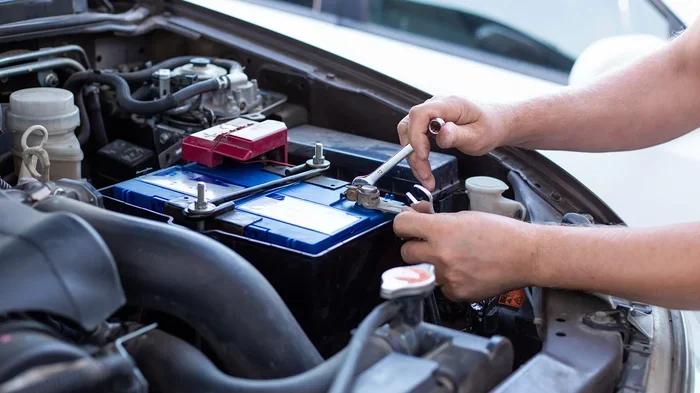
What Tools Do I Need to Change a Battery The Easy Way
Knowing the right tools makes changing a car battery quick, safe, and stress-free. You will need a socket wrench set, battery terminal cleaner, safety gloves, and protective eyewear to get the job done properly. With these essential battery replacement tools on hand, you can handle the swap in under thirty minutes without calling a mechanic.
Key Takeaways
- Always keep a socket wrench set ready for removing battery terminals quickly and safely.
- A battery terminal cleaner prevents corrosion buildup that causes poor electrical connections over time.
- Wear protective gloves and goggles to shield yourself from acid leaks and sparks.
- Keep a memory saver device handy to preserve your car’s computer settings during replacement.
- Use a battery terminal wrench for a snug, secure fit on every connection.
- Apply dielectric grease after installation to protect terminals from future corrosion and moisture.
- Test your new battery voltage before installation to confirm it holds a proper charge.
📑 Table of Contents
- The Essential Tools You Need to Change a Battery The Easy Way
- Basic Hand Tools for Battery Replacement
- Safety Gear You Should Never Skip
- Cleaning and Prep Tools for Battery Terminals
- Testing and Diagnostic Tools
- Helpful Accessories That Make the Job Easier
- Common Mistakes to Avoid When Changing a Battery
- Keeping Your Tools Organized for Future Battery Changes
- Final Thoughts on the Tools You Need
The Essential Tools You Need to Change a Battery The Easy Way
Changing a battery might seem intimidating at first. But with the right tools to change a battery, the entire process becomes quick and painless. Whether you are replacing the battery in your car, truck, or even a backup power system, having the correct equipment makes all the difference. You do not need to be a mechanic or a tech expert to get this done right.
In this guide, we walk you through every tool you need to change a battery safely and efficiently. We cover everything from basic hand tools to protective gear and helpful accessories. By the end, you will feel confident tackling your own battery replacement at home. Let us get started with the basics.
Basic Hand Tools for Battery Replacement
Before you pop open the hood or start working on any battery, make sure you have the right hand tools ready. These are the same kinds of tools you would use for many other DIY jobs around the house. Having them on hand saves time and keeps you from making frustrating trips back and forth to the garage.
Wrench Set
A good wrench set is the most important tool for changing a battery. Most batteries use standard nut and bolt connections. A combination wrench set gives you the flexibility to handle both metric and standard sizes. Look for a set that includes 8mm, 10mm, and 13mm sizes. These cover the vast majority of battery terminal bolts you will encounter.
Adjustable wrenches work in a pinch, but a fixed-size wrench gives you better grip and prevents rounding off bolts. Trust me, there is nothing worse than a stripped bolt when you are trying to get a battery out.
Socket Wrench and Ratchet
A ratchet and socket set makes battery removal even faster. A 1/2-inch drive ratchet with a 10mm socket handles most car batteries with ease. The ratchet mechanism lets you tighten and loosen bolts quickly without lifting the tool off the fastener every time.
If you want to make the job even smoother, pick up a short ratchet extension. It gives you extra reach in tight spaces, especially in newer vehicles where the battery sits in awkward spots. This is one of those small investments that pays off big time.
Pliers and Terminal Clamp Tools
Needle-nose pliers help you wiggle stubborn terminal clamps free. Sometimes the terminals get corroded and stick tight to the battery posts. A pair of pliers gives you the leverage you need to break them loose without damaging the cables.
Some people also use a dedicated battery terminal puller. This specialized tool slides under the clamp and pops it off cleanly. It is especially handy if the terminal is corroded or stuck. You can find one at any auto parts store for just a few dollars.
Safety Gear You Should Never Skip
Safety comes first, always. Batteries contain corrosive acid and can produce sparks if handled incorrectly. Wearing the right protective equipment keeps you safe throughout the entire process. Do not skip this part, even if the job seems simple.
Protective Gloves
Wear work gloves or rubber-insulated gloves when handling batteries. Battery terminals often have white or blue-green buildup called corrosion. This substance is acidic and can irritate your skin. A good pair of thick rubber gloves protects your hands from both the corrosion and the battery acid.
I learned this the hard way early on. I once touched a corroded terminal without gloves and got a mild chemical burn. Now I never skip gloves, no matter how quick the job seems. A small habit that saves you a lot of pain.
Safety Glasses
Protective eyewear is another must-have. When you loosen battery terminals, small sparks can jump. In rare cases, batteries can leak or even explode if mishandled. Safety glasses shield your eyes from acid splashes and sparks.
You do not need expensive safety glasses. A simple pair of ANSI-approved goggles works perfectly. Keep them in your toolbox so you always have them within reach.
Work Clothing and Footwear
Wear closed-toe shoes when changing a battery. Batteries are heavy, and dropping one on your foot is no joke. A pair of sturdy work boots or sneakers gives you solid protection. Avoid loose clothing that could get caught on battery terminals or other components.
Keep a clean rag or paper towels nearby too. They help you wipe down terminals and clean up any spills quickly. This small step goes a long way toward keeping your workspace safe and tidy.
Cleaning and Prep Tools for Battery Terminals
One of the biggest mistakes people make is skipping the cleaning step. Dirty battery terminals cause poor connections and can lead to starting problems down the road. Taking a few extra minutes to clean everything pays off in reliability and performance.
Wire Brush for Corrosion Removal
A wire brush is essential for cleaning battery terminals. The corrosion that builds up on terminals looks like a flaky white or blue-green crust. A small wire brush scrubs this away quickly and reveals clean metal underneath.
You can find battery terminal wire brushes at auto parts stores for just a couple of dollars. Some even attach directly to the end of a battery terminal cleaner tool. Either option works great. Just make sure you brush both the terminal posts and the inside of the cable clamps.
Battery Terminal Cleaner Solution
For tough corrosion, a battery terminal cleaner spray or solution works wonders. You spray it on the affected areas and let it sit for a minute or two. The solution dissolves the buildup so you can wipe it away easily. Some cleaners come in a spray can with an attached brush, which combines cleaning and applying in one step.
If you prefer a DIY approach, a mixture of baking soda and water works as a natural cleaning solution. Just apply it with an old toothbrush and scrub gently. It neutralizes the acid in the corrosion and makes cleanup a breeze.
Dielectric Grease
After cleaning the terminals, apply a thin layer of dielectric grease. This special grease protects the terminals from future corrosion. It also ensures a solid electrical connection every time you reconnect the battery.
You only need a small amount. A little goes a long way. Just spread a thin coating on the terminal posts and inside the cable clamps. This simple step extends the life of your battery and prevents those frustrating starting issues.
Testing and Diagnostic Tools
Once you have the new battery in place, you want to make sure everything works correctly. Having a few diagnostic tools on hand helps you verify the installation and catch potential issues early.
Multimeter for Voltage Testing
A multimeter is one of the most useful tools to change a battery with confidence. After installing the new battery, you can use it to check the voltage. A fully charged car battery should read around 12.6 volts. If it reads lower, the battery may not be fully charged or there could be a charging issue.
You do not need an expensive multimeter. A basic digital model from any hardware store works perfectly. Set it to DC voltage, touch the probes to the terminals, and read the result. It takes just seconds and gives you peace of mind.
Just like when you test a capacitor to make sure your equipment is working properly, checking battery voltage after installation is a smart habit. It catches problems before they become bigger issues.
Battery Load Tester
A battery load tester takes your diagnostics one step further. This tool simulates the electrical load your vehicle places on the battery. It tells you whether the new battery can actually handle the demand. This is especially useful if you are replacing an old battery and want to make sure the new one is in good condition.
Load testers are more common at auto parts stores and repair shops. You can often borrow one for free if you purchase your battery there. It is a great resource that most people overlook.
Helpful Accessories That Make the Job Easier
Beyond the core tools, a few accessories can make the battery changing process smoother and more convenient. These are not strictly necessary, but they save time and effort. Think of them as the difference between a frustrating job and a satisfying one.
Battery Terminal Protector Spray
After you reconnect the battery, spray a battery terminal protector on the posts and clamps. This coating creates a barrier against moisture and corrosion. It keeps your connections clean for months and prevents the buildup that causes starting problems.
You can find spray protectors at auto parts stores. They come in small cans that last a long time. A few sprays after each battery change goes a long way toward preventing future issues.
Battery Hold-Down Strap
A battery hold-down strap keeps the battery secure in its tray. Vibration is one of the biggest enemies of battery life. A loose battery bounces around and can damage the terminals or even crack the case. The hold-down strap prevents this and extends the life of your new battery.
Most vehicles come with a hold-down, but they sometimes rust or break over time. If yours is worn out, replace it when you install the new battery. It is a small part that makes a big difference.
Battery Charger or Maintainer
If you are replacing a battery that has been sitting for a while, a battery charger can bring the new battery up to full charge before installation. A trickle charger or maintainer keeps the battery topped off during storage and prevents the sulfation that shortens battery life.
Some people keep a battery charger in their garage year-round. It is especially useful in cold climates where batteries lose charge faster during winter months. Having one ready means you always start with a fully charged battery.
Common Mistakes to Avoid When Changing a Battery
Even with the right tools, mistakes happen. Knowing what to avoid keeps you safe and prevents damage to your vehicle. Here are the most common errors people make when changing a battery.
Forgetting to disconnect the negative terminal first. Always loosen the negative (black) terminal before the positive (red). This prevents accidental short circuits. If you accidentally touch a metal tool to the positive terminal while it is still connected to the negative side, you create a spark that can damage electrical components.
Not cleaning the battery tray. When you remove the old battery, take a moment to clean the tray. Acid residue and corrosion can sit in the tray and damage the new battery over time. A quick wipe with a baking soda solution does the trick.
Over-tightening the terminal bolts. Tighten the terminal connections snugly, but do not crank them down too hard. Over-tightening can crack the battery post or strip the threading. A firm hand with a wrench is all you need.
Skipping the dielectric grease. It might seem like a small step, but applying dielectric grease after reconnection prevents corrosion and ensures a reliable connection. Skipping it often leads to problems within a few months.
Not properly recycling the old battery. Old batteries contain lead and acid, both of which are hazardous. Never throw them in the trash. Most auto parts stores accept old batteries for recycling, often with a core charge refund. This is the responsible way to dispose of them.
Just as knowing how to reset your compressor after maintenance keeps your equipment running smoothly, following proper procedures after a battery change ensures everything works correctly. These small habits build up over time and protect both you and your vehicle.
Keeping Your Tools Organized for Future Battery Changes
Once you have finished changing your battery, take a moment to organize your tools. Proper storage keeps everything in good condition and ready for the next job. A well-organized toolbox also makes future maintenance tasks faster and less frustrating.
Clean your wrench set and socket set after each use. Wipe away any grease, corrosion, or battery acid residue. Store them in a dry place to prevent rust. A small investment in tool care pays dividends every time you reach for them.
Keep your safety gear together in one spot. Hang your gloves and safety glasses near your toolbox so they are easy to grab. When you know where everything is, you are much more likely to use it. And using the right safety equipment every time keeps you protected.
Store your dielectric grease, terminal cleaner, and protectant spray in a labeled bin or drawer. These small supplies make a big difference in battery longevity. Having them organized means you will actually use them instead of letting them sit forgotten in the garage.
Remember that knowing how to properly attach and connect components applies far beyond air compressors. The same careful, methodical approach you use when connecting battery terminals protects your vehicle and keeps you safe. Good habits in one area of maintenance carry over to everything else you do.
Final Thoughts on the Tools You Need
Changing a battery does not have to be complicated or stressful. With the right tools to change a battery, a little preparation, and proper safety precautions, you can handle this job in under 30 minutes. Start with the basics: a wrench set, ratchet and socket, pliers, and safety gear. Add cleaning supplies like a wire brush and terminal cleaner to ensure a solid connection. Throw in a multimeter for testing and a few accessories like dielectric grease and terminal protectors, and you are fully equipped.
The key is preparation. Gather your tools before you start, follow the proper sequence when disconnecting and reconnecting terminals, and never skip the safety steps. Whether you are a seasoned DIYer or a complete beginner, having these tools and knowledge at your fingertips makes all the difference.
Take pride in doing the job right. Every battery you change on your own builds your skills and saves you money. So grab your tools, put on your gloves, and get the job done with confidence. You have got this.
Frequently Asked Questions
What tools do I need to change a battery?
You will need a wrench or socket set, safety gloves, and protective goggles. A battery terminal cleaner and a wire brush are also helpful for removing corrosion. Most people can complete a battery swap with just these basic household tools.
Can I change a car battery with basic household tools?
Yes, you only need a simple wrench or ratchet set to loosen the battery terminals. Most car batteries use standard 10mm or 13mm bolts, which are easy to find at any hardware store. Having a pair of safety gloves and goggles will keep you protected from acid or sparks.
What size wrench do I need to remove a car battery?
A 10mm wrench is the most common size for battery terminal bolts, but some vehicles may use 13mm or 8mm. Check your battery terminals before starting to make sure you have the right size on hand. A socket set with a ratchet makes the job faster and easier.
Is it safe to change a battery by myself at home?
Yes, it is safe as long as you wear protective gloves and goggles to guard against battery acid. Always disconnect the negative terminal first to prevent short circuits. Work in a well-ventilated area and keep metal objects away from the battery.
Do I need any special equipment to install a new battery?
You do not need anything fancy beyond a wrench, gloves, and a battery terminal cleaner. Some people also use anti-corrosion spray or terminal protectors to extend battery life. A memory saver is optional but helpful if you want to keep your radio presets and settings intact.
What safety gear should I wear when changing a battery?
Wear rubber or nitrile gloves to protect your hands from battery acid and corrosion. Safety goggles will shield your eyes from any sparks or chemical splashes. Wearing closed-toe shoes is also a good idea in case something drops during the process.