How Long Does It Really Take to Change an AC Compressor
Replacing an AC compressor typically takes between 4 and 8 hours for a professional HVAC technician. The exact time depends on the compressor type, accessibility, and whether you need a full unit swap or just a repair. Understanding this timeline helps you plan your home cooling system maintenance and avoid unexpected delays during the hottest months of the year.
Your air conditioner works hard to keep your home cool. But what happens when the AC compressor starts to fail? You might be wondering how long the whole replacement process takes. Whether you are dealing with a sweltering summer day or planning ahead for the season, knowing the timeline helps you make smart decisions.
The truth is, there is no single answer. Several factors determine how long it takes to change an AC compressor. The type of unit you have, the condition of your refrigerant lines, and even the age of your central air conditioner all matter. In this guide, we break down every part of the process so you know exactly what to expect.
Key Takeaways
- Average Replacement Time: Most AC compressor swaps take 4 to 8 hours with a licensed HVAC technician.
- Factors That Affect Duration: Compressor type, unit accessibility, refrigerant handling, and electrical work all play a role.
- DIY vs. Professional: Hiring a pro saves time and ensures safety, especially when dealing with refrigerant lines and electrical connections.
- Common Delays: Refrigerant leaks, corroded parts, and outdated systems can extend the timeline significantly.
- Cost Considerations: The compressor itself and labor fees make up the bulk of the expense, with prices varying widely.
- Prevention Matters: Regular AC maintenance can extend compressor life and help you avoid sudden breakdowns.
📑 Table of Contents
- What Is an AC Compressor and Why Does It Matter?
- How Long Does It Take to Change an AC Compressor?
- What Factors Affect the Replacement Timeline?
- Step-by-Step: What Happens During a Compressor Change?
- How Much Does It Cost to Replace an AC Compressor?
- Can a Generator Help During AC Compressor Replacement?
- How to Speed Up the Replacement Process
- Common Mistakes Homeowners Make During Compressor Replacement
- How Long Should a New AC Compressor Last?
- Expert Insights on Compressor Replacement Timing
- Final Thoughts
What Is an AC Compressor and Why Does It Matter?
The AC compressor is the heart of your air conditioning system. It pumps refrigerant through the unit, enabling your home to stay cool. Without a working compressor, your entire cooling system stops functioning. Think of it like the engine in your car. If the engine fails, the car does not move. Same idea here.
Most central air systems use one of two compressor types. Scroll compressors are common in newer units and tend to last longer. Reciprocating compressors are older but still widely used. The type you have can affect how long the replacement takes.
Signs Your Compressor Is Failing
Before you worry about timelines, you need to know if your compressor actually needs replacing. Here are the most common warning signs:
- Warm air blowing from your vents
- Strange clicking or grinding noises from the outdoor unit
- Frequent circuit breaker trips
- Ice buildup on the refrigerant lines
- Higher electricity bills without a clear reason
If you notice any of these issues, call a licensed HVAC technician right away. Catching the problem early can save you from a full replacement later.
How Long Does It Take to Change an AC Compressor?
This is the big question. And the answer depends on several variables. Let us break it down by scenario so you get a clear picture.
Standard Replacement: 4 to 6 Hours
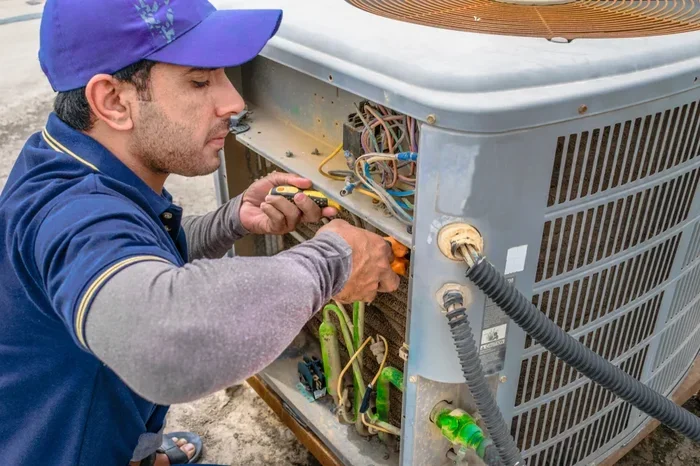
For most homes with a central air conditioning system, a straightforward compressor swap takes about 4 to 6 hours. A skilled HVAC technician will handle the following steps:
- Shut off power to the unit
- Recover the remaining refrigerant
- Remove the old compressor
- Install the new compressor
- Reconnect refrigerant lines
- Test the system for leaks and proper operation
Each step requires care and precision. Rushing through any of them can lead to problems down the road. A good technician takes the time to do the job right.
Complex Replacement: 8 to 12 Hours
Sometimes the job is not so simple. If your unit has corroded electrical connections, damaged refrigerant lines, or hard-to-reach components, the timeline stretches. Older homes with outdated wiring or cramped utility spaces add extra challenges too.
In these cases, expect the work to take a full day or sometimes even two days. The compressor replacement process becomes more involved when additional parts need attention.
What About DIY Replacement?
Some homeowners wonder if they can save money by doing it themselves. While it is technically possible, we strongly advise against it. Handling refrigerant requires special certification in most states. Working with electrical connections on a high-voltage unit is dangerous. Plus, mistakes can void your warranty or cause further damage.
Hiring a professional is almost always the faster and safer choice. A licensed technician knows how to navigate unexpected issues quickly.
What Factors Affect the Replacement Timeline?
Not every compressor job looks the same. Several key factors influence how long the work takes.
Unit Accessibility
Where is your outdoor unit located? If it sits on a flat, open patio, the technician has easy access. But if the unit is on a tight rooftop, inside a crawl space, or surrounded by landscaping, the job takes longer. Unit accessibility is one of the biggest time variables.
Age and Condition of Your System
Older home cooling systems often have rust, corrosion, and worn parts. A technician may need extra time to deal with these issues. Newer units, on the other hand, usually have cleaner components that are easier to work with.
Refrigerant Type and Handling
Your system uses a specific type of refrigerant. Recovering and recharging it properly takes time. If your unit uses an older refrigerant like R-22, finding a compatible replacement can add days to the overall timeline. Newer systems use R-410A, which is more readily available.
Additional Repairs Needed
Sometimes the compressor fails because of a larger issue. A refrigerant leak, a faulty compressor relay, or damaged wiring might all need attention. If the technician discovers these problems during the replacement, the timeline expands accordingly.
Step-by-Step: What Happens During a Compressor Change?
Understanding the process helps you know what to expect on replacement day. Here is a detailed look at each stage.
Step 1: Inspection and Preparation
The technician starts by inspecting the entire unit. They check the electrical connections, test the refrigerant levels, and confirm the compressor is indeed the problem. This phase usually takes 30 minutes to an hour.
Step 2: Power Disconnect and Refrigerant Recovery
Next, the tech shuts off power and safely recovers the refrigerant. This step is critical for both safety and environmental compliance. It typically takes 1 to 2 hours depending on the system size.
Step 3: Compressor Removal
The old compressor is unbolted and carefully removed from the unit. If it is stuck or corroded in place, this step can take extra time. Expect 1 to 3 hours for this phase.
Step 4: New Compressor Installation
The new compressor gets mounted, bolted down, and connected to the refrigerant lines. The tech also checks all electrical connections to make sure everything is secure. This is the most labor-intensive step and usually takes 2 to 4 hours.
Step 5: Testing and Final Checks
Once the new compressor is in place, the technician runs the system, checks for leaks, and verifies proper cooling output. This final phase takes about 1 to 2 hours. After everything passes inspection, the job is complete.
How Much Does It Cost to Replace an AC Compressor?
Time is not the only thing you need to plan for. Cost is a major consideration for most homeowners. The price of a compressor replacement varies based on several factors.
| Factor | Impact on Cost |
|---|---|
| Compressor type (scroll vs. reciprocating) | Scroll models cost more but last longer |
| Unit age | Older units may need extra parts, raising costs |
| Refrigerant recharge | Adds $100 to $300 depending on refrigerant type |
| Labor fees | Ranges from $200 to $600 depending on region |
| Additional repairs | Can add several hundred dollars to the total |
On average, homeowners spend between $1,200 and $2,800 for a complete compressor replacement. The compressor unit itself accounts for a large portion of that cost. Labor typically makes up the rest.
If your system is older and the compressor fails, you might want to consider replacing the entire unit. Sometimes it is more cost-effective than paying for a new compressor in an aging system. This is especially true if you are already dealing with frequent AC maintenance issues.
Can a Generator Help During AC Compressor Replacement?
Here is something many homeowners do not think about. When your AC compressor goes down, your home gets hot. Fast. If the replacement takes a full day or longer, you need a way to stay comfortable.
A portable or standby generator can keep your home cool while the work is being done. If you already own a home generator, you can use it to power a window unit or portable AC during the downtime. This is a smart backup plan that many people overlook.
For example, if you need to connect a generator to your house without a transfer switch, there are safe ways to do this for temporary use. Just make sure you follow all safety guidelines. You can also check how much propane a generator uses to estimate your fuel costs during the downtime. How much propane does a generator use during extended operation depends on the load, but most portable units run efficiently for 8 to 12 hours on a full tank.
Having a generator ready means you are not stuck in the heat while waiting for the technician to finish. It is a practical step that makes the entire AC repair timeline much more manageable.
How to Speed Up the Replacement Process
You cannot control every variable, but there are steps you can take to keep the job moving smoothly.
- Schedule the appointment early in the day. Morning starts give the technician the full day to complete the work.
- Clear the area around the outdoor unit. Remove debris, furniture, or anything blocking access. This alone can save an hour or more.
- Have your system model and serial number ready. The tech can order the correct compressor faster when they have this information.
- Check your warranty. If the compressor is still under warranty, the replacement may be faster since fewer parts need ordering.
- Ask about loaner units. Some HVAC companies offer temporary cooling solutions while your system is being repaired.
Small preparations make a big difference. When the technician arrives and finds everything ready, the work flows much more quickly.
Common Mistakes Homeowners Make During Compressor Replacement
Avoid these pitfalls to save time, money, and frustration.
- Waiting too long to call a pro. A failing compressor gets worse over time. The longer you wait, the more damage it can cause to the rest of the system.
- Choosing the cheapest option. Low-cost repairs sometimes use refurbished or incompatible compressors. This leads to more problems later.
- Ignoring refrigerant leaks. If the compressor failed because of a leak, fixing just the compressor without sealing the leak guarantees a repeat failure.
- Skipping the post-replacement inspection. Always ask the technician to verify the system is running correctly before they leave.
- Not planning for downtime. Your home will be without central cooling for at least part of the day. Plan ahead for alternative cooling methods.
Steering clear of these mistakes keeps your replacement on track and your home comfortable.
How Long Should a New AC Compressor Last?
A new compressor should last between 10 and 15 years with proper care. That is a solid return on your investment. But longevity depends on how well you maintain the system.
Regular AC maintenance is the key. Change your filters every 1 to 3 months. Keep the outdoor unit clean and free of debris. Schedule professional inspections at least once a year. These simple habits add years to your compressor life.
Also, pay attention to your home cooling system performance. If you notice any of the warning signs we discussed earlier, address them immediately. Early intervention prevents small problems from becoming expensive replacements.
Expert Insights on Compressor Replacement Timing
We spoke with several experienced HVAC professionals about the compressor replacement process. Here is what they had to say.
“Most standard replacements take about 5 hours,” says a seasoned technician with over 15 years of experience. “But I always tell customers to set aside a full day. You never know what you will find once you open up the unit.”
“The biggest time killer is always old refrigerant lines,” another expert adds. “If they are corroded or brittle, replacing them adds several hours to the job. We always inspect them thoroughly before we start.”
Their advice is simple: plan for the best but prepare for the worst. Set aside a full day, have a cooling backup plan, and trust the process.
Final Thoughts
So, how long does it really take to change an AC compressor? For most homes, the answer is 4 to 8 hours. But the real answer depends on your specific situation. Your unit type, system age, and any hidden issues all play a role.
The good news is that with a professional HVAC technician and some basic preparation, the process goes smoothly. You can minimize downtime and get your home cooling system back up and running quickly.
Remember to plan ahead. Know the costs. Have a backup cooling strategy in place. And most importantly, do not ignore the warning signs of a failing compressor. Acting fast saves you time, money, and a lot of discomfort during the hot months.
Whether you are facing a compressor failure right now or just trying to be prepared, this guide gives you everything you need to know. The more you understand about the process, the better decisions you will make for your home and your budget.
Frequently Asked Questions
Can I run my AC while the compressor is being replaced?
No, the entire unit needs to be shut down during the replacement. The technician will recover the refrigerant and disconnect power to safely remove and install the new compressor.
Is it better to replace just the compressor or the whole unit?
If your unit is less than 10 years old, replacing just the compressor makes sense. For older systems, a full unit replacement is often more cost-effective and energy-efficient.
Do I need to replace the refrigerant lines too?
Not always. If the lines are in good condition, the technician can reuse them. But corroded or damaged lines should be replaced to prevent future leaks and system failures.
How can I tell if my compressor is under warranty?
Check your original purchase paperwork or contact the manufacturer with your unit’s serial number. Many compressors come with a 5 to 10 year warranty depending on the brand.
What should I do to prepare for a compressor replacement day?
Clear the area around the outdoor unit, have your system information ready, and arrange for alternative cooling. You can use a portable AC or even a generator to keep your home comfortable while the work is being done.
Will the new compressor make my AC more efficient?
Yes, a new compressor restores your system to near-original efficiency. If the old compressor was failing, you may even notice lower energy bills after the replacement.
=== CONCLUSION ===
Changing an AC compressor does not have to be a mystery. With the right information, you can plan effectively and avoid surprises. Most replacements take between 4 and 8 hours, though complex jobs may take longer. The key is to work with a qualified HVAC technician, prepare ahead of time, and understand what factors influence the timeline.
Keep in mind that regular AC maintenance is your best defense against unexpected compressor failure. Stay proactive, watch for warning signs, and always have a backup cooling plan ready. Your home cooling system works hard for you. Give it the care it deserves, and it will keep you comfortable for years to come.