How Long Does a Car AC Compressor Last and What Affects It
A car AC compressor typically lasts between 8 and 12 years or 100,000 to 150,000 miles under normal driving conditions. Several factors can shorten or extend this lifespan, including driving habits, maintenance routines, and environmental conditions. Understanding these factors helps you plan for car AC compressor replacement and avoid unexpected breakdowns on the road.
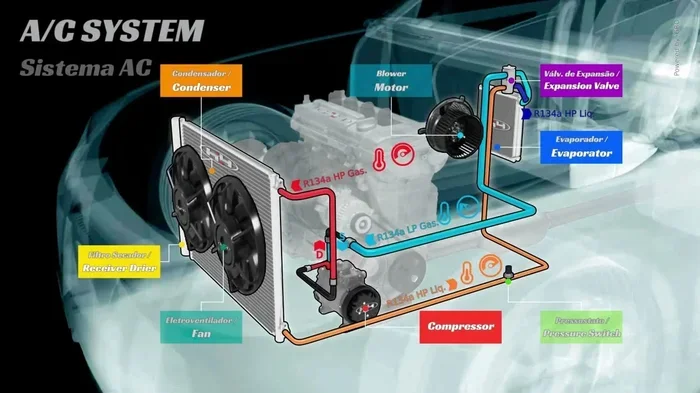
Your car’s air conditioning system is one of those things you probably don’t think about until it stops working. Then suddenly, you’re stuck in traffic on a hot day with nothing but warm air blowing through the vents. At the heart of this system sits the car AC compressor. It is the component that makes the whole cooling process possible.
So how long does a car AC compressor actually last? The short answer is that most compressors last between 8 and 12 years. But the full picture is more nuanced. Your driving habits, maintenance schedule, climate, and even the quality of parts used all play a role. This guide walks you through everything you need to know about car AC compressor lifespan, what causes them to fail, and how you can get the most miles out of yours.
Whether you are dealing with a failing compressor right now or just want to prevent problems down the road, this article covers it all. We will look at the warning signs, the common causes of failure, replacement costs, and simple steps you can take to keep your car air conditioning system running strong for years to come.
Key Takeaways
- Average Lifespan: A car AC compressor lasts 8 to 12 years or 100,000 to 150,000 miles under normal use.
- Failure Signs: Listen for unusual noises, feel for warm air from vents, and watch for clutch engagement problems.
- Main Causes of Failure: Refrigerant leaks, electrical issues, and lack of regular maintenance are the top culprits.
- Replacement Cost: Expect to pay between $500 and $1,000 for parts and labor combined.
- Maintenance Matters: Regular air conditioning maintenance can extend compressor life by several years.
- Driving Habits Count: Frequent short trips and extreme heat both stress the compressor more than expected.
📑 Table of Contents
- How Long Does a Car AC Compressor Last on Average
- Signs Your Car AC Compressor Is Failing
- What Causes Car AC Compressor Failure
- How to Extend Your Car AC Compressor Life
- AC Compressor Replacement Cost and Process
- Repair vs. Replace: Making the Right Decision
- Common Mistakes That Shorten Compressor Life
- When to See a Professional
- Conclusion
How Long Does a Car AC Compressor Last on Average
The lifespan of a car AC compressor depends on several factors. Most manufacturers design these components to last the lifetime of the vehicle. In real-world conditions, that usually translates to about 8 to 12 years or roughly 100,000 to 150,000 miles. However, some compressors fail much earlier, while others keep running well beyond the 150,000-mile mark.
Typical Lifespan by Vehicle Type
Different vehicles put different demands on the car AC compressor. Here is a general breakdown:
- Sedans and compact cars: These tend to have lighter AC demands. The compressor often lasts 10 to 12 years.
- SUVs and trucks: Larger cabins mean the system works harder. Expect 8 to 10 years of reliable service.
- Luxury vehicles: High-end cars often have more powerful compressors. With proper care, they can last 12 or more years.
- Older vehicles (pre-2000): Compressors in older cars may wear out faster due to age-related material degradation.
Mileage and Age Factors
Mileage matters just as much as age. A car driven 15,000 miles a year in a hot climate will wear out the car AC compressor faster than one driven 5,000 miles a year in a cooler region. The compressor cycles on and off hundreds of times during every drive. Over time, this constant cycling wears down internal components like the compressor bearing and clutch.
Age also plays a role. Rubber seals dry out, lubricant breaks down, and metal surfaces wear. Even if you drive very few miles, a compressor that sits unused for years can still develop problems. The seals can crack, and the internal components can seize up from lack of use.
Signs Your Car AC Compressor Is Failing
Catching the early warning signs of a failing car AC compressor can save you from a complete breakdown and a much bigger repair bill. Here are the most common AC compressor failure signs to watch for.
Unusual Noises from the AC Compressor
One of the first things you will notice is strange sounds when you turn on the AC. A healthy car AC compressor runs quietly. If you hear grinding, squealing, or clattering noises, something is wrong. Grinding often points to compressor bearing failure. Squealing can mean the AC compressor clutch is worn out or slipping.
These noises usually get worse over time. If you ignore them, the compressor can seize completely. At that point, you are looking at a full replacement rather than a simple repair.
Warm Air Blowing from Vents
This is the most obvious sign that something is wrong with your vehicle air conditioning. If the compressor fails, it cannot circulate refrigerant through the system. The result is warm or lukewarm air no matter how low you set the temperature.
However, warm air does not always mean a dead compressor. It could also be a low refrigerant level, a clogged expansion valve, or a problem with the car AC condenser. A professional diagnosis helps you pinpoint the exact cause.
Compressor Clutch Not Engaging
The AC compressor clutch is the part that connects the compressor to the engine. When you turn on the AC, the clutch should engage and the compressor should start running. If the clutch does not engage, the compressor cannot do its job.
Common reasons for clutch failure include a bad AC compressor relay, low refrigerant, or electrical problems. Sometimes the clutch can be replaced separately. Other times, the entire compressor needs to come out.
Frequent AC Compressor Cycling
Your car AC compressor should cycle on and off at regular intervals. If you notice it cycling too frequently or staying on constantly, there is a problem. Frequent cycling puts extra stress on the internal components and shortens the overall lifespan.
This often happens when the refrigerant level is low. The system detects the low pressure and shuts the compressor off. Pressure builds back up, and the compressor kicks on again. This rapid on-off pattern is hard on the system and should be addressed quickly.
What Causes Car AC Compressor Failure
Understanding what causes car AC compressor failure helps you take preventive steps. Most failures are not random. They result from specific conditions or neglect over time.
Refrigerant Leaks and Low Charge
A refrigerant leak is one of the most common causes of compressor failure. When the refrigerant level drops too low, the compressor does not get proper lubrication. The internal components start to grind against each other without enough oil. This leads to overheating and eventual seizure.
Leaks can develop at any point in the system. Common leak points include the expansion valve, hose connections, and the compressor shaft seal. Regular AC refrigerant recharge and leak checks can catch these problems early.
Electrical and Wiring Issues
The AC compressor relies on electrical signals to operate. The AC compressor relay sends power to the compressor when the AC is turned on. If the relay fails or the wiring corrodes, the compressor may not engage at all.
Electrical issues can also cause the compressor to cycle erratically. Short circuits or grounding problems can send inconsistent signals. Over time, this erratic behavior wears out the compressor prematurely.
Lack of Regular Maintenance
Neglect is the enemy of any mechanical component, and the car AC compressor is no exception. Many car owners forget about their air conditioning system until it stops working. By then, damage may already be done.
Regular air conditioning maintenance includes checking refrigerant levels, inspecting hoses and connections, and ensuring the cabin air filter is clean. A clogged cabin filter restricts airflow and makes the entire system work harder. This extra strain adds up over time and can lead to premature compressor failure.
Contamination and Debris
The AC system is a closed loop, but contaminants can still find their way in. Metal particles from a worn compressor can circulate through the system and damage other components. Moisture can also enter the system and cause corrosion.
When a compressor fails catastrophically, debris from the failed unit can clog the car AC condenser and block the expansion valve. This is why it is important to flush the entire system when replacing a failed compressor.
How to Extend Your Car AC Compressor Life
The good news is that you can take steps to extend the life of your car AC compressor. Simple habits and regular maintenance go a long way toward keeping the system healthy.
Regular AC System Maintenance
Just like you change your oil and rotate your tires, your AC system needs regular attention too. Here are some maintenance tips that help:
- Run the AC regularly: Even in winter, run the AC for about 10 minutes once a week. This keeps the seals lubricated and prevents them from drying out.
- Check refrigerant levels annually: Low refrigerant is one of the top causes of compressor damage. Have a professional check the levels at least once a year.
- Replace the cabin air filter: A clean filter ensures proper airflow and reduces strain on the entire system.
- Inspect hoses and connections: Look for cracks, leaks, or loose connections at least twice a year.
Proper Use Habits
How you use your AC affects how long the compressor lasts. Here are some habits that help:
- Avoid turning the AC on full blast immediately: Start with a lower setting and gradually increase. This reduces the initial load on the compressor.
- Turn off the AC before shutting off the engine: This allows the compressor to run for a few seconds without cooling, which helps clear excess moisture from the system.
- Do not overload the system: On extremely hot days, avoid running the AC at maximum for extended periods. Give the system brief breaks.
Protecting the Serpentine Belt and Components
The serpentine belt drives the AC compressor clutch. If the belt is worn, cracked, or loose, it can cause the clutch to slip or engage improperly. This puts extra strain on the compressor.
Have the serpentine belt inspected during every oil change. Replace it at the first sign of wear. A new belt is inexpensive, but a damaged compressor is not.
It is also worth noting that the principles behind how the compressor works are similar to other compression-based systems. If you are curious about how these systems operate more broadly, understanding how a generator works can give you useful insight into compression and electromagnetic principles that apply across many vehicle systems.
AC Compressor Replacement Cost and Process
If your car AC compressor has failed and needs replacement, it helps to know what to expect. The replacement process and cost can vary depending on your vehicle and the extent of the damage.
What to Expect During Replacement
Replacing a car AC compressor is not a quick job. The process typically involves:
- Recovering the remaining refrigerant from the system.
- Removing the serpentine belt and disconnecting electrical connections.
- Unbolting the old compressor from the engine mount.
- Installing the new compressor and reconnecting all lines.
- Evacuating the system to remove air and moisture.
- Recharging the system with fresh refrigerant.
- Testing the system for proper operation and leaks.
The entire process usually takes a professional mechanic 3 to 5 hours. If the car AC condenser or other components were damaged by debris from the old compressor, those may need to be replaced too. This adds time and cost to the job.
AC Compressor Replacement Cost Breakdown
The cost of replacing a car AC compressor can vary widely. Here is a general breakdown:
- Parts only: $300 to $700 for the compressor unit itself.
- Labor: $200 to $500 depending on the vehicle and local rates.
- Refrigerant and flush: $50 to $150 for system evacuation and recharge.
- Total estimated cost: $500 to $1,000 for a standard replacement.
If additional components like the condenser or expansion valve need replacement, the cost can go up significantly. In some cases, you may pay $1,500 or more for a full system repair.
For comparison, the cost of a home generator can range from $500 for a portable unit to over $15,000 for a whole-house installation. While these serve very different purposes, both represent significant investments in keeping your vehicle or home comfortable and functional.
DIY vs. Professional Replacement
Some experienced DIYers attempt to replace the compressor themselves. This can save on labor costs, but it requires specialized tools like a refrigerant recovery machine and a vacuum pump. Handling refrigerant also requires EPA certification in most states. For most car owners, having a professional handle the replacement is the safer and more practical choice.
Repair vs. Replace: Making the Right Decision
When your car AC compressor starts to fail, you face a choice: repair or replace? The right answer depends on the severity of the problem and the age of your vehicle.
Minor issues like a faulty AC compressor relay or a worn clutch can often be repaired without replacing the entire unit. These repairs are much cheaper, usually ranging from $100 to $300.
However, if the compressor has seized internally or the bearings have failed, replacement is usually the only option. A seized compressor cannot be repaired. Attempting to bypass it or run the system without a working compressor will cause further damage to the rest of the car air conditioning system.
Consider the age and overall condition of your vehicle. If your car is already high-mileage and has other major issues, a full compressor replacement may not make financial sense. In those cases, you might want to explore alternative cooling solutions or consider whether the vehicle is worth the investment.
It is also worth noting that fuel and power consumption play a role in your overall vehicle costs. Just as monitoring how much propane a generator uses helps homeowners manage fuel expenses, keeping your car’s AC system efficient helps you avoid unnecessary fuel waste. A failing compressor can increase engine load and reduce fuel economy.
Common Mistakes That Shorten Compressor Life
Avoiding common mistakes can significantly extend the life of your car AC compressor. Here are the pitfalls to watch out for:
- Ignoring strange noises: Many people dismiss early warning sounds. By the time the noise gets loud, the damage is often already done.
- Skipping refrigerant checks: Low refrigerant is a slow killer. It damages the compressor gradually over weeks or months.
- Using the wrong refrigerant: Always use the type of refrigerant specified for your vehicle. Mixing different types can cause chemical reactions that damage internal components.
- Neglecting the serpentine belt: A worn belt affects compressor performance and can cause the clutch to slip or engage improperly.
- Running AC on low refrigerant: This is one of the fastest ways to destroy a compressor. The lack of lubrication causes internal wear very quickly.
When to See a Professional
Some AC problems are simple enough to diagnose on your own. But when it comes to the car AC compressor, it is usually best to consult a professional. Here are situations where you should seek expert help:
- You hear grinding or loud clicking noises when the AC is on.
- The compressor clutch does not engage at all.
- You notice refrigerant leaks under your car.
- The AC blows warm air even after a refrigerant recharge.
- The dashboard AC warning light is on.
A qualified mechanic can perform a thorough diagnostic and recommend the right course of action. Many shops offer free or low-cost AC inspections, especially during the spring season when people start thinking about cooling their vehicles.
Taking care of your car AC compressor is one of the best ways to keep your vehicle comfortable and maintain its resale value. A well-functioning AC system also contributes to driver alertness and safety, especially on long trips in hot weather.
Conclusion
Your car AC compressor is a hardworking component that deserves your attention. Under normal conditions, it should last 8 to 12 years or 100,000 to 150,000 miles. But that timeline can shift based on how you drive, how well you maintain the system, and the conditions you expose it to.
The key takeaways are simple. Pay attention to warning signs like unusual noises, warm air, and frequent cycling. Keep up with regular maintenance including refrigerant checks and belt inspections. And address small problems before they turn into expensive repairs.
A healthy car AC compressor means a comfortable ride no matter how hot it gets outside. By following the tips in this guide, you can enjoy reliable cooling for years to come and avoid the frustration of a failed AC system when you need it most.
Frequently Asked Questions
How do I know if my car AC compressor is bad?
Listen for unusual noises like grinding or squealing when the AC is on. Check if warm air is blowing from the vents even with the AC set to maximum. Also watch for the compressor clutch not engaging when you turn on the AC. These are clear AC compressor failure signs that warrant a professional inspection.
Can I drive my car with a bad AC compressor?
Yes, you can usually drive with a bad compressor if the clutch disengages and does not lock up. However, a seized compressor can damage the serpentine belt and cause the engine to overheat. If you notice any locking or grinding, have the vehicle towed to a repair shop immediately.
How much does it cost to replace a car AC compressor?
The total AC compressor replacement cost typically ranges from $500 to $1,000, including parts and labor. The exact price depends on your vehicle make and model, the cost of parts, and local labor rates. Additional costs may apply if other components like the condenser need replacement too.
How often should I recharge my car AC system?
Most vehicles do not need a regular refrigerant recharge. The car AC compressor system is sealed and should hold refrigerant for years. If you need to recharge frequently, it indicates a refrigerant leak that should be repaired. Only recharge when the system has been inspected and any leaks have been fixed.
Does running the AC in winter help the compressor?
Yes, running the AC for about 10 minutes once a week during winter helps keep the car AC compressor lubricated. It also keeps the seals soft and prevents them from drying out. This simple habit can significantly extend the compressor’s lifespan and prevent issues when summer arrives.
What is the average lifespan of a car AC compressor?
The average car AC compressor lifespan is 8 to 12 years or 100,000 to 150,000 miles. With proper maintenance and gentle use, some compressors last even longer. Factors like driving in extreme heat, frequent short trips, and neglected maintenance can shorten this lifespan considerably.