Where Is the AC Compressor in a Car Located Inside
The AC compressor in a car sits in the front of the engine bay, typically mounted to the engine block and driven by a serpentine belt. It is the heart of your vehicle’s air conditioning system, responsible for pressurizing and circulating refrigerant. Understanding its location helps you diagnose problems, plan repairs, and talk confidently with your mechanic.
Have you ever popped the hood of your car and wondered, “Where is the ac compressor in a car?” It is a fair question. After all, your car’s air conditioning system keeps you comfortable on hot summer days. Yet most people never think about the component that makes it all work until something goes wrong. This guide will walk you through the exact AC compressor location, how it functions, and what to do when it starts acting up.
Knowing where your car air conditioning system components live is incredibly useful. Whether you are a DIY enthusiast or just want to understand your vehicle better, this article covers everything you need. We will break it down into simple, easy-to-follow sections. By the end, you will feel confident pointing out the air conditioning compressor under your hood.
The automotive AC system relies on several parts working together. The compressor is the powerhouse. It pressurizes the refrigerant and pushes it through the system. Without a functioning compressor, your car becomes an oven on wheels. Let us dive in and explore every detail about this essential component.
Key Takeaways
- Location: The AC compressor is mounted on the front of the engine, usually near the bottom and driven by the serpentine belt.
- Key Components: It includes the compressor body, clutch, pulley, refrigerant lines, and mounting bracket.
- Common Signs of Failure: Warm air, strange noises, leaking refrigerant, and a clutch that won’t engage are all red flags.
- Maintenance Matters: Regular checks and timely refrigerant recharges can extend compressor life significantly.
- Replacement Cost: Expect to pay between $500 and $1,000 for parts and labor, depending on your vehicle.
- DIY vs. Pro: Simple inspections can be done at home, but compressor replacement is best left to a qualified mechanic.
📑 Table of Contents
Understanding the AC Compressor and Its Role
The AC compressor is often called the heart of the air conditioning system. It does the heavy lifting of moving refrigerant through the entire circuit. Without it, cool air simply cannot reach your vents. Understanding its role makes it easier to appreciate why proper placement and maintenance matter so much.
How the Compressor Works
Here is a simple way to think about it. The compressor takes low-pressure refrigerant gas from the evaporator and squeezes it into high-pressure gas. This hot, pressurized gas then flows to the condenser, where it releases heat and becomes a liquid. The liquid moves through the expansion valve and into the evaporator, where it cools your cabin air. The cycle then repeats.
Think of the compressor as a pump. It keeps the refrigerant moving in a continuous loop. If the pump stops, the whole system shuts down. This is why a failing compressor clutch or a worn serpentine belt can cause so much trouble.
Why Location Matters
The position of the compressor affects how easy it is to service. It also impacts how heat from the engine affects its performance. Most manufacturers place the compressor in a specific spot for a reason. Let us look at the exact AC compressor location in the next section.
Where Is the AC Compressor Located Inside the Engine Bay
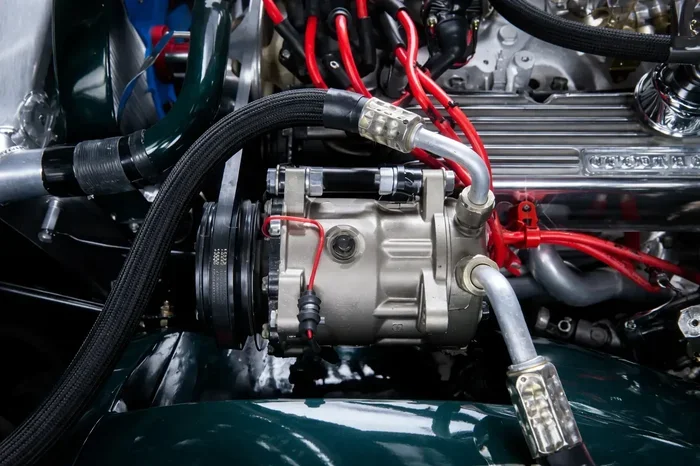
If you want to find the air conditioning compressor in your car, open the hood and look at the front of the engine. The compressor is typically mounted on the front or side of the engine block. It sits low, close to the crankshaft pulley area. A serpentine belt wraps around it, connecting the engine’s rotation to the compressor.
In most front-engine cars, you will find the compressor on the passenger side or the driver side, depending on the engine layout. It is usually near the bottom of the engine bay, making it accessible for belt changes and refrigerant line inspections. The compressor looks like a small metallic cylinder with a pulley on one end and two refrigerant lines coming out of the top.
Visual Guide to Finding the Compressor
Here is a step-by-step way to locate your compressor:
- Open the hood and secure it with the prop rod.
- Look for the serpentine belt. Follow it to the component that looks like a small pump with a pulley.
- You will see two metal tubes connected to the top of the compressor. One is the high-pressure line, and the other is the low-pressure line.
- The compressor clutch sits at the front of the unit, behind the pulley.
- There is usually a rubber mounting bracket holding the compressor in place.
Once you spot the serpentine belt, tracing it to the compressor is straightforward. The compressor is hard to miss because of its distinctive shape and the two refrigerant lines sticking out of it. If you have trouble, consult your vehicle’s service manual for a diagram showing the exact AC compressor location for your specific make and model.
Compressor Placement Across Different Vehicle Types
The exact position can vary depending on your vehicle type. Here is a quick comparison:
- Front-engine, front-wheel drive cars: The compressor sits on the side of the engine block, driven by the serpentine belt.
- Front-engine, rear-wheel drive cars: Similar placement, but sometimes slightly more centered due to the drivetrain layout.
- Mid-engine and rear-engine cars: The compressor may sit closer to the rear of the engine bay, but the basic setup remains the same.
- Trucks and SUVs: Larger compressors are common, and mounting brackets may differ slightly to accommodate bigger engines.
No matter the vehicle type, the core idea stays the same. The compressor is always near the front of the engine, driven by a belt, and connected to refrigerant lines. If you have ever wondered about how to connect a generator to your house without transfer switch, the concept of routing power through the right pathway is similar in spirit to how refrigerant routes through your car’s AC system.
Key Components of the AC Compressor System
The compressor does not work alone. Several parts work together with it to keep your car cool. Let us break down each component and explain its role.
The Compressor Body
This is the main housing of the unit. Inside, you will find pistons, valves, and rolling elements that compress the refrigerant. The compressor body is typically made of aluminum or cast iron, depending on the vehicle. It needs to withstand high pressure and constant vibration from the engine.
The Compressor Clutch
The clutch is the electromagnetic device that engages and disengages the compressor. When you turn on the AC, the clutch receives an electrical signal and pulls the compressor pulley into the compressor body. This starts the compression process. When you turn off the AC, the clutch releases, and the pulley spins freely.
A faulty clutch is one of the most common reasons for AC failure. If the clutch does not engage, the compressor cannot pressurize refrigerant. This results in warm air blowing from your vents.
The Serpentine Belt and Pulley
The serpentine belt is the lifeline of the compressor. It transfers rotational energy from the engine to the compressor pulley. Without a properly tensioned belt, the compressor will not spin. Over time, belts wear out, stretch, and crack. Regular inspection of the belt is a simple way to prevent unexpected AC failures.
Some vehicles use an electric compressor instead of a belt-driven one. These are becoming more common in hybrid and electric vehicles. They do not rely on a serpentine belt and instead draw power directly from the electrical system.
Refrigerant Lines
Two lines connect to the top of the compressor. The high-pressure line carries hot, pressurized refrigerant to the condenser. The low-pressure line draws cool, low-pressure refrigerant from the evaporator. These lines are made of metal and rubber, and they can develop leaks over time. Checking for oily residue around the fittings is a good way to spot a refrigerant leak.
The Mounting Bracket
The mounting bracket holds the compressor securely to the engine block. It absorbs vibration and keeps the unit aligned with the serpentine belt. A loose or broken bracket can cause the compressor to vibrate excessively, leading to premature wear or refrigerant line damage.
Common Signs Your AC Compressor Is Failing
Catching compressor problems early can save you from a costly AC compressor replacement. Here are the most common warning signs to watch for.
Warm Air from the Vents
This is the most obvious sign. If your AC blows warm or lukewarm air, the compressor may not be pressurizing refrigerant properly. It could be a clutch issue, a refrigerant leak, or internal compressor damage. Start by checking the refrigerant level, and then move on to inspecting the clutch and belt.
Strange Noises
Grinding, squealing, or clicking noises from the compressor area are never good. A grinding sound often means worn bearings inside the compressor. Squealing can indicate a slipping serpentine belt. Clicking might point to a failing clutch. Any unusual noise deserves immediate attention.
Visible Leaks
If you see oily spots or wet areas around the compressor or refrigerant lines, you likely have a leak. Refrigerant leaks not only reduce cooling performance but can also damage the compressor internally. Running the compressor low on refrigerant causes it to overheat and fail prematurely.
Compressor Clutch Not Engaging
When you turn on the AC, the clutch should engage with a slight click. If it does not, check the electrical connections first. A blown fuse, a faulty relay, or a low refrigerant charge can prevent the clutch from engaging. If the electrical system checks out, the compressor itself may need replacement.
Frequent Cycling
Your AC should run steadily when turned on. If it keeps turning on and off rapidly, this is called short cycling. It often points to a pressure switch issue or low refrigerant. The compressor works harder during short cycles, which wears it out faster.
AC Compressor Replacement Cost
If you need a new compressor, the cost typically ranges from $500 to $1,000 for parts and labor. The exact price depends on your vehicle make and model. Luxury vehicles and European cars tend to cost more. Some mechanics charge extra for refrigerant recovery and system evacuation, so always ask for a detailed estimate before authorizing the repair.
For those who also own a vehicle or RV with a generator for backup power, understanding the cost of mechanical components across systems is valuable. You can learn more about how much a Generac generator is installed if you are considering adding a backup power source to your home or vehicle setup.
How to Maintain Your AC Compressor
Prevention is always better than repair. A little maintenance goes a long way in keeping your car air conditioning system running smoothly. Here are some practical tips you can follow.
Run Your AC Regularly
Even in winter, run your AC for about 10 minutes once a week. This keeps the compressor lubricated and the seals moist. Seals that dry out can crack and leak refrigerant. Regular use also helps the system maintain proper pressure levels.
Check Refrigerant Levels
Low refrigerant is the number one killer of AC compressors. Have a professional check your refrigerant level at least once a year. If you notice the AC is not cooling as well as it used to, get it checked before the compressor suffers internal damage.
Inspect the Serpentine Belt
Look at the belt for cracks, glazing, or fraying. A worn belt can slip and cause the compressor to spin inconsistently. Replace the belt at the first sign of wear. Most serpentine belts last between 50,000 and 100,000 miles, but harsh driving conditions can shorten their lifespan.
Keep the Condenser Clean
The condenser sits in front of the radiator and can accumulate dirt, bugs, and debris. A dirty condenser restricts airflow, causing the system to work harder. This extra strain puts stress on the compressor. Rinsing the condenser with water during car washes is a simple way to keep it clear.
Address Leaks Immediately
Do not ignore small leaks. Even a slow leak can drain the refrigerant over time. Low refrigerant causes the compressor to overheat and fail. If you notice any oily residue or a drop in cooling performance, have a mechanic inspect the system right away.
Use the Right Refrigerant
Different vehicles use different types of refrigerant. Using the wrong type can damage the compressor and other components. Always check your owner’s manual or ask your mechanic before adding refrigerant to your system.
When to Call a Professional
While basic inspections are easy to do yourself, compressor repairs require specialized tools and knowledge. You need a refrigerant recovery machine, a vacuum pump, and gauges to properly service the system. Attempting complex repairs without the right equipment can cause further damage and void your warranty.
Call a professional if you experience any of the following:
- The compressor makes loud or unusual noises.
- The AC blows warm air even after a refrigerant recharge.
- You see refrigerant leaking from the compressor or lines.
- The clutch engages but the compressor does not spin.
- The AC system trips the pressure switch frequently.
A qualified mechanic can properly diagnose the issue and recommend the right fix. They can also handle refrigerant recovery and recycling, which is required by law in many areas. Trying to release refrigerant into the air is illegal and harmful to the environment.
If you are also researching power solutions for your home, you might want to explore how much a home generator costs. Having a reliable backup power plan complements your understanding of vehicle systems and keeps you prepared for any situation.
Conclusion
Knowing where the AC compressor in a car is located gives you a real advantage as a vehicle owner. It helps you understand your car better, spot problems early, and communicate effectively with your mechanic. The compressor sits in the front of the engine bay, driven by a serpentine belt, and connected to refrigerant lines that carry coolant through the entire system.
Regular maintenance is the best way to keep your compressor healthy. Run your AC year-round, check refrigerant levels, inspect the belt, and address leaks immediately. These simple habits can add years of life to your automotive AC system and save you from expensive repairs.
If you ever notice warm air, strange noises, or visible leaks, do not wait. Get the system checked as soon as possible. A small problem today can become a big repair tomorrow. Your car air conditioning system works hard for you every summer. Give it the attention it deserves, and it will keep you cool for miles to come.
Whether you are a hands-on DIYer or someone who prefers leaving repairs to the experts, understanding your compressor is always worthwhile. It is one of those components that you do not think about until it stops working. And when it does, you will be glad you took the time to learn about it.
Frequently Asked Questions
What happens if my car AC compressor fails while driving?
When the compressor fails, your AC will stop producing cold air. The compressor clutch may also stop spinning, which can sometimes cause the serpentine belt to slip or break. If the belt breaks, you may also lose power steering and other belt-driven accessories. It is best to pull over safely and have the vehicle towed to a repair shop.
Can I drive my car with a bad AC compressor?
Yes, you can still drive the car. A bad compressor only affects the air conditioning system. However, if the compressor locks up and seizes, it can damage the serpentine belt and potentially cause the engine to overheat if the belt drives the water pump. Get it repaired as soon as possible to avoid further damage.
How long does an AC compressor last in a car?
A well-maintained AC compressor typically lasts between 100,000 and 150,000 miles, or roughly 10 to 15 years. Driving habits, climate, and maintenance routines all affect its lifespan. Regular use and timely refrigerant recharges can significantly extend compressor life.
Is it worth replacing the AC compressor yourself?
Compressor replacement is not a beginner-level repair. It requires refrigerant recovery, system evacuation, and proper recharging with the correct refrigerant type. Without the right tools, you cannot do it safely or legally. It is best to leave this job to a professional mechanic who has the proper equipment and training.
Does running the AC in winter help the compressor?
Yes, running the AC in winter keeps the compressor lubricated and the seals from drying out. It also helps maintain proper refrigerant circulation throughout the system. Most manufacturers recommend running the AC for at least 10 minutes per week, regardless of the outside temperature.
What is the difference between a compressor clutch and the compressor itself?
The clutch is the electromagnetic component that engages and disengages the compressor. When you turn on the AC, the clutch pulls the compressor pulley into the compressor body to start the compression process. The compressor itself is the internal mechanism that actually pressurizes the refrigerant. A clutch can fail while the compressor is still good, and vice versa.
=== INTERNAL LINKS ===
For more information on related topics, check out these resources: