Find the Best Home Generator Installers for Your Needs
Finding the right home generator installers is the most important step in getting reliable backup power for your house. A licensed professional ensures your generator is safely connected, properly sized, and ready to kick in during a power outage. This guide covers everything you need to know about hiring the best installer, what the process looks like, and how to avoid costly mistakes.
Key Takeaways
- Understanding home generator installers: Provides essential knowledge
📑 Table of Contents
- Find the Best Home Generator Installers for Your Needs
- Why Professional Installation Matters
- How to Choose the Right Home Generator Installers
- What to Expect During the Installation Process
- Common Mistakes to Avoid When Hiring Installers
- How Much Does Generator Installation Cost?
- How Long Does the Installation Take?
- Benefits of Having a Professional Home Generator Installer
- How to Maintain Your Generator After Installation
- Key Takeaways
- Conclusion
Find the Best Home Generator Installers for Your Needs
Power outages can strike without warning. Storms knock down lines. Equipment fails. And suddenly, your home goes dark. A home generator solves this problem, but only if it is installed correctly. That is where home generator installers come in. These professionals handle everything from choosing the right unit to wiring it safely into your home’s electrical system. In this guide, we will walk you through how to find the best installer, what the process involves, and how to make sure you get the most value for your money.
Whether you need a standby generator for your entire house or a smaller portable generator for essential circuits, the installation matters. A bad setup can damage your appliances, void your warranty, or even create safety hazards. So let us dive into what you should look for in a pro and how to get the job done right.
Why Professional Installation Matters
Some homeowners try to save money by installing a generator themselves. This might seem like a smart move at first. But generator installation involves electrical wiring, gas connections, and local building codes. One mistake can lead to serious problems. Here is why hiring a professional makes all the difference.
Safety First
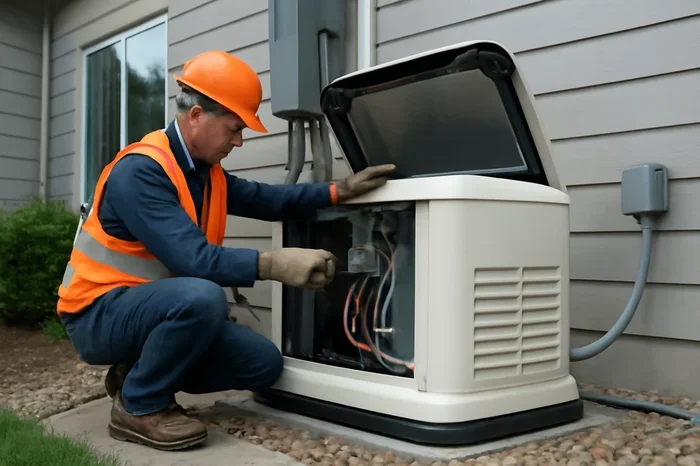
Generators produce electricity. When connected to your home, they interact with your electrical panel and wiring. A licensed home generator installer knows how to handle this safely. They ensure proper grounding, correct wiring, and safe fuel connections. This protects your family and your property from fire, electrical shock, or carbon monoxide risks.
Code Compliance
Every city and county has its own building codes. These rules govern how generators must be installed. A professional installer knows the local requirements inside and out. They pull the right permits, schedule inspections, and make sure everything passes. If you DIY the job, you might end up failing an inspection. That means fines and having to redo the work.
Warranty Protection
Most generator manufacturers require professional installation to keep the generator warranty valid. If you install it yourself and something goes wrong, the company may refuse to cover repairs. That could cost you thousands of dollars. A certified installer gives you peace of mind that your investment is protected.
How to Choose the Right Home Generator Installers
Not all installers are the same. Some are highly experienced and fully licensed. Others are new to the game and cutting corners. Here is how to tell the difference and pick the right pro for your project.
Check Licensing and Certifications
Always verify that your installer holds a valid license. In most states, electrical work requires a licensed electrician. Look for certifications from organizations like the Electrical Generating Systems Association (EGSA). These credentials prove the installer has passed rigorous training and testing.
Read Reviews and Ask for References
Online reviews tell you a lot about an installer’s reputation. Look for patterns in the feedback. Do customers consistently praise their punctuality and clean work? Or do complaints pile up about missed deadlines and poor communication? Also, do not be afraid to ask the company for references. A confident installer will gladly connect you with past clients.
Get Multiple Quotes
Prices for generator installation can vary widely. Get at least three detailed quotes from different companies. A thorough quote should include the cost of the unit, labor, materials, permits, and any additional electrical work needed. If a quote seems too good to be true, it probably is. Low prices often mean low-quality work or hidden fees.
Ask About Experience with Your Generator Brand
Different generator brands have different installation requirements. A installer who regularly works with Generac, Kohler, or Cummins will know the specifics. They will handle the setup faster and with fewer errors. Ask which brands they have experience with and how many units they have installed.
What to Expect During the Installation Process
Understanding the installation process helps you feel prepared and confident. Here is a step-by-step look at what a typical generator installation entails.
Step 1: Site Assessment
The installer starts by visiting your home. They evaluate the best location for the generator. They also check your electrical panel, gas supply, and ventilation. This assessment helps them determine if any upgrades are needed before the installation can begin.
Step 2: Equipment Selection and Sizing
Next, you and the installer will finalize the generator sizing. The right size depends on your power needs. A whole house generator typically runs between 20kW and 50kW. The installer will calculate your load requirements based on the circuits and appliances you want to keep running during an outage. They will also help you decide on the fuel type natural gas, propane, or diesel.
Step 3: Permits and Paperwork
Before any work begins, the installer handles the permitting process. They submit plans to your local building authority and pay the required fees. This step is essential for ensuring the installation meets all legal requirements.
Step 4: Physical Installation
On installation day, the crew arrives with the generator and all necessary materials. They place the unit on a concrete pad, connect the gas line, and wire it to your electrical panel through a transfer switch. The transfer switch is a critical component. It automatically switches your home’s power source from the grid to the generator during an outage and back again when power is restored.
Step 5: Testing and Inspection
Once the installation is complete, the installer runs a full test. They start the generator, verify the automatic startup works correctly, and check that all circuits are receiving power. In many areas, a local inspector will also visit to approve the work. After passing inspection, you are all set.
Step 6: Walkthrough and Handover
A reputable installer will walk you through the entire system. They explain how to operate the generator, what maintenance is needed, and how to troubleshoot basic issues. This handover ensures you feel comfortable and confident using your new backup power system.
Common Mistakes to Avoid When Hiring Installers
Even with the best intentions, homeowners sometimes make mistakes during the hiring process. Here are the most common ones and how to avoid them.
Choosing Based on Price Alone
The cheapest quote is not always the best deal. Low bids often cut corners on materials, skip permit fees, or use unlicensed labor. This leads to problems down the road. Always look at the full picture: experience, reputation, and the quality of materials used.
Skipping the Site Assessment
Some installers offer a flat price without visiting your home first. This is a red flag. Every installation is unique. Your home’s electrical setup, gas line location, and local codes all matter. A proper site assessment ensures an accurate quote and a smooth installation.
Ignoring Maintenance Requirements
Installing a generator is not a one-time event. Regular generator maintenance keeps the unit running reliably for years. Many homeowners forget about this after the excitement of installation wears off. Ask your installer about maintenance plans and schedule regular service appointments.
Not Planning for Fuel Supply
Generators need fuel to run. Natural gas is the most convenient option because it connects to your existing gas line. Propane requires a tank that needs periodic refilling. Diesel fuel has a shelf life and may not be ideal for standby setups. Choose your fuel type carefully based on your local availability and budget.
How Much Does Generator Installation Cost?
The generator cost for installation varies based on several factors. The size of the unit, the brand, the complexity of the electrical setup, and local labor rates all play a role. On average, homeowners spend between $4,000 and $15,000 for a full generator installation including the unit and labor.
A small portable generator with basic setup may cost as little as $500 to install. A large whole house generator with a premium brand and complex wiring can reach $20,000 or more. The transfer switch alone typically costs between $300 and $1,500 depending on the type and capacity.
Keep in mind that these are upfront costs. A properly installed generator can last 20 to 30 years with regular maintenance. When you factor in the value of never losing power during an outage, the investment pays for itself over time.
Cost Breakdown
Here is a rough idea of what goes into the total generator cost:
- Generator unit: $2,000 to $10,000 depending on size and brand
- Labor: $1,000 to $5,000 for professional installation
- Transfer switch: $300 to $1,500
- Permits and inspections: $100 to $500
- Electrical upgrades: $500 to $2,000 if your panel needs changes
- Gas line work: $200 to $1,000 if new connections are needed
Always ask for a detailed written quote before signing a contract. This protects you from surprise charges and gives you a clear picture of what you are paying for.
How Long Does the Installation Take?
A typical generator installation takes one to three days. The timeline depends on the complexity of the job. A straightforward setup with an existing gas line and a compatible electrical panel can be done in a single day. If the installer needs to upgrade your panel, run new gas lines, or do concrete work, expect the project to take longer.
After installation, you should schedule a follow-up check within the first month. This gives the installer a chance to verify everything is still running smoothly. It is also a great time to ask any questions about operation or maintenance.
Benefits of Having a Professional Home Generator Installer
Hiring a pro for your generator installation brings several advantages that go beyond just hooking up a machine.
- Piece of mind: You know the job was done safely and correctly.
- Time savings: Professionals finish the job faster than a DIY approach.
- Warranty coverage: Professional installation keeps your manufacturer warranty intact.
- Code compliance: No risk of failing inspections or facing fines.
- Long-term reliability: A proper setup means fewer breakdowns and repair calls.
The bottom line is simple. A home generator installer gives you a reliable backup power system that works when you need it most. Whether you are dealing with frequent storms or just want to be prepared for the next power outage, professional installation is the way to go.
How to Maintain Your Generator After Installation
Installation is only the beginning. Regular generator maintenance keeps your unit running at peak performance. Most manufacturers recommend a professional service check at least once a year. During these visits, the technician checks the fuel lines, tests the automatic startup system, inspects the transfer switch, and replaces worn parts.
Between professional services, there are a few things you can do yourself. Keep the area around the generator clear of debris and vegetation. Test the unit monthly by running it for 15 to 20 minutes. Check the fuel levels and oil regularly. These simple steps extend the life of your generator and ensure it is ready when an outage hits.
Many homeowners also connect their generator to essential household systems like the HVAC system. This keeps your home comfortable during extended outages. Just make sure your generator sizing accounts for the HVAC load. A professional installer can help you calculate this accurately.
If you want to learn more about how generators power different home systems, check out our guide on what powers a Generac home generator. Understanding your generator’s capabilities helps you make the most of your investment.
For tips on running your generator safely to your home and avoiding common setup errors, our article on how to run a generator to your house provides practical advice you can use right away.
Finally, if you are curious about the lifespan of your investment, we have a detailed breakdown on how long a whole house generator lasts and what factors affect its longevity.
Key Takeaways
- Hire a licensed professional: Always choose certified home generator installers with proven experience and proper credentials.
- Get multiple quotes: Compare at least three detailed estimates to ensure fair pricing and quality work.
- Verify code compliance: A professional installer handles permits and inspections so you stay on the right side of local laws.
- Prioritize safety and warranty: Correct installation protects your home, your family, and your generator warranty.
- Plan for ongoing maintenance: Regular service keeps your generator reliable for decades.
- Choose the right size and fuel type: Proper generator sizing and fuel selection are critical for performance and efficiency.
- Invest in a transfer switch: This component makes the difference between a generator that works seamlessly and one that creates hazards.
Conclusion
Finding the best home generator installers is one of the smartest investments you can make for your home. Power outages are unpredictable, but your preparation does not have to be. With the right professional, you get a safely installed, properly sized backup power system that keeps your lights on and your appliances running when the grid goes down.
Take the time to research your options. Check licenses, read reviews, and ask the right questions. Do not rush the decision. A quality installation today saves you from headaches, repair costs, and safety risks tomorrow. Your future self will thank you when the next storm hits and your home stays powered and comfortable.
Start your search for trusted home generator installers in your area today. The peace of mind you gain is well worth the effort.
Frequently Asked Questions
What should I look for in a home generator installer?
Look for a licensed and certified professional with solid reviews and experience installing your specific generator brand. Ask about their warranty policies, permits process, and whether they offer ongoing maintenance services. A reputable installer will provide detailed written quotes and walk you through every step of the process.
How long does generator installation typically take?
Most installations take one to three days depending on the complexity of the setup. A straightforward job with existing gas and electrical connections can be done in a single day. If upgrades are needed for your electrical panel or gas line, the timeline may extend to several days.
Can I install a generator myself to save money?
While it is technically possible, DIY installation is not recommended. Generator setup involves electrical wiring, gas connections, and local building codes that require professional knowledge. Incorrect installation can void your warranty, create safety hazards, and lead to costly repairs down the road.
What size generator do I need for my home?
The right size depends on your power needs. A small portable generator may handle essentials like lights and a refrigerator. A whole house generator typically ranges from 20kW to 50kW to power your entire home including heating and cooling systems. A professional installer can calculate your exact load requirements during the site assessment.
How much does it cost to install a home generator?
Total costs range from $4,000 to $15,000 on average for a full generator installation. The price depends on the generator size, brand, fuel type, and any additional electrical or gas work needed. Always get a detailed written quote that breaks down all costs before committing to an installer.
How often does a generator need maintenance after installation?
Most manufacturers recommend a professional service check at least once a year. Between service visits, you should test the generator monthly and check fuel and oil levels regularly. Consistent generator maintenance keeps the unit running reliably and extends its lifespan by many years.