Generac Propane Generator Reviews and Buying Guide 2024
The right Generac propane generator keeps your home running during outages. We reviewed the top models, compared costs, and shared expert buying tips. This guide covers everything from fuel efficiency to installation so you can make a confident choice.
Key Takeaways
- Propane is a clean, long-lasting fuel that stores well and burns cleaner than gasoline in Generac generators.
- Generac offers portable and standby propane models to fit different home sizes and power needs.
- Installation costs vary widely based on unit size, wiring, and whether you need a professional installer.
- Propane fuel efficiency is excellent compared to other generator fuels, especially for long outages.
- Regular maintenance keeps your generator running smoothly for many years of reliable backup power.
- Safety features like automatic transfer switches protect your home and family during generator use.
📑 Table of Contents
- Why a Generac Propane Generator Makes Sense for Your Home
- Top Generac Propane Generator Models in 2024
- How Much Does a Generac Propane Generator Cost?
- Propane vs Other Generator Fuels
- How to Choose the Right Size Generac Propane Generator
- Installing Your Generac Propane Generator
- Propane Generator Maintenance Tips
- Pros and Cons of Generac Propane Generators
- Final Thoughts: Is a Generac Propane Generator Right for You?
Why a Generac Propane Generator Makes Sense for Your Home
Power outages happen more often than most people think. Storms, grid failures, and equipment issues can leave you in the dark for hours or even days. A Generac propane generator gives you a reliable backup power source when you need it most.
Generac is one of the most trusted names in the generator world. They make units that are durable, efficient, and designed for real-world use. When you pair that with propane fuel, you get a generator that is clean-burning, easy to store fuel for, and simple to maintain.
Propane has some big advantages over gasoline. It has a longer shelf life, so you can store fuel for months without it going bad. It burns cleaner, which means less buildup inside your generator. And it is widely available at most gas stations and propane suppliers.
In this guide, we walk through the best Generac propane generator options, how they compare, what they cost, and how to pick the right one for your home. Whether you need a small portable unit or a whole-house standby system, we have you covered.
Top Generac Propane Generator Models in 2024
Generac offers several propane generator models. Each one is built for a different purpose and budget. Here are the standout options you should consider.
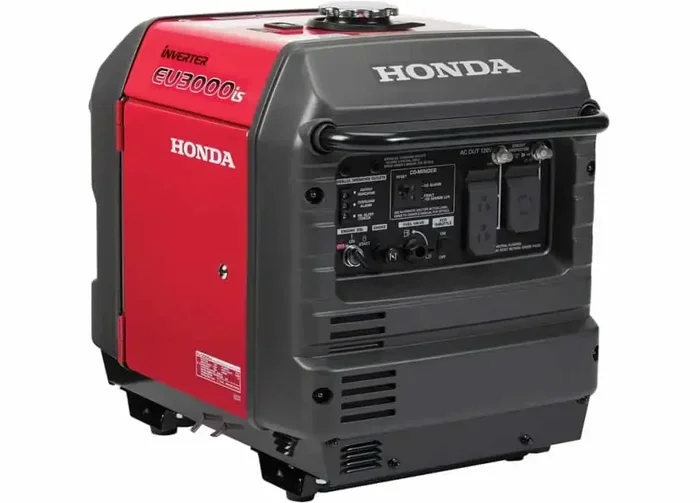
Generac GP Series Portable Propane Generators
The GP series is perfect for homeowners who want a lightweight, easy-to-move propane powered generator. These units typically run on 1 or 2 propane tanks and deliver enough power for essentials like lights, a fridge, and a few appliances.
Key features of the GP series include:
- Portability: Most models weigh under 100 pounds and have wheels for easy transport.
- Quiet operation: Many models run at 50-60 decibels, which is about as loud as a normal conversation.
- Propane compatibility: These units run on standard 20 or 30-pound propane tanks.
- Multiple outlets: You get several plug-in options for different devices and appliances.
Generac Guardian Standby Propane Generators
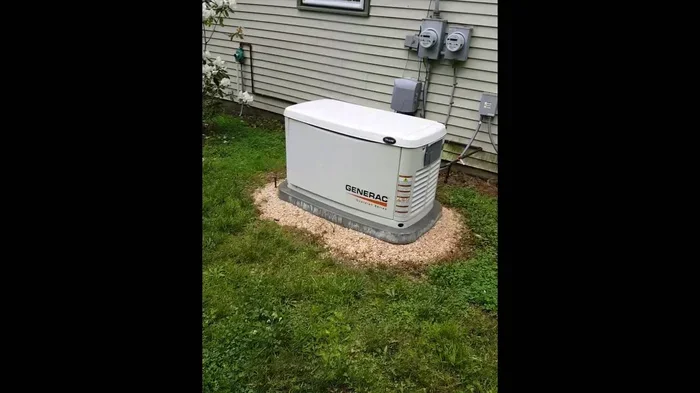
If you want a permanent backup power solution, the Guardian series is the way to go. These are whole-house standby generators that kick in automatically when the power goes out. They run on propane or natural gas and can power your entire home.
What makes the Guardian series special:
- Automatic operation: The generator detects a power outage and starts within seconds.
- High wattage: Models range from 7.5 kW to 24 kW, covering most home sizes.
- Propane or natural gas options: You can choose your fuel source based on what is available.
- Smart features: Many models include Wi-Fi monitoring and mobile app controls.
Generac Mobile Link and Smart-Enabled Models
Some newer Generac propane generators come with mobile link technology. This lets you monitor your generator from your phone. You can check fuel levels, run times, and power output from anywhere. It is a great feature for people who travel or want peace of mind when they are away from home.
How Much Does a Generac Propane Generator Cost?
Price is one of the biggest factors when buying a generator. Let us break down what you can expect to pay.
Portable Propane Generator Prices
Portable Generac propane generators typically cost between $800 and $2,500. The price depends on the wattage, features, and model size. Lower-wattage units cost less, while models with more outlets and smart features run higher.
Standby Propane Generator Prices
Standby generators are a bigger investment. A Generac propane standby generator usually costs between $3,000 and $8,000 for the unit alone. When you add installation, the total can range from $5,000 to $12,000 or more. The average cost of a Generac generator installed varies based on your location, electrical setup, and the size of the unit you choose.
What Affects the Total Cost?
Several factors influence the final price:
- Unit size: Larger generators cost more but power more of your home.
- Installation complexity: If your home needs new wiring or a gas line, costs go up.
- Fuel source: Propane setups may cost more upfront than natural gas connections.
- Add-ons: Things like transfer switches, monitoring systems, and extended warranties add to the price.
Propane vs Other Generator Fuels
Choosing the right fuel is one of the most important decisions. Here is how propane compares to other common generator fuels.
Propane vs Gasoline
Gasoline is the most common generator fuel, but it has downsides. Gasoline goes bad in just a few months, which means you need to rotate your fuel supply regularly. It also burns dirtier and produces more fumes.
Propane, on the other hand, stores indefinitely. You can keep a tank on hand for years without worrying about fuel degradation. It also burns cleaner, which is better for your generator and the environment.
Propane vs Natural Gas
Natural gas is another popular option for standby generators. It is convenient because it connects directly to your home’s gas line. But during a major storm or disaster, the natural gas supply can get interrupted. Propane tanks store fuel on your property, so you are not dependent on a utility line.
Propane vs Diesel
Diesel generators are very durable and fuel-efficient. But they are loud, heavy, and expensive. Diesel fuel also has a shorter shelf life than propane. For most homeowners, propane offers the best balance of cost, convenience, and cleanliness.
| Fuel Type | Shelf Life | Clean Burning | Storage | Cost |
|---|---|---|---|---|
| Propane | Indefinite | Yes | Tanks on-site | Moderate |
| Gasoline | 3-6 months | No | Fuel cans | Low |
| Natural Gas | N/A (pipeline) | Yes | Pipeline | Low |
| Diesel | 6-12 months | Moderate | Tanks | High |
How to Choose the Right Size Generac Propane Generator
Sizing your generator correctly is crucial. Too small, and you will not power everything you need. Too big, and you waste money on a unit you do not fully use.
Calculate Your Power Needs
Start by listing the essential items you want to run during an outage. Common essentials include:
- Refrigerator: About 700-1,000 watts to start, 100-200 watts running.
- Furnace blower: Around 400-600 watts.
- Lights: A few LED bulbs use 40-60 watts each.
- Phone and laptop charging: About 20-50 watts each.
- Well pump: Can use 1,000-2,000 watts to start.
Add up the running watts and the starting watts for the highest-draw appliance. That gives you your minimum generator size. A 20kW generator can typically handle a full house, while a 7-10kW unit works well for essentials only.
Quick Sizing Guide
- Small essentials only (fridge, lights, phone): 3,000-5,000 watts
- Partial home (fridge, furnace, some outlets): 7,000-10,000 watts
- Full home (most appliances, HVAC, well pump): 15,000-24,000 watts
How Long Can You Run a Propane Generator?
Runtime depends on the tank size and the load you are running. A standard 20-pound propane tank on a mid-size generator can run for about 8 to 12 hours at half load. If you want longer runtime, you can connect multiple tanks or use a larger bulk tank. For more details on fuel usage, check out this guide on how much propane a 20kw generator uses per hour.
Installing Your Generac Propane Generator
Proper installation is key to safety and performance. A Generac propane generator that is installed correctly will run better, last longer, and keep your family safe.
DIY vs Professional Installation
Portable propane generators are simple to set up. You just connect a propane tank, plug in your devices, and start the generator. No special skills are needed.
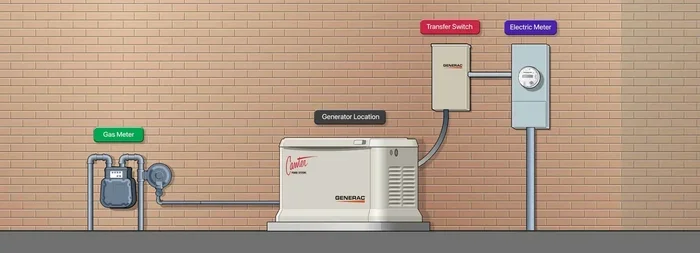
Standby generators, however, require professional installation. You need to connect the unit to your home’s electrical panel, install a propane gas line, and set up an automatic transfer switch. Hiring a licensed installer ensures everything is safe and code-compliant.
Steps for Standby Generator Installation
Here is what a typical installation looks like:
- Site preparation: The installer sets a concrete pad or base for the generator.
- Gas line connection: A propane line is run from your tank to the generator.
- Electrical wiring: The generator is wired to your home’s electrical panel through a transfer switch.
- Testing: The installer tests the unit to make sure it starts and powers correctly.
- Final inspection: Everything is checked for safety and code compliance.
Running Your Generator Safely to Your House
If you use a portable propane generator, you need to be careful about how you connect it to your home. Never plug a generator directly into a wall outlet. This is called backfeeding, and it is dangerous for you and utility workers. Instead, use a proper transfer switch or a power transfer kit. For a detailed walkthrough, see our guide on how to safely run a generator to your house.
Propane Generator Maintenance Tips
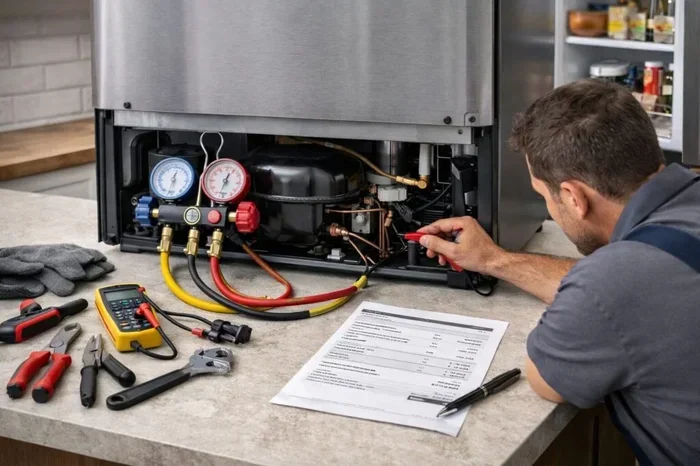
A well-maintained generator lasts longer and runs more efficiently. Here are simple tips to keep your Generac propane generator in top shape.
Regular Maintenance Checklist
- Check propane levels: Keep your tank full during storm season so you are ready for outages.
- Change the oil: Follow the manufacturer’s schedule, typically every 100-200 hours of use.
- Replace air filters: Dirty filters reduce efficiency and can damage the engine.
- Inspect spark plugs: Clean or replace them annually for reliable starts.
- Run the generator monthly: Even if there is no outage, run it for 15-30 minutes to keep everything in working order.
- Check for leaks: Inspect propane connections for any signs of gas leaks before each use.
How Long Can You Leave Propane in the Generator?
Propane does not degrade over time, so you can leave it in the tank for as long as you need. However, it is a good idea to run the generator periodically to prevent fuel system issues. If you are storing the generator for an extended period, turn off the propane supply and let the engine run dry. For more on fuel storage, read about how long you can leave gas in a generator safely.
Common Mistakes to Avoid
- Running the generator indoors: Propane generators produce carbon monoxide. Always use them outside in a well-ventilated area.
- Overloading the generator: Plugging in too many devices can trip the breaker or damage the unit.
- Skipping maintenance: Neglecting oil changes and filter replacements shortens the generator’s lifespan.
- Using old propane tanks: Make sure your tanks are inspected and certified for safe use.
Pros and Cons of Generac Propane Generators
Every generator has strengths and weaknesses. Here is an honest look at what you get with a Generac propane model.
Pros
- Clean burning: Propane produces fewer emissions than gasoline or diesel.
- Long fuel shelf life: Propane does not go bad, so you can store it for years.
- Wide availability: Propane is easy to find at most hardware stores and gas stations.
- Quiet operation: Many Generac propane models are designed for low noise.
- Reliable brand: Generac has a strong reputation for quality and durability.
- Versatile fuel options: Many models can switch between propane and natural gas.
Cons
- Higher upfront cost: Propane generators can cost more than gasoline models.
- Propane tank storage: You need space to store tanks safely.
- Lower energy density: Propane contains less energy per gallon than gasoline, so runtime per tank can be shorter.
- Installation requirements: Standby models need professional setup, which adds cost.
Final Thoughts: Is a Generac Propane Generator Right for You?
A Generac propane generator is an excellent choice for homeowners who want reliable backup power with clean, long-lasting fuel. Whether you choose a portable model for essentials or a standby system for whole-home coverage, Generac offers options that fit different budgets and needs.
Propane is one of the best fuel choices for generators. It stores safely, burns cleanly, and is widely available. When combined with Generac’s proven engineering, you get a power solution you can trust when the lights go out.
Take the time to assess your power needs, compare models, and budget for installation. The right generator gives you peace of mind knowing your family and home are protected no matter what.
Frequently Asked Questions
How long does a Generac propane generator last?
With proper maintenance, a Generac propane generator can last 20 to 30 years or more. Standby models are built for heavy use and long life. Regular oil changes, filter replacements, and annual inspections help maximize the lifespan of your unit.
Can I use a Generac propane generator indoors?
No. You must always use a propane generator outdoors in a well-ventilated area. Propane combustion produces carbon monoxide, which is deadly in enclosed spaces. Place the generator at least 20 feet from your home with the exhaust pointing away from windows and doors.
How much propane does a Generac generator use per hour?
Fuel usage depends on the load and generator size. A typical Generac propane generator uses about 2 to 3 pounds of propane per hour at 50% load. A 20-pound tank can run for 8 to 10 hours under moderate use. For exact numbers, check the specific model’s fuel consumption rating.
Do I need a transfer switch for a Generac propane generator?
Yes, if you want to connect the generator to your home’s electrical system, a transfer switch is essential. It safely disconnects your home from the utility grid and connects it to the generator. This prevents backfeeding and protects both your home and the power lines.
What size Generac propane generator do I need for a whole house?
Most homes need a 15 kW to 24 kW standby generator for whole-house coverage. The exact size depends on your HVAC system, well pump, and the number of appliances you want to run. A licensed electrician or Generac dealer can help you determine the right size for your home.
Is propane cheaper than gasoline for generators?
Propane is often comparable in price to gasoline, but it burns more cleanly and has a longer shelf life. Over time, the lower maintenance costs of propane generators can offset the fuel price difference. Plus, propane is less likely to cause engine buildup, which extends the life of your generator.