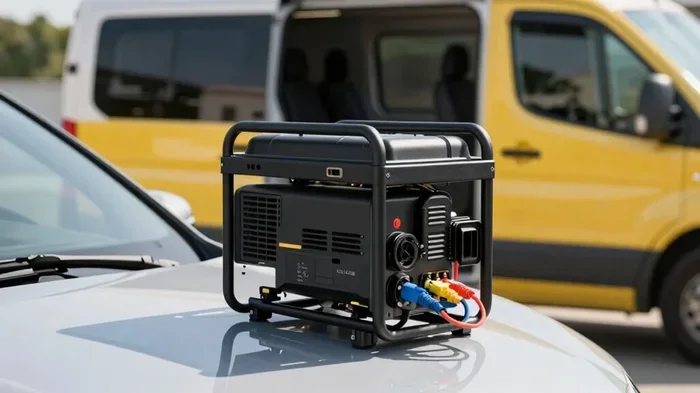
How to Choose the Best Car Generator for Your Needs
Choosing the right car generator can keep your devices running on the road or during emergencies. A car generator converts your vehicle’s power into usable electricity for appliances, tools, and electronics. This guide covers types, wattage needs, fuel options, and top features to help you make a confident choice.
A car generator is one of the most practical tools you can own. Whether you are camping, facing a power outage, or just need backup power on the road, a portable power source can save the day. But with so many options on the market, picking the right one feels overwhelming.
This guide breaks everything down in simple terms. You will learn about the different types of car generators, how to calculate your power needs, and which features actually matter. By the end, you will feel confident choosing the best car generator for your specific situation.
The right generator keeps your lights on, your phone charged, and your appliances running when you need them most. Let us walk through the process step by step.
Key Takeaways
- Know Your Power Needs: Calculate your wattage requirements before buying any car generator.
- Choose the Right Type: Inverter generators and portable power stations each serve different purposes.
- Fuel Matters: Gasoline, propane, and solar options all have trade-offs for runtime and convenience.
- Portability Counts: A lightweight, compact design makes it easier to move and store.
- Safety First: Always follow ventilation and load guidelines to prevent damage or injury.
- Check Compatibility: Make sure your car generator works with your vehicle and home setup.
📑 Table of Contents
- What Is a Car Generator?
- Why Do You Need a Car Generator?
- Types of Car Generators
- How to Calculate Your Power Needs
- Key Features to Look For
- Common Mistakes to Avoid
- How to Connect Your Car Generator to Your Home
- Cost Considerations
- Maintenance Tips for Your Car Generator
- Final Thoughts
- Frequently Asked Questions
What Is a Car Generator?
A car generator is a device that draws power from your vehicle to produce electricity. It works by converting mechanical energy from your car engine into electrical energy. This power can then run household appliances, electronics, and tools.
There are two main types of car generators. The first is a traditional fuel-powered generator that plugs into your vehicle. The second is a portable power station that runs on batteries and can be charged from your car outlet. Both serve the same purpose but work in different ways.
How Does a Car Generator Work?
A traditional car generator connects to your vehicle’s engine. The engine runs the generator, which produces AC power. Some models include a converter to turn AC power into DC power for sensitive electronics. The power output depends on the size of the generator and the fuel it uses.
Portable power stations work differently. They store energy in a built-in battery. You can charge them from your car, a wall outlet, or even solar panels. When you need power, you plug your devices directly into the station. This makes them quieter and safer for indoor use.
Why Do You Need a Car Generator?
There are many reasons to own a car generator. Power outages happen without warning. Storms, accidents, and grid failures can leave you without electricity for hours or even days. A reliable generator keeps your essentials running during these emergencies.
Campers and RV owners also benefit from a portable power source. You can run a microwave, charge laptops, and power lights while enjoying the outdoors. Road trippers find them useful too, especially when they need to keep coolers, phones, and GPS devices charged on long trips.
Some people use car generators for work purposes. Construction workers, photographers, and food truck operators all rely on portable power to keep their equipment running. The versatility of a car generator makes it a smart investment for many different lifestyles.
Types of Car Generators
Not all generators are the same. Understanding the different types helps you narrow down your options. Each type has its own strengths and weaknesses.
Inverter Generators
An inverter generator produces clean, stable power. It is ideal for sensitive electronics like laptops, phones, and TVs. Inverter generators are also known for being fuel-efficient and quiet. They adjust their engine speed based on the load, which saves fuel and reduces noise.
If you plan to use your generator near your home or in a campsite, an inverter model is a great choice. They are lighter than traditional generators and easier to carry around.
Portable Power Stations
Portable power stations are battery-powered units that store energy for later use. They do not produce fumes, so they are safe for indoor use. You can charge them from a car cigarette lighter, a wall outlet, or a solar panel.
These stations work well for short-term power needs. They are perfect for charging phones, running small appliances, and powering LED lights. However, they typically have lower wattage output than fuel-powered generators.
Traditional Fuel-Powered Generators
Traditional generators run on gasoline or propane. They produce more power than inverter models or battery stations. These are best for heavy-duty applications like running a refrigerator, power tools, or multiple appliances at once.
The downside is that they are louder and heavier. They also require proper ventilation because they emit exhaust fumes. If you need a lot of power on the go, a traditional fuel-powered generator is the way to go.
How to Calculate Your Power Needs
Before buying any generator, you need to know how much power you actually need. This step is crucial. Buying too small a unit means it will overload. Buying too large means you waste money.
Understanding Wattage
Every device you want to power has a wattage rating. Check the label or manual for each appliance. Add up the wattages to get your total power need. Remember to account for surge wattage as well. Some devices need extra power to start up, even if they run on less power afterward.
For example, a refrigerator might need 800 watts to run but 1,600 watts to start. A laptop uses about 60 watts. A phone charger uses around 10 watts. A small fan might use 50 watts. Add these up, and you get a clear picture of what you need.
Running Wattage vs. Surge Wattage
Running wattage is the continuous power a device needs to operate. Surge wattage is the extra power needed at startup. Your generator must handle both. Always check the surge rating before making a purchase.
A quick rule of thumb is to add up all your running watts and then add the highest surge wattage from any single device. This gives you a safe total to work with.
If you are unsure about your power needs, check out our guide on how many watt generator you need. It walks you through the calculations with real-world examples.
Key Features to Look For
Not all generators offer the same features. Some extras make a big difference in convenience and safety. Here are the key features to consider before you buy.
Fuel Type and Efficiency
The fuel type affects runtime, cost, and portability. Gasoline is the most common fuel. It is widely available and affordable. Propane burns cleaner and lasts longer in storage. Some generators run on dual fuel, giving you flexibility.
Fuel efficiency matters too. A fuel-efficient generator runs longer on the same tank. Look for models with an eco-mode that adjusts fuel consumption based on the load. This saves money and extends your runtime.
Portability and Weight
If you plan to move your generator often, portability matters. Look for models with built-in handles and wheels. Lightweight units are easier to transport, especially if you are hiking or camping.
Portable power stations are the lightest option. They typically weigh between 10 and 50 pounds. Traditional fuel generators can weigh 50 pounds or more. Consider where and how you will use your generator when choosing the size.
Noise Level
Nobody wants a generator that sounds like a jet engine. Noise level is measured in decibels. Inverter generators typically run at 50 to 65 decibels. Traditional generators can exceed 75 decibels.
If you are using your generator near neighbors or in a campground, a quieter model is essential. Check the noise rating before you buy. A quiet generator makes the experience much more pleasant for everyone.
Outlets and Ports
Make sure your generator has the right outlets for your devices. Look for standard AC outlets, USB ports, and DC outlets. Having multiple options means you can charge different devices at the same time.
Some models also offer USB-C ports for fast charging. This is a nice feature if you have newer phones or tablets. Check the number of outlets and their placement too. You want enough space to plug in everything without crowding.
Common Mistakes to Avoid
Buying a generator is a big decision. Avoid these common mistakes to save time, money, and frustration.
- Skipping the wattage calculation: Guessing your power needs often leads to buying the wrong size.
- Ignoring surge wattage: Many devices need extra power to start up. Forgetting this can trip your generator.
- Choosing based on price alone: The cheapest option is not always the best value. Look at features and runtime too.
- Neglecting ventilation: Fuel generators need fresh air to operate safely. Never use one indoors or in a closed garage.
- Overloading the generator: Plugging in too many devices can damage both the generator and your appliances.
- Forgetting maintenance: Regular oil changes and fuel stabilizers keep your generator running smoothly.
Avoiding these mistakes helps you get the most out of your investment. Take your time, do the math, and choose wisely.
How to Connect Your Car Generator to Your Home
Once you have your generator, you may want to connect it to your home. This lets you power essential circuits during an outage. The process requires some planning and the right equipment.
The safest method is to use a transfer switch. A transfer switch connects your generator to your home’s electrical panel. It prevents backfeeding, which can be dangerous for utility workers. If you want to learn more about the process, check out our article on how to connect a generator to your house.
For a simpler setup, you can plug devices directly into the generator using extension cords. This works well for a few essential items like a refrigerator, sump pump, or lights. Just make sure your cords are rated for the amperage your generator produces.
Some homeowners wonder about using a generator without a transfer switch. While it is possible in certain situations, it is not recommended for safety reasons. Always consult a licensed electrician if you are unsure about the setup.
Cost Considerations
The price of a car generator varies widely. Portable power stations can cost anywhere from $100 to $2,000. Traditional fuel generators range from $300 to $3,000 or more. Your budget depends on the power output, features, and brand you choose.
Think of your generator as an investment. A higher-quality unit may cost more upfront but lasts longer and performs better. Consider the runtime, fuel efficiency, and warranty when comparing prices. A reliable generator pays for itself the first time you need it during a blackout.
If you are curious about the average cost of a home generator setup, our article on how much a generator costs for a house provides detailed pricing information.
Maintenance Tips for Your Car Generator
A well-maintained generator lasts longer and performs better. Follow these simple tips to keep your unit in top shape.
- Change the oil regularly. Most generators need an oil change after the first 20 hours of use, then every 100 hours after that.
- Use fuel stabilizer. If you store your generator for long periods, add stabilizer to prevent the fuel from going bad.
- Run the generator monthly. Even if you do not need it, run it for 15 minutes each month to keep the engine in good condition.
- Check the air filter. A dirty air filter reduces performance. Clean or replace it as needed.
- Store it properly. Keep your generator in a dry, cool place. Cover it to protect it from dust and moisture.
These small steps make a big difference over time. A little maintenance goes a long way toward extending the life of your generator.
Final Thoughts
Choosing the best car generator comes down to understanding your needs. Know your power requirements, compare the different types, and focus on the features that matter most to you. Whether you need a quiet inverter for camping or a powerful fuel generator for emergency backup, there is a perfect option out there.
Take your time researching. Read reviews, compare models, and do not rush the decision. A good generator gives you peace of mind and keeps your family comfortable when the power goes out. With the right choice, you are always prepared for whatever comes next.
Start by calculating your wattage needs today. Then explore the options that fit your budget and lifestyle. The best car generator is the one that meets your specific requirements and delivers reliable power whenever you need it.
Frequently Asked Questions
What size car generator do I need for a house?
The size depends on which appliances you want to run. A basic setup for lights, a refrigerator, and a phone charger needs about 3,000 to 5,000 watts. For a full house, you may need 7,000 to 10,000 watts. Check out our guide on how many watts to run a house for a detailed breakdown.
Can I run a car generator indoors?
No. Fuel-powered generators produce carbon monoxide, which is deadly. Always use them outdoors in a well-ventilated area. Portable power stations, however, are safe for indoor use since they do not emit fumes.
How long can a car generator run on a full tank?
Runtime varies by model and load. Most portable generators run 8 to 12 hours on a full tank. Inverter models often last longer due to their fuel-efficient engines. Check the manufacturer’s specifications for exact numbers.
Is a car generator the same as a portable generator?
Not exactly. A car generator typically draws power from your vehicle’s engine or battery. A portable generator is a standalone unit with its own fuel source. Both provide mobile power, but they work differently and serve different needs.
Do I need a transfer switch for my generator?
A transfer switch is the safest way to connect a generator to your home. It prevents backfeeding and protects your electrical system. While it is possible to use extension cords without one, a transfer switch is strongly recommended for safety.
What is the difference between a generator and an inverter?
A traditional generator produces raw AC power. An inverter generator converts AC power to DC and then back to clean AC power. This makes inverter generators safer for sensitive electronics. If you want to learn more, read our article on the difference between a generator and an inverter.