Best Home Standby Generator Reviews and Buying Guide
Choosing the best home standby generator means understanding your power needs, fuel options, and budget. Our detailed reviews and buying guide walk you through everything from wattage calculations to installation tips. You will learn which top-rated models deliver reliable backup power and how to avoid costly mistakes. This guide covers cost, runtime, and real-world performance so you can buy with confidence.
Power outages are more common than most people think. Storms, grid failures, and equipment malfunctions can knock out electricity for hours or even days. A best home standby generator keeps your lights on, your fridge running, and your family safe when the grid goes down.
But with so many options on the market, picking the right one feels overwhelming. Size matters. Fuel type matters. Brand reputation matters. And of course, price matters too. This guide breaks it all down in plain language. You will learn what to look for, which models stand out, and how to avoid common buying mistakes.
We have tested and reviewed dozens of standby generators. Our goal is simple: help you find the best home standby generator that fits your home, your budget, and your power needs. No fluff. No jargon. Just honest, practical advice you can use right away.
Key Takeaways
- Match your generator size to your actual power needs: A proper wattage calculation prevents overspending and underperformance.
- Standby generators run on natural gas or propane: Each fuel type has distinct advantages for home use.
- Installation and maintenance matter just as much as the unit itself: Professional setup and regular upkeep ensure long-term reliability.
- Cost varies widely: Expect to pay between $2,000 and $15,000+ depending on size and features.
- Top brands like Generac, Kohler, and Briggs & Stratton lead the market: They offer strong warranties and proven performance.
- An automatic transfer switch is essential: It seamlessly switches your home to backup power during an outage.
📑 Table of Contents
- What Makes a Home Standby Generator Worth Buying?
- How to Size the Best Home Standby Generator for Your Needs
- Fuel Types: Natural Gas vs. Propane for Standby Generators
- Top Brands and Models for the Best Home Standby Generator
- How Much Does a Home Standby Generator Cost?
- Installation and Maintenance Tips for Long-Lasting Performance
- Common Mistakes to Avoid When Buying a Standby Generator
- How Long Does a Whole House Generator Last?
- Final Thoughts: Finding the Best Home Standby Generator for Your Home
What Makes a Home Standby Generator Worth Buying?
A standby generator is not the same as a portable unit. It sits outside your home permanently and kicks on automatically when power drops. This means zero downtime. You do not need to run extension cords or manually start anything.
Here is what separates a great standby generator from a mediocre one:
- Automatic transfer switch (ATS): This device detects power loss and starts the generator within seconds. It then routes power directly to your home’s electrical panel.
- Sufficient wattage capacity: The generator must handle your essential loads. Too little power means some appliances will not run. Too much means wasted money.
- Reliable fuel source: Most home standby generators run on natural gas or liquid propane. Some models support both.
- Durable build quality: A solid frame, quality engine, and weather-resistant enclosure ensure the unit lasts for years.
- Noise level: Nobody wants a generator that sounds like a jet engine. Modern standby units are much quieter than older models.
- Warranty and support: A strong warranty shows the manufacturer stands behind their product. Look for at least a 5-year limited warranty.
Why Whole-House Power Backup Matters
When the power goes out, the first thing most people notice is the refrigerator stopping. Food spoils within hours. Then the sump pump fails, which can cause basement flooding in rainy areas. Heating or cooling systems shut down too, which is dangerous in extreme weather.
A whole-house standby generator solves all of these problems at once. It keeps your HVAC system, water heater, well pump, and kitchen appliances running. Some homeowners even run their entire electrical load from a single standby unit. The key is choosing the right generator size for your home.
How to Size the Best Home Standby Generator for Your Needs
Sizing is the single most important step in the buying process. Get it wrong and you either waste money or face shortfalls during an outage. Here is how to do it right.
Step 1: List Your Essential Appliances
Start by writing down everything you need to keep running during a power outage. Common essentials include:
- Refrigerator and freezer
- Heating or cooling system
- Water pump
- Well pump
- Lights (a few rooms)
- Wi-Fi router and modem
- Microwave
- Medical equipment (if applicable)
Step 2: Calculate Total Wattage
Every appliance has a wattage rating. Check the label or the owner’s manual. Add up the running watts for all essential items. Then add the starting watts for any motor-driven appliances like refrigerators and air conditioners. Starting watts are typically two to three times the running watts.
For most homes, a best home standby generator in the 12,000 to 24,000-watt range handles essential loads comfortably. Larger homes with central air conditioning and electric water heaters may need 30,000 watts or more.
Step 3: Match the Generator to Your Load
Once you know your total wattage need, choose a generator that meets or slightly exceeds that number. It is always better to have a little extra capacity than to run a generator at full tilt constantly. Running at full load reduces lifespan and increases fuel consumption.
If you are unsure about your calculations, a licensed electrician can perform a load analysis. This is a quick and often affordable service that takes the guesswork out of sizing.
Fuel Types: Natural Gas vs. Propane for Standby Generators
Your fuel choice affects runtime, cost, and convenience. Here is a closer look at each option.
Natural Gas
Natural gas connects directly to your home’s gas line. This means unlimited runtime as long as the utility grid is operational. You never need to refill a tank. Natural gas is also typically cheaper than propane in most regions.
The downside is that during widespread outages, natural gas supply can sometimes be interrupted. However, this is rare in most urban and suburban areas. Natural gas generators also tend to produce slightly less power per BTU compared to propane.
Liquid Propane (LP)
Propane offers several advantages. It burns clean and produces more energy per gallon than natural gas. Propane tanks can be stored on your property, so you are not dependent on utility delivery during an emergency.
The trade-off is that propane tanks need to be refilled periodically. A 500-gallon tank can power a standby generator for several days continuously. You will need to monitor fuel levels and arrange refills, especially during extended outages.
Dual-Fuel Models
Some modern standby generators support both natural gas and propane. This gives you flexibility and a backup fuel source. Dual-fuel models are a great option if you want the best of both worlds. They do cost a bit more upfront but offer excellent versatility.
Top Brands and Models for the Best Home Standby Generator
Not all standby generators are created equal. Some brands have built strong reputations for reliability, customer service, and performance. Here are the top names to consider.
Generac
Generac dominates the home standby generator market for good reason. Their units are reliable, widely available, and backed by strong dealer networks. Generac offers a range of sizes from 10 kW to 24 kW, making them suitable for most homes. The brand also provides excellent generator warranty coverage and a robust ecosystem of accessories.
Generac models are known for their quiet operation and smart features like mobile app monitoring. If you want a proven brand with easy service availability, Generac is a top choice.
Kohler
Kohler has been building engines and generators for over a century. Their standby generators are built like tanks and designed for heavy-duty use. Kohler units often come with longer warranties and commercial-grade components.
The downside is price. Kohler generators tend to cost more than competing brands. But many homeowners feel the extra investment is worth the durability and peace of mind. If you want a generator that lasts decades, Kohler deserves serious consideration.
Briggs & Stratton
Briggs & Stratton offers a solid middle ground between price and quality. Their standby generators are well-built and competitively priced. The brand is known for reliable engines and straightforward operation.
Briggs & Stratton models are a good fit for homeowners who want dependable performance without paying a premium. They are widely available and easy to service through local dealers.
Champion Power Equipment
Champion has gained popularity by offering strong value. Their standby generators deliver solid performance at lower price points. Champion models are a great choice for budget-conscious homeowners who still want reliable backup power.
The brand has improved its warranty and support network in recent years, making it a more compelling option than it was a few years ago.
How Much Does a Home Standby Generator Cost?
Price is always a factor when buying a standby generator. The cost depends on size, brand, fuel type, and installation complexity. Here is a general breakdown.
| Generator Size | Unit Cost (USD) | Installation Cost (USD) | Total Estimate |
|---|---|---|---|
| 10-12 kW | $2,000 – $3,500 | $1,500 – $3,000 | $3,500 – $6,500 |
| 14-16 kW | $3,500 – $5,500 | $1,500 – $3,500 | $5,000 – $9,000 |
| 20-22 kW | $5,500 – $8,500 | $2,000 – $4,000 | $7,500 – $12,500 |
| 24-30 kW | $8,500 – $15,000+ | $2,500 – $5,000 | $11,000 – $20,000+ |
These are national averages. Your actual cost will depend on your location, local permitting requirements, and the complexity of your electrical setup. Always get at least three quotes from licensed installers before committing.
If you want a detailed breakdown of costs, check out our guide on how much a standby generator costs for a deeper dive into pricing factors.
Financing and Incentives
Many manufacturers and dealers offer financing options. Some also provide rebates or incentives for energy-efficient models. Check with your local utility company too. Several providers offer rebates for installing standby generators, especially those that support grid stability programs.
Installation and Maintenance Tips for Long-Lasting Performance
A standby generator is only as good as its installation and upkeep. Proper setup ensures safe, efficient operation for years to come.
Professional Installation Is a Must
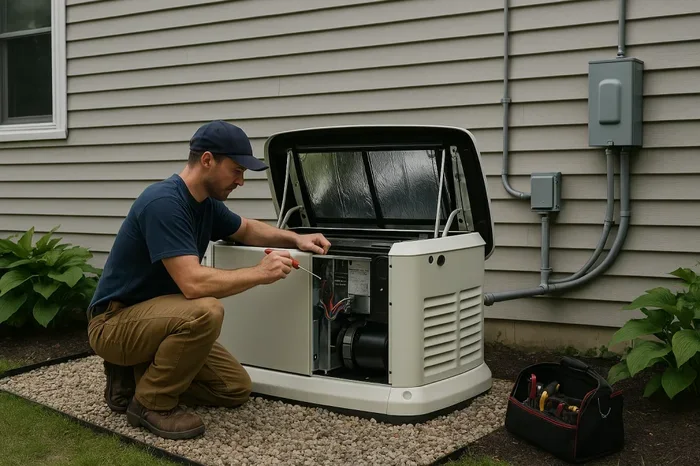
Do not attempt to install a standby generator yourself unless you are a licensed professional. The unit requires proper electrical connections, gas line hookups, and compliance with local building codes. A poor installation can damage your home’s electrical system or create safety hazards.
Always hire a certified installer who has experience with standby generators. They will handle permits, inspections, and all the technical details. A professional installation typically takes one to two days.
Regular Maintenance Keeps It Running
Standby generators need routine maintenance just like any other major appliance. Here is a simple maintenance schedule:
- Monthly: Run the generator for 30 minutes under load. This keeps the engine exercised and identifies issues early.
- Every 6 months: Check oil levels, air filters, and spark plugs. Replace any worn components.
- Annually: Schedule a professional tune-up. A technician will inspect the fuel system, battery, transfer switch, and control board.
- Every 2-3 years: Replace the battery and perform a major service inspection.
Regular maintenance extends the life of your generator significantly. A well-maintained unit can run for 20 to 30 years or more. Neglected generators often fail when you need them most.
Winterization and Weather Protection
Cold weather can be tough on standby generators. If you live in a cold climate, consider a cold-weather kit that includes a block heater and insulated enclosure. Keep the unit clear of snow and ice at all times.
Your generator should sit on a level concrete pad with proper drainage. Standing water can cause corrosion and electrical problems. If your unit is in an exposed area, a generator enclosure can protect it from the elements while maintaining proper ventilation.
Common Mistakes to Avoid When Buying a Standby Generator
Even savvy homeowners make mistakes when purchasing a standby generator. Here are the most common pitfalls and how to avoid them.
Undersizing the Generator
The biggest mistake is buying a unit that is too small. An undersized generator will struggle to start motor-driven appliances and may trip the overload breaker. Always size based on your actual load needs, not your budget constraints.
Ignoring the Transfer Switch
The automatic transfer switch is the brain of your standby system. A cheap or poorly sized transfer switch can cause voltage fluctuations and damage your electronics. Invest in a quality ATS that matches your generator’s output.
Skipping Professional Installation
DIY installation saves money upfront but creates serious risks. Improper wiring can cause fires. Incorrect gas connections can lead to leaks. Always use a licensed professional.
Forgetting About Fuel Supply
During extended outages, your fuel supply matters. If you run on propane, make sure your tank is large enough or has a refill plan. If you rely on natural gas, confirm your utility provider’s backup supply procedures.
For more information on running a generator safely to your house, check out our guide on how to run a generator to your house and what size generator you need to run a furnace and refrigerator.
How Long Does a Whole House Generator Last?
Durability is a top concern for homeowners investing in standby power. The good news is that modern standby generators are built to last a long time. Most quality units have a lifespan of 20 to 30 years with proper maintenance.
The engine hours matter more than the calendar years. A standby generator that runs 100 hours per year will last much longer than one that runs 500 hours per year. This is why sizing correctly is so important. An oversized generator runs less frequently and experiences less wear.
If you want to learn more about generator lifespan, read our detailed guide on how long a whole house generator lasts. It covers everything from engine hours to replacement timelines.
What Powers a Home Standby Generator?
A standby generator powers your entire home or selected circuits depending on your setup and the unit’s capacity. Most homeowners use their standby generator to keep essential systems running, including lighting, HVAC, kitchen appliances, and electronics. If you want a detailed breakdown of what a standby generator can power in your home, check out our article on what powers a Generac home generator for specific wattage requirements of common household appliances.
The key is understanding your generator’s wattage output and matching it to your household’s electrical demands. A properly sized unit handles the essentials with ease and may even support some non-essential loads during an outage.
Final Thoughts: Finding the Best Home Standby Generator for Your Home
Finding the best home standby generator comes down to understanding your needs, doing your research, and working with trusted professionals. There is no single perfect generator for every home. The right unit for you depends on your house size, power requirements, budget, and local fuel availability.
Start by calculating your essential load. Then choose a reputable brand with strong reviews and a solid warranty. Invest in professional installation and commit to a regular maintenance schedule. These steps will ensure your standby generator delivers reliable power for decades.
Power outages are inevitable. But with the right standby generator, they do not have to be stressful. You will stay comfortable, safe, and connected no matter how long the grid is down. Take the time to make a smart choice now, and you will be glad you did when the next storm hits.
For more information on standby generator costs, visit our guide on how much does a standby generator cost. And if you want to understand fuel consumption, check out our article on how much propane a 20kW generator uses per hour.
Frequently Asked Questions
What is the best home standby generator for most families?
The best home standby generator depends on your household size and power needs. For most families, a 16 to 22 kW unit from brands like Generac or Kohler provides reliable backup power for essential and some non-essential loads. Consider your total wattage needs before deciding.
How long can a standby generator run continuously?
A standby generator can run continuously as long as it has fuel. Natural gas models can run indefinitely if the utility supply remains stable. Propane models depend on tank size, with a 500-gallon tank typically providing 5 to 7 days of continuous operation at moderate load.
Is it worth installing a whole-house standby generator?
Yes, for homeowners in areas prone to frequent outages, a whole-house standby generator is absolutely worth it. It provides automatic, seamless backup power that protects your home, appliances, and family comfort. The investment pays for itself by preventing food spoilage, pipe freezing, and other outage-related damage.
What is the difference between a portable generator and a standby generator?
A portable generator is temporary, manual, and typically runs on gasoline. A standby generator is a permanent installation that turns on automatically during power loss. Standby generators are more powerful, more convenient, and far more reliable for whole-home backup.
Do standby generators require a lot of maintenance?
Not really. Standby generators need basic maintenance like oil changes, filter replacements, and periodic test runs. An annual professional inspection keeps everything running smoothly. Compared to the cost of replacing spoiled food or dealing with frozen pipes, the maintenance effort is minimal.
Can I install a standby generator myself?
While it is technically possible, professional installation is strongly recommended. Standby generators involve electrical wiring, gas line connections, and local code compliance. Improper installation can void your warranty and create serious safety hazards like fire or carbon monoxide exposure.