Starter Generator Complete Buying Guide For Beginners
A starter generator makes powering your home or tools simple and reliable. This complete buying guide covers everything beginners need to know, from how starter generators work to choosing the right size, type, and brand. You will learn practical tips, common mistakes to avoid, and expert maintenance advice that saves you time and money.
A starter generator is one of the most practical tools you can own. Whether you need backup power during outages or a reliable energy source for job sites, a starter generator delivers convenience and peace of mind. Unlike traditional generators that require pull-start cords, a starter generator uses an electric start mechanism. This simple difference makes a huge impact on user experience.
Many beginners feel overwhelmed when shopping for a generator. There are so many brands, sizes, and fuel types to consider. That is exactly why we created this guide. By the end, you will understand everything you need to make a confident purchase. We will walk you through how starter generators work, the different types available, and how to pick the best one for your specific needs.
Our goal is to give you clear, actionable advice without the confusing jargon. You deserve straightforward answers. So let us dive right in and explore the world of starter generators together.
Key Takeaways
- Starter generators are easy to use: They offer electric start features that make operation simple for beginners and experts alike.
- Size matters: Choosing the right wattage and fuel type ensures your generator meets your power needs efficiently.
- Maintenance extends lifespan: Regular oil changes, filter checks, and proper fuel storage keep your generator running smoothly for years.
- Safety first: Always follow generator safety guidelines, including proper ventilation and grounding, to prevent accidents.
- Compare before you buy: Consider brand reputation, warranty, runtime, and noise level when selecting your starter generator.
- Fuel efficiency saves money: Choosing a fuel-efficient model reduces long-term operating costs and environmental impact.
📑 Table of Contents
- What Is a Starter Generator and Why Do You Need One?
- How Does a Starter Generator Work?
- Types of Starter Generators Available
- How to Choose the Right Starter Generator for Your Needs
- Benefits and Maintenance Tips for Starter Generators
- Starter Generator vs Traditional Generator: Which Is Better?
- Final Thoughts on Choosing Your Starter Generator
What Is a Starter Generator and Why Do You Need One?
A starter generator is a portable or home generator equipped with an electric starting system. Instead of pulling a recoil cord like older models, you simply press a button or turn a key. This feature makes starter generators incredibly user-friendly. They are perfect for people who want reliable power without the physical effort of manual starting.
You might wonder why a starter generator matters. Think about emergency situations. When the power goes out during a storm, the last thing you want is to struggle with a stubborn pull cord. A starter generator starts immediately. This quick response can make all the difference when you need power the most.
Starter generators also appeal to people who use them regularly. Construction workers, campers, and homeowners who run essential appliances all benefit from the ease of electric starting. The convenience factor alone makes them worth considering.
Who Should Buy a Starter Generator?
Almost anyone can benefit from a starter generator. Here are some common use cases:
- Homeowners: Keep your refrigerator, furnace, and lights running during power outages.
- Campers and RV users: Enjoy electric power in remote locations without manual effort.
- Construction professionals: Power tools on site with quick, reliable starts.
- Farmers and rural property owners: Run equipment and maintain operations during grid failures.
- Event organizers: Provide temporary power for outdoor gatherings and weddings.
If any of these scenarios sound familiar, a starter generator is a smart investment. The electric start feature removes a major barrier to entry. You do not need to be mechanically inclined to operate one.
How Does a Starter Generator Work?
Understanding how a starter generator works helps you appreciate its value. The electric start system replaces the traditional pull cord. Inside the generator, a small battery powers a starter motor. When you press the start button, the starter motor engages the engine. The engine ignites and begins producing electricity.
This process is similar to starting a car. You turn a key or press a button, and the engine fires up. No pulling, no straining, no frustration. It is a simple yet effective design that has made generators accessible to a wider audience.
Key Components of a Starter Generator
Every starter generator has several important parts that work together:
- Engine: The engine burns fuel to create mechanical energy. Most starter generators use gasoline, propane, or diesel engines.
- Starter motor: This small motor cranks the engine when you press the start button.
- Battery: The battery powers the starter motor and other electrical components.
- Alternator: The alternator converts mechanical energy into electrical energy that powers your devices.
- Fuel tank: Stores the fuel that powers the engine. Tank size affects runtime.
- Control panel: Houses the start button, voltage display, and outlet ports.
Each component plays a vital role. When one part fails, the whole system suffers. That is why regular maintenance matters so much. Keeping these parts in good condition ensures your generator starts every time you need it.
For those wondering about powering an entire home, you might want to check what size generator to run furnace and refrigerator before making a purchase decision.
Types of Starter Generators Available
Not all starter generators are the same. Different types serve different purposes. Understanding the options helps you choose the right one for your situation.
Portable Starter Generators
Portable starter generators are the most popular choice for beginners. They are lightweight, easy to move, and perfect for temporary power needs. Most portable models weigh between 40 and 100 pounds. You can carry them to a campsite or wheel them to a job site with ease.
These generators typically produce between 1,000 and 7,500 watts. Smaller models can power a few lights and a phone charger. Larger portable units can run a refrigerator, sump pump, or power tools. The flexibility of portable starter generators makes them ideal for versatile use.
Home Standby Starter Generators
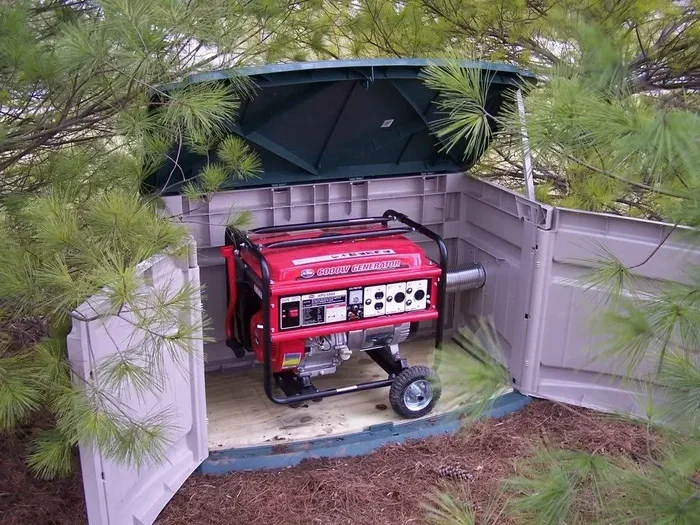
Home standby starter generators are permanently installed outside your house. They connect directly to your electrical panel and activate automatically during power outages. These units are much larger than portable models, often producing 7,000 to 24,000 watts or more.
Standby generators run on natural gas or propane. They eliminate the need to refuel manually. When the grid goes down, the generator detects the outage and starts within seconds. This automatic operation is a huge advantage for homeowners who want seamless backup power.
However, standby generators come with a higher price tag. Installation costs can be significant. You also need to consider how long does a whole house generator last before committing to this type of system. The long-term investment pays off for homes in areas prone to frequent outages.
Inverter Starter Generators
Inverter starter generators represent the most advanced option. They produce clean, stable power suitable for sensitive electronics like laptops and televisions. Unlike conventional generators, inverter models adjust engine speed based on the load. This means quieter operation and better fuel efficiency.
Inverter starter generators are typically more expensive. But the benefits in noise reduction and power quality make them worth it for many users. They are especially popular among campers and RV owners who need quiet, reliable power.
How to Choose the Right Starter Generator for Your Needs
Choosing the right starter generator requires careful consideration. Several factors influence your decision. Let us break them down so you can shop with confidence.
Determine Your Power Needs
The first step is figuring out how much power you actually need. Make a list of the appliances and tools you plan to run. Add up their wattage requirements. This gives you a baseline for generator size.
As a general rule, always choose a generator with more capacity than you think you need. A generator sizing buffer prevents overload and protects your equipment. If you are unsure about what powers a generac home generator or any brand, check the manufacturer’s wattage guide for reference.
Consider Fuel Type
Starter generators run on different fuel types, each with pros and cons:
- Gasoline: Widely available and affordable. Best for portable and smaller units.
- Propane: Burns cleaner and has a longer shelf life. Popular for standby models.
- Natural gas: Convenient for home standby generators with existing gas lines.
- Diesel: More fuel-efficient and durable. Common for larger industrial units.
- Dual fuel: Offers flexibility to switch between gasoline and propane.
Think about fuel availability in your area. Also consider how long can you leave gas in a generator, since stale fuel causes starting problems. Gasoline typically degrades within 30 days, while propane stores indefinitely.
Evaluate Runtime and Fuel Efficiency
Runtime tells you how long a generator runs on a full tank. For backup power, longer runtime means less refueling during an outage. Look for models that offer at least 8 to 12 hours of runtime at half load.
Fuel efficiency is equally important. A fuel-efficient starter generator saves you money on gas and reduces trips to the store. Inverter models tend to be the most fuel-efficient because they adjust engine speed to match demand.
Check Noise Levels
Nobody wants a generator that sounds like a jet engine. Noise level is measured in decibels (dB). Most portable generators produce between 50 and 80 dB. Inverter models are the quietest, often operating at 50 to 65 dB.
If you plan to use your generator in a residential area or campground, choose a quieter model. Your neighbors will thank you, and you will enjoy a more pleasant experience.
Look at Warranty and Brand Reputation
A strong warranty gives you peace of mind. Reputable brands like Generac, Honda, Yamaha, and Champion offer solid warranty coverage. Before buying, research what the average cost of a generac generator is in your region and compare warranty terms across brands.
Reading customer reviews also helps you understand real-world performance. Look for patterns in feedback about reliability, ease of use, and customer service.
Benefits and Maintenance Tips for Starter Generators
Owning a starter generator comes with many advantages. But like any equipment, it requires proper care to perform at its best. Let us explore the benefits and essential maintenance practices.
Top Benefits of a Starter Generator
- Easy to start: Electric start eliminates the hassle of pull cords. One button press gets your generator running.
- User-friendly: Starter generators are designed for people of all skill levels. No special knowledge is required.
- Reliable power: Modern starter generators deliver consistent electricity for your essential devices.
- Versatile use: From home backup to outdoor recreation, starter generators serve multiple purposes.
- Safety features: Most models include overload protection, low-oil shutdown, and ground fault circuit interrupters.
These benefits make starter generators a practical choice for everyday use. The convenience of electric starting alone sets them apart from older generator models.
Essential Maintenance Tips
Regular maintenance keeps your starter generator running reliably. Follow these simple steps:
- Change the oil regularly: Check the oil level before each use and change it every 100 hours of operation or at least once per season.
- Replace the air filter: A dirty air filter reduces engine performance. Inspect it monthly and replace when needed.
- Use fresh fuel: Stale fuel is the number one cause of starting problems. Add fuel stabilizer if you store your generator for more than two weeks.
- Run the generator periodically: Even if you do not need it, run your generator for 15 minutes every month. This keeps the engine lubricated and prevents fuel system issues.
- Check the spark plug: Inspect the spark plug annually and clean or replace it if fouled.
- Store properly: Keep your generator in a dry, ventilated area. Cover it to protect from dust and moisture.
For more information on fuel storage and safety, you can also refer to how long can you leave gas in a generator for additional guidance.
Proper maintenance also extends the lifespan of your unit. Many generators last 10 to 20 years with consistent care. Neglecting maintenance, on the other hand, leads to costly repairs and premature failure.
You should also consider how long does a whole house generator last if you are thinking about a standby model. The answer depends on usage, maintenance, and fuel quality.
Starter Generator vs Traditional Generator: Which Is Better?
The debate between a starter generator and a traditional pull-start generator is common among buyers. Both types have merits. The right choice depends on your needs and preferences.
| Feature | Starter Generator | Traditional Generator |
|---|---|---|
| Starting Method | Electric start (button or key) | Pull cord (recoil start) |
| Ease of Use | Very easy, minimal effort | Requires physical strength and effort |
| Price | Slightly higher | Generally more affordable |
| Maintenance | Battery replacement needed | Fewer electrical components |
| Portability | Varies by model | Often lighter in smaller models |
| Best For | Beginners, regular users, homeowners | Budget-conscious users, backup options |
For most beginners, a starter generator is the clear winner. The electric start feature removes the intimidation factor. You do not need upper body strength or mechanical skill. This accessibility makes starter generators the go-to choice for first-time buyers.
Traditional generators still have a place in the market. They are often cheaper and simpler mechanically. If you are on a tight budget and do not mind the pull-start mechanism, a traditional model can serve you well. However, for the best overall experience, a starter generator offers superior convenience and reliability.
Many modern generators now combine both starting methods. You get an electric start with a pull cord backup. This hybrid approach gives you the best of both worlds. If the electric start fails for any reason, you can always fall back on the pull cord.
Final Thoughts on Choosing Your Starter Generator
Buying a starter generator does not have to be complicated. Start by identifying your power needs. Choose the right fuel type and size. Consider runtime, noise level, and warranty. With these factors in mind, you will find a generator that fits your lifestyle and budget.
Remember to maintain your generator regularly. Fresh fuel, clean filters, and periodic runs keep everything in top shape. A well-maintained starter generator provides reliable power for many years.
Whether you need backup power for your home or a portable solution for outdoor adventures, a starter generator delivers unmatched convenience. The electric start feature makes operation simple and stress-free. You can focus on what matters most, not on starting your equipment.
Take your time when shopping. Compare models, read reviews, and ask questions. The right starter generator is out there waiting for you. Use this guide as your roadmap, and you will make a smart, confident purchase.
Frequently Asked Questions
What is a starter generator used for?
A starter generator provides electric power for homes, outdoor activities, job sites, and emergencies. The electric start feature makes it easy to operate without manual pulling. It is ideal for anyone who needs reliable, convenient power.
How much does a starter generator cost?
Prices vary widely depending on size and brand. Portable starter generators typically cost between $500 and $2,000. Standby models can range from $2,000 to $15,000 including installation. Your budget and power needs will determine the best option.
Can a starter generator power an entire house?
Yes, if you choose a large enough standby starter generator with sufficient wattage. A whole-house model can run your furnace, refrigerator, lights, and other essential appliances simultaneously. Check what size generator to run furnace and refrigerator for specific guidance.
How long does a starter generator last?
With proper maintenance, a quality starter generator can last 10 to 20 years. Regular oil changes, filter replacements, and proper fuel storage all contribute to longevity. How long does a whole house generator last depends on usage and care routines.
What fuel is best for a starter generator?
Gasoline is the most common fuel for portable models. Propane and natural gas are popular for standby generators. Dual-fuel options offer flexibility. Consider availability, shelf life, and cleanliness when choosing your fuel type.
Is a starter generator safe to use indoors?
No, never operate a generator indoors or in enclosed spaces. Generators produce carbon monoxide, which is deadly. Always use your starter generator outdoors in a well-ventilated area. Keep it away from windows, doors, and vents.