Ariel Compressor Valve Parts Guide for Reliable Performance
The ariel compressor valve parts guide covers everything you need to know about valve components, their types, how they work, and when to replace them. Whether you run a factory or manage a compressor fleet, understanding these parts helps you keep your system running smooth and efficient. Learn the key signs of wear, top maintenance tips, and how to pick the right parts for your machine.
Compressors are the backbone of many industries. They power tools, move materials, and keep production lines running. But all that power depends on one small but mighty component: the valve. When your ariel compressor valve parts start to wear down, the whole system suffers. Pressure drops, efficiency falls, and repair costs climb fast.
That is exactly why this guide exists. Whether you are a seasoned technician or a plant manager trying to keep things running, understanding your ariel compressor valve parts makes a big difference. You will learn what each part does, how to spot when something is wrong, and how to choose the right replacements. Let us dive in and break it all down.
Valve parts might seem small, but they carry a huge load. They control the flow of air or gas through your compressor every single cycle. Think of them as the heartbeat of your machine. When that heartbeat is strong, everything runs smooth. When it weakens, you feel it in your output, your energy bills, and your bottom line. This guide will help you keep that heartbeat strong for years to come.
Key Takeaways
- Know your parts: Understanding each ariel compressor valve part helps you spot problems early and avoid costly downtime.
- Regular maintenance matters: Simple inspection and cleaning routines can double the life of your valve components.
- Watch for warning signs: Drops in efficiency, strange noises, and pressure loss are clear signals your valves need attention.
- Pick the right replacements: OEM parts offer the best fit, but quality aftermarket options can save you money without sacrificing performance.
- Proper installation is key: Even the best ariel compressor valve parts will fail if installed incorrectly or with the wrong clearances.
- Keep records: Tracking your valve part replacements helps you predict future needs and plan budgets better.
📑 Table of Contents
What Are Ariel Compressor Valve Parts?
So what exactly are ariel compressor valve parts? These are the individual components that make up the valve system inside an Ariel compressor. Each part has a specific job. Together, they control when air or gas enters and leaves the compression chamber. Without them working in sync, your compressor simply cannot perform.
The Role of Valve Parts in a Compressor System
The valve system opens and closes hundreds or even thousands of times per hour. Every time it cycles, it must respond instantly. The compressor valve parts need to seat perfectly, seal tightly, and release without hesitation. Even a tiny flaw in one part can throw off the whole process.
Think of it like a door in a busy hallway. If the door sticks, slows down, or does not close all the way, traffic backs up. The same thing happens inside your compressor. Compressor valve replacement becomes necessary when parts can no longer do their job properly. The good news is that knowing what each part does makes it much easier to catch problems early.
Why Ariel Compressors Stand Out
Ariel compressors are known for their durability and design. They are used in oil and gas, petrochemical, and manufacturing settings around the world. The company has built a strong reputation for reliable reciprocating compressor technology. Their valve systems are built to handle high pressures and tough conditions.
But even the best machines need care. Understanding your ariel compressor valve parts gives you an edge. You can troubleshoot faster, order the right components, and keep your compressor running at peak compressor efficiency. This knowledge also helps you communicate better with suppliers and repair teams.
Types of Ariel Compressor Valve Parts
Ariel compressors use several key valve components. Each one plays a distinct role in the compression cycle. Let us walk through the most important compressor valve components you will encounter.
Valve Plates and Discs
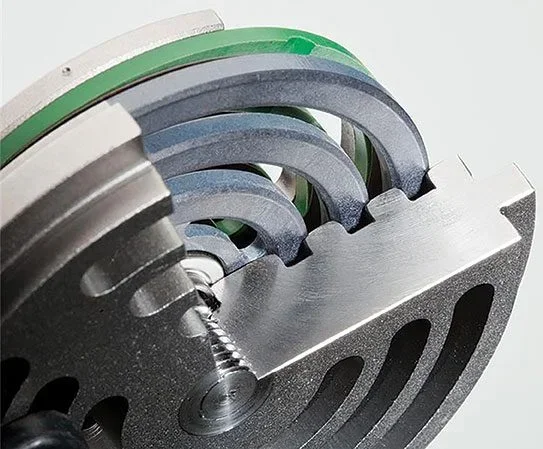
The valve plate is one of the most critical ariel compressor valve parts. It sits between the compression chamber and the valve pocket. Its job is to open and close the flow path. The valve disc sits on top of the plate and moves with each cycle. Together, they control when gas enters and exits the cylinder.
Over time, valve plates can develop cracks or warping. This leads to leaks and pressure loss. If you notice your compressor struggling to build pressure, a worn valve plate might be the culprit. Compressor valve repair often starts with replacing these parts.
Valve Springs and Lifters
Valve springs control how fast the valve opens and closes. They push the disc back into place after each cycle. If a spring weakens or breaks, the valve will not seat properly. This causes backflow and reduces your compressor’s ability to build pressure.
The valve lifter connects the spring to the disc. It guides the motion and ensures smooth operation. Both parts are small but essential. Replacing them as a set is a smart move. Cheap compressor valve parts that skip the spring or lifter often lead to repeat failures.
Gaskets and Seals
Valve gaskets create a tight seal between the valve plate and the compressor housing. They prevent gas from leaking past the valve during operation. These seals take a beating over time from heat, pressure, and constant movement.
Worn gaskets are one of the most common causes of compressor valve failure. They are also one of the easiest parts to replace. Keep a supply of quality gaskets on hand. This small step can save you hours of downtime and frustration.
Valve Seats and Clearances
The valve seat is the surface where the disc rests when closed. It must be perfectly smooth and flat for a proper seal. Over time, seats can become grooved or pitted from constant use. This creates tiny gaps where gas can escape.
Valve clearances refer to the tiny gaps between moving parts. Getting these clearances right is essential for performance. Too tight, and parts grind. Too loose, and gas leaks past. Checking clearances should be part of every compressor maintenance routine.
How Ariel Compressor Valves Work
Understanding how ariel compressor valve parts work together helps you appreciate why each component matters. The process is fast, precise, and repeats many times every minute.
The Intake and Exhaust Cycle
Here is how a typical valve cycle works. When the piston moves down, it creates a vacuum inside the cylinder. The intake valve opens to let gas in. The valve disc lifts off the seat, and gas flows through. Once the piston reverses direction, the intake valve closes. The valve springs push the disc firmly back onto the seat.
Next, the piston moves up and compresses the gas. When the pressure inside the cylinder exceeds the pressure in the discharge line, the exhaust valve opens. The valve disc lifts again, and compressed gas flows out. Then the cycle repeats. This all happens in a fraction of a second, over and over again.
The speed and precision of this cycle is what makes ariel compressor valve parts so important. If any part in the chain is weak or worn, the entire cycle suffers. Your compressor works harder but delivers less. That is a losing equation for anyone running a business.
Understanding Valve Clearances
Clearances are the tiny spaces between the valve disc and the seat when the valve is closed. They are measured in thousandths of an inch. Getting them right is critical for high pressure valve performance.
Too much clearance means gas leaks back through. Too little clearance means the disc can not move freely. Both scenarios reduce your compressor’s output and increase wear on other parts. Always check the manufacturer’s specs for the correct clearances. This is one of the simplest ways to keep your compressor valve parts working well.
Common Signs of Valve Wear and Failure
Catching valve problems early saves money and prevents bigger breakdowns. Here are the most common signs that your ariel compressor valve parts need attention.
Drop in Compressor Efficiency
If your compressor is not building pressure like it used to, the valves could be to blame. Worn valve plates or damaged discs let gas leak back into the cylinder. This means your compressor works harder but produces less. A noticeable drop in compressor efficiency is often the first clue.
Watch for longer cycle times or the machine running hotter than usual. These are subtle signs that something is off. Catching them early can prevent a full valve failure down the road.
Unusual Noises and Vibrations
A healthy compressor runs smooth and quiet. If you hear rattling, knocking, or hissing sounds, something is wrong. Broken valve springs often cause rattling noises. Leaking gaskets can create hissing sounds. Vibrations that were not there before can point to a loose or damaged valve component.
Do not ignore these sounds. They are your compressor telling you something needs attention. The sooner you check the compressor valve components, the less damage occurs.
Visible Damage and Leaks
Sometimes the problem is easy to see. Oil or gas leaks around the valve area are a clear warning sign. Cracked valve plates or corroded seats are visible during routine inspections. If you spot any of this during compressor maintenance, plan for compressor valve replacement right away.
Running a compressor with damaged valves puts extra strain on the entire system. It can damage the piston, cylinder walls, and other expensive parts. Fixing valve issues quickly is always the smarter choice.
Maintenance Tips for Longer Valve Life
Good maintenance habits keep your ariel compressor valve parts in great shape. They also extend the life of your entire compressor. Here are practical tips that really work.
Regular Inspection Schedules
Set up a routine inspection schedule for your valve system. Check valve plates, discs, springs, and gaskets at regular intervals. The frequency depends on how much you use your compressor. Heavy-duty operations may need monthly checks. Lighter use might only require quarterly inspections.
During each inspection, look for wear patterns, discoloration, and scoring on the valve seats. Use a feeler gauge to check clearances. Document everything. Keeping records helps you spot trends and plan for replacements before a failure happens.
Proper Lubrication and Cleaning
Lubrication is essential for valve parts that move constantly. Use the recommended oil or lubricant for your specific Ariel compressor model. The wrong lubricant can cause buildup, sticky valves, and premature wear.
Cleaning is equally important. Debris, carbon buildup, and moisture can all interfere with valve operation. Flush the valve system regularly and remove any contaminants. Clean valve parts last much longer and perform better. This is one of the easiest ways to protect your ariel compressor valve parts.
Keep Spare Parts on Hand
Downtime is expensive. Having spare valve plates, discs, springs, and gaskets in your inventory means you can fix problems fast. Identify the parts most likely to wear out and keep extras available. This simple step can cut repair time from days to hours.
Work with a trusted compressor parts supplier who carries Ariel-compatible components. A good supplier can also help you find the right parts if you are unsure of the model number or specifications.
How to Choose the Right Replacement Parts
When it is time to replace your valve parts, choosing the right components matters. The wrong parts can cause more problems than they solve. Here is how to make the best choice.
OEM vs Aftermarket Parts
OEM (Original Equipment Manufacturer) parts are made by Ariel or their approved suppliers. They match the original specifications exactly. OEM parts offer the best fit, quality, and warranty coverage. If you need guaranteed compatibility, OEM is the way to go.
Aftermarket parts are made by third-party manufacturers. They can be more affordable and still offer good quality. The key is to choose a reputable aftermarket brand. Look for parts that meet or exceed OEM specifications. Cheap, low-quality replacements may save money upfront but cost more in the long run through frequent failures.
Matching Parts to Your Compressor Model
Every Ariel compressor model has specific valve part requirements. Always check the model number and serial number before ordering. Using the wrong parts can damage your compressor and void your warranty.
Keep a record of your compressor’s specifications. Include the model number, serial number, and valve part numbers. This makes future orders faster and error-free. If you are ever unsure, contact Ariel directly or consult with a qualified technician. Getting the right ariel compressor valve parts the first time saves you time, money, and headaches.
Installation Best Practices
Even the best parts will fail if installed incorrectly. Follow the manufacturer’s installation guidelines carefully. Pay attention to valve clearances, torque specs, and seating surfaces. Use the right tools and take your time.
If you are not experienced with valve replacements, consider hiring a professional. Proper installation ensures your compressor valve parts perform at their best and last as long as possible. It is an investment that pays off in reliability and performance.
Final Thoughts
Your ariel compressor valve parts are small but mighty. They control the flow of gas and air through your compressor with precision and speed. Understanding how they work, what signs to watch for, and how to maintain them gives you real power over your equipment’s performance.
Regular inspections, proper lubrication, and prompt replacements keep your compressor running at its best. Choosing the right parts and installing them correctly prevents costly breakdowns and extends the life of your machine. Whether you are dealing with a worn valve plate, a weak spring, or a leaking gasket, the fix starts with knowing your compressor valve parts inside and out.
Take what you have learned from this guide and put it into action. Check your valves today. Stock up on quality replacements. And keep your compressor humming along for years to come. Reliable performance starts with the right parts and the right knowledge. You now have both.
Frequently Asked Questions
How often should I replace my ariel compressor valve parts?
Replacement frequency depends on how much you use your compressor. Heavy-duty operations may need valve parts replaced every 6 to 12 months. Lighter use can stretch to 18 to 24 months. Regular inspections help you catch wear before it becomes a failure. Always follow the manufacturer’s recommended service intervals for your specific model.
Can I use aftermarket ariel compressor valve parts safely?
Yes, aftermarket parts can be safe and cost-effective. The key is choosing a reputable brand that meets or exceeds OEM specifications. Look for parts with quality certifications and positive reviews. Avoid the cheapest options, as they may not last as long or fit properly. When in doubt, check with a qualified technician or your parts supplier.
What causes ariel compressor valve parts to fail prematurely?
Several factors can cause early valve failure. Contaminated air or gas, improper lubrication, and incorrect valve clearances are the most common culprits. Operating your compressor beyond its rated capacity also speeds up wear. Regular maintenance and proper operation go a long way in preventing premature failures.
How do I know if I need compressor valve repair or full replacement?
Minor issues like a worn gasket or slightly bent valve plate can often be repaired. But if the valve plate is cracked, the seat is badly scored, or multiple components are worn, full replacement is the better choice. A professional inspection can help you decide which option makes the most sense for your situation and budget.
What is the cost of replacing ariel compressor valve parts?
Costs vary depending on the parts needed and whether you choose OEM or aftermarket options. A basic valve plate and gasket set might cost a few hundred dollars. More extensive replacements involving springs, lifters, and seats can run higher. Factor in labor costs if you are not doing the work yourself. Preventive maintenance is always cheaper than emergency repairs.
Where can I find reliable ariel compressor valve parts?
You can find quality valve parts through authorized Ariel distributors, OEM suppliers, and trusted aftermarket parts vendors. Always verify compatibility with your compressor model before ordering. Keeping a relationship with a reliable compressor parts supplier ensures you get the right parts quickly when you need them most.