Air Conditioning Compressor Replacement Guide and Costs
This guide covers everything you need to know about air conditioning compressor replacement, including detailed cost breakdowns, warning signs, and step-by-step process insights. Whether your AC unit is making strange noises or blowing warm air, you will learn how to diagnose compressor problems and decide between repair and full replacement. We break down the average costs, factors that affect pricing, and practical tips to help you make the smartest decision for your home and budget.
Your air conditioning system works hard to keep your home cool and comfortable, especially during the hottest months of the year. At the heart of that system is the air conditioning compressor, a component that plays a vital role in the cooling process. When this part fails, the entire system can stop working, leaving you sweating and searching for answers.
If you are here, chances are your AC compressor is giving you trouble or you want to learn more before a problem strikes. This guide walks you through everything related to air conditioning compressor replacement. We will cover the warning signs, cost breakdowns, the replacement process, and expert tips to help you make the best decision for your home. Let us dive in.
Key Takeaways
- Average replacement cost: Air conditioning compressor replacement typically costs between $1,200 and $2,800, depending on the unit size and complexity.
- Early detection saves money: Catching compressor symptoms early can prevent costly damage to other parts of your air conditioning system.
- Professional installation matters: Always hire a licensed HVAC technician for compressor replacement to ensure safety and proper warranty coverage.
- Repair vs. replace decision: If your unit is over 10 years old, replacing the entire AC unit may be more cost-effective than just the compressor.
- Maintenance extends lifespan: Regular AC maintenance and cleaning can add years to your compressor’s life and improve energy efficiency.
- Warranty awareness: Check your compressor warranty terms before proceeding, as some parts come with 5 to 10-year coverage.
📑 Table of Contents
- What Is an Air Conditioning Compressor and Why Does It Matter?
- Signs Your AC Compressor Needs Replacement
- Air Conditioning Compressor Replacement Cost Breakdown
- How the Air Conditioning Compressor Replacement Process Works
- Should You Replace or Repair Your AC Compressor?
- Tips to Extend Your AC Compressor Lifespan
- Common Mistakes Homeowners Make with AC Compressor Problems
- Conclusion
What Is an Air Conditioning Compressor and Why Does It Matter?
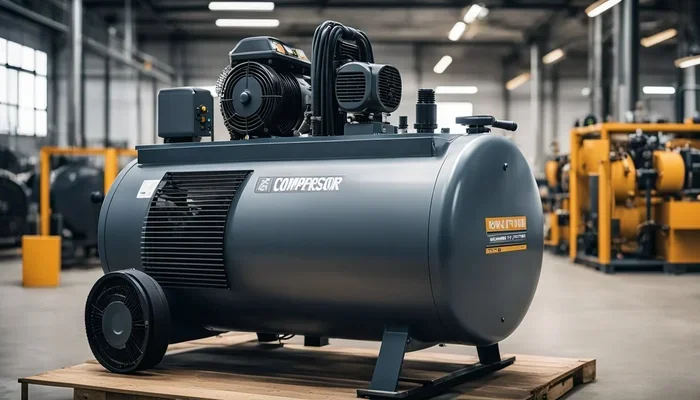
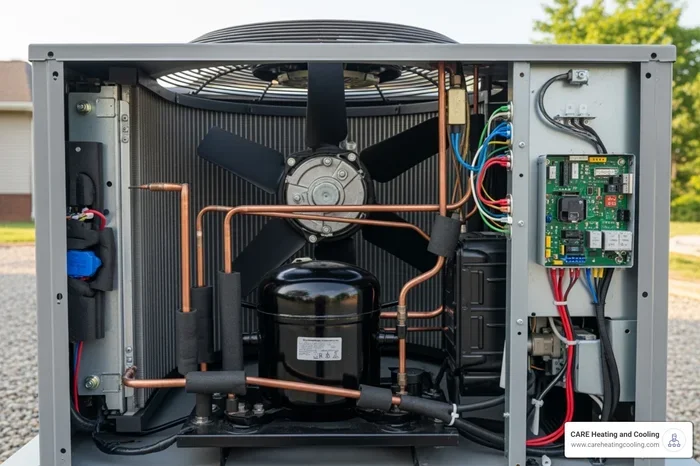
The compressor is often called the “heart” of your air conditioning system. It is responsible for circulating refrigerant through the AC unit, which is what makes your home cool. Without a working compressor, your air conditioner cannot transfer heat from inside your home to the outside. Think of it as the engine that drives the entire cooling process.
Most central air conditioning systems rely on a reciprocating or rotary compressor to pressurize the refrigerant gas. This pressurized gas then flows through the condenser coil, releases heat, and returns as a cool liquid to absorb more heat from your home. The whole cycle depends on the compressor functioning properly.
When the compressor fails, the air conditioning system cannot cool your home effectively. In some cases, the unit may blow warm air, make unusual noises, or shut off completely. Understanding how this component works helps you appreciate why timely repair or replacement is so important.
How Long Should an AC Compressor Last?
A well-maintained compressor typically lasts between 10 and 15 years. However, several factors can shorten or extend this lifespan. The quality of the unit, how often you use it, and the level of AC maintenance all play a role. Homes in very hot climates may see more wear and tear on the compressor due to constant use.
Regular AC maintenance, such as cleaning the condenser coil and checking refrigerant levels, can help your compressor run efficiently for many years. Skipping maintenance is one of the most common reasons compressors fail earlier than expected.
Signs Your AC Compressor Needs Replacement
Recognizing the early warning signs of compressor failure can save you from a complete system breakdown. Many homeowners ignore subtle symptoms until the problem becomes severe and expensive. Learning to spot these signs early gives you time to plan for air conditioning compressor replacement or explore other options.
1. Warm Air Coming from the Vents
The most obvious sign is when your AC blows warm or lukewarm air instead of cool air. If the system is running but not cooling, the compressor may not be pumping refrigerant properly. This is one of the clearest compressor symptoms you should never ignore.
2. Strange Noises from the Outdoor Unit
Grinding, squealing, or clanking sounds coming from the outdoor unit often indicate internal compressor damage. These noises usually mean the mechanical parts inside the compressor are wearing out or have already broken. Continuing to run the unit in this condition can cause further damage.
3. Frequent Circuit Breaker Tripping
If your AC unit keeps tripping the circuit breaker, the compressor may be drawing too much power. This happens when the compressor struggles to start or is overheating. Frequent tripping is a serious warning sign that should be addressed immediately.
4. Ice Buildup on the AC Unit
Ice forming on the refrigerant lines or the outdoor unit can signal a compressor problem. Low refrigerant levels, often caused by a failing compressor seal, cause the evaporator coil to freeze up. This restricts airflow and reduces cooling performance.
5. Increased Energy Bills
A struggling compressor works harder to cool your home, which drives up your energy bills. If you notice a sudden spike in your electricity costs without changing your usage habits, the compressor may be losing efficiency. This is a common but overlooked sign of compressor failure.
6. AC Unit Won’t Turn On
In some cases, a completely failed compressor will prevent the air conditioning system from turning on at all. You may hear a clicking sound from the outdoor unit but see no activity. This usually indicates an electrical issue or a dead compressor motor.
Air Conditioning Compressor Replacement Cost Breakdown
The air conditioning compressor replacement cost varies widely depending on several factors. Understanding what drives the price helps you budget and avoid surprises. On average, homeowners can expect to pay between $1,200 and $2,800 for a complete compressor replacement.
This range includes the cost of the new compressor part, labor charges, refrigerant, and any additional repairs needed. The wide range exists because every AC unit is different, and the complexity of the job varies from home to home.
Factors That Affect Compressor Replacement Cost
Several key factors influence the final price you will pay for air conditioning compressor replacement:
- Unit size and type: Larger central air conditioning systems require more powerful compressors, which cost more. A small window unit will be far less expensive to repair than a whole-home central system.
- Compressor type: Scroll compressors, rotary compressors, and reciprocating compressors each have different price points. Scroll compressors are common in modern units and tend to be more expensive to replace.
- Labor rates in your area: HVAC labor costs vary by region and the availability of qualified technicians. Urban areas typically have higher labor rates than rural areas.
- Refrigerant type and cost: Older units may use R-22 refrigerant, which is being phased out and is now very expensive. Newer units use R-410A or R-32, which are more affordable.
- Additional repairs needed: If the compressor failure damaged other components, such as the AC condenser or refrigerant lines, the total cost will increase.
- Warranty coverage: If your compressor is still under warranty, the replacement cost may be significantly lower or even fully covered.
Compressor Replacement vs. Full AC Unit Replacement
One of the biggest decisions homeowners face is whether to replace just the compressor or the entire AC unit. Here is a simple comparison to help you understand the trade-offs:
| Factor | Compressor Replacement Only | Full AC Unit Replacement |
|---|---|---|
| Average Cost | $1,200 – $2,800 | $4,000 – $12,000 |
| Lifespan After Repair | 5 – 10 years (if unit is newer) | 15 – 20 years |
| Energy Efficiency | Same as before (older unit) | Significantly higher with new unit |
| Best For | Units under 8 years old | Units over 10 years old |
| Warranty | Limited parts warranty | Full unit warranty, often 10 years |
As a general rule, if your current unit is less than 8 years old and the rest of the system is in good shape, replacing just the compressor makes sense. If the unit is over 10 years old, investing in a new air conditioning system may save you money and headaches in the long run.
How the Air Conditioning Compressor Replacement Process Works
Understanding what happens during the replacement process helps you feel more prepared and confident. A professional HVAC technician follows a systematic approach to ensure the job is done safely and correctly. Here is a step-by-step look at what to expect.
Step 1: Diagnosis and Assessment
The process begins with a thorough diagnosis. The technician will check the compressor, refrigerant levels, electrical connections, and the overall condition of the air conditioning system. They use specialized tools to measure pressure, temperature, and electrical output. This step confirms whether the compressor is truly the problem or if something else is causing the symptoms.
Step 2: System Shutdown and Safety Precautions
Before any work begins, the technician shuts off power to the unit and disconnects it from the electrical supply. Safety is always the top priority. The refrigerant is carefully recovered and stored using EPA-certified equipment. Releasing refrigerant into the atmosphere is illegal and harmful to the environment.
Step 3: Removing the Old Compressor
The technician removes the access panels and disconnects the refrigerant lines, electrical wiring, and mounting bolts. The old compressor is carefully lifted out of the unit. In some cases, the compressor may be heavy and require special lifting equipment, especially for large central air conditioning units.
Step 4: Installing the New Compressor
The new compressor is positioned and secured in place. The technician reconnects the refrigerant lines, electrical connections, and mounting hardware. Proper sealing of all connections is critical to prevent refrigerant leaks, which can reduce efficiency and harm the environment.
Step 5: Evacuation and Recharging
Once the new compressor is installed, the system is evacuated to remove any air and moisture from the refrigerant lines. The technician then recharges the system with the correct type and amount of refrigerant. This step requires precision because too much or too little refrigerant can damage the compressor and reduce cooling performance.
Step 6: Testing and Commissioning
The final step is testing the entire system. The technician runs the AC unit, checks for proper cooling, measures refrigerant pressure, and inspects all connections for leaks. A successful test means the air conditioning compressor replacement is complete and your system is ready to cool your home again.
Should You Replace or Repair Your AC Compressor?
Deciding between repairing and replacing your air conditioning compressor is one of the most important choices you will make. The right answer depends on several factors, including the age of your unit, the cost of the repair, and your long-term goals for your home’s cooling system.
If your unit is less than 8 years old and the repair cost is reasonable, compressor replacement is usually the best option. The rest of the system is likely still in good condition, and a new compressor can give you many more years of reliable service.
However, if your unit is over 10 years old and has needed multiple repairs, replacing the entire AC unit may be the smarter choice. New air conditioning systems are far more energy efficient than older models. Upgrading can lower your monthly energy bills and reduce the need for frequent air conditioning repair calls.
Consider the total cost of ownership, not just the immediate repair bill. A new compressor in an aging unit might last only a few years before another component fails. Investing in a new air conditioning system gives you better reliability, improved energy efficiency, and often a comprehensive warranty.
When Repair Makes Sense
- Your unit is less than 8 years old
- The compressor failure is the only major issue
- The rest of the system is in good working condition
- You have a warranty that covers the compressor
- The repair cost is less than half the cost of a new unit
When Replacement Makes Sense
- Your unit is over 10 years old
- Multiple components have failed or are failing
- Your energy bills have been rising steadily
- The repair cost exceeds half the cost of a new unit
- You want to take advantage of modern energy-efficient technology
Tips to Extend Your AC Compressor Lifespan
Prevention is always better than cure, and the same goes for your air conditioning compressor. Simple maintenance habits can significantly extend the life of your compressor and keep your cooling system running smoothly for years. Here are practical tips every homeowner should follow.
1. Schedule Regular AC Maintenance
Annual maintenance visits from a qualified HVAC technician are the single best thing you can do for your compressor. During a maintenance visit, the technician cleans the condenser coil, checks refrigerant levels, inspects electrical connections, and lubricates moving parts. This proactive approach catches small problems before they become expensive compressor failures.
2. Keep the Outdoor Unit Clean
The outdoor unit, also known as the condenser, needs good airflow to operate efficiently. Keep the area around the unit free of leaves, dirt, and debris. Trim any bushes or plants that are growing too close. A clean condenser coil allows the compressor to work without unnecessary strain, which improves energy efficiency and reduces wear.
3. Replace Your Air Filter Regularly
A clogged air filter restricts airflow through the system, forcing the compressor to work harder than it should. Replace your HVAC filter every 1 to 3 months during heavy use seasons. This simple habit protects your compressor and improves the overall performance of your air conditioning system.
4. Monitor Refrigerant Levels
Low refrigerant levels put extra stress on the compressor and can lead to premature failure. If you notice that your AC is not cooling as well as it used to, have a technician check the refrigerant level. Never let your system run with low refrigerant, as this can cause irreversible compressor damage.
5. Use a Programmable Thermostat
A programmable thermostat helps your compressor run more efficiently by avoiding unnecessary cycling. Set the temperature to a comfortable but reasonable level when you are home, and raise it slightly when you are away. This reduces the workload on the compressor and extends its lifespan.
6. Address Problems Promptly
Do not ignore warning signs like unusual noises, reduced cooling, or higher energy bills. The longer you wait, the more damage a failing compressor can cause to other parts of the air conditioning system. Prompt AC troubleshooting and repair can often prevent a full compressor replacement.
Common Mistakes Homeowners Make with AC Compressor Problems
Many homeowners make avoidable mistakes when dealing with compressor issues. These mistakes often lead to higher costs and more extensive damage. Here are the most common errors to avoid.
- Ignoring warning signs: Hoping the problem will go away on its own almost always makes it worse. A compressor that is struggling today will likely fail completely tomorrow if not addressed.
- Choosing the cheapest repair option: Low-cost repairs may not use quality parts or proper techniques. Always prioritize quality and professionalism over the lowest price.
- Skipping professional diagnosis: Some symptoms that look like compressor failure are actually caused by simpler issues, such as a faulty capacitor or clogged filter. Always get a professional diagnosis before committing to a replacement.
- Not checking warranty status: Many compressors come with a manufacturer warranty that covers replacement costs. Failing to check your warranty means you might pay for something that should be free.
- Delaying replacement when needed: Running a failing compressor can damage other components of the air conditioning system, leading to even more expensive repairs down the road.
Conclusion
Air conditioning compressor replacement is a significant investment, but it is often necessary to keep your home cool and comfortable. By understanding the warning signs, cost factors, and replacement process, you can make informed decisions that protect both your comfort and your wallet.
Remember that regular AC maintenance is the best way to prevent compressor problems in the first place. Keep your outdoor unit clean, replace your filters on schedule, and never ignore unusual symptoms. These simple habits go a long way in extending the life of your compressor and improving the energy efficiency of your entire air conditioning system.
If you are currently facing a compressor issue, use the information in this guide to have an informed conversation with your HVAC technician. Whether you choose compressor replacement or a full unit upgrade, the key is to act quickly and work with a trusted professional. Your comfort and peace of mind are worth it.
Air conditioning compressor replacement does not have to be overwhelming. With the right knowledge and the right team by your side, you can get your cooling system back up and running efficiently. Take action today, and your future self will thank you when summer arrives and your AC is ready to perform.
Frequently Asked Questions
How do I know if my AC compressor is failing?
Common signs include warm air from the vents, strange noises from the outdoor unit, frequent circuit breaker tripping, ice buildup on the AC lines, and a sudden increase in energy bills. If you notice any of these compressor symptoms, contact a licensed HVAC technician for a professional diagnosis right away.
Is it better to replace the compressor or the entire AC unit?
It depends on the age and condition of your unit. If your AC is less than 8 years old and the compressor is the only issue, replacing just the compressor is usually the best choice. For units over 10 years old with multiple problems, a full air conditioning system replacement is often more cost-effective and energy-efficient.
How long does an air conditioning compressor replacement take?
A professional compressor replacement typically takes between 4 and 8 hours, depending on the complexity of the job and the type of unit. Simple replacements in accessible units may be faster, while systems with refrigerant line issues or difficult access can take longer.
Can I replace the AC compressor myself?
No, air conditioning compressor replacement should always be performed by a licensed HVAC professional. The process involves handling refrigerant, which requires EPA certification, and working with high-voltage electrical components. DIY attempts are dangerous and can void your warranty on the unit.
What is the average lifespan of an AC compressor?
With proper maintenance, a typical AC compressor lasts between 10 and 15 years. However, factors like climate, usage patterns, and the quality of maintenance can significantly affect this timeline. Regular AC troubleshooting and servicing help ensure your compressor reaches its full lifespan.
Does homeowners insurance cover AC compressor replacement?
Most homeowners insurance policies do not cover compressor failure due to normal wear and tear. However, if the failure was caused by a covered event, such as a lightning strike or power surge, your policy may cover the cost. Always check with your insurance provider to understand your specific coverage details before proceeding with air conditioning repair or replacement.