What Tools Do Barbers Use for Professional Haircuts
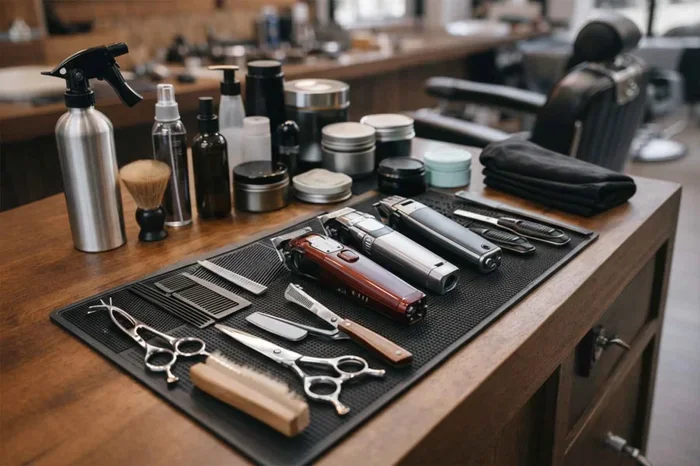
Barbers rely on a core set of professional tools to deliver clean, precise haircuts every time. The essential kit includes hair clippers, barber scissors, razors, combs, and capes that work together for flawless results. Understanding each tool’s purpose helps both pros and home users achieve salon-quality styles with confidence.
Every barber knows that having the right tools makes all the difference. A great haircut isn’t just about skill. It’s also about using the proper barber tools that let you work fast, cut clean, and style with confidence. Whether you’re a seasoned professional or someone just starting to learn the craft, knowing your equipment is step one.
The world of professional haircutting tools has evolved a lot over the years. Today’s barbers have access to everything from high-tech electric clippers to classic straight razors that have been around for centuries. Each tool serves a specific purpose, and together they form a complete barber supply list that covers every cut, style, and finish.
In this guide, we’re breaking down every tool a barber needs. We’ll go through what each tool does, why it matters, and how to choose the best one. By the end, you’ll have a clear picture of what makes up a full barbering essentials kit.
Key Takeaways
- Hair clippers are the backbone of any barber’s toolkit, used for the bulk of cutting and blending work.
- Professional barber scissors provide the precision needed for detail work and texturizing.
- Straight razors and safety razors deliver clean lines and close shaves that clippers cannot match.
- Barber capes and neck strips protect clients and keep the haircutting process tidy and comfortable.
- Quality combs and brushes are essential for sectioning hair, creating precision parts, and styling finishes.
- The right tools make a big difference in haircut quality, speed, and overall client satisfaction.
📑 Table of Contents
- Hair Clippers: The Core of Every Barber’s Kit
- Barber Scissors and Shears
- Razors: The Precision Tool
- Combs, Brushes, and Styling Tools
- Barber Capes, Neck Strips, and Hygiene Tools
- Additional Tools Every Barber Should Have
- Building Your Barber Toolkit: Where to Start
- Common Mistakes Barbers Make With Their Tools
- Expert Tips for Getting the Most From Your Barber Tools
- Conclusion
Hair Clippers: The Core of Every Barber’s Kit
Hair clippers are hands down the most important tool in a barber’s hands. They handle the bulk of the cutting work. From fades to buzz cuts, clippers do the heavy lifting with speed and precision. A good set of clippers can make the difference between a rushed cut and a clean, polished result.
Modern clippers come in two main types: corded and cordless. Cordless clippers give barbers more freedom to move around the chair. Corded clippers provide constant power and never die mid-cut. Many pros carry both. Here’s what to look for:
- Motor type: Rotary motors are quieter and cooler. Magnetic motors are faster and more affordable.
- Blade material: Stainless steel blades last longer. Ceramic blades stay cooler.
- Blade adjustability: Adjustable blades let you change lengths quickly without switching blades.
- Battery life: For cordless models, look for at least 90 minutes of runtime.
- Weight and grip: A lightweight clipper reduces hand fatigue during long days.
Clipper Attachments and Guards
No barber talks about clippers without mentioning hair clipper attachments. These guards clip onto the blade and control how much hair gets cut. They come in numbered sizes, typically from 0 to 8, with each number representing a different length. The 0 guard (no guard) cuts hair completely off, while higher numbers leave more length.
Most professional barbers keep a full set of guards on hand. They also use clipper-over-comb techniques that don’t require guards at all. This method gives more control and creates smoother transitions in fades.
Top Clipper Brands Barbers Trust
When it comes to professional barber equipment, a few brands stand out. Wahl, Andis, and Oster have been making clippers for decades. Each brand has loyal followers in the barber community. Wahl is known for durability and power. Andis offers smooth, quiet operation. Oster blades are famous for their sharpness and long life.
If you’re setting up a home barbershop or just want quality tools for yourself, investing in a good pair of clippers is the first move. Some barbers also use barber trimmers for detail work around the ears and neckline. These smaller, more precise clippers handle the finishing touches that big clippers can’t reach.
Barber Scissors and Shears
While clippers handle the bulk cutting, barber scissors handle the detail work. Scissors let barbers cut with more control, create texture, and blend layers seamlessly. They’re the tool of choice for scissor-over-comb techniques and precision trimming.
Not all scissors are the same. Barbers use several different types, each designed for a specific task:
- Straight scissors: The workhorse of any barber kit. Used for general cutting and shaping.
- Thinning shears: Have teeth on one blade. They remove bulk without shortening length.
- Texturizing shears: Create texture and movement in the hair. Great for layering.
- Razor-edge scissors: Extra sharp blades for ultra-clean cuts.
- Left-handed scissors: Designed specifically for left-handed barbers with reversed blades.
How to Choose the Right Scissors
Selecting the right pair of hair cutting scissors comes down to a few key factors. Blade length matters most. Standard barber scissors run between 6.5 and 8 inches. Longer blades cut more hair per stroke. Shorter blades give more control for detailed work.
Steel quality is another big factor. Japanese steel stays sharp longer but costs more. German steel is durable and easier to sharpen. Most professionals invest in premium scissors because they hold an edge through hundreds of cuts. Dull scissors pull hair instead of cutting it, which leads to uneven results and an uncomfortable experience for the client.
Ergonomics matter too. Barbers who cut for hours need scissors that fit comfortably in the hand. Look for models with finger rests and lightweight designs. A good pair of scissors should feel like an extension of your hand, not a chore to hold.
Razors: The Precision Tool
Razors are what separate a good haircut from a great one. They create clean lines, sharp edges, and close shaves that no clipper or scissor can match. Barbers use several types of razors, and each has its place in the toolkit.
Straight Razors
The straight razor is the classic barber tool. It has a single sharp blade that folds into a handle. Straight razors deliver the cleanest, closest cuts possible. They’re perfect for line-ups, neck shaves, and detailed edge work. However, they require serious skill to use safely. A slip can cause a cut, which is why barbers spend years mastering straight razor technique.
Keeping a straight razor sharp is essential. Barbers use a strop to hone the blade before every cut. A dull straight razor is actually more dangerous than a sharp one because it requires more pressure, which increases the risk of slipping.
Safety Razors
Safety razors are more beginner-friendly. They have a guard that prevents the blade from touching the skin too deeply. Many barbers use safety razors for neck shaves and clean-up work around the ears. They offer good control with less risk of nicks.
Disposable Razors
Some barbers keep disposable razors on hand for quick cleanup work. They’re affordable and convenient. However, they don’t offer the same precision as a straight or safety razor. Professionals tend to use them only for fast touch-ups, not for detailed work.
Combs, Brushes, and Styling Tools
A barber’s hands are only as good as the tools they guide. Combs and brushes are the unsung heroes of the haircutting process. They help section hair, create precise parts, and direct hair into the right position for cutting.
Here’s what every barber needs in the comb and brush department:
- Wide-tooth combs: Great for detangling and sectioning thick hair.
- Fine-tooth combs: Used for precision parting and creating clean lines.
- Tail combs: The pointed end allows barbers to create exact parts and sections.
- Barber brushes: Used to brush hair back during cutting and to remove loose hair from the neck and shoulders.
- Rattail combs: A standard tool with a pointed handle for parting and sectioning.
Why Quality Combs Matter
Cheap combs snag hair and create static. Good combs glide through hair smoothly. Most barbers prefer combs made from high-quality acetate or cellulose. These materials are durable, comfortable to hold, and gentle on the hair. Stainless steel combs are also popular because they can be sanitized easily and last a long time.
Brushes serve a different purpose. They help distribute natural oils, lift hair for cutting, and give the final style a polished look. Boar bristle brushes are excellent for smoothing and shining. Mixed bristle brushes offer a balance of stiffness and softness.
Barber Capes, Neck Strips, and Hygiene Tools
Professional barbers don’t just focus on cutting. They also prioritize keeping clients clean and comfortable. Barber capes and neck strips are essential for protecting clothing and maintaining hygiene during every haircut.
The barber cape is the big cloth that drapes over a client’s shoulders and chest. It catches all the loose hair and keeps the client’s clothes clean. Modern capes come in many styles, from classic cloth capes to quick-change bib capes that make client transitions faster.
Neck strips are smaller cloths placed around the neck area. They add an extra layer of protection against hair clippings. Many barbers use disposable neck strips for hygiene reasons. Reusable neck strips are also common and can be washed between clients.
Sanitation Tools
Cleanliness is non-negotiable in any barbershop. Barbers use several hygiene tools to keep their workspace and equipment sanitized:
- Barbicide: A chemical solution used to disinfect combs, brushes, and tools.
- Barber disinfectant sprays: Used to clean surfaces between clients.
- Autoclaves: Some shops use these to sterilize razors and tools at high temperatures.
- Disposable supplies: Single-use items like neck strips, capes, and razors reduce cross-contamination risk.
Good hygiene practices build trust with clients. When people see a clean, organized barbershop with properly sanitized tools, they feel confident and comfortable. This is just as important as the actual haircut.
Additional Tools Every Barber Should Have
Beyond the main cutting tools, barbers rely on a range of haircutting supplies and accessories to complete the job. These extra tools round out the toolkit and make every cut smoother.
Hair clips and clips holders keep sections of hair out of the way while cutting. They come in different sizes and are essential for creating clean layers and sections. A good set of clips should grip firmly without snagging.
Mirror sets are critical for back-of-the-head cuts and fades. Barbers use handheld mirrors to show clients the back of their hair and to see areas that are hard to reach from the front. Two-way mirrors are also common in professional shops.
Spray bottles keep hair damp during cutting. Wet hair is easier to cut and style. Barbers use them to mist hair throughout the cut, maintaining the right level of moisture for clean lines.
Barber chairs and waiting chairs complete the physical setup of any barbershop. A good barber chair adjusts in height, reclines, and has a comfortable headrest. While not a cutting tool, the chair affects the overall experience and the barber’s ability to work efficiently.
Some barbers also use air compressors in their shops. These can power certain pneumatic tools and help keep the workspace clean. If you’re curious about what air compressors can do beyond the shop, check out what you can use an air compressor for at home to see the full range of applications.
Building Your Barber Toolkit: Where to Start
If you’re just starting out, building a complete toolkit can feel overwhelming. The key is to start with the essentials and grow from there. You don’t need every tool on day one. Focus on quality over quantity and build your collection as your skills develop.
Here’s a simple starting list:
- A quality pair of hair clippers with adjustable blades
- A full set of clipper guards in various sizes
- A pair of barber scissors (8-inch straight scissors are a great starting point)
- A pair of thinning shears for blending
- A straight razor or safety razor for clean lines
- A barber comb and a tail comb
- A barber cape and neck strips
- Hair clips in multiple sizes
- Barbicide or disinfectant solution
- A spray bottle for dampening hair
As you gain experience, you’ll discover which tools you use most and where you want to invest more. Many barbers start with budget-friendly options and upgrade over time. The important thing is that every tool you choose serves a real purpose in your work.
For those setting up a full shop, having reliable power tools matters too. Some barbershops rely on compressor systems for multiple stations. If you’re exploring options for shop equipment, understanding what a compressor can handle is valuable. You might find it helpful to learn about whether you need an air compressor for your setup and how to choose the right one.
Common Mistakes Barbers Make With Their Tools
Even experienced barbers sometimes make tool-related mistakes that affect their work. Being aware of these pitfalls helps you avoid them and keep your tools in top shape.
Using dull scissors is one of the most common mistakes. Dull scissors pull and tear hair instead of cutting it cleanly. They also cause hand fatigue because you have to apply more pressure. Sharpen your scissors regularly and replace them when they can no longer hold an edge.
Skipping sanitation is another serious error. Using the same comb or cape between clients without proper cleaning spreads bacteria and can cause skin infections. Always follow proper sanitation protocols. Your reputation depends on it.
Choosing the wrong clipper guard can ruin an otherwise great fade. Each guard number represents a specific length, and mixing them up leads to uneven results. Know your guard sizes and test them before committing to a cut.
Neglecting tool maintenance is a mistake many new barbers make. Blades need oiling, scissors need sharpening, and combs need cleaning. Taking care of your tools extends their life and keeps them performing at their best.
Expert Tips for Getting the Most From Your Barber Tools
Professional barbers have years of experience working with their tools. Here are some expert insights that can level up your game:
Invest in quality over price. A good pair of scissors might cost more upfront, but they last longer and perform better. Cheap tools need replacing constantly, which costs more in the long run.
Learn to sharpen your own tools. Many barbers learn to sharpen their own scissors and razors. This skill saves money and ensures your tools are always ready to go.
Keep your tools organized. A well-organized workspace means you can find what you need fast. Use tool rolls, cases, and holders to keep everything in its place.
Replace tools on a schedule. Even the best tools wear out over time. Set a replacement schedule for blades, guards, and consumable supplies so you never get caught with dull or worn equipment.
Stay updated on new tools and technology. The barber tool industry evolves constantly. New materials, designs, and innovations can improve your workflow and the quality of your cuts. Follow industry publications and attend trade shows when possible.
For those who also work with compressor-powered equipment in their barbershop or home setup, proper maintenance matters. If you’re using a Porter Cable air compressor or similar model for shop tasks, regular upkeep ensures reliable performance. You can find guidance on maintaining your equipment through proper Porter Cable air compressor usage and care resources.
Conclusion
The world of barber tools is rich and varied. From the powerful hair clippers that do the heavy cutting to the delicate straight razors that create clean lines, each tool plays a vital role in delivering a professional haircut. Understanding what every tool does and how to use it properly is the foundation of great barbering.
Whether you’re a seasoned pro or someone just getting started, building the right toolkit takes time and thoughtful choices. Start with the essentials, invest in quality, and never underestimate the value of proper tool care. The right tools don’t just make the job easier. They elevate the entire experience for both the barber and the client.
Keep learning, keep practicing, and keep your tools sharp. That’s the formula every successful barber follows. With the right barbering essentials in hand, you’re ready to deliver cuts that clients will love coming back for.
Frequently Asked Questions
What are the most essential tools every barber needs?
The most essential tools include a quality pair of hair clippers, barber scissors, a straight or safety razor, combs, barber capes, neck strips, and hair clips. These core tools cover every aspect of a professional haircut from cutting to finishing.
How often should barber scissors be sharpened?
Most barbers sharpen their scissors every 6 to 12 months depending on usage frequency. Daily use may require more frequent sharpening. Signs that scissors need sharpening include pulling hair, snagging, or visible dullness on the blade edge.
Can I use hair clippers at home like a professional barber?
Yes, with practice and the right tools, anyone can achieve professional-quality haircuts at home. Start with a good pair of clippers, learn the basic guard sizes, and practice on longer hair lengths first. Watching tutorials and understanding clipper techniques goes a long way.
What’s the difference between barber scissors and regular scissors?
Barber scissors are specifically designed for cutting hair. They have sharper blades, more ergonomic handles, and are made from higher-grade steel. Regular scissors are designed for paper and fabric, and they tend to dull quickly when used on hair.
Why do barbers use straight razors instead of electric shavers?
Straight razors provide a much closer, cleaner shave than electric shavers. They allow barbers to create sharp lines and precise edges that are essential for fades, line-ups, and neck shaves. The technique takes time to master, but the results are superior.
How do barbers keep their tools sanitary between clients?
Barbers use Barbicide solution to disinfect combs, brushes, and non-disposable tools. Capes and neck strips are washed or replaced between clients. Razors are either sterilized in an autoclave or replaced with fresh disposable blades. Most shops also wipe down all surfaces with disinfectant spray.