Generator Interlock Why It Matters and How to Use It
A generator interlock is a safety device that prevents backfeeding and ensures your backup power system operates safely during outages. It works with your electrical panel to connect a generator without the risks of a improper connection. Understanding how a generator interlock works can protect your home, your family, and your utility workers.
This is a comprehensive guide about generator interlock.
Key Takeaways
- What a generator interlock does: It prevents backfeeding and keeps your home’s electrical system safe during generator use.
- How it works: The interlock kit physically blocks the main breaker and generator breaker from being on at the same time.
- Why it matters: Without an interlock, backfeeding can energize utility lines and endanger workers.
- Installation options: You can install an interlock kit yourself or hire a licensed electrician.
- Interlock vs. transfer switch: Both serve the same purpose but differ in complexity and cost.
- Code compliance: Most local electrical codes now require an interlock or transfer switch for generator connections.
- Safety first: Always turn off your main breaker before starting your generator.
[FEATURED_IMAGE_PLACEHOLDER]
What Is a Generator Interlock and Why Do You Need One?
A generator interlock is a simple but critical safety device that connects your portable or standby generator to your home’s electrical panel. It ensures that your generator power flows only into your home and never back into the utility lines. Think of it as a safety lock that keeps everyone protected.
When the power goes out, you want to flip on your generator and get your lights back. But doing that the wrong way can create serious dangers. A generator interlock kit makes sure that happens the right way every single time.
Back in the day, many people used what was called a “suicide cord.” This was a cord that connected a generator directly to a wall outlet. It was incredibly dangerous. The cord could energize the entire panel and send power back down the utility lines. Utility workers fixing a downed line could be killed by this backfeed. The generator interlock was invented to eliminate this risk entirely.
Today, most local building codes require some form of safe generator connection. An interlock kit is one of the most affordable and effective ways to meet those requirements. Whether you have a portable generator or a whole-house standby unit, an interlock keeps your setup safe and legal.
In this guide, we will walk you through everything you need to know about generator interlock systems. We will cover how they work, why they matter, how to install one, and common mistakes to avoid. By the end, you will understand why this small device is one of the most important parts of any backup power setup.
How Does a Generator Interlock Work?
The Basic Mechanism
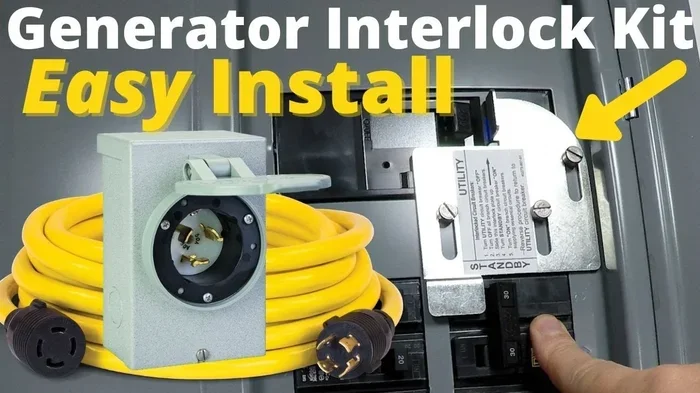
A generator interlock kit consists of two metal plates that attach to your electrical panel. One plate covers the main breaker. The other plate covers the generator breaker. The design ensures that only one breaker can be in the “on” position at any given time.
Here is how it works in practice:
- When the power is on, the main breaker is on and the generator breaker is off. The interlock plate physically prevents the generator breaker from being turned on.
- When you want to use your generator, you slide the interlock to the generator position. This turns off the main breaker and turns on the generator breaker.
- You then start your generator and connect it to the panel. Power flows safely into your home.
- When utility power returns, you slide the interlock back. The main breaker turns on and the generator breaker turns off.
The key principle here is that the main breaker and the generator breaker can never both be on at the same time. This prevents backfeeding and keeps your home and the grid safe.
Why This Matters for Electrical Safety
Understanding how generator interlock systems protect your home is important. Without an interlock, there is nothing stopping you from turning on both breakers at once. If you did that, power would flow backward through your panel and out to the utility lines.
This is called backfeeding, and it is extremely dangerous. Utility linemen working on a downed power line might encounter live current coming from your generator. This can cause electrocution or even death. An interlock makes this physically impossible.
Beyond worker safety, backfeeding can also damage your generator and your home’s wiring. When power flows backward, it can overload circuits and fry electronics. A quality interlock device prevents all of this from happening.
Many homeowners ask about the difference between an interlock and a transfer switch. Both accomplish the same goal of safe generator connection. However, a transfer switch is more complex and expensive. An interlock kit is simpler, cheaper, and works well for most residential setups.
Types of Generator Interlock Systems
Manual Interlock Kits
A manual interlock kit is the most common type for residential use. It involves a sliding plate mechanism that you operate by hand. You physically move the plate to switch between grid power and generator power.
These kits are affordable, typically costing between $150 and $300 for the kit itself. Installation is straightforward if you have basic electrical knowledge. Many handy homeowners install them themselves. However, hiring a licensed electrician is always recommended to ensure code compliance.
Manual interlocks work with most standard electrical panels. They are compatible with both portable generators and standby generators. The main downside is that you have to be physically present at the panel to switch positions.
Automatic Transfer Switches (ATS)
An automatic transfer switch is a more advanced solution. It detects when utility power goes out and automatically switches your home to generator power. When power returns, it switches back automatically.
ATS units are more expensive, often costing $500 to $1,500 or more. They also require professional installation in most cases. However, they offer convenience and peace of mind. You do not have to worry about flipping any switches during a storm.
For most homeowners looking for a budget-friendly and reliable option, a manual generator interlock is the way to go. It provides the same level of safety at a fraction of the cost.
Interlock vs. Transfer Switch Comparison
| Feature | Interlock Kit | Transfer Switch |
|---|---|---|
| Cost | $150 – $300 (kit only) | $500 – $1,500+ |
| Installation | DIY-friendly | Professional recommended |
| Operation | Manual switching | Automatic switching |
| Safety | Prevents backfeed | Prevents backfeed |
| Code Compliance | Meets most local codes | Meets all local codes |
| Compatibility | Most panel types | Most panel types |
Why a Generator Interlock Matters for Your Home
Protecting Utility Workers
The single most important reason to use a generator interlock is to protect utility workers. When power lines go down during storms or accidents, crews rush to restore service. If your generator is backfeeding into the grid, those workers face a life-threatening hazard.
A simple interlock device eliminates this risk completely. It makes backfeeding physically impossible. This is not just a good practice, it is often required by law. Many municipalities have updated their electrical codes to mandate some form of anti-backfeed protection.
Preventing Generator and Appliance Damage
Without an interlock, your generator can be damaged by unexpected power surges. When utility power returns while your generator is connected, the generator can become a motor and get overloaded. This can burn out the generator or damage connected appliances.
A generator interlock kit ensures a clean, safe transition between power sources. Your generator stays protected, and so do your sensitive electronics like computers, TVs, and refrigerators.
Meeting Building Codes and Insurance Requirements
Most modern building codes now require a safe generator connection method. An interlock kit or transfer switch satisfies this requirement. Using a direct connection or a suicide cord will likely fail inspection and may void your homeowner’s insurance.
Insurance companies want to know that your backup power setup is safe. A properly installed generator interlock gives them the assurance they need. This can also be important if you ever file a claim related to a power outage or electrical damage.
Peace of Mind During Power Outages
Power outages are stressful enough without worrying about safety. When you have a generator interlock in place, you can focus on getting through the outage. You know your setup is safe, legal, and effective.
Whether you are dealing with a short blackout or a multi-day outage, your interlock system gives you reliable backup power without any of the risks associated with improper connections. It is one of those small investments that pays off big when you need it most.
How to Install a Generator Interlock Kit
What You Will Need
Installing a generator interlock kit is a manageable DIY project for most homeowners. Here is a list of what you will need:
- A generator interlock kit specific to your panel brand
- A generator cord rated for your generator’s wattage
- A generator inlet box mounted on the exterior of your home
- A multimeter for testing
- Basic hand tools (screwdrivers, wire nuts, drill)
- A licensed electrician (recommended for final inspection)
Before you start, check your local building codes. Some areas require a permit for generator interlock installation. Always make sure your setup complies with the National Electrical Code (NEC) and your local regulations.
Step-by-Step Installation Process
Step 1: Turn off all power. Go to your main panel and switch off the main breaker. Verify with a multimeter that no power is present.
Step 2: Mount the inlet box. Drill a hole through your exterior wall to mount the generator inlet box. This box will connect to your generator via a power cord.
Step 3: Install the interlock kit. Follow the manufacturer’s instructions to attach the interlock plates to your panel. The kit will include specific hardware and a sliding bracket.
Step 4: Wire the generator breaker. Run a dedicated circuit from the inlet box to a new breaker in your panel. Make sure the breaker is rated for your generator’s amperage.
Step 5: Test the system. Turn on the main breaker and verify normal operation. Then switch to generator position, start your generator, and test the circuits. Use a multimeter to confirm proper voltage.
Step 6: Label your panel. Add clear labels indicating which breaker is for generator power and how the interlock system works. This helps anyone who operates the system in an emergency.
When to Hire a Professional
While many homeowners can install an interlock kit themselves, there are times when hiring a professional makes sense. If you are uncomfortable working inside your electrical panel, call a licensed electrician. If your local codes require a permit, a professional can handle the inspection as well.
The cost of professional installation is typically $200 to $500. This is a small price to pay for the peace of mind that comes with a safe and code-compliant setup. You can also check out our guide on how to connect a generator to your house for additional tips.
For those interested in learning more about the broader picture of home generator connections, our article on connecting a generator without a transfer switch covers alternative methods and their safety implications.
Common Generator Interlock Mistakes to Avoid
Using the Wrong Size Cord
One of the most common mistakes is using a generator cord that is not rated for the load. If your cord is too thin or too short, it can overheat and cause a fire. Always check your generator’s wattage and choose a cord with the proper gauge and amperage rating.
Forgetting to Turn Off the Main Breaker
Never start your generator while the main breaker is still on. This is the most dangerous mistake you can make. The interlock system is designed to prevent this, but human error still happens. Always make it a habit to turn off the main breaker before starting your generator.
Ignoring Local Building Codes
Every jurisdiction has its own rules for generator connections. Some areas require a specific type of interlock or transfer switch. Ignoring these codes can result in fines, failed inspections, or insurance issues. Always check with your local building department before starting any installation.
Skipping Regular Maintenance
Your interlock kit is a mechanical device. The sliding mechanism can get sticky or corroded over time. Test your interlock every few months to make sure it moves smoothly. A stuck interlock during an emergency is the last thing you want.
Not Labeling Your Panel
During a power outage, everyone in your household should know how to use the generator setup. If your panel is not clearly labeled, someone might flip the wrong breaker. Take five minutes to add labels and even laminate them for durability.
How to Choose the Right Generator Interlock Kit
Match the Kit to Your Panel Brand
Interlock kits are designed for specific panel brands and models. You cannot use a General Electric interlock kit on a Square D panel, for example. Check your panel brand and model number before purchasing a kit. Most manufacturers list compatible kits on their websites.
Consider Your Generator’s Power Output
Your interlock kit needs to handle the amperage your generator will produce. A typical portable generator might produce 30 to 50 amps. A larger standby unit might produce 100 amps or more. Make sure the kit and the breaker you install are rated for your generator’s output.
If you are unsure about what size generator you need, check out our guide on how many watts you need for a generator. Understanding your power needs helps you choose the right interlock and generator combination.
Look for UL Listed Kits
Always purchase a generator interlock kit that is UL listed or ETL certified. These certifications mean the product has been tested and meets safety standards. Avoid generic or uncertified kits, as they may not provide the protection you need.
Read Reviews and Get Recommendations
Before buying, read customer reviews and ask for recommendations from electricians or hardware store staff. A well-reviewed interlock kit will be easier to install and more reliable over time. Look for kits that include clear instructions and all necessary hardware.
Generator Interlock Safety Tips
- Always test your interlock before storm season. Do not wait until the power goes out to discover a problem.
- Keep your generator outside. Never run a generator indoors or in an attached garage. Carbon monoxide is deadly.
- Use a carbon monoxide detector near your generator outlet. This adds an extra layer of safety.
- Let your generator warm up before connecting it. Run it for a minute or two before switching the interlock.
- Never overload your generator. Add up the wattage of all connected devices and stay within your generator’s capacity.
- Store your interlock kit instructions in a safe place. During an emergency, you do not want to be searching for them.
- Have your setup inspected annually. A professional can spot issues you might miss.
Frequently Asked Questions
What is the purpose of a generator interlock?
A generator interlock prevents backfeeding by ensuring that your main breaker and generator breaker cannot both be on at the same time. It protects utility workers, your appliances, and your home’s electrical system from damage caused by improper generator connections.
Is a generator interlock the same as a transfer switch?
No, they are not the same but they serve a similar purpose. A transfer switch is an automatic or manual device that switches your load between two power sources. An interlock is a simpler mechanical device that prevents both breakers from being on simultaneously. Both prevent backfeeding, but a transfer switch offers more automation.
Can I install a generator interlock myself?
Yes, many homeowners install interlock kits themselves. The process is straightforward and the kits come with detailed instructions. However, if you are not comfortable working inside your electrical panel, it is best to hire a licensed electrician. Always check your local codes for permit requirements before starting.
How much does a generator interlock kit cost?
A basic interlock kit costs between $150 and $300 for the kit itself. If you hire a professional for installation, add $200 to $500. The total cost is much lower than a transfer switch, making an interlock kit one of the most affordable ways to safely connect a generator to your home.
Do I need an interlock if I already have a generator cord?
Yes, you still need an interlock or some form of safe connection device. A generator cord alone does not prevent backfeeding. It simply connects the generator to a specific outlet. An interlock ensures that the power flows safely through your panel and never back into the utility lines.
Are generator interlocks required by code?
Most local building codes now require a safe generator connection method, which includes interlock kits and transfer switches. The specific requirements vary by jurisdiction. Always check with your local building department to confirm what is required in your area. Using a direct connection without an interlock may violate code and void your insurance.
Final Thoughts
A generator interlock is one of the simplest and most important safety devices you can have in your home. It protects you, your family, your appliances, and the utility workers who keep the power running for everyone. The cost is low, the installation is manageable, and the peace of mind it provides is invaluable.
Whether you are preparing for the next storm or just want a reliable backup power setup, an interlock kit is the way to go. It works with your existing electrical panel, keeps your generator connection safe, and meets most local building codes.
Take the time to choose the right kit for your panel and generator. Follow the installation steps carefully. Test your system regularly. And always put safety first when dealing with electricity and backup power.
For more information on home generator setups, check out our guide on how much a home generator costs. Understanding your options helps you make the best decision for your family and your budget.
A well-installed generator interlock means you will never have to worry about backfeeding again. You can weather any storm with confidence, knowing your backup power system is safe, legal, and ready to go when you need it most.
Frequently Asked Questions
What is generator interlock?
generator interlock is an important topic with many practical applications.