What Are Router Tools Used For And Why You Need Them
Router tools are versatile power tools used for shaping, cutting, and decorating wood and other materials. Whether you are doing edge profiling, dado cuts, or creating decorative patterns, router tools make the job faster and more precise. This guide covers everything you need to know about choosing and using router tools effectively.
Router tools are among the most useful and versatile instruments in any workshop. Whether you are a weekend DIY enthusiast or a seasoned woodworker, these tools open up a world of creative and practical possibilities. From shaping edges to cutting precise grooves, router tools do the heavy lifting so you do not have to.
If you have ever walked through a furniture store and wondered how those beautiful curved edges or perfectly fitted joints were made, the answer is simple. A router tool did the work. These tools spin a cutting bit at high speed to remove material with incredible accuracy. They are essential for anyone serious about woodworking, cabinetry, or home improvement projects.
In this guide, we will walk you through everything you need to know about router tools. You will learn what they are, the different types available, their many uses, and how to pick the right one for your needs. We will also share safety tips and maintenance advice so your router tools last for years.
Key Takeaways
- Versatile Cutting Tool: Router tools handle shaping, trimming, and decorative work across many materials.
- Multiple Types Available: From handheld routers to router tables, each type serves a specific purpose.
- Essential for Woodworking: Router tools are must-haves for cabinetry, joinery, and edge profiling.
- Safety Matters: Proper handling and protective gear prevent injuries when using router tools.
- Easy to Maintain: Regular cleaning and bit changes keep your router tools performing at their best.
- Great for Beginners and Pros: Router tools scale from simple home projects to professional-grade work.
📑 Table of Contents
What Are Router Tools?
A router tool is a powered hand tool or a table-mounted machine that spins a cutting bit at high RPM to shape, cut, or hollow out material. Most commonly used on wood, routers can also work on plastic, metal, and even soft stone with the right bit. The tool removes material along a guided path, leaving behind a clean, precise shape or edge.
The basic concept is simple. You hold the tool or guide it along a fence, and the spinning bit carves out the design you want. Router tools come in various sizes and power levels, from compact trim routers perfect for small jobs to large plunge routers built for heavy-duty cutting. Understanding the basics helps you choose the right one for your projects.
How Does a Router Tool Work?
Inside a router tool, an electric motor spins a shaft called a collet. The collet holds the router bit securely in place. When you power on the tool, the bit spins at speeds ranging from 8,000 to 30,000 RPM depending on the model. You guide the router along the material, and the spinning bit removes wood or other material along the cut line.
Most routers have adjustable depth settings. This lets you control how deep the bit cuts into the material. Some advanced models also offer variable speed controls, which are helpful when working with different materials or bit sizes. The combination of speed, depth, and guide paths gives router tools their incredible versatility.
Types of Router Tools
Not all router tools are the same. Different types serve different purposes, and knowing the differences helps you make the right choice. Here are the main types you will encounter.
Handheld Routers
A handheld router is the most common type. You hold it in your hands and guide it along the workpiece. These router tools are portable, lightweight, and great for edge profiling, trimming, and small routing jobs. They are the go-to choice for most DIYers and general woodworking projects.
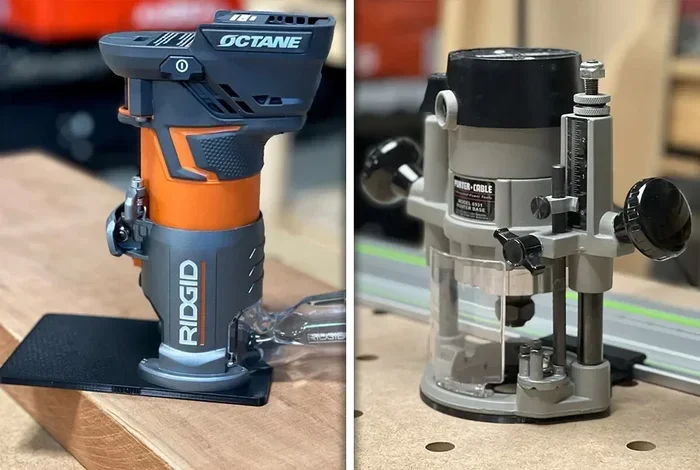
Handheld routers come in two main designs. Fixed-base routers have a stationary base and are great for edge work. Plunge routers have a spring-loaded base that lets you lower the bit into the material while the tool is resting on top. This makes them ideal for starting cuts in the middle of a workpiece rather than at the edge.
Router Tables
A router table mounts the router tool upside down under a flat table surface. The bit sticks up through the table, and you push the workpiece over it. Router tables offer more stability and precision for repetitive tasks. They are excellent for shaping edges on multiple pieces of wood or running larger panels through.
Many professional woodworkers prefer router tables for cabinetry work. They provide better control and reduce fatigue during long sessions. You can also use a handheld router mounted in a table, which gives you the flexibility of both options in one setup.
Trim Routers
Trim routers are smaller, lighter versions of standard routers. They are designed for light-duty tasks like trimming laminate, rounding edges, and making small grooves. These router tools are perfect for beginners or for quick household projects. They are easy to handle and usually more affordable than full-size routers.
CNC Routers
CNC (Computer Numerical Control) routers are the most advanced type. A computer controls the movement of the router tool, allowing for extremely precise and complex cuts. These machines are used in professional manufacturing, sign making, and custom furniture production. While they are expensive, CNC routers offer unmatched accuracy and repeatability.
Common Uses for Router Tools
The uses for router tools are nearly endless. Once you understand what they can do, you will find yourself reaching for them on almost every project. Here are the most common applications.
Edge Profiling and Decorative Edges
One of the most popular uses for a router tool is creating decorative edges on wood. You can add rounded profiles, chamfers, ogees, or custom shapes to tabletops, shelves, cabinet doors, and more. With the right bit, you can transform a plain piece of wood into something that looks professionally finished.
Edge profiling is especially common in cabinetry and furniture making. A router tool lets you create consistent, clean edges across multiple pieces quickly. This is something that would take much longer and be harder to achieve with hand tools alone.
Making Dado and Rabbet Cuts
Dado and rabbet cuts are essential joinery techniques used in shelving, cabinetry, and furniture assembly. A dado cut is a groove cut across the grain of wood, while a rabbet is a groove cut along the edge. Router tools make both cuts clean and precise, especially when used with a guide fence or template.
These cuts are fundamental in woodworking. They allow shelves to fit snugly into cabinets and panels to join together securely. Using a router tool for dado and rabbet cuts saves time and ensures a tight fit every time.
Creating Joinery and Mortise-and-Tenon Joints
Strong joints are the backbone of quality woodworking. Router tools can cut mortise-and-tenon joints, dovetails, and other complex joinery patterns. These joints are used in everything from drawer construction to table legs and frame assembly.
While hand-cut joinery is a traditional skill, using a router tool speeds up the process significantly. You can create perfectly fitting joints with repeatable accuracy. This is especially valuable when building multiple pieces of furniture or kitchen cabinets.
Hollowing Out Wood for Inlays and Sign Making
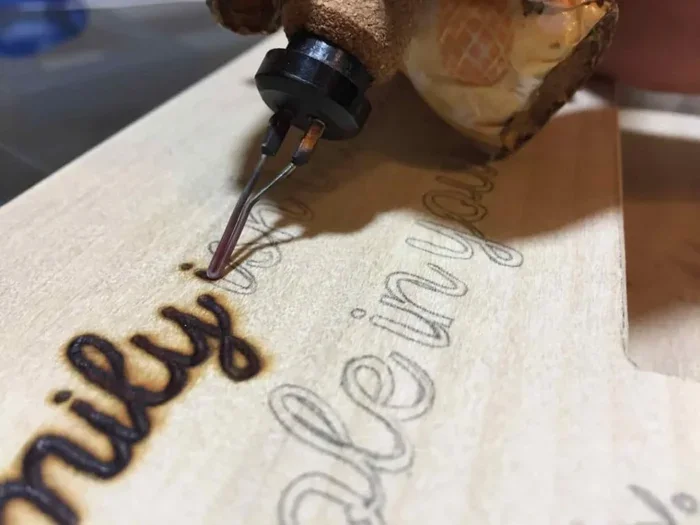
Want to create an inlay or carve a design into a wooden surface? A router tool can hollow out precise areas to accept decorative pieces. Sign makers also use routers to carve letters and designs into wood, giving a professional and polished look.
This type of work requires patience and the right bit, but the results are stunning. Many hobbyists use router tools for personalized gifts, custom signs, and decorative home accents. The creative possibilities are limited only by your imagination.
Trimming and Flush Cutting
Trim routers excel at flush cutting, which means making a surface perfectly level with an adjacent piece. This is useful when installing laminate countertops, trimming veneer, or leveling mismatched joints. A router tool makes quick work of these tasks that would otherwise be tedious with sandpaper or a saw.
How to Choose the Right Router Tool
Choosing the right router tool depends on several factors. You need to consider your skill level, the types of projects you plan to tackle, and your budget. Here is what to look for.
Consider the Motor Power
Router tools come with motor sizes ranging from about 1 horsepower for trim routers up to 3.5 horsepower or more for heavy-duty models. More power means the tool can handle harder materials and larger bits without slowing down. For most home projects, a 1.5 to 2.5 horsepower router strikes a good balance between power and control.
If you are only doing light trimming and edge work, a smaller trim router will do the job. But if you plan on building furniture or tackling cabinetry, invest in a more powerful router tool. The extra power makes a noticeable difference in cut quality and ease of use.
Think About Speed Control
Variable speed control is a valuable feature on router tools. Different bits require different speeds for optimal performance. Larger bits generally need lower speeds to avoid burning the wood, while smaller bits work well at higher speeds. A router with adjustable speed lets you fine-tune the tool for each job.
Check the Base and Collet Size
The base of the router affects stability and control. Larger bases provide more support, especially on bigger workpieces. Collet size determines which bits you can use. Most routers use either a 1/4-inch or 1/2-inch collet, and some models accept both sizes with a simple adapter. A 1/2-inch collet provides better grip and less vibration for heavier cutting.
Ergonomics and Weight
You will be holding your router tool for extended periods, so comfort matters. Look for a model with a comfortable grip, balanced weight distribution, and easy-to-reach controls. A well-designed router reduces hand fatigue and improves cut accuracy. Try holding the tool in a store before buying if possible.
Safety Tips for Using Router Tools
Router tools are powerful and fast-moving, which means they demand respect and caution. Following safety guidelines protects you from injury and keeps your projects on track.
Always Wear Protective Gear
Wear safety glasses to protect your eyes from flying wood chips and dust. Ear protection is also important since routers can be loud. A dust mask or respirator keeps fine particles out of your lungs. These simple precautions make a big difference in long-term safety.
Secure Your Workpiece
Never hold a workpiece with your bare hands while routing. Use clamps or a vise to secure the material firmly. A moving workpiece can cause the router to kick back or produce uneven cuts. Stable workpieces lead to cleaner results and safer operation.
Unplug Before Changing Bits
Always disconnect the power before swapping router bits. This prevents accidental starts that could cause serious injury. Even if your router has a trigger lock, make it a habit to unplug first. This is one of the most important safety rules for using router tools.
Let the Tool Do the Work
Do not force the router through the material. Let the spinning bit do the cutting at its own pace. Pushing too hard can stall the motor, burn the wood, or cause the bit to kick back. Move the router steadily and smoothly for the best results.
Maintaining Your Router Tools
Proper maintenance keeps your router tools running smoothly and extends their lifespan. A well-maintained router cuts cleaner and performs better every time you use it.
Clean After Every Use
Wood dust and debris build up inside the router over time. After each use, remove the bit and clean out the collet, base, and ventilation openings. Use compressed air or a soft brush to clear out stubborn particles. Keeping the tool clean prevents buildup that can affect performance.
Replace or Sharpen Bits Regularly
Dull router bits produce rough cuts, burn the wood, and force the motor to work harder. Inspect your bits before each use and replace them when they show signs of wear. Sharp bits make cleaner cuts and reduce the strain on your router tool. Many sharpening services can restore old bits to like-new condition.
Lubricate Moving Parts
Check the manufacturer’s recommendations for lubrication. Some routers have bearings or sliding parts that need occasional oiling. Keeping these components well-lubricated reduces friction and prevents premature wear. A few minutes of maintenance goes a long way toward keeping your router tools in top shape.
Store Properly
Store your router in a dry, clean space when not in use. Use a carrying case or toolbox to protect it from dust and moisture. Proper storage prevents rust and keeps the tool ready for your next project. A well-organized workshop also makes it easier to find your router tools when inspiration strikes.
If you are managing a larger collection of tools and equipment, having an organized system in place makes a big difference. Good process workflow tools can help you track maintenance schedules, tool locations, and project timelines. The same principle applies to professional settings where field service management tools and work order management tools keep everything running smoothly.
Common Mistakes to Avoid
Even experienced woodworkers make mistakes with router tools. Being aware of common errors helps you avoid them and get better results.
- Using the wrong bit for the material: Always match the bit type and material to your workpiece. Using a wood bit on metal or vice versa damages both the bit and the material.
- Routing too deep in a single pass: Take shallow passes and work your way deeper. Routing too much material at once causes burning, bit breakage, and loss of control.
- Ignoring the grain direction: Always route in the direction the bit spins. Routing against the grain causes tear-out and rough edges.
- Skipping test cuts: Always test your settings on scrap wood before routing your final piece. This saves material and prevents costly mistakes.
- Neglecting bit maintenance: Dirty or dull bits lead to poor cuts and extra wear on the motor. Clean and inspect your bits regularly.
Expert Insights on Router Tools
Professional woodworkers agree that router tools are one of the most used instruments in the shop. According to experienced builders, the key to mastering a router is practice and patience. Start with simple edge profiles and gradually work your way up to more complex joinery and decorative work.
Many pros also recommend investing in a quality router table. It transforms a handheld router into a precision instrument capable of producing consistent results across many pieces. The initial setup takes time, but the payoff in accuracy and efficiency is well worth the effort.
Another tip from the pros is to build a collection of quality bits over time. You do not need dozens of bits right away. Start with a roundover, a chamfer, and a straight bit. As your skills grow, add specialty bits for dovetails, slots, and decorative profiles. A well-curated bit collection makes any router tool more versatile and capable.
When comparing router tools to other power tools in the shop, they hold their own as indispensable instruments. Just as building maintenance tools keep a structure in good shape, routers keep woodworking projects looking polished and professional. They complement other tools like saws and sanders by adding detail and precision that those tools cannot achieve alone.
In professional settings, the value of organized tool management cannot be overstated. Whether you are using process workflow tools to streamline a shop operation or relying on building maintenance tools to keep equipment in top condition, the principle is the same. Good organization and maintenance lead to better results and longer tool life.
Final Thoughts
Router tools are a must-have for anyone serious about woodworking or home improvement. Their versatility, precision, and creative potential make them stand out in any tool collection. From simple edge profiles to complex joinery, these tools deliver results that are hard to achieve any other way.
If you are new to woodworking, start with a basic handheld router and a few essential bits. Practice on scrap wood, learn the techniques, and build your confidence. As you grow, you can expand your collection and tackle more ambitious projects. The journey with router tools is one of constant learning and rewarding results.
Take care of your router, keep your bits sharp, and always prioritize safety. With the right approach, your router tools will serve you well for many years and countless projects. Get out there, start routing, and enjoy the satisfaction of creating something beautiful with your own hands.
Frequently Asked Questions
What is the main purpose of a router tool?
A router tool is primarily used for shaping edges, cutting grooves, and creating decorative profiles on wood and other materials. It spins a cutting bit at high speed to remove material with precision, making it essential for woodworking, cabinetry, and home improvement projects.
Can a beginner use router tools safely?
Yes, beginners can use router tools safely by starting with a trim router, wearing protective gear, and practicing on scrap wood first. Always secure your workpiece, let the tool do the work, and never force the bit through the material. With basic precautions, routing is safe and enjoyable for newcomers.
What is the difference between a fixed-base and a plunge router?
A fixed-base router has a stationary base and is best for edge work and profiling. A plunge router has a spring-loaded base that lets you lower the bit into the material while the tool sits on top. Plunge routers are ideal for starting cuts in the middle of a workpiece, while fixed-base routers offer more stability for edge tasks.
How often should I replace my router bits?
Replace your router bits when you notice dull edges, burning on the wood, or rough cuts. With regular use, quality bits can last for months or even years depending on the material you cut. Cleaning and storing bits properly also extends their lifespan significantly.
Do I need a router table for woodworking projects?
A router table is not strictly necessary, but it greatly improves precision and stability for repetitive tasks like edge profiling on multiple pieces. Many woodworkers find that a router table makes their router tools more versatile and easier to control, especially for larger or more complex projects.
What materials can router tools work with besides wood?
Besides wood, router tools can work on plastic, acrylic, and soft metals like aluminum when using the appropriate bits. Some specialized routers can even carve soft stone and laminate materials. Always check the manufacturer’s recommendations for the materials your specific router supports.
=== /FAQS ===