What Size Generator for Home Will Power Your Whole House
Not sure what size generator for home you need? This guide breaks down exactly how to calculate your power needs and choose the right unit. You’ll learn about wattage, types of generators, and how to avoid costly mistakes.
Power outages happen when you least expect them. Storms, grid failures, or even a simple equipment malfunction can leave your home dark and cold. What size generator for home do you need to keep the lights on and the fridge running? The answer isn’t one-size-fits-all. It depends on your power needs, your budget, and the type of generator you choose.
This guide walks you through everything you need to know. I’ll explain how to calculate your home’s wattage, compare generator types, and give you clear recommendations. By the end, you’ll know exactly what size generator for home setup will keep your family comfortable and safe.
Key Takeaways
- Know your wattage: Calculate both starting and running watts for every appliance to avoid overloads.
- Match generator type to your needs: Portable units suit essentials; standby generators power the whole house.
- Don’t guess the size: Use a load calculation or generator size calculator to find the right kilowatt rating.
- Consider fuel and runtime: Propane, natural gas, and gasoline each offer different run times and costs.
- Install an automatic transfer switch: This ensures seamless backup power during an outage.
- Avoid these common mistakes: Overloading, ignoring surge watts, and skipping maintenance can damage your home and generator.
📑 Table of Contents
Why You Need a Generator for Your Home
The Reality of Power Outages
Power outages are more common than many people think. A severe storm can knock out electricity for days. Even a short outage can spoil food in your refrigerator or shut down your home security system. A home backup power solution gives you peace of mind. You won’t have to worry about frozen pipes, spoiled meals, or a dead phone.
A generator keeps essential systems running. It powers your furnace, well pump, and medical equipment. It also lets you maintain a normal routine. Whole house generators are designed to handle this. But you must pick the right size. Too small, and the generator will overload. Too big, and you waste money on fuel and installation.
How to Calculate Your Home’s Power Needs
Understanding Watts: Starting vs Running
Every appliance has two power ratings. Running watts are the power needed to keep the appliance working. Starting watts (or surge watts) are the extra power needed to start motors and compressors. A refrigerator, for example, needs about 700 running watts but can spike to 2,200 watts when the compressor kicks on. If you ignore starting watts, your generator will stall.
To find these numbers, check the label on each appliance. You can also use a generator size calculator online. These tools add up all your essential loads and tell you the total wattage you need. Always add a 20% buffer for safety.
Step-by-Step Load Calculation
Follow these steps to calculate your home’s power needs:
- List all the appliances you want to run during an outage.
- Note the running watts and starting watts for each item.
- Add up all the starting watts (the highest spike for each appliance).
- Add up all the running watts.
- Take the larger of the two numbers (starting or running) and add 20%.
This gives you the minimum kilowatt rating you need. For example, if your total starting watts are 8,000 and running watts are 5,500, you need a generator rated for at least 8,000 watts (or 8 kW). A 10 kW unit would give you comfortable breathing room.
Generator Types and Their Sizes
Portable Generators
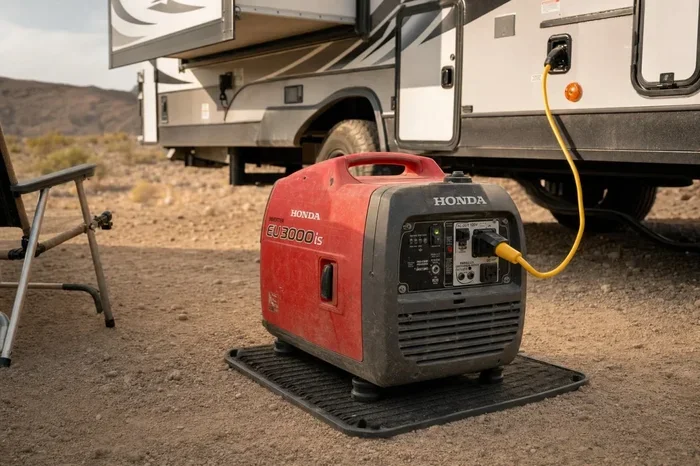
Portable generators are the most affordable option. They typically range from 3,000 to 8,500 watts. You can move them around and plug in essential appliances with extension cords. They run on gasoline, propane, or dual fuel. A portable unit is great for powering a few key items like a fridge, lights, and a window AC unit.
However, they require manual setup. You must run extension cords through windows or doors. They also need regular refueling. For a full home backup power solution, a portable generator may not be enough unless you size it carefully.
Standby Generators
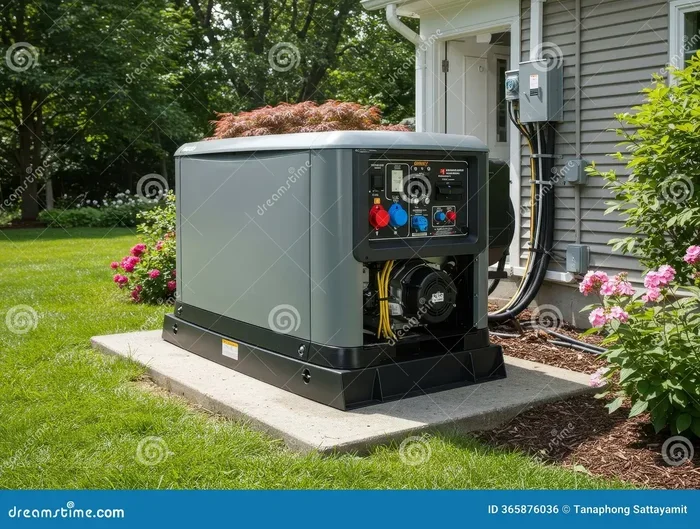
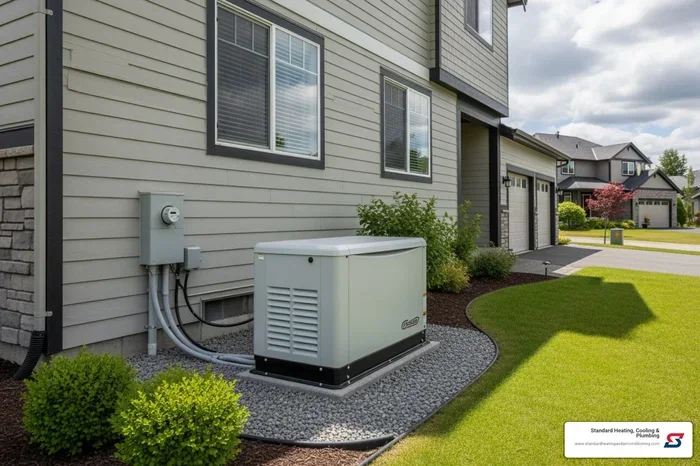
A standby generator is a permanent installation outside your home. It connects directly to your electrical system and fuel supply. When the power goes out, an automatic transfer switch turns the generator on within seconds. These units range from 7 kW to 40 kW and can power an entire house.
Standby generators run on natural gas or propane. They don’t require refueling because they tap into your existing gas line. This makes them the best choice for a what size generator for home that you never have to think about again. They are more expensive upfront but offer unmatched convenience and safety.
Inverter Generators
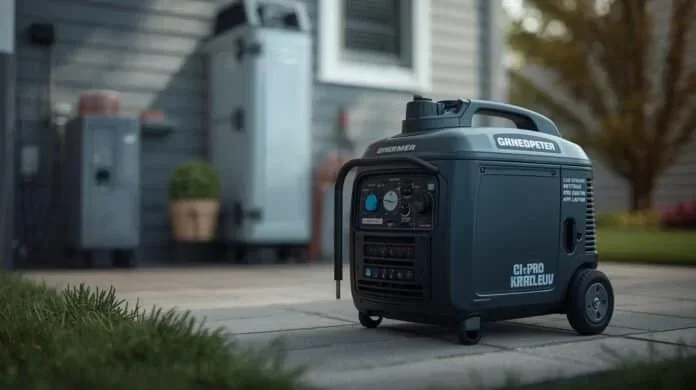
Inverter generators produce clean, stable power. They are ideal for sensitive electronics like laptops, TVs, and phones. They are usually smaller and more fuel-efficient than conventional portable generators. A typical inverter unit runs between 1,000 and 4,000 watts.
You can link two inverter generators in parallel to double the power output. This is a great trick if you need more wattage but want to keep things quiet and portable. Inverter generators are perfect for home backup power during short outages or for camping and tailgating.
What Size Generator for Home: The Sweet Spot
Small Generators (3,000–5,000 Watts)
A small generator can keep the lights on and charge your devices. It can run a fridge, a few lights, a phone charger, and a laptop. It won’t power a central air conditioner or an electric stove. These units are lightweight and easy to store. They are best for apartments, small homes, or households that only need essentials during a short outage.
Medium Generators (5,000–8,500 Watts)
A medium-sized unit gives you more flexibility. It can handle a refrigerator, microwave, sump pump, and a window AC unit. You can also run a few lights and charge electronics. Many families find that a 7,500-watt generator hits the sweet spot for home backup power. It covers most essential circuits without breaking the bank.
Large Generators (10,000–15,000 Watts)
A large generator can power a well pump, a central air conditioner, a gas furnace, and multiple kitchen appliances. It’s ideal for larger homes or households with high energy needs. A 12,000-watt unit can handle most of what a home throws at it. You’ll still need to manage loads carefully, but you won’t have to choose between the AC and the fridge.
Whole-House Generators (20,000+ Watts)
If you want to power your entire home without thinking about it, a whole-house generator is the answer. These units start at 20 kW and go up to 60 kW or more. They can run everything: air conditioning, electric ovens, laundry machines, and shop tools. A whole-house generator is a true whole house generator solution. It automatically kicks in and keeps your life running exactly as it was before the outage.
| Generator Size | Wattage Range | What It Can Power | Best For |
|---|---|---|---|
| Small | 3,000–5,000 W | Lights, fridge, phone chargers, laptop | Apartments, small homes, short outages |
| Medium | 5,000–8,500 W | Fridge, microwave, sump pump, window AC, lights | Most families, essential circuits |
| Large | 10,000–15,000 W | Well pump, central AC, gas furnace, kitchen appliances | Larger homes, high energy needs |
| Whole-House | 20,000–60,000+ W | Everything in the home, including electric ovens and shop tools | Full-home backup, luxury comfort |
Key Features to Look For
Automatic Transfer Switch
An automatic transfer switch (ATS) is a must-have for standby generators. It monitors your home’s power and instantly switches to the generator when the grid goes down. You don’t have to walk outside in the dark to start the unit. The ATS also prevents backfeeding, which can endanger utility workers. It’s a safety feature that pays for itself in peace of mind.
Power Management System
Some generators come with a power management system (PMS). This feature prioritizes essential circuits and shuts down non-essential ones when the load gets too high. For example, the PMS might cycle the AC compressor off for a few minutes to keep the fridge and medical equipment running. This lets you run a smaller generator safely. It’s a smart way to get by without overspending on a massive unit.
Fuel Type and Runtime
Generators run on gasoline, propane, natural gas, or diesel. Dual fuel models can switch between propane and gasoline. Natural gas and propane offer longer run times because you can connect them to large tanks or your home’s gas line. Gasoline is easy to find but has a shorter shelf life. Consider how long you need the generator to run during a typical outage. A unit with a large fuel tank and low fuel consumption will save you trips to the gas station.
Noise Level
Nobody wants a generator that sounds like a jet engine. Inverter generators are the quietest option. Many standby generators have sound-attenuating enclosures that reduce noise to acceptable levels. Check the decibel rating before you buy. A unit rated at 60 dB or lower is similar to a normal conversation. This matters if you have close neighbors or local noise ordinances.
Common Mistakes When Sizing a Generator
Avoid these pitfalls so you don’t end up with the wrong what size generator for home:
- Forgetting starting watts: This is the number one mistake. A generator that meets running watts may still fail to start your air conditioner or well pump.
- Underestimating future needs: Are you planning to add a hot tub or an electric vehicle charger? Factor those in now to avoid buying a new generator later.
- Ignoring the 20% buffer: Running a generator at full capacity shortens its lifespan and risks overheating. Always leave headroom.
- Skipping the automatic transfer switch: Plugging a portable generator into a wall outlet (backfeeding) is dangerous and illegal in many areas. Use a proper transfer switch or interlock kit.
- Choosing fuel without considering availability: If you live in an area prone to long outages, gasoline can spoil or become hard to find. Propane or natural gas is more reliable for extended use.
Final Verdict: Finding the Right Size Generator
Choosing the right what size generator for home comes down to two things: your power needs and your budget. If you only need to keep a few essentials running, a portable generator in the 5,000–8,500-watt range will serve you well. If you want the comfort of whole-house power without lifting a finger, invest in a standby generator sized to your load calculation.
Start by listing your essential appliances and finding their wattage. Add a 20% buffer. Then decide between portable, inverter, or standby. Don’t forget to factor in fuel type and runtime. A whole house generator is a big investment, but it delivers unmatched reliability. Whether you face occasional storms or live in an area with unreliable power, the right generator keeps your home safe and comfortable. Take the time to calculate your needs now, and you’ll be glad you did when the lights go out.
Frequently Asked Questions
What size generator do I need to run a typical home?
A typical home needs a generator between 5,000 and 10,000 watts to cover essential circuits. This range can power a refrigerator, lights, a sump pump, and a window AC unit. For full-house coverage including central air and electric heat, you’ll want a 20 kW or larger standby generator.
Can a 7,500-watt generator power a whole house?
A 7,500-watt generator can handle most essential loads in a typical home. It will run your fridge, lights, sump pump, and a few outlets comfortably. However, it may not power a central air conditioner or an electric stove at the same time. You’ll need to manage which circuits are active to avoid overloading.
What is the difference between running watts and starting watts?
Running watts are the continuous power needed to keep an appliance operating. Starting watts are the extra burst of power required to start motors and compressors. A generator must be able to handle the starting watts of your largest appliance, even if it only needs the running watts for most of the time.
Should I buy a portable or standby generator for home backup?
Portable generators are cheaper and easy to move, but they require manual setup and extension cords. Standby generators are permanently installed, turn on automatically, and run on natural gas or propane. For a reliable home backup power solution, a standby generator is the better long-term choice, even though the upfront cost is higher.
How do I calculate the wattage of my appliances?
Check the nameplate label on each appliance for running watts. For motors and compressors, look for the starting watts rating, which is often listed separately. If only the amperage is given, multiply the amps by the voltage (120V or 240V) to get watts. A generator size calculator can automate this process for all your listed devices.
What fuel type is best for a home generator?
Natural gas and propane are the most convenient for standby generators because they connect to your home’s fuel lines and never run out. Gasoline is common for portable units but has a short shelf life. Dual fuel generators give you flexibility to use either gasoline or propane, which is helpful if you want backup options during a long outage.