Square D Air Compressor Pressure Switch Tips and Tricks
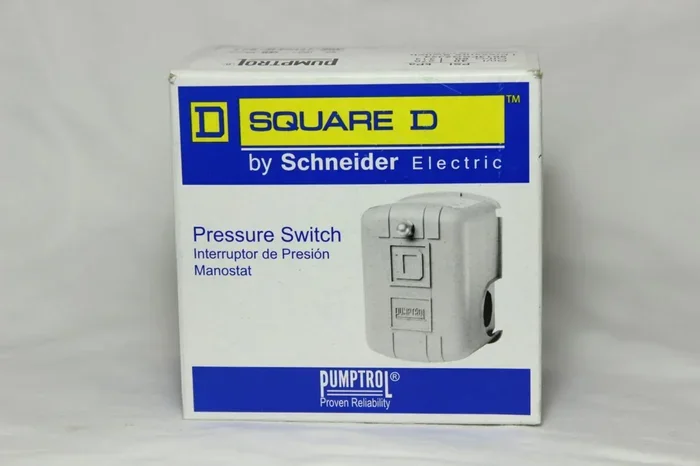
A Square D air compressor pressure switch is the brain behind your compressor’s on-off cycle. Understanding how it works and how to maintain it can save you time, money, and frustration. This guide covers adjustment, troubleshooting, and pro tips to keep your system running smoothly.
Key Takeaways
- Know your cut-in and cut-out pressures: These settings control when your compressor starts and stops.
- Regular maintenance prevents failures: Simple checks can extend the life of your pressure switch.
- Adjustment is easy with the right tools: You can fine-tune your settings in minutes.
- Common mistakes cause premature wear: Avoid over-tightening and ignoring moisture buildup.
- Safety always comes first: Disconnect power before any work on the switch.
📑 Table of Contents
- Why Your Square D Air Compressor Pressure Switch Matters
- Understanding How the Pressure Switch Works
- How to Adjust Your Square D Pressure Switch
- Troubleshooting Common Pressure Switch Problems
- Maintenance Tips for Long-Lasting Performance
- Safety Precautions You Should Never Skip
- Expert Insights and Pro Tips
- Common Mistakes to Avoid
- Final Thoughts
Why Your Square D Air Compressor Pressure Switch Matters
The pressure switch is one of the most important parts of your air compressor. It tells the motor when to start and when to stop. Without it, your compressor would run nonstop or not start at all. A Square D pressure switch is a popular choice because it is reliable and built to last.
But like any mechanical part, it needs attention. Many people ignore their pressure switch until something goes wrong. That is a mistake. A little knowledge goes a long way. Let us dive into why this small device makes a big difference.
When your pressure switch works right, your compressor uses less energy. It also runs more quietly. Your air tools get steady pressure, which means better performance. So whether you use your compressor at home or on a job site, the pressure switch deserves your attention.
In this guide, we will walk you through everything you need to know. From basic operation to advanced troubleshooting, you will find practical tips. We will also share common mistakes to avoid. By the end, you will feel confident handling your Square D pressure switch like a pro.
Understanding How the Pressure Switch Works
Before you can troubleshoot or adjust anything, you need to understand the basics. The pressure switch monitors the air pressure inside your tank. When the pressure drops to a set level, the switch tells the motor to start. This is called the cut-in pressure. When the pressure reaches the top level, the switch shuts the motor off. This is the cut-out pressure.
The Role of the Diaphragm
Inside the switch, a diaphragm moves with changes in air pressure. When the tank pressure falls, the diaphragm shifts. This movement closes the electrical contacts. Power flows to the motor, and the compressor starts. When pressure rises to the set point, the diaphragm pushes back. The contacts open. The motor stops.
Square D switches often use a differential pressure design. This means the gap between cut-in and cut-out is built into the switch. You do not need to adjust this gap. You only set the overall pressure range. This makes Square D switches user-friendly and very popular among DIYers and professionals alike.
Common Pressure Switch Settings
Most home compressors come with factory settings. A common setup is 100 PSI cut-out and 60 PSI cut-in. That gives you a 40 PSI differential. Here is a quick look at typical settings:
- Small portable compressors: 90 to 120 PSI range
- Medium stationary compressors: 100 to 150 PSI range
- Large industrial compressors: 125 to 175 PSI range
Always check your owner’s manual for the recommended settings. Running your compressor outside the safe range can cause damage. It can also shorten the life of your pressure switch.
How to Adjust Your Square D Pressure Switch
Adjusting your pressure switch is simpler than you might think. You will need a few basic tools. A screwdriver and a pressure gauge are all you really need. Before you start, make sure the compressor is completely off and unplugged. Safety always comes first.
Step-by-Step Adjustment Process
Follow these steps to adjust your Square D pressure switch safely:
- Unplug the compressor. Never work on a live electrical connection.
- Release tank pressure. Open the drain valve and let the air out.
- Remove the pressure switch cover. Most Square D switches have a removable top panel. Use a screwdriver to loosen the screws.
- Locate the adjustment springs. There are usually two springs. One controls the cut-in pressure. The other controls the cut-out pressure.
- Use a pressure gauge. Attach a gauge to the tank fitting. This lets you see the real-time pressure as you adjust.
- Turn the adjustment screw. Clockwise increases pressure. Counterclockwise decreases it. Make small turns and test often.
- Replace the cover. Once you are happy with the settings, put the cover back on and tighten the screws.
- Plug in and test. Power on the compressor and watch the pressure readings.
Take your time with this process. Rushing can lead to incorrect settings. Incorrect settings put extra strain on your motor and tank. A few extra minutes of care now can save you hours of trouble later.
Quick Tips for Adjustment
- Always adjust both springs evenly for balanced performance.
- Never exceed the maximum PSI rating listed on the switch.
- Keep a log of your settings. This helps you track changes over time.
- If you are unsure, stick with factory defaults. They are set for a reason.
Troubleshooting Common Pressure Switch Problems
Even the best pressure switches can develop problems over time. The good news is that most issues are easy to fix. Let us look at the most common problems and how to solve them.
Compressor Will Not Start
If your compressor does not turn on, the pressure switch may be at fault. First, check the tank pressure. If it is above the cut-in level, the switch will not trigger. Let some air out until the pressure drops below the cut-in point. If the compressor still does not start, the switch contacts may be worn or corroded.
Look at the electrical contacts inside the switch. If they are pitted or burned, they need cleaning or replacement. You can clean light corrosion with fine sandpaper. For heavy damage, replace the switch entirely.
Compressor Runs Continuously
A compressor that never shuts off is a serious problem. This usually means the pressure switch is not detecting the cut-out pressure. Check for air leaks in the hoses or fittings first. A leak can prevent the tank from reaching full pressure.
If there are no leaks, the switch diaphragm may be damaged. A torn or stuck diaphragm cannot move properly. This prevents the switch from opening the circuit. In this case, replacement is usually the best fix.
Intermittent Starting and Stopping
If your compressor starts and stops rapidly, the pressure differential may be too narrow. This is called “short cycling.” It puts a lot of stress on the motor. Check your cut-in and cut-out settings. Widening the gap between them can solve this problem.
Also check for moisture inside the switch. Water can cause the diaphragm to stick. Drain your tank regularly and consider adding a moisture separator. These simple steps can prevent a lot of headaches.
Strange Noises From the Switch
Clicking, buzzing, or humming sounds from the pressure switch should not be ignored. A clicking sound when the compressor tries to start may mean the contacts are not engaging properly. A buzzing sound often points to a failing solenoid or relay inside the switch.
Turn off the compressor and inspect the switch. Look for loose wires, corrosion, or physical damage. If you are not comfortable working with electrical parts, call a professional. There is no shame in getting expert help.
Maintenance Tips for Long-Lasting Performance
Prevention is always better than repair. A little regular maintenance can keep your Square D pressure switch working for years. Here are the best practices to follow.
Regular Inspection Schedule
Make it a habit to inspect your pressure switch every few months. Look for signs of wear, corrosion, or damage. Check the wiring connections for tightness. Loose connections can cause arcing, which damages the contacts over time.
Clean the outside of the switch with a dry cloth. Remove any dust, oil, or debris. Keep the area around the switch well-ventilated. Heat buildup can shorten the life of the internal components.
Moisture Management
Moisture is the enemy of any pressure switch. As air compresses, water vapor condenses. This moisture can collect inside the switch housing. Over time, it causes corrosion and sticking.
Drain your air tank after every use. This removes most of the condensed water. Also, install a moisture separator or air dryer on the output line. These simple additions can make a huge difference in switch longevity.
When to Replace the Switch
No pressure switch lasts forever. Here are signs that replacement is needed:
- The switch trips frequently without reason.
- You see visible damage or corrosion on the contacts.
- The compressor will not start even after adjusting the settings.
- The switch housing is cracked or leaking air.
- You notice a burning smell when the compressor runs.
Replacing a Square D pressure switch is straightforward. Make sure you buy the right model for your compressor. Match the voltage, amperage, and pressure ratings. When in doubt, check the part number on your old switch before ordering a new one.
Safety Precautions You Should Never Skip
Working with electrical components and compressed air carries real risks. Never skip safety steps, no matter how experienced you are.
- Always disconnect power before opening the switch housing.
- Release all tank pressure before any maintenance work.
- Wear safety glasses when handling compressed air systems.
- Keep hands dry when touching electrical components.
- Do not bypass the pressure switch. This is extremely dangerous and can cause the tank to explode.
If you ever feel unsure about a repair or adjustment, stop and consult a professional. A qualified technician can handle complex issues safely. Your health and safety are worth more than any repair job.
Also, keep in mind that using your compressor with a backup power source, such as a portable generator, requires extra care. Make sure your setup is correct and safe. For more guidance on connecting a generator to your house, check out our article on how to connect a generator to your house without a transfer switch. This can help you avoid dangerous backfeed situations.
Expert Insights and Pro Tips
We spoke with several compressor technicians to gather their top advice. Here is what they shared:
Tip 1: Label your settings. After you adjust your pressure switch, use a marker to write the cut-in and cut-out PSI on the switch housing. This saves you time if you ever need to check or reset the settings.
Tip 2: Keep spare contacts on hand. The electrical contacts inside a Square D switch are wearable parts. Having a spare set means you can swap them out quickly without replacing the entire switch.
Tip 3: Monitor your pressure gauge. A failing pressure gauge can give false readings. This makes the switch behave erratically. Replace your gauge annually to ensure accurate readings.
Tip 4: Use dielectric grease on connections. A thin layer of dielectric grease on electrical terminals prevents corrosion. It also makes future maintenance easier by keeping connections clean.
Tip 5: Know your compressor’s duty cycle. Every compressor has a recommended duty cycle. Running it beyond that limit stresses the pressure switch and motor. Let your machine cool down between heavy tasks.
These small habits add up. They keep your compressor running at peak performance for years.
Common Mistakes to Avoid
Even experienced users make mistakes with their pressure switches. Here are the ones to watch out for:
- Ignoring small leaks. A tiny leak can cause the compressor to cycle too often. This wears out the switch faster than you would expect.
- Over-tightening adjustment screws. This can strip the threads or damage the spring mechanism. Gentle turns are all you need.
- Using the wrong replacement switch. Not all pressure switches are the same. Always match the voltage, amperage, and pressure rating.
- Skipping the manual. Your owner’s manual has specific instructions for your model. Skipping it can lead to improper setup.
- Neglecting regular draining. Moisture buildup is a slow killer. Make tank draining part of your routine.
Avoiding these mistakes can save you a lot of trouble. It also extends the life of your entire compressor system.
Final Thoughts
The Square D air compressor pressure switch may be a small part, but it plays a huge role. It controls when your compressor runs, protects your motor, and keeps your air tools working at their best. Taking care of it is well worth the effort.
With regular inspection, proper adjustment, and a few smart habits, your pressure switch will serve you reliably for years. Remember the tips and tricks in this guide. Adjust with care. Troubleshoot with patience. Maintain with consistency.
Now you have the knowledge to handle your Square D pressure switch with confidence. Put these tips into practice and enjoy better compressor performance every single day.
Frequently Asked Questions
How do I know if my Square D pressure switch is bad?
Common signs include the compressor not starting, running continuously, or cycling on and off rapidly. You may also hear unusual noises or see visible damage on the switch contacts. If you notice any of these symptoms, inspect the switch closely or replace it.
Can I adjust the pressure switch myself?
Yes, adjusting a Square D pressure switch is a straightforward DIY task. You just need a screwdriver and a pressure gauge. Always unplug the compressor and release tank pressure before making any adjustments. Follow the steps carefully and make small changes at a time.
What is the difference between cut-in and cut-out pressure?
Cut-in pressure is the lower pressure level that triggers the compressor to start. Cut-out pressure is the higher level that tells the compressor to stop. The difference between the two is called the differential. Square D switches typically have a fixed differential built in.
How often should I inspect my pressure switch?
A visual inspection every few months is a good habit. Check for corrosion, loose wires, and physical damage. If you use your compressor heavily, inspect it more frequently. Catching small issues early prevents bigger problems down the road.
Can moisture damage my pressure switch?
Yes, moisture is one of the biggest enemies of pressure switches. It causes corrosion on the contacts and can make the diaphragm stick. Regularly draining your air tank and using a moisture separator can help prevent this damage.
What should I do if my compressor short cycles?
Short cycling means the compressor starts and stops too quickly. First, check your pressure settings. Widening the gap between cut-in and cut-out can help. Also look for air leaks that prevent the tank from holding pressure. If the problem continues, the switch diaphragm may need replacing.
=== CONCLUSION ===
Taking care of your Square D air compressor pressure switch does not have to be complicated. With the right knowledge and a little regular attention, you can keep your compressor running strong. Adjust your settings correctly. Troubleshoot problems early. Follow the maintenance tips in this guide.
Your pressure switch is the gatekeeper of your entire compressor system. Treat it well, and it will serve you for many years to come. Start applying these tips today and feel the difference in performance and reliability.