The Ultimate Guide To Choosing A 240 Volt Generator
A 240 volt generator is a powerful solution for homes and businesses that need reliable, high-capacity electricity. Whether you’re powering heavy-duty appliances, running a construction site, or preparing for emergencies, choosing the right 240V generator can make all the difference. This guide walks you through everything you need to know — from wattage requirements and fuel types to brand comparisons and expert tips — so you can make a confident, informed purchase.
Key Takeaways
- Match your 240 volt generator to your home’s total wattage needs before buying.
- Choose between portable and standby 240 volt generators based on your outage frequency.
- Prioritize fuel efficiency to reduce operating costs for your 240 volt generator.
- Install a transfer switch to safely power your home with a 240 volt generator.
- Check the runtime per tank to ensure your 240 volt generator lasts through outages.
- Verify voltage stability with a pure sine wave output for sensitive electronics.
- Read real user reviews to gauge reliability and noise levels of any 240 volt generator.
📑 Table of Contents
- What Is a 240 Volt Generator and Why Do You Need One
- How to Size the Right 240 Volt Generator for Your Home
- Types of 240 Volt Generators Available
- Top Features to Look For in a 240 Volt Generator
- Installation and Safety Considerations
- Maintenance Tips to Keep Your Generator Running
- The Cost of a 240 Volt Generator: What to Expect
- Final Thoughts on Choosing Your 240 Volt Generator
What Is a 240 Volt Generator and Why Do You Need One
A 240 volt generator is a power machine that delivers 240 volts of electricity. That is double the voltage of a standard wall outlet, which runs at 120 volts. This extra power makes it possible to run heavy-duty appliances and entire homes during an outage.
You might wonder why you would ever need this kind of power. Think about your air conditioner on a hot summer day. A central AC unit needs a lot of juice to start up and keep running. A 120-volt generator simply cannot handle that load. A 240 volt generator can. It gives you the headroom to power big systems without tripping breakers or overloading the engine.
Many homeowners also use a 240 volt generator for workshops, RVs, and job sites. If you run power tools or heavy equipment, you know how frustrating low voltage can be. It slows things down and can even damage your tools. A proper generator solves that problem completely.
Here is the big takeaway. A 240 volt generator gives you more power, more flexibility, and more peace of mind. Whether you want backup power for your whole house or reliable juice for a work site, this type of generator delivers.
How to Size the Right 240 Volt Generator for Your Home
Sizing is one of the most important steps. Buy too small, and you will be running on fumes during a storm. Buy too big, and you waste money on fuel and maintenance. The sweet spot depends on what you plan to power.
Calculate Your Power Needs
Start by making a list of the appliances and tools you want to run. Write down the wattage for each one. You can find this number on the label or in the owner’s manual. Then add them all up. This gives you your total wattage requirement.
Keep in mind that some devices need extra power to start up. This is called surge wattage. A refrigerator, for example, might use 700 watts while running. But when the compressor kicks in, it needs 2,200 watts for a brief moment. Always account for surge wattage when you size your 240 volt generator.
Use This Simple Sizing Guide
| Home Setup | Essential Items | Recommended Generator Size |
|---|---|---|
| Small Home | Fridge, lights, furnace fan | 5,000 – 7,500 watts |
| Medium Home | AC, fridge, well pump, lights | 7,500 – 10,000 watts |
| Large Home | AC, electric stove, washer, dryer | 10,000 – 15,000 watts |
| Whole House | Everything plus electronics | 15,000 – 20,000+ watts |
Once you know your total wattage, add a 20% buffer. This extra cushion protects your generator from running at full capacity all the time. It also extends the life of the machine. A 240 volt generator with the right size will run smoothly and last for years.
Types of 240 Volt Generators Available
Not all generators are the same. Different types serve different needs. Understanding the options helps you pick the right one for your situation.
Portable 240 Volt Generators
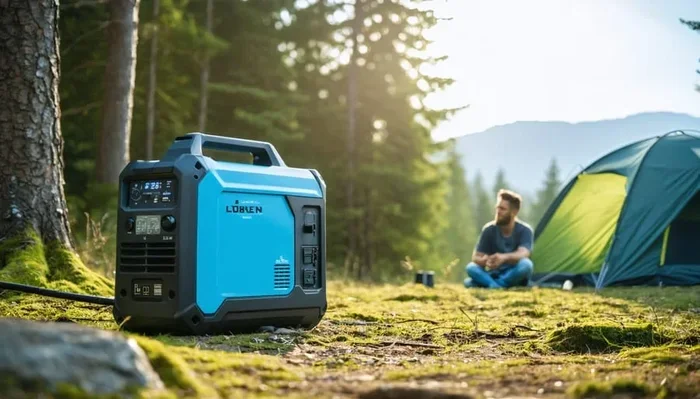
Portable generators are the most popular choice for many families. They are easy to move, simple to set up, and affordable. You can wheel one out during a storm or bring it to a camping trip. Most portable models run on gasoline, though some use propane or dual fuel.
These generators typically deliver between 5,000 and 12,000 watts. That is enough for most homes in an emergency. The downside is that you need to refill fuel and manage the machine manually. Running a generator to your house requires a transfer switch or interlock kit for safe operation.
Standby 240 Volt Generators
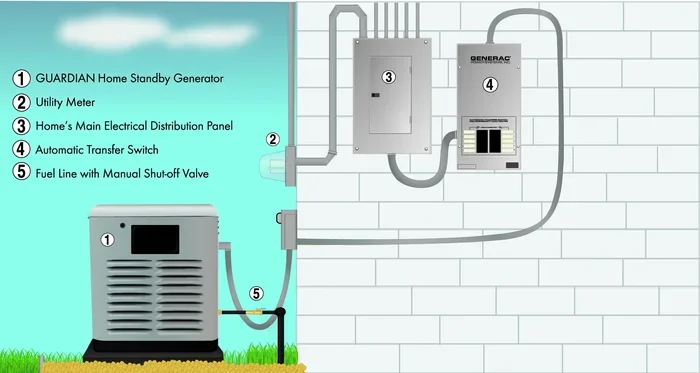
Standby generators are the heavy-duty option. They sit outside your home and kick in automatically when the power goes out. You do not need to lift a finger. The unit detects the outage, starts the engine, and transfers power within seconds.
These units run on natural gas or propane and connect directly to your home’s electrical panel. They are more expensive upfront, but they offer unmatched convenience. If you want a 240 volt generator that works while you sleep, standby is the way to go.
Inverter Generators
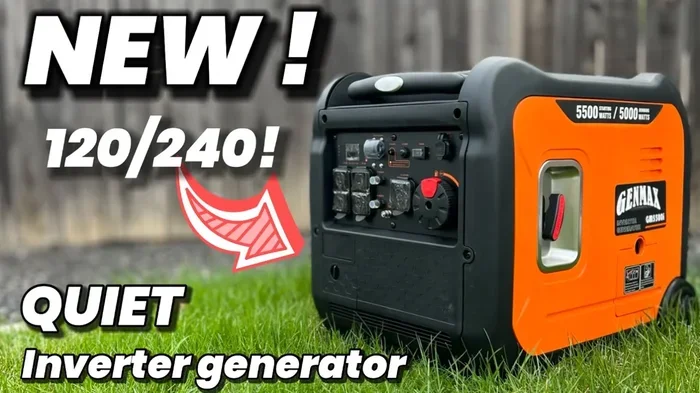
Inverter generators produce clean, stable power. They are ideal for sensitive electronics like laptops, TVs, and medical devices. Traditional generators can send power spikes that damage these items. Inverter models smooth out the electrical output and prevent that risk.
Most inverter generators are lighter and quieter than conventional models. They are perfect for people who need reliable power without the noise. However, they usually max out at around 4,000 to 7,000 watts, which may not be enough for a full house.
Top Features to Look For in a 240 Volt Generator
Not every generator offers the same quality of features. Some extras make a big difference in daily use and long-term satisfaction.
Automatic Voltage Regulation
AVR keeps the output voltage steady. This protects your appliances from power surges. When shopping for a 240 volt generator, look for this feature. It is especially important for electronics and appliances with sensitive circuit boards.
Fuel Efficiency and Runtime
Nobody wants to refuel every few hours during a multi-day outage. Check the runtime rating at 50% and 75% load. A good 240 volt generator should run for at least 8 to 12 hours on a full tank of gasoline. Propane and natural gas models can run even longer with a larger tank.
Fuel efficiency also matters for your wallet. Some engines use less fuel for the same power output. Read reviews and compare numbers before you buy. Over time, the difference in fuel costs can be significant.
Noise Level
Generators can be loud. A noisy unit will disturb your family and your neighbors. Look for decibel ratings before purchasing. Most portable generators run between 65 and 80 dB. Inverter models tend to be quieter, often below 65 dB.
Outlet Options
Check the number and type of outlets on the generator. You want enough outlets for your essential devices. Some models include USB ports, which are handy for charging phones and tablets. A 240 volt generator with diverse outlet options gives you more flexibility in how you use it.
Wheels and Handles
This might seem like a small detail, but it matters a lot. A 240 volt generator weighs anywhere from 50 to 250 pounds. You will want to move it around. Pneumatic wheels and sturdy handles make this much easier. Do not overlook portability.
Installation and Safety Considerations
A generator is only safe when installed correctly. Skipping safety steps can lead to carbon monoxide poisoning, electrical fires, or backfeed hazards. Take these precautions seriously.
Install a Transfer Switch
A transfer switch connects your generator to your home’s electrical panel safely. It prevents backfeed, which sends electricity back into the utility grid. This can endanger line workers and damage your generator. A licensed electrician should install the switch.
If you prefer a simpler setup, an interlock kit works too. It is less expensive and still keeps you safe. Either way, never plug a generator directly into a wall outlet. That is dangerous and often violates local codes.
Place the Generator Outdoors
Always run a generator outside. Exhaust fumes contain carbon monoxide, which is deadly. Even with open garage doors, the fumes can build up fast. Place the unit at least 20 feet from your home, with the exhaust pointing away from windows and doors.
Use the Right Fuel
Follow the manufacturer’s fuel recommendations. Using the wrong fuel can damage the engine and void your warranty. Store fuel in approved containers in a cool, ventilated area. Gas can degrade over time, so use fresh fuel or add a stabilizer.
Check Local Codes and Permits
Before you install a 240 volt generator, check with your local building department. Some areas require permits for generator installations. Others have noise ordinances or placement rules. Staying compliant keeps you safe and avoids fines.
Maintenance Tips to Keep Your Generator Running
A 240 volt generator is a machine that needs regular care. Like a car, it performs best when you follow a maintenance schedule. Skip this, and you risk a machine that won’t start when you need it most.
Run the Generator Regularly
Even if the power never goes out, start your generator once a month. Let it run for about 15 minutes. This keeps the engine lubricated and the battery charged. It also lets you spot small problems before they become big ones.
Change the Oil and Filter
Check the oil level before every use. Change it after the first 20 hours of use, then every 100 hours after that. A clean oil filter keeps the engine running smoothly. Use the oil type recommended by the manufacturer.
Replace the Spark Plug
A worn spark plug makes the engine hard to start. Replace it once a year or every 100 hours of use. This is a cheap and easy fix that makes a big difference. Keep a spare spark plug on hand so you are always ready.
Store Fuel Properly
If you store your generator for long periods, drain the fuel or add a stabilizer. Old gasoline gums up the carburetor and causes starting problems. Propane is a great alternative because it does not degrade over time like gasoline does.
Inspect the Air Filter
A dirty air filter restricts airflow and reduces engine performance. Check it every few uses and clean or replace it as needed. This simple step improves fuel efficiency and extends the life of your generator.
The Cost of a 240 Volt Generator: What to Expect
Price is always a factor when buying a generator. The cost depends on the type, size, and features. Portable models are the most affordable. Standby units cost more but offer automatic operation and higher power output.
Here is a rough cost breakdown for a 240 volt generator:
- Portable gasoline models: $500 – $1,500
- Dual fuel portable models: $800 – $2,000
- Inverter generators: $1,000 – $3,000
- Standby generators: $2,000 – $6,000+
Installation costs for standby units add another $500 to $2,000 depending on electrical work and local labor rates. Factor in ongoing costs like fuel, oil changes, and filter replacements. A 240 volt generator is an investment, but the value it provides during an outage is hard to put a price on.
Many homeowners also look into generator maintenance plans offered by dealers. These plans cover annual inspections and priority service during emergencies. They can save you time and money in the long run.
When you compare costs, think beyond the purchase price. A reliable 240 volt generator keeps your food cold, your home warm, and your family safe. That is worth every penny.
Final Thoughts on Choosing Your 240 Volt Generator
Choosing the right 240 volt generator comes down to understanding your power needs, picking the right type, and following safety guidelines. Take the time to size your generator properly. Consider the features that matter most to you. And commit to a maintenance routine that keeps the machine in top shape.
Whether you choose a portable unit or a whole-house standby system, a 240 volt generator gives you confidence when the power goes out. You will keep your lights on, your food fresh, and your home running. That peace of mind is worth the effort it takes to find the right machine.
Start by listing the appliances you need to power. Match that to the right wattage. Pick a generator type that fits your budget and lifestyle. And do not forget the safety steps like transfer switches and outdoor placement. Follow these steps, and you will find a 240 volt generator that works perfectly for your home.
Frequently Asked Questions
What is a 240 volt generator used for?
A 240 volt generator powers heavy-duty appliances and tools that require more electrical output than standard household outlets can provide. Common uses include running central air conditioning units, well pumps, large kitchen appliances, and workshop equipment. They are also essential for homes in rural areas or during power outages where high-wattage devices need to stay operational.
How do I choose the right size 240 volt generator?
Start by listing all the appliances and tools you plan to run simultaneously and add up their wattage requirements. A 240 volt generator typically ranges from 3,000 to 10,000 watts or more, so matching the size to your actual power needs is critical. Always choose a unit with a little extra capacity to handle startup surges from motor-driven devices like refrigerators and air conditioners.
Can I use a 240 volt generator at home?
Yes, many homeowners use a 240 volt generator as a backup power source during outages or as a primary power supply for workshops and job sites. However, you will likely need a transfer switch or an interlock kit to safely connect the generator to your home’s electrical panel. Hiring a licensed electrician for installation ensures compliance with local electrical codes and keeps your home safe.
What is the difference between a 120V and a 240V generator?
A 240 volt generator delivers twice the voltage of a standard 120V generator, which means it can power heavier loads with less current draw. This makes 240V models more efficient for running large appliances and reduces the strain on extension cords and wiring. While 120V generators work fine for basic needs, a 240V unit is the better choice for high-power demands.
How much does a 240 volt generator cost?
The price of a 240 volt generator varies widely depending on the brand, fuel type, and wattage capacity. Portable models typically range from $500 to $1,500, while larger standby units can cost anywhere from $2,000 to $5,000 or more. Investing in a quality unit with reliable safety features and solid warranty coverage is always worth the extra cost.
Do I need a special outlet or setup for a 240 volt generator?
Yes, a 240 volt generator requires a dedicated 240V outlet or a direct connection to your home’s electrical panel through a transfer switch. Standard household outlets will not work, and attempting to use adapters can create serious safety hazards. Always check your generator’s manual and consult an electrician to set up the correct wiring and outlet configuration for safe operation.