Compressor Pump and Service Tips for Every Homeowner
Keeping your compressor pump in top shape saves money, prevents breakdowns, and extends equipment life. This guide covers everything homeowners need to know about compressor pump and service, from routine maintenance to common repairs. You will learn practical tips, expert insights, and step-by-step advice to maintain your compressor with confidence.
Every homeowner who owns an air compressor knows the frustration of a machine that suddenly stops working. Your compressor pump and service routine plays a huge role in how long your equipment lasts and how well it performs. Whether you use your compressor for inflating tires, powering pneumatic tools, or running a home workshop, staying on top of maintenance makes all the difference.
The good news is that most compressor care tasks are simple and affordable. You do not need to be a mechanic or a technician to keep things running smoothly. This guide walks you through everything you need to know about compressor pump and service in plain, easy-to-follow language. By the end, you will feel confident tackling basic maintenance and knowing when to call in a professional.
Let us face it. A well-maintained compressor works better, uses less energy, and lasts for years. A neglected one breaks down at the worst possible moment. That is why understanding air compressor maintenance basics is one of the smartest things any homeowner can do. Let us dive in.
Key Takeaways
- Regular maintenance keeps your compressor running efficiently and prevents costly repairs down the road.
- Understanding your compressor type helps you choose the right service approach for your home needs.
- Simple DIY tasks like oil changes and filter replacements can be done by any homeowner with basic tools.
- Knowing warning signs of compressor problems lets you address issues before they become major failures.
- Proper storage and seasonal care protect your compressor pump and service longevity during idle periods.
- Hiring a professional for complex repairs saves time and ensures safety and warranty protection.
- Tracking maintenance schedules helps you stay organized and catch problems early.
📑 Table of Contents
- Understanding Your Compressor Pump
- Essential Compressor Pump and Service Routine
- Common Compressor Pump Problems and Solutions
- Choosing the Right Compressor for Your Home
- When to Call a Professional for Compressor Pump and Service
- Extending the Life of Your Compressor Pump
- Seasonal Compressor Care Checklist
- Conclusion
Understanding Your Compressor Pump
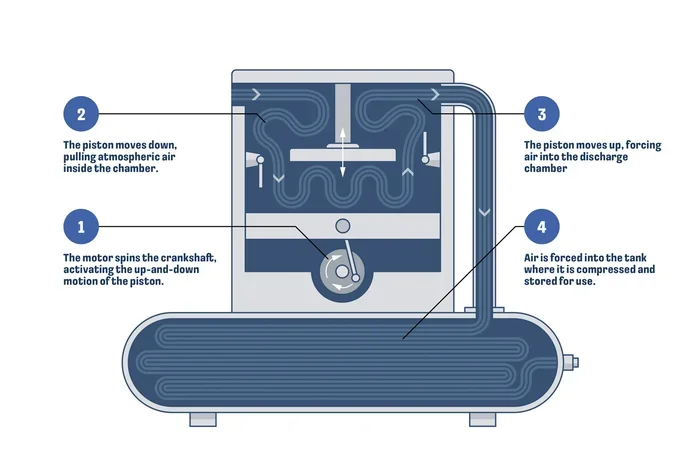
Before you can properly service your machine, you need to understand what is inside it. The pump is the heart of your compressor. It pulls in air, compresses it, and pushes it into the tank. Without a functioning pump, your entire system stops working.
How a Compressor Pump Works
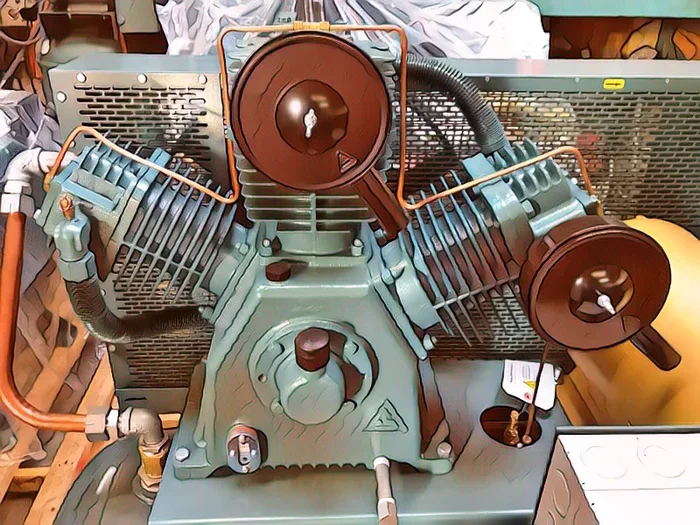
The pump operates by drawing ambient air through an intake valve. A piston or rotary element then compresses that air to a higher pressure. The compressed air flows into the storage tank until it reaches the cut-out pressure set by your pressure switch. When you use compressed air, the pump kicks back on to replenish the tank.
This cycle repeats many times throughout the day. Each cycle puts wear on internal components. That is why regular compressor pump and service is so important. Understanding this basic cycle helps you appreciate why small maintenance tasks matter so much.
Types of Compressor Pumps
Not all compressors are the same. The two main types found in homes are:
- Reciprocating compressors — These use a piston and cylinder setup. They are common in smaller, portable units and home workshops. They tend to need more frequent maintenance because of the moving parts involved.
- Rotary screw compressors — These use two meshing rotors to compress air. They are smoother, quieter, and often found in larger home setups or garage workshops. They generally require less frequent service but still need regular care.
Knowing which type you have helps you understand what compressor pump and service tasks apply to your machine. Check your owner’s manual or the manufacturer’s website if you are unsure.
Essential Compressor Pump and Service Routine
A consistent maintenance schedule is the foundation of a long-lasting compressor. Most routine tasks take only minutes but deliver big benefits. Here is what every homeowner should do on a regular basis.
Daily or Per-Use Checks
Before each use, take a quick look at your machine. These small checks take seconds but prevent problems:
- Check the oil level if your compressor is oil-lubricated. Low oil causes extra friction and overheating.
- Look for visible leaks around fittings, hoses, and connections.
- Listen for unusual sounds like grinding, knocking, or squealing.
- Make sure the unloader valve is functioning properly when the motor starts and stops.
Weekly Maintenance Tasks
Set aside a few minutes each week to keep your compressor in shape:
- Drain the tank — Moisture builds up inside the tank every time the compressor runs. Open the drain valve at the bottom of the tank and release the accumulated water. This prevents rust and keeps your air clean.
- Inspect the air filter — A clogged filter restricts airflow and forces the pump to work harder. Remove the filter and tap it gently to dislodge dust. Replace it if it looks dirty or damaged.
- Check the belt (if applicable) — A worn or loose belt reduces efficiency and can cause the pump to slip. Look for cracks, fraying, or improper tension.
Monthly and Seasonal Tasks
Deeper maintenance should happen on a monthly or seasonal basis:
- Change the compressor oil — Most oil-lubricated compressors need an oil change every 500 to 1,000 operating hours or at least once per season. Use the oil type recommended by the manufacturer.
- Clean the cooling fins — Dust and debris collect on the motor cooling fins. Use a soft brush or compressed air to clean them off. This prevents compressor overheating.
- Inspect the check valve — This valve prevents air from flowing back into the pump when the motor is off. A faulty check valve causes the pump to run constantly and wastes energy.
- Test the pressure switch — Make sure the switch turns the motor on and off at the correct pressures. Adjust if needed according to your manual.
Quick Tip: Keep a simple maintenance log. Write down the date of each oil change, filter replacement, and tank drain. This habit helps you stay consistent and makes troubleshooting easier later.
Common Compressor Pump Problems and Solutions
Even with regular care, compressors can develop issues. The key is catching problems early before they turn into expensive repairs. Here are the most common compressor troubleshooting situations homeowners face.
The Pump Won’t Start
This is one of the most frustrating problems. Before you panic, check these simple things first:
- Is the power cord plugged in securely?
- Has the circuit breaker tripped?
- Is the pressure switch set correctly? Sometimes it gets bumped and resets to a higher pressure than the current tank pressure.
- Is the oil level sufficient? Many compressors have a low-oil safety switch that prevents startup.
If none of these solve the issue, the problem may be a faulty unloader valve or a stuck pressure switch. These are relatively affordable repairs if you address them quickly.
The Pump Runs but Doesn’t Build Pressure
This usually points to an internal leak or worn component. Common causes include:
- Worn valve plates — The intake or exhaust valves can become damaged over time. This lets compressed air leak back into the pump instead of flowing to the tank.
- Piston ring wear — Worn rings allow air to bypass the piston, reducing compression efficiency.
- Leaking gaskets or seals — Over time, seals harden and crack. Air escapes before reaching the output.
For valve plate or piston ring issues, you may need a professional compressor pump repair service. These are internal repairs that require disassembly and specialized tools.
Excessive Noise or Vibration
A healthy compressor runs relatively smoothly. If yours suddenly gets loud or shakes, investigate right away:
- Loose components — Check that bolts, fittings, and mounting brackets are tight.
- Worn belt — A slipping belt often makes a squealing noise, especially during startup.
- Internal damage — Grinding or knocking sounds can indicate worn bearings, piston problems, or debris inside the pump.
Ignoring unusual noises almost always leads to bigger problems. Address compressor noise reduction early to avoid major pump failure.
Choosing the Right Compressor for Your Home
Not every compressor fits every home. Before you buy or replace a unit, understanding a few key specifications helps you make the right choice.
Understanding CFM and PSI
CFM stands for cubic feet per minute. It measures how much air the compressor delivers. PSI stands for pounds per square inch. It measures how much pressure the machine can produce.
For light home use like inflating tires or running a nail gun, a compressor delivering around 2 to 4 CFM at 90 PSI works well. For heavier tasks like running multiple pneumatic tools at once, you need a higher CFM rating.
Always check the duty cycle of a compressor. Duty cycle refers to how long the machine can run continuously before needing to cool down. A 50% duty cycle means the compressor runs for 5 minutes and rests for 5 minutes. For extended use, look for a higher duty cycle or a tank with more gallons of capacity.
Oil-Lubricated vs. Oil-Free Compressors
This choice affects your compressor pump and service routine significantly:
- Oil-lubricated compressors require regular oil changes and monitoring of oil levels. They tend to run cooler and last longer under heavy use. They also need a moisture trap to remove oil vapor from the output air.
- Oil-free compressors come pre-lubricated with a permanent coating. They require less maintenance but may wear out faster under continuous heavy use. They are popular for casual homeowners who use the compressor occasionally.
For most home workshops and garages, an oil-lubricated reciprocating compressor offers the best balance of durability and serviceability.
When to Call a Professional for Compressor Pump and Service
DIY maintenance goes a long way, but some jobs are best left to the experts. Knowing the line between what you can handle and what needs a professional saves you time, money, and frustration.
Signs You Need Professional Help
Call a qualified technician if you notice any of the following:
- The pump makes grinding or metal-on-metal sounds that persist after basic checks.
- Your compressor overheats frequently, even after cleaning the cooling fins and checking the oil.
- You notice oil leaking from the pump housing — this often indicates internal seal failure.
- The compressor builds pressure very slowly or not at all, even after replacing the air filter and draining the tank.
- The pressure switch fails to cut out at the rated pressure, which can be dangerous.
Benefits of Professional Compressor Service
Professional compressor pump and service offers several advantages:
- Expert diagnosis — Technicians can identify problems you might miss, especially internal wear that is not visible.
- Proper tools and parts — Professionals have access to genuine replacement parts and specialized equipment.
- Safety — Compressors store pressurized air. Working on the pump without proper knowledge carries risks.
- Warranty protection — Many manufacturers require professional service to keep the warranty valid.
For most homeowners, a professional service call once a year is a worthwhile investment. It catches problems early and keeps your machine running at peak pneumatic tools performance.
Extending the Life of Your Compressor Pump
Beyond regular maintenance, a few smart habits can significantly extend the life of your compressor. These tips are simple but often overlooked.
Proper Storage
How you store your compressor when not in use matters more than most people think:
- Always store the unit in a dry, well-ventilated area. Moisture and humidity accelerate rust and corrosion.
- Cover the compressor with a breathable dust cover when not in use. This keeps dust out of the pump and motor.
- If you will not use the compressor for an extended period, drain the tank completely and store it with the pressure release valve open.
Use Quality Consumables
The filters, oils, and seals you use affect pump longevity. Always use manufacturer-recommended or OEM-equivalent parts. Cheap filters may look the same but often have lower filtration efficiency, allowing contaminants into the pump.
Similarly, using the wrong oil type can cause sludge buildup inside the pump. Stick with the viscosity grade and type specified in your owner’s manual. This one simple habit pays off enormously over the life of your compressor.
Monitor Your Usage Patterns
Pay attention to how you use your compressor. Running it continuously beyond its rated duty cycle causes overheating and premature wear. If you need extended runtime, consider investing in a larger tank or a second compressor to share the load.
Also, avoid running the compressor at pressures higher than what your tools require. Higher pressure means more work for the pump and more wear on internal components. Match your compressor regulator settings to the tool requirements.
Quick Tip: Before buying any pneumatic tool, check its air consumption requirements in CFM. Then make sure your compressor can deliver that CFM consistently at the required PSI. This prevents overworking your pump.
Seasonal Compressor Care Checklist
Different seasons bring different challenges for your compressor. A seasonal checklist helps you stay prepared all year round.
Spring and Summer Care
- Inspect the air filter and replace if needed. Warmer months bring more dust and pollen.
- Check the moisture trap and drain it more frequently. Humidity increases during summer months.
- Clean the cooling system thoroughly. Warmer ambient temperatures make the motor work harder.
- Verify the pressure switch calibration after any winter storage period.
Fall and Winter Care
- Drain the tank thoroughly before storing the compressor for winter.
- Change the oil before long periods of inactivity. Fresh oil protects internal surfaces during storage.
- Store the compressor in a heated or insulated space if possible. Freezing temperatures can damage seals and cause condensation issues.
- Check hoses and fittings for cracks caused by cold weather exposure.
Following a seasonal routine keeps your compressor pump and service schedule consistent and prevents weather-related damage that many homeowners overlook.
Conclusion
Taking care of your compressor does not have to be complicated or time-consuming. A little regular attention goes a long way toward preventing breakdowns and keeping your machine running efficiently. The key to great compressor pump and service is consistency. Small daily checks, weekly draining, and seasonal deeper maintenance add up to years of reliable performance.
Remember to understand your specific compressor type, follow the manufacturer’s maintenance schedule, and know when to call a professional. With the right approach, your compressor will serve your home well for many years to come. Start implementing these compressor pump and service tips today, and you will notice the difference in performance and reliability every single time you use your machine.
Your compressor is an investment. Treat it well, and it will reward you with dependable service every time you need it. Happy maintaining!
Frequently Asked Questions
How often should I service my compressor pump?
For most home compressors, a basic service routine should happen weekly or per-use for quick checks, monthly for filter and drain tasks, and seasonally for oil changes and deeper inspections. A professional compressor pump and service check once a year is also a smart move to catch hidden issues.
Can I service my compressor pump myself?
Absolutely. Many maintenance tasks like draining the tank, checking the oil, replacing the air filter, and inspecting belts are simple DIY jobs. However, internal repairs like valve plate replacement or piston ring work are best left to professionals for safety and quality results.
What causes a compressor pump to overheat?
Overheating is commonly caused by low oil levels, clogged cooling fins, a blocked air filter, or running the compressor beyond its rated duty cycle. Regular air compressor maintenance prevents most overheating issues before they start.
How do I know if my compressor pump needs repair or replacement?
If your compressor frequently loses pressure, makes grinding noises, or leaks oil from the pump housing, repair is usually the first step. However, if the pump has significant internal damage like scored cylinders or severely worn pistons, replacement may be more cost-effective than repair.
What is the role of the unloader valve in compressor service?
The unloader valve releases trapped air from the pump when the motor stops. This reduces the starting load on the motor and prevents the pump from fighting against full tank pressure. A faulty unloader valve is a common cause of hard starting and should be checked during regular compressor pump and service routines.
Does compressor pump and service differ for oil-free models?
Yes. Oil-free compressors do not need oil changes, but they still require air filter replacements, tank draining, and belt inspections if applicable. The internal components are sealed for life, so when they wear out, pump replacement is typically the only option rather than rebuilding.