Choosing the Right Compressor Oil Type for Your Machine
Choosing the right compressor oil type can make or break your machine’s lifespan and performance. Whether you run a rotary screw compressor or a reciprocating unit, picking the correct lubricant matters more than most people realize. This guide breaks down every compressor oil type in simple terms so you can make a confident choice. You will learn what each oil does, when to switch it, and how to avoid costly mistakes.
If you own or operate an air compressor, you already know it is one of the hardest-working tools in any shop or facility. But here is something many operators overlook: the oil inside that machine plays a huge role in how well it runs. Picking the right compressor oil type is not just a maintenance task. It is one of the smartest things you can do for your equipment.
Think of compressor oil type like the fuel in your car. Use the wrong kind, and you will notice the difference fast. Your machine might run hotter. It might wear out sooner. Or it might just not perform the way it should. The good news is that choosing the correct compressor oil type does not have to be confusing. Once you understand the basics, the decision becomes much clearer.
This guide walks you through everything you need to know. We will cover the different compressor oil type options available, explain how to pick the right one, and share practical tips that save time and money. Whether you are a DIY hobbyist or run a busy industrial operation, this compressor oil type guide will help you make a smarter choice today.
Key Takeaways
- Match your oil to your compressor type: rotary screw compressor oil and reciprocating compressor oil are not interchangeable.
- Synthetic compressor oil lasts longer: it offers better thermal stability and protection in high-heat environments.
- Viscosity is critical: using the wrong compressor oil viscosity leads to poor lubrication and premature wear.
- Change your oil on schedule: regular compressor oil changes prevent buildup and keep your machine running smoothly.
- Food grade compressor oil exists for a reason: it ensures safety in industries where oil may contact products.
- Watch for warning signs: dark color, gritty texture, and rising temperatures all signal it is time for a change.
📑 Table of Contents
Why Compressor Oil Type Matters
The Role of Compressor Oil in Performance
Every compressor needs lubrication. The compressor lubricant reduces friction between moving parts, prevents overheating, and keeps internal components from grinding against each other. Without proper oil, your machine would seize up in a very short time.
But not all oils are the same. The compressor oil type you choose directly affects how your machine handles heat, pressure, and daily use. A good air compressor oil also helps seal gaps inside the compression chamber, which improves efficiency. That means your machine uses less energy and delivers more power per cycle.
The compressor oil type also determines how often you need to change it. Some oils break down quickly under heavy use. Others hold up for thousands of hours. Choosing wisely means fewer compressor oil changes and less downtime. That alone is a strong reason to pay attention to what goes into your machine.
What Happens When You Use the Wrong Oil
Using the wrong compressor oil type can cause real damage. Here are some common problems that show up fast:
- Overheating: The wrong oil may not handle high temperatures well. This leads to thermal breakdown and reduced machine life.
- Increased wear and tear: Poor lubrication means metal parts rub together. Over time, this causes expensive damage to pistons, screws, and bearings.
- Sludge buildup: Low-quality oils form deposits inside the system. This clogs filters and reduces airflow.
- Higher energy bills: A poorly lubricated compressor works harder. That means it draws more electricity for the same output.
- Shorter maintenance intervals: Bad oil degrades faster, so you change it more often. That costs more money and more time.
None of these problems are fun to deal with. The good news is that they are all easy to avoid by simply choosing the correct compressor oil type from the start.
Different Types of Compressor Oil
Not all compressor oil type options are created equal. In fact, there are several distinct categories. Each one works best in specific situations. Let us break them down so you know exactly what to look for.
Mineral-Based Compressor Oil
Mineral compressor oil is the traditional option. It is made from refined petroleum and has been used in compressors for decades. This type of oil works well for standard-duty applications where the compressor runs at moderate temperatures.
One of the biggest advantages of mineral-based compressor oil type is its low cost. It is widely available and affordable. For light-use home workshops or small garages, it gets the job done just fine.
However, mineral oils have limits. They break down faster under high heat. They also oxidize more quickly, which means they need to be changed more often. If your compressor runs long hours or in hot conditions, mineral oil may not be the best compressor oil type for the job.
Synthetic Compressor Oil
Synthetic compressor oil is the premium option. It is engineered in a lab to deliver superior performance. This type of oil handles extreme temperatures much better than mineral alternatives. It also lasts significantly longer.
Many industrial operators prefer synthetic compressor oil type because it reduces wear and extends machine life. The compressor oil additives in synthetic formulas provide extra protection against oxidation and sludge. For high-performance or continuous-run machines, synthetic oil is usually the best choice.
The trade-off? Price. Synthetic oil costs more upfront. But when you factor in fewer compressor oil changes and less wear on your machine, the long-term savings often justify the higher cost.
Semi-Synthetic Compressor Oil
Semi-synthetic compressor oil blends mineral and synthetic base oils. It offers a middle ground between cost and performance. This compressor oil type gives you better protection than pure mineral oil without the premium price tag of full synthetic.
Semi-synthetic options work well for medium-duty applications. They are a solid choice for shops that run their compressors several hours a day but do not need the extreme performance of full synthetic.
Food Grade Compressor Oil
If your compressor is used in food processing or pharmaceutical settings, you need a food grade compressor oil. This special compressor oil type is formulated to be safe if it accidentally contacts food products.
Food grade oils are odorless, tasteless, and free of harmful additives. They meet strict safety regulations set by organizations like NSF and FDA. Using the wrong oil in a food-grade application can lead to contamination and serious health risks. Always verify your compressor oil type meets the required standards before using it in these environments.
Oil-Free vs. Oil-Lubricated Compressors
Some compressors are designed to run without any oil at all. These oil-free compressor units use special coatings and materials instead of lubricant. They are popular for home use and small workshops where simplicity matters.
But oil-free compressors have trade-offs. They generally have a shorter lifespan and cannot handle the same heavy-duty workloads as oil-lubricated machines. For serious industrial work, an oil-lubricated compressor with the right compressor oil type will outperform an oil-free model every time.
How to Choose the Right Compressor Oil Type
Choosing the right compressor oil type comes down to a few key factors. Let us walk through each one so you feel confident in your decision.
Understanding Compressor Oil Viscosity
Compressor oil viscosity is one of the most important things to understand. Viscosity refers to how thick or thin the oil is at different temperatures. It is usually listed as a number on the label, like ISO 46 or ISO 68.
Lower viscosity oils flow more easily. They work well in cold environments and machines that run at lower speeds. Higher viscosity oils are thicker. They provide better protection in high-heat, high-pressure applications.
Check your compressor manual for the recommended compressor oil viscosity. Using the wrong viscosity can cause poor lubrication or excess energy consumption. When in doubt, stick with what the manufacturer specifies.
Matching Oil Type to Compressor Model
Different compressors need different compressor oil type formulations. A rotary screw compressor oil is designed specifically for screw-style machines. It handles the continuous rotation and high speeds of these units. A reciprocating compressor oil, on the other hand, is built for piston-driven machines that experience more pressure fluctuations.
Using a rotary screw compressor oil in a reciprocating machine (or vice versa) can lead to poor performance. Always match your compressor oil type to your specific machine model. The owner manual is your best resource for this.
Reading Compressor Oil Labels
When you shop for compressor oil type options, the label tells you a lot. Look for these key details:
- Viscosity grade: This tells you how thick the oil is. Common grades for compressors include ISO 22, ISO 32, ISO 46, and ISO 68.
- Base oil type: Mineral, synthetic, or semi-synthetic. Each has different performance characteristics.
- Additive package: Some oils include anti-wear, anti-oxidant, or anti-foam additives. These boost protection.
- Manufacturer approval: Look for certifications from compressor manufacturers. This ensures the oil meets strict quality standards.
Taking a few extra minutes to read the label can save you from picking the wrong compressor oil type. It is a small step that pays off big time.
Signs Your Compressor Oil Needs Changing
Even the best compressor oil type will eventually break down. Knowing when to change it keeps your machine running at peak performance. Here are the most common signs that your oil needs attention.
Visual Clues
Check your oil regularly. Fresh air compressor oil is usually clear or light amber in color. If you notice the oil turning dark brown or black, it is breaking down. Dark color is one of the first visual signs that the oil is no longer doing its job effectively.
You should also look for grit or particles in the oil. If the oil feels gritty between your fingers, it has picked up metal debris from internal wear. This is a strong signal that the oil needs to be changed and the machine inspected.
Performance Changes
Your machine will tell you when something is wrong. Watch for these performance red flags:
- Rising operating temperatures: If your compressor runs hotter than usual, the oil may have lost its ability to dissipate heat.
- Unusual noises: Grinding or knocking sounds often mean the oil is no longer providing adequate lubrication.
- Reduced output: If your compressor is not delivering the same pressure or airflow it used to, old oil could be the cause.
- Increased energy use: A compressor working harder than it should often points to poor oil condition.
Catching these signs early helps you avoid major repairs. Make compressor oil changes part of your regular air compressor maintenance routine.
Time and Mileage Guidelines
Even if your oil looks fine, follow a schedule. Most manufacturers recommend changing compressor oil every 1,000 to 2,000 operating hours for mineral-based oils. Synthetic oils can go 4,000 hours or more between changes. Always refer to your specific machine manual for exact intervals.
Common Mistakes When Choosing Compressor Oil
Avoiding common mistakes saves you time, money, and headaches. Here are the errors most people make when selecting a compressor oil type.
Ignoring Manufacturer Recommendations
This is the number one mistake. Your compressor manufacturer spent years testing and engineering the machine. They know exactly what compressor oil type works best. Ignoring their recommendations and guessing can void your warranty and cause premature wear.
Always start with the manual. If you have lost it, most manufacturers publish specifications online. A quick search with your model number will give you the exact compressor oil viscosity and type they recommend.
Choosing Based on Price Alone
It is tempting to grab the cheapest bottle off the shelf. But cheap oil often means poor protection. Low-quality compressor oil type formulations may not contain the right compressor oil additives to prevent wear and oxidation.
Think of it this way: a $30 oil change is nothing compared to a $2,000 compressor repair. Investing in a quality compressor oil type pays for itself many times over.
Using Motor Oil as a Substitute
Never use regular motor oil in your compressor. Automotive motor oil contains detergents and additives that are not designed for compressor systems. They can cause foaming, reduced efficiency, and even damage to internal components. Always use a compressor oil type specifically formulated for air compressors.
Expert Tips for Compressor Oil Maintenance
Great compressor oil type selection is only half the battle. Proper maintenance keeps your oil working at its best for as long as possible. Here are some expert-backed tips that make a real difference.
Setting a Regular Oil Change Schedule
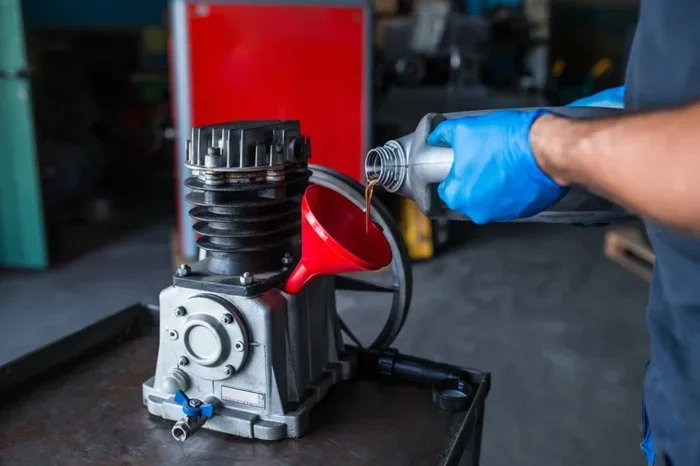
Do not wait for problems to appear. Set a regular compressor oil change schedule and stick to it. Mark it on your calendar or set a reminder in your maintenance app. Consistent oil changes are the single most effective way to extend the life of your compressor.
For most machines, changing the oil every 3 to 6 months (or every 1,000 hours) is a solid baseline. Adjust based on your usage level and operating conditions.
Keeping Records of Your Compressor Oil Changes
It sounds simple, but keeping a log makes a huge difference. Write down the date, the compressor oil type you used, the viscosity grade, and the operating hours at the time of the change. Over time, this log becomes a valuable tool for tracking your machine’s health.
Records also help you spot patterns. If you notice you are going through oil faster than expected, it could signal an underlying problem that needs attention.
Monitoring Oil Levels Between Changes
Check your oil level regularly. Low oil levels cause the compressor to run dry, which leads to rapid wear and potential overheating. Top off as needed between changes, and always use the same compressor oil type you already have in the system.
Keeping the Oil System Clean
A clean system keeps oil fresh longer. Replace your compressor oil filter at the same time you change the oil. A clogged filter restricts oil flow and reduces its effectiveness. Also, keep the area around your compressor clean and free of dust and debris that can contaminate the oil supply.
Storing Oil Properly
How you store your compressor oil type matters too. Keep containers sealed and stored in a cool, dry place. Exposure to moisture and heat can degrade the oil before you even use it. Always check the expiration date on older bottles before pouring them into your machine.
Compressor Oil Type Comparison
Here is a quick comparison of the most common compressor oil type options to help you decide:
Mineral oil is affordable and widely available. It works well for light-duty and intermittent use. However, it breaks down faster and needs more frequent changes. Synthetic oil costs more but delivers superior protection, longer life, and better performance in extreme conditions. Semi-synthetic oil balances cost and performance, making it a popular choice for moderate-use applications. Food grade oil is essential for any application where oil contact with products is a possibility.
The right choice depends on your compressor model, your usage patterns, and your operating environment. When you match the compressor oil type to your specific needs, you get better performance, lower costs, and a longer machine life.
Conclusion
Choosing the right compressor oil type is one of the simplest yet most impactful things you can do for your machine. From mineral to synthetic, from viscosity grades to food grade options, the right oil protects your investment and keeps everything running smoothly.
Remember to follow your manufacturer’s recommendations, change your oil on schedule, and watch for warning signs of degradation. A little attention to your compressor oil type today saves you from big problems tomorrow. Your compressor will run cooler, last longer, and perform better when you give it the right lubricant.
Take the time to review your current oil and compare it against what you have learned here. If it is time for a change, pick the compressor oil type that fits your machine and your needs. Your compressor will thank you for it.
Frequently Asked Questions
Can I use synthetic compressor oil in any machine?
Most compressors can use synthetic compressor oil type, but always check your owner manual first. Some older machines may not be compatible with full synthetic formulations. When in doubt, contact the manufacturer or consult a qualified technician for guidance.
How often should I change my compressor oil?
The frequency depends on your compressor oil type and how heavily you use the machine. Mineral oils typically need changing every 1,000 to 2,000 hours. Synthetic oils can last 4,000 hours or more. Always follow the manufacturer’s recommended intervals for your specific model.
What is the difference between compressor oil and motor oil?
Motor oil contains detergents and additives designed for engines. These ingredients can cause foaming and damage inside a compressor. Always use a compressor oil type specifically formulated for air compressors. The additive packages are completely different, and using the wrong oil can void your warranty.
Is food grade compressor oil necessary for my business?
If your compressor operates in an environment where oil could contact food or pharmaceutical products, then yes. Food grade compressor oil meets strict safety standards and prevents contamination. Even if you think the risk is low, using the correct compressor oil type protects your products and your reputation.
Can I mix different compressor oil types?
It is best not to mix different compressor oil type formulations. Combining mineral and synthetic oils, or oils with different additive packages, can reduce performance and cause chemical reactions. If you need to switch oil types, fully drain the old oil and flush the system before adding the new compressor oil type.
What does ISO viscosity grade mean for compressor oil?
The ISO viscosity grade tells you how thick the oil is at a standard temperature. Common grades include ISO 32, ISO 46, and ISO 68. Lower numbers mean thinner oil, which flows more easily. Higher numbers mean thicker oil, which provides stronger film protection. Always match the compressor oil viscosity to what your compressor manual recommends.