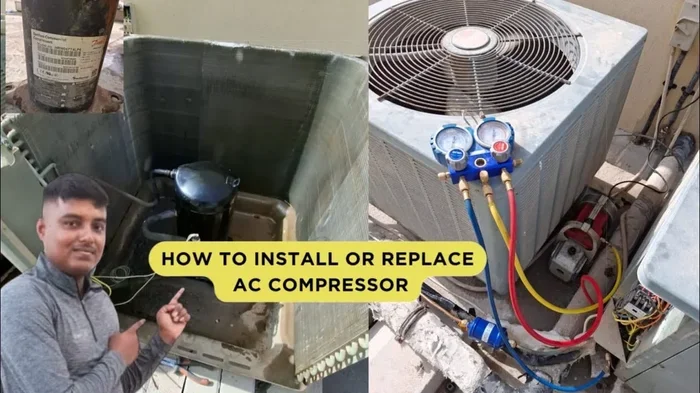
How Much Is an Air Compressor for AC Unit Installed
The cost of an air compressor for AC unit installed typically ranges from $1,200 to $5,500, depending on the type, size, and complexity of the job. Several factors influence the final price, including compressor type, brand, labor rates, and whether you need additional parts like refrigerant lines or a new condenser unit.
Your air conditioning system works hard to keep your home cool and comfortable. At the heart of that system sits the air compressor for AC unit. Without it, your AC simply cannot function. If you have been searching for pricing on this essential component, you are in the right place.
Understanding the cost of an air compressor for AC unit installed helps you plan your budget and avoid surprises. Whether you are replacing a broken compressor or upgrading your entire system, knowing what to expect saves you time and money. This guide breaks down every cost factor in simple, clear terms.
We will walk you through compressor types, brand options, labor costs, and hidden expenses. By the end, you will feel confident making an informed decision. Let us get started.
Key Takeaways
- Average installed cost: Most homeowners pay between $1,200 and $5,500 for a complete air compressor for AC unit installation.
- Compressor type matters: Reciprocating, rotary, and scroll compressors each have different price points and efficiency levels.
- Brand and capacity affect pricing: Popular brands like Carrier, Trane, and Lennox carry different cost ranges based on efficiency ratings and durability.
- Labor adds significantly: Professional installation typically costs $500 to $1,500, depending on your location and job complexity.
- Additional parts increase cost: Refrigerant, copper lines, and electrical work can add $300 to $1,000 to the total.
- Timing matters: Scheduling installation during off-peak seasons can save you hundreds of dollars.
- Get multiple quotes: Always compare at least three contractor estimates to ensure fair pricing.
📑 Table of Contents
- What Is an Air Compressor for an AC Unit?
- How Much Does an Air Compressor for AC Unit Installed Cost?
- Factors That Affect the Cost of an AC Compressor
- DIY vs Professional Installation
- How to Save Money on AC Compressor Installation
- Signs You Need a New AC Compressor
- How the Installation Process Works
- Common Mistakes to Avoid When Replacing an AC Compressor
- How AC Compressor Costs Compare to Other Home Systems
- Final Thoughts
What Is an Air Compressor for an AC Unit?
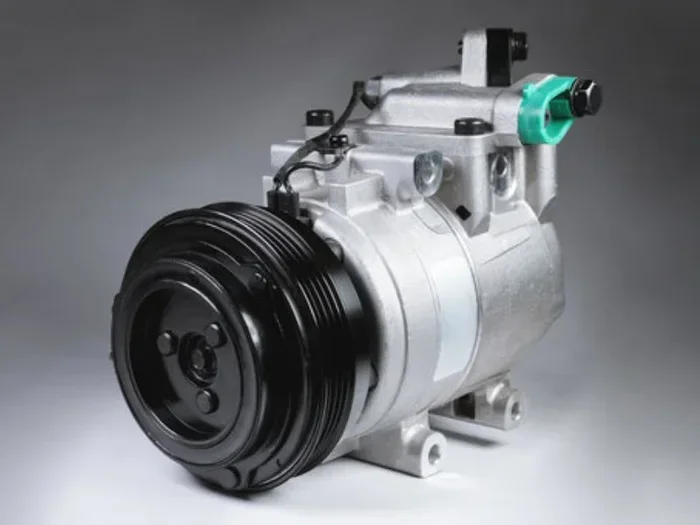
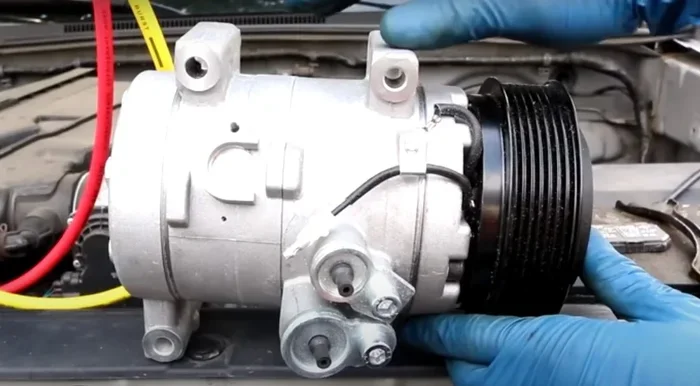
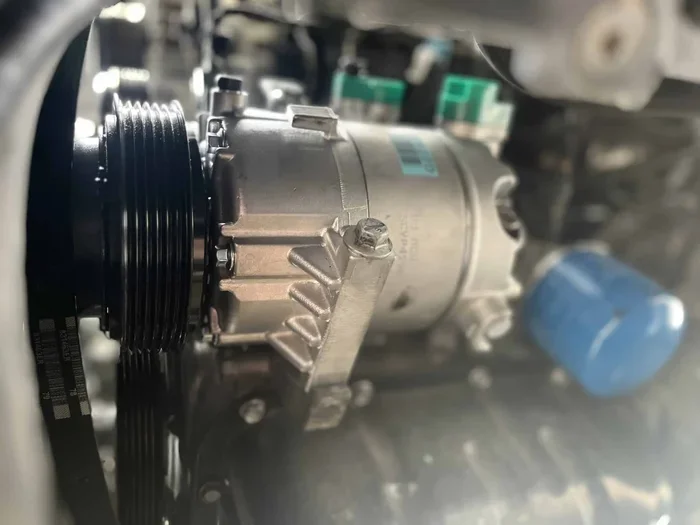
The air compressor is the engine of your air conditioning system. It pumps refrigerant through the unit, enabling heat exchange that cools your home. Think of it as the heartbeat of your HVAC system. Without a working compressor, warm air simply blows through your vents.
Most central AC systems use one of three compressor types. Each type has a different price range and performance profile. Understanding these differences helps you choose the right one for your home and budget.
Reciprocating Compressors
Reciprocating compressors use pistons to compress refrigerant. They are common in smaller residential units. These compressors are reliable and affordable. A new reciprocating compressor typically costs between $400 and $1,200 before installation.
They work well for standard homes with moderate cooling needs. However, they can be louder than other types. Over time, the moving parts may wear out faster. Still, many homeowners find them a solid choice for everyday use.
Rotary Compressors
Rotary compressors use a spinning mechanism to compress refrigerant. They run smoother and quieter than reciprocating models. These compressors are often found in higher-end residential systems. The cost ranges from $800 to $2,000 for the unit alone.
They offer better energy efficiency over time. This means lower electricity bills during hot summer months. Many modern AC units come equipped with rotary compressors as standard.
Scroll Compressors
Scroll compressors represent the premium option. They use two interleaving spirals to compress refrigerant. This design is highly efficient and extremely durable. Scroll compressors typically cost between $1,000 and $2,500 before installation.
They are common in high-efficiency HVAC systems. Many homeowners choose them for their quiet operation and long lifespan. If you are investing in a top-tier AC system, a scroll compressor is worth considering.
How Much Does an Air Compressor for AC Unit Installed Cost?
The total installed cost of an air compressor for AC unit varies widely. Several factors determine the final number. Below is a general breakdown of what you can expect to pay.
Compressor Unit Cost
The compressor unit itself ranges from $400 to $2,500. Smaller reciprocating models sit at the lower end. Premium scroll compressors land at the higher end. The brand you choose also plays a big role in pricing.
Labor Costs
Professional installation adds $500 to $1,500 to the total. Labor costs depend on your location, the complexity of the job, and the contractor’s experience. Some installers charge flat rates, while others bill by the hour.
Replacing a compressor that is easily accessible costs less. If your unit is in a tight attic space or on a difficult roof, expect to pay more. Always ask for a detailed labor breakdown before hiring anyone.
Additional Parts and Materials
Sometimes, compressor replacement requires extra components. Refrigerant recharge typically costs $100 to $300. New copper lines or electrical connections can add another $200 to $500. These costs add up quickly, so factor them into your budget.
| Cost Component | Price Range |
|---|---|
| Compressor Unit (Reciprocating) | $400 – $1,200 |
| Compressor Unit (Rotary) | $800 – $2,000 |
| Compressor Unit (Scroll) | $1,000 – $2,500 |
| Labor for Installation | $500 – $1,500 |
| Refrigerant Recharge | $100 – $300 |
| Additional Parts and Materials | $200 – $500 |
| Total Installed Cost | $1,200 – $5,500 |
Factors That Affect the Cost of an AC Compressor
Not all compressor installations cost the same. Several variables can push the price up or down. Understanding these factors helps you anticipate costs and avoid unexpected expenses.
Size and Capacity
The size of your AC unit determines the compressor you need. Larger homes require bigger compressors with higher capacity. A 3-ton unit needs a different compressor than a 5-ton unit. Bigger compressors cost more, both for the unit and for installation.
Your HVAC contractor can help you determine the right size. They will consider your home’s square footage, insulation, and climate zone. Getting the right size prevents overspending on an oversized unit.
Brand and Quality
Brand reputation affects compressor pricing significantly. Premium brands like Carrier, Trane, and Lennox command higher prices. These brands often offer better warranties and longer lifespans. Budget brands may save you money upfront but could cost more in repairs later.
Many homeowners compare the cost of an air compressor for AC unit installed against other home systems. For example, the price of a whole home generator installation can range similarly. If you are curious about generator costs for your home, check out this guide on how much is a home generator.
Age of Your Current System
Older AC systems may require additional work during compressor replacement. Corroded connections, outdated refrigerant lines, or electrical issues can add to the bill. In some cases, replacing an old compressor in a aging system makes less sense than upgrading the entire unit.
If your system is over 15 years old, discuss a full system replacement with your contractor. A new, efficient system can lower your energy bills and reduce repair costs over time.
Geographic Location
Where you live affects installation costs. Contractors in urban areas typically charge more than those in rural areas. Labor rates vary by region, and so do material costs. Hot climates with high AC usage may also drive up demand and prices.
Getting quotes from local contractors gives you the most accurate pricing for your area. Never rely solely on online estimates without confirming with a professional.
DIY vs Professional Installation
Some homeowners wonder if they can save money by installing a compressor themselves. While DIY projects can cut costs, AC compressor installation is not a simple task. It involves handling refrigerant, electrical wiring, and precise system calibration.
Most states require EPA certification to handle refrigerants legally. Working without proper certification can result in fines. Additionally, improper installation can damage your new compressor and void your warranty.
Professional installation ensures the job is done right the first time. A licensed HVAC technician will properly charge the system, test for leaks, and verify optimal performance. The extra cost is almost always worth the peace of mind.
That said, you can save money by doing some prep work yourself. Clearing the area around the outdoor unit and ensuring easy access can reduce labor time. Just make sure you discuss this with your contractor beforehand.
How to Save Money on AC Compressor Installation
Nobody wants to overspend on an air compressor for AC unit installed. Fortunately, there are several smart ways to reduce costs without sacrificing quality.
Get Multiple Quotes
Always request at least three detailed quotes from licensed contractors. Compare not just the total price but the breakdown of labor, parts, and materials. Sometimes one contractor includes refrigerant and another does not, which skews the comparison.
Ask each contractor about their warranty and guarantees. A slightly higher quote may include better protection and higher-quality parts. That extra investment can save you money in the long run.
Time Your Installation Wisely
AC compressor demand peaks during spring and early summer. Contractors are busiest and most expensive during these months. Scheduling your installation in late fall or winter can earn you significant savings.
Off-peak timing also means faster scheduling and more availability. You will not have to wait weeks for a contractor to fit you in. It is a win-win situation for your budget and your timeline.
Consider Warranty Coverage
Many compressor manufacturers offer extended warranties. Some cover parts for 5 to 10 years, and others even include labor coverage. Choosing a compressor with a strong warranty protects you from future repair costs.
Before purchasing, ask your contractor about warranty options. They can help you compare coverage levels across different brands and models. A good warranty is like free insurance for your investment.
Explore Financing Options
If the upfront cost feels steep, many HVAC companies offer financing plans. These allow you to spread payments over several months or years. Some even offer 0% interest for qualified buyers.
Check with your contractor about available financing options. You can also look into home improvement loans or credit lines. Spreading the cost makes a significant investment much more manageable.
Signs You Need a New AC Compressor
Knowing when to replace your compressor saves you from costly emergency repairs. Watch for these warning signs that your air compressor for AC unit may be failing.
- Warm air from vents: If your AC blows warm air, the compressor may not be pumping refrigerant properly.
- Strange noises: Grinding, squealing, or clicking sounds from the outdoor unit often signal compressor trouble.
- Frequent cycling: A compressor that turns on and off repeatedly may be failing or struggling.
- Higher energy bills: A failing compressor works harder, driving up your electricity consumption.
- Ice buildup: Frost or ice on the refrigerant lines can indicate low refrigerant caused by compressor issues.
- Age of the unit: Compressors typically last 10 to 15 years. If yours is older, replacement may be more cost-effective than repair.
If you notice any of these signs, contact a qualified HVAC technician promptly. Early diagnosis can prevent a small problem from becoming a major expense.
How the Installation Process Works
Understanding the installation process helps you know what to expect. Here is a step-by-step look at how a professional installs a new AC compressor.
- System assessment: The technician inspects your existing unit and confirms the compressor needs replacement.
- Refrigerant recovery: The old refrigerant is safely removed and stored for proper disposal or recycling.
- Compressor removal: The faulty compressor is carefully disconnected and removed from the unit.
- New compressor installation: The new compressor is positioned, secured, and connected to refrigerant lines.
- System charging: The technician recharges the system with the correct amount of refrigerant.
- Testing and verification: The system is powered on and tested for proper operation, leaks, and efficiency.
The entire process typically takes 4 to 8 hours, depending on the complexity. A professional installer will also check other components like the condenser fan, capacitor, and contactor while they are at it.
Proper installation is critical to the longevity of your new compressor. Cutting corners during installation often leads to premature failure and additional costs. Always trust the job to a licensed and experienced professional.
Common Mistakes to Avoid When Replacing an AC Compressor
Avoiding common mistakes protects your investment and ensures long-lasting performance. Here are the pitfalls to watch out for.
- Choosing the wrong size compressor: An oversized or undersized compressor wastes energy and reduces comfort.
- Ignoring refrigerant leaks: If the old compressor failed due to a leak, fixing the leak first is essential.
- Skipping the warranty registration: Many warranties require prompt registration. Missing this step can void your coverage.
- Hiring the cheapest contractor: The lowest bid often means lower-quality work and potential future problems.
- Neglecting regular maintenance: A new compressor still needs proper upkeep to reach its full lifespan.
Taking the time to avoid these mistakes pays off in the long run. A well-planned compressor replacement delivers reliable cooling for years to come.
How AC Compressor Costs Compare to Other Home Systems
Homeowners often compare the cost of an air compressor for AC unit installed to other household systems. Understanding these comparisons provides helpful context.
For instance, the cost of a whole home generator installation is often in a similar range. Many families invest in both a reliable AC system and a backup generator for power outages. If you are curious about generator pricing, you can explore how much is a generator for a house to get a sense of the investment.
Similarly, the installed cost of a Generac generator falls within a comparable price bracket. Whether you are upgrading your cooling system or adding backup power, proper planning and research make all the difference.
Another useful comparison is understanding how different systems connect to your home. Just as you would need to know how to connect a generator to your house properly, AC compressor installation requires correct electrical and refrigerant connections. Both systems demand professional expertise for safe and reliable operation.
Final Thoughts
The cost of an air compressor for AC unit installed is a significant home investment. Most homeowners can expect to pay between $1,200 and $5,500 for a complete installation. The exact price depends on compressor type, brand, size, labor rates, and any additional parts needed.
Taking the time to understand these costs empowers you to make smart decisions. Get multiple quotes, choose a reputable contractor, and consider warranty coverage carefully. A well-chosen compressor keeps your home cool and comfortable for many years.
Do not let cost concerns delay necessary repairs. A failing compressor can damage other parts of your AC system if left unaddressed. Reach out to a trusted HVAC professional today and take the first step toward a cooler, more comfortable home.
Frequently Asked Questions
How long does it take to install an AC compressor?
Most professional installations take between 4 and 8 hours. The exact time depends on the compressor type, accessibility of the unit, and whether additional parts or repairs are needed. Your contractor can give you a more accurate timeline during the initial assessment.
Can I replace just the compressor without replacing the entire AC unit?
Yes, in many cases you can replace just the compressor. However, this is only a good idea if the rest of your AC unit is in good condition and less than 10 years old. If your system is old, replacing the entire unit may be more cost-effective and energy-efficient.
How long does an AC compressor last?
Most AC compressors last between 10 and 15 years with proper maintenance. Regular cleaning, annual professional inspections, and prompt repair of small issues can extend the lifespan significantly. Neglecting maintenance often leads to premature failure.
Is it cheaper to replace a compressor or the whole AC unit?
If your AC unit is under 10 years old, replacing just the compressor is usually cheaper. If the unit is over 15 years old, a full replacement often makes more sense. Older units use less efficient refrigerant and may require costly repairs soon after compressor replacement.
Does homeowners insurance cover AC compressor replacement?
It depends on your policy and the reason for replacement. Insurance typically covers compressor damage caused by covered events like storms or electrical surges. Normal wear and tear or lack of maintenance usually is not covered. Check with your insurance provider for specific details.
What is the most energy-efficient type of AC compressor?
Scroll compressors are generally the most energy-efficient option available. They run smoother, last longer, and consume less electricity than reciprocating or rotary models. While they cost more upfront, the energy savings can offset the difference over time.