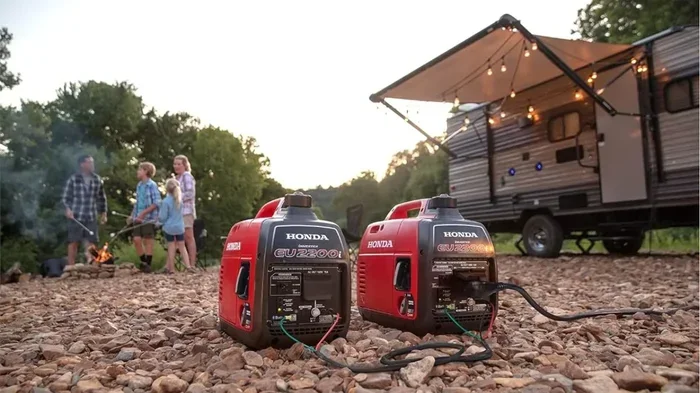
Portable Generator For Sale Everything You Need To Know
Buying a portable generator for sale doesn’t have to be overwhelming. This guide covers everything from fuel types and wattage needs to top brands, safety tips, and pricing. You will learn how to pick the right size, avoid common mistakes, and get the best value for your budget. Whether you need backup power for your home or a reliable generator for camping and tailgating, this guide has you covered.
Shopping for a portable generator for sale can feel confusing at first. There are so many brands, sizes, fuel types, and price points to consider. But here is the good news. Once you understand the basics, picking the right one becomes much easier.
A portable generator gives you power wherever you need it. Whether you want backup electricity during outages, power for outdoor events, or energy for camping trips, there is a perfect option out there. This guide walks you through everything you need to know before buying.
We will cover types of generators, how to choose the right size, fuel options, top brands, pricing, safety tips, and maintenance advice. By the end, you will feel confident making the best choice for your needs and budget.
Key Takeaways
- Choose the right wattage: Match your generator’s output to the appliances you need to power for reliable performance.
- Fuel type matters: Gas, propane, and dual-fuel generators each have unique benefits for different users and budgets.
- Portability is key: Look at weight, wheel kits, and handles to ensure easy transport and storage.
- Safety first: Always use generators outdoors, install carbon monoxide detectors, and follow manufacturer guidelines.
- Price ranges vary widely: Portable generators for sale range from under $300 to over $3,000 depending on power and features.
- Maintenance extends lifespan: Regular oil changes, fuel stabilization, and proper storage keep your generator running for years.
📑 Table of Contents
- What Is a Portable Generator?
- Types of Portable Generators for Sale
- How to Choose the Right Size Portable Generator
- Fuel Types for Portable Generators
- Top Brands and What to Look For
- Pricing Guide for Portable Generators
- Safety Tips for Using a Portable Generator
- Maintenance Tips to Keep Your Generator Running
- Pros and Cons of Buying a Portable Generator
- Where to Buy a Portable Generator for Sale
- Final Thoughts on Buying a Portable Generator
What Is a Portable Generator?
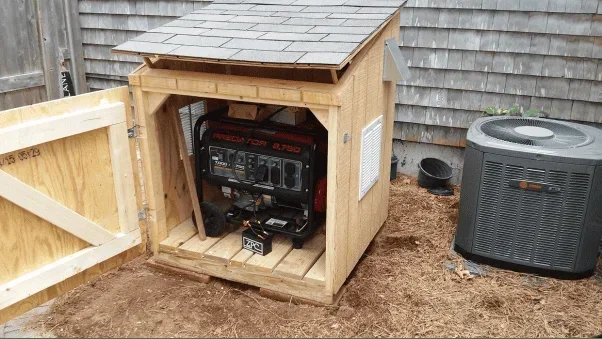
A portable generator for sale is a mobile power unit that converts fuel into electricity. Unlike standby generators, portable models are lightweight and easy to move. You can wheel them, carry them, or store them in your garage when not in use.
These generators typically run on gasoline, propane, or diesel. Some models offer dual-fuel or tri-fuel options. The power output usually ranges from 1,000 watts to 7,500 watts or more. This makes them suitable for everything from charging phones to running essential home appliances.
Portable generators are different from portable power stations. Power stations use batteries and produce no emissions. Generators use fuel and produce electricity through combustion. Both have their place, but they serve different needs.
How Do Portable Generators Work?
A portable generator uses an engine connected to an alternator. The engine burns fuel to create mechanical energy. The alternator converts that energy into electrical power. You then plug your devices directly into the generator’s outlets.
Most models include standard household outlets, USB ports, and sometimes DC outputs. Inverter generators produce cleaner power, which is safer for sensitive electronics like laptops and phones. Conventional generators produce raw power that works well for heavy-duty tools and appliances.
Types of Portable Generators for Sale
Not all portable generators are the same. Understanding the different types helps you make a smart purchase. Here are the main categories you will find when shopping for a portable generator for sale.
Conventional Portable Generators
These are the most common and affordable type. They run on gasoline or propane and deliver steady power output. Conventional generators are great for jobsites, tailgating, and general backup power.
They tend to be louder than other types. They also produce less clean power, which can be a concern for sensitive electronics. However, they offer excellent value and are widely available at any generator for sale retailer.
Inverter Generators
Inverter generators are a step up in technology. They produce cleaner, more stable power that is safe for laptops, phones, and TVs. They are also significantly quieter than conventional models.
The trade-off is price. Inverter generators typically cost more per watt. They are also usually smaller in output capacity. But if you need reliable power for electronics, they are well worth the investment.
Dual-Fuel and Tri-Fuel Generators
Dual-fuel generators can run on both gasoline and propane. Tri-fuel models add natural gas to the mix. This flexibility is a huge advantage. You can choose the fuel that is most available or most affordable at any given time.
Propane burns cleaner and has a longer shelf life than gasoline. This makes dual-fuel and tri-fuel models popular for emergency preparedness. If you want versatility, look for a dual-fuel portable generator on sale.
How to Choose the Right Size Portable Generator
Choosing the right size is the most important decision. A generator that is too small will not power your needs. One that is too big wastes money and fuel. Here is how to figure out what you need.
Calculate Your Power Needs
Start by listing the appliances and devices you want to run. Check the wattage label on each one. Add up the starting watts and running watts. This gives you the total power demand.
For example, a refrigerator needs about 700 running watts but 2,200 starting watts. A sump pump might need 1,300 running watts. A few lights and a phone charger add another 300 watts. You can see how quickly the numbers add up.
Quick Tip: Always add a 20% buffer to your total wattage. This gives you room for startup surges and prevents the generator from overloading.
Common Size Categories
Here is a simple breakdown of portable generator sizes and what they are best for:
- 1,000–2,000 watts: Charging devices, running a small TV, and powering lights. Great for camping and tailgating.
- 2,000–3,000 watts: Running a refrigerator, a few lights, and phone charging. Good for short outages.
- 3,000–5,000 watts: Powering essential home appliances during an outage. Can run a furnace blower and refrigerator.
- 5,000–7,500 watts: Handling most household essentials including tools on a jobsite.
- 7,500+ watts: Heavy-duty use for homes, RVs, and large equipment. These models often require a dedicated fuel source.
If you are unsure about your power needs, check out our guide on what size generator to run furnace and refrigerator. It helps you calculate the exact wattage for common household appliances.
Fuel Types for Portable Generators
The fuel type affects everything from runtime to cost to convenience. Here is a closer look at the most common fuel options you will find with a portable generator for sale.
Gasoline
Gasoline is the most widely available fuel for portable generators. You can buy it at any gas station. Most conventional and inverter generators run on gasoline.
The downside is that gasoline has a short shelf life. It goes bad in about 30 days without fuel stabilizer. This means you need to use fresh fuel or add a stabilizer for emergency storage.
Propane
Propane burns cleaner than gasoline and has an indefinite shelf life. This makes it excellent for emergency preparedness. Many dual-fuel and tri-fuel generators support propane.
Propane is also safer to store long-term. It does not degrade or contaminate like gasoline. If you want a reliable fuel source for backup power, propane is a strong choice. Learn more about propane generator fuel usage to understand consumption rates.
Diesel
Diesel generators are less common in the portable category. They offer excellent fuel efficiency and long runtime. However, diesel engines are heavier and louder. They are mostly used for commercial and industrial applications.
Natural Gas
Some tri-fuel generators can connect to a natural gas line. This provides unlimited runtime as long as the gas supply is active. Natural gas is clean-burning and convenient for home backup. However, it requires a permanent installation and conversion kit.
Top Brands and What to Look For
When browsing a portable generator for sale, brand reputation matters. You want reliability, good customer support, and proven performance. Here are some of the top brands in the market.
Honda
Honda is widely considered the gold standard for portable generators. Their inverter models are whisper-quiet and incredibly reliable. Honda generators cost more upfront but last for many years with proper care.
Westinghouse
Westinghouse offers excellent value. Their dual-fuel models are popular for home backup and outdoor use. They provide strong power output at a lower price point than Honda.
Champion
Champion has gained a loyal following for affordable yet powerful generators. Many models include useful features like electric start, USB ports, and low-oil shutoff. They are a great choice for budget-conscious buyers.
Generac
Generac is a household name in the generator world. They offer a wide range of portable and standby models. Generac generators are known for durability and strong customer support networks.
WEN
WEN provides budget-friendly options for casual users. Their generators work well for light-duty tasks like camping and charging devices. They are an excellent entry point for first-time buyers.
Pricing Guide for Portable Generators
The price of a portable generator for sale varies a lot based on size, type, and features. Here is a general price breakdown to help you set expectations.
| Generator Type | Wattage Range | Price Range |
|---|---|---|
| Small Inverter | 1,000–2,000W | $200–$500 |
| Mid-Size Conventional | 3,000–4,000W | $400–$800 |
| Dual-Fuel Inverter | 3,500–5,000W | $600–$1,200 |
| Large Conventional | 5,000–7,500W | $700–$1,500 |
| Heavy-Duty Portable | 7,500–10,000W | $1,200–$2,500 |
Keep in mind that these are general ranges. Prices fluctuate based on sales, retailers, and seasonal demand. During hurricane season or winter storm forecasts, generator prices for sale often spike due to high demand.
If you are looking for a specific price range, check out our article on how much a generator costs for a 2000 sq ft house. It gives you a clear picture of what to budget for home backup power.
Safety Tips for Using a Portable Generator
Portable generators are incredibly useful but also potentially dangerous if used incorrectly. Safety should always come first. Here are the most important rules to follow.
Never Run a Generator Indoors
Generators produce carbon monoxide, which is odorless and deadly. Always run your generator outdoors, at least 20 feet away from your home. Never place it near windows, doors, or vents.
Use Proper Extension Cords
Use heavy-duty, outdoor-rated extension cords. Check the cord’s wattage rating to make sure it can handle the load. Using an undersized cord can cause overheating and fire hazards.
Install Carbon Monoxide Detectors
Even if you run your generator outside, install CO detectors in your home. This adds an extra layer of protection for your family. Replace detector batteries twice a year.
Let the Generator Cool Before Refueling
Always turn off the generator and let it cool down before adding fuel. Spilling gasoline on hot engine parts can cause a fire. This is one of the most overlooked safety rules.
Ground the Generator Properly
Follow the manufacturer’s grounding instructions. Proper grounding prevents electrical shocks and protects your equipment. Use a grounding rod if the generator does not have a built-in grounding system.
Store Fuel Safely
Store gasoline in approved containers in a cool, well-ventilated area. Keep fuel away from heat sources and living spaces. Add fuel stabilizer if you plan to store gasoline for more than 30 days.
Maintenance Tips to Keep Your Generator Running
A portable generator for sale is an investment. Regular maintenance ensures it starts and runs reliably when you need it most. Here is a simple maintenance routine to follow.
Before Each Use
- Check the oil level and top off if needed.
- Inspect the fuel line for cracks or leaks.
- Make sure the generator is on a level surface.
- Verify that all outlets are clean and dry.
After Each Use
- Let the generator run for a few minutes under no load before shutting it off.
- Turn off the fuel valve if you will not use it for a while.
- Store the generator in a dry, protected area.
Seasonal Maintenance
- Change the oil every 50–100 hours of use or at least once per season.
- Replace the air filter if it looks dirty.
- Clean the spark plug and check the gap.
- Use a fuel stabilizer if storing the generator for more than 30 days.
- Run the generator for 15 minutes monthly to keep the engine lubricated and ready.
Proper maintenance can extend the life of your generator by several years. A well-maintained unit will start easily and deliver consistent power every time.
Pros and Cons of Buying a Portable Generator
Like any product, portable generators have advantages and disadvantages. Here is a balanced look to help you decide.
Pros
- Affordability: Portable generators cost less than standby models. You can find quality options under $500.
- Portability: You can move them anywhere you need power. They are perfect for camping, jobsites, and tailgating.
- Easy Setup: No permanent installation is required. Just add fuel, pull the starting cord, and you are ready.
- Fuel Flexibility: Many models support gasoline, propane, or dual-fuel options.
- Wide Availability: Portable generators are sold everywhere from big box stores to online retailers.
Cons
- Limited Runtime: Most portable generators run for 6–12 hours on a tank of fuel. You may need to refuel during extended outages.
- Noise: Conventional generators can be loud. Inverter models are quieter but still produce some sound.
- Manual Operation: You need to start them manually and manage fuel levels.
- No Automatic Transfer: Unlike standby generators, portable models do not automatically switch on during a power outage.
- Emissions: Gas-powered generators produce exhaust fumes and should never be used indoors.
Where to Buy a Portable Generator for Sale
You have many options when it comes to purchasing a portable generator for sale. Each option has its own advantages.
Big Box Retailers
Stores like Home Depot, Lowe’s, and Walmart carry a wide selection of portable generators. You can see and hear the units in person before buying. This is a great way to compare models side by side.
Online Retailers
Amazon, Home Depot’s website, and Lowe’s online store offer competitive prices and customer reviews. Shopping online lets you compare models easily and read real user experiences. Just make sure you buy from reputable sellers.
Specialty Generator Dealers
Local generator dealers often carry premium brands and offer expert advice. They can help you size the right generator for your needs. Many also provide installation and service support.
Seasonal Sales and Clearance Events
The best deals on portable generators often come during off-season sales. After summer and before storm season are great times to find discounts. Sign up for email alerts from your favorite retailers to catch limited-time offers.
Final Thoughts on Buying a Portable Generator
Buying a portable generator for sale is a smart investment for any homeowner. Power outages are unpredictable. Having a reliable backup source of electricity gives you peace of mind and keeps your family comfortable.
Start by calculating your power needs. Choose the right fuel type and generator size. Pick a trusted brand with good reviews. Follow safety guidelines carefully. And maintain your unit regularly for the best long-term performance.
Whether you need a small generator for weekend camping or a powerful dual-fuel model for home backup, there is a perfect option out there for you. Take your time, do your research, and you will find the ideal portable generator for sale that fits your lifestyle and budget.
If you are planning to connect your generator to your home’s electrical system, check out our guide on how to run a generator to your house for safe and effective setup tips. Also, for information on long-term durability, read our article on how long a whole house generator lasts to understand what kind of lifespan you can expect from your investment.
Frequently Asked Questions
What size portable generator do I need for a house?
For most homes, a 3,000 to 5,000-watt portable generator covers essential appliances like the refrigerator, furnace blower, and lights. If you want to run more devices, consider a 7,000-watt model. Always add a 20% buffer to your total wattage calculation to be safe.
Can I run a portable generator inside my garage?
No. You should never run a portable generator indoors, including in a garage. Generators produce carbon monoxide, which is odorless and deadly. Always operate your generator outdoors at least 20 feet away from your home, doors, and windows.
How long can a portable generator run continuously?
Most portable generators run for 8 to 12 hours on a full tank of fuel. Some larger models can run up to 16 hours. Runtime depends on the fuel tank size, load, and fuel type. Always check the manufacturer’s specifications for exact runtime estimates.
Is a dual-fuel generator worth the extra cost?
Yes, a dual-fuel generator offers great flexibility. You can switch between gasoline and propane depending on availability and price. Propane burns cleaner and stores longer, making it ideal for emergency preparedness. The extra cost is usually worth the added versatility.
How often should I maintain my portable generator?
Perform basic checks before each use, like checking the oil level and fuel condition. Change the oil every 50 to 100 hours of use. Replace the air filter and spark plug at least once per season. Run the generator for 15 minutes monthly to keep the engine in good shape.
What is the difference between a conventional and an inverter generator?
A conventional generator produces raw power that works well for heavy-duty tools and appliances. An inverter generator converts AC power to DC and back to cleaner AC power. This makes inverter generators safer for sensitive electronics like laptops and phones. Inverter models are also quieter and more fuel-efficient but typically cost more.