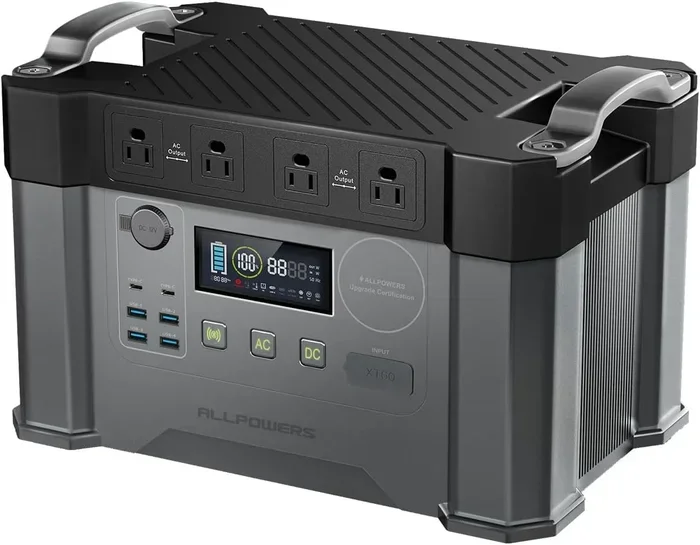
How to Pick the Best 12v Generator Battery for Your Needs
A 12v generator battery is the essential power source that keeps your generator running when you need it most. Whether you are preparing for emergency backup power or planning a camping trip, choosing the right 12v generator battery can make all the difference. This guide walks you through everything you need to know about 12v generator battery types, capacity, voltage, and maintenance so you can pick the perfect battery with confidence.
A 12v generator battery is the unsung hero of any portable power setup. It is the component that starts your generator and keeps it running smoothly until you need it most. Whether you are gearing up for a weekend camping trip, preparing for storm season, or setting up a backup power system for your home, the battery you choose makes a huge difference.
Not all 12v generator batteries are created equal. Some deliver long-lasting power but weigh a ton. Others are lightweight but cost more upfront. The trick is knowing what to look for and how to match a battery to your specific situation. This guide breaks it all down in plain language so you can make a smart decision without feeling overwhelmed.
By the time you finish reading, you will understand the different battery types, what specs really matter, and how to avoid the mistakes that trip up most buyers. Let us dive in and find the perfect 12v generator battery for your needs.
Key Takeaways
- Choose the right battery type: Lead-acid and lithium-ion are the two main options, each with distinct advantages for different needs and budgets.
- Match capacity to your power demands: Understanding battery capacity and runtime ensures you get enough power without overpaying.
- Maintenance matters: Regular care like cleaning terminals and proper charging extends your 12v generator battery life significantly.
- Avoid common pitfalls: Overcharging, ignoring temperature, and picking the wrong size are the most frequent mistakes users make.
- Consider portability and weight: If you move your generator often, a lighter battery like lithium saves you real effort.
- Check warranty and brand reputation: A solid warranty signals quality and gives you peace of mind with your purchase.
📑 Table of Contents
Understanding 12v Generator Batteries
Before you shop, it helps to understand what a 12v generator battery actually does and why it matters. The battery provides the initial electrical charge, known as cranking amps, to start your generator’s engine. Once the engine is running, the generator takes over to produce electricity. But without a healthy battery, none of that happens.
Think of the battery like the spark plug of your power system. It is small, but it starts everything. If your battery is old, weak, or the wrong type, your generator will not start when you need it most. That is why picking the right 12v generator battery is so important.
How a 12v Battery Powers Your Generator
Most portable generators and home backup units use a 12-volt lead-acid or lithium-ion battery. The voltage stays consistent at 12V, which matches the electrical system of most generators on the market. When you turn the key or pull the start cord, the battery sends a burst of energy to the starter motor. This cranks the engine and gets it running.
Once the engine is alive, the generator produces alternating current (AC) power for your appliances. The battery then recharges through the generator’s built-in charging system. This cycle repeats every time you use your generator, which is why battery health and battery maintenance are so critical.
Why Battery Voltage Matters
Battery voltage is the electrical pressure that pushes current through your generator’s system. A 12v generator battery delivers 12 volts, which is the standard for most consumer generators. If you try to use a different voltage, like a 6V or 24V battery, you risk damaging the generator’s electrical components.
Always check your generator’s manual before buying a replacement battery. The manufacturer will specify the exact voltage and battery type required. Sticking with the recommended battery voltage ensures safe, reliable operation every time you fire up your unit.
Types of 12v Generator Batteries
There are two main types of 12v generator batteries you will encounter on the market: lead-acid and lithium-ion. Each has its own strengths and weaknesses. Let us break them down so you can decide which one fits your situation best.
Lead-Acid Batteries
Lead-acid batteries are the traditional choice for most generators. They have been around for decades and are widely available at hardware stores and auto shops. These batteries use a chemical reaction between lead plates and sulfuric acid to store and release energy.
Lead-acid 12v generator batteries are affordable and reliable. They work well in moderate temperatures and handle the demands of starting a generator engine with ease. However, they are heavy and require regular maintenance, such as checking water levels and cleaning terminals.
If you are on a tight budget or need a replacement battery right away, a lead-acid option is a solid choice. Just be prepared for the extra weight and occasional maintenance chores.
Lithium-Ion Batteries
Lithium-ion batteries are the newer kid on the block, and they are quickly becoming the favorite among serious generator users. These batteries use lithium compounds to store energy, which makes them much lighter and more efficient than lead-acid options.
A lithium battery for your generator offers several big advantages. They charge faster, last longer, and do not require any maintenance. You do not need to check water levels or clean corroded terminals. Plus, they handle extreme temperatures better than lead-acid batteries.
The downside is cost. Lithium-ion 12v generator batteries can cost two to three times more than lead-acid options. But if you factor in the longer lifespan and zero maintenance, many users find the investment well worth it.
Comparison Table: Lead-Acid vs Lithium-Ion
| Feature | Lead-Acid | Lithium-Ion |
|---|---|---|
| Price | Low to moderate | High |
| Weight | Heavy | Lightweight |
| Lifespan | 3 to 5 years | 5 to 10 years |
| Maintenance | Regular required | Minimal |
| Charge Speed | Slower | Faster |
| Temperature Tolerance | Moderate | Excellent |
| Best For | Budget users, occasional use | Frequent use, portability needs |
Key Factors to Consider When Choosing
Not all 12v generator batteries are the same, and picking the wrong one can leave you stranded when power matters most. Here are the key factors you should evaluate before making your purchase.
Battery Capacity and Runtime
Battery capacity is measured in amp-hours (Ah). It tells you how much energy the battery can store and how long it will last before needing a recharge. A higher amp-hour rating means longer battery runtime, which is exactly what you want during a power outage or a long camping trip.
For example, if you need to run a furnace and refrigerator during an outage, you will want a battery with a higher capacity to keep those appliances going for hours. A 50Ah battery will last much longer than a 20Ah battery under the same load.
Think about your typical usage. Do you need short bursts of power to start the generator, or do you need sustained runtime for extended outages? Your answer will guide you toward the right capacity for your 12v generator battery.
Voltage and Power Output
As we mentioned earlier, most generators use 12V batteries. But it is worth double-checking because some larger units may use a different configuration. Always match the battery voltage to what your generator requires.
Power output, measured in cranking amps (CA) or cold cranking amps (CCA), determines how much energy the battery can deliver in a short burst. Higher CCA ratings mean easier starts in cold weather. If you live in a colder climate, look for a 12v generator battery with a high CCA rating to ensure reliable starts even in freezing temperatures.
Weight and Portability
If you plan to move your generator around, the weight of the battery matters a lot. Lead-acid batteries can weigh 30 to 50 pounds or more, making them tough to carry. Lithium-ion batteries, on the other hand, might weigh half as much for the same capacity.
For camping trips or portable setups, a lightweight 12v generator battery makes a big difference in how easy it is to transport everything. You will thank yourself when you are hauling gear to a remote campsite or setting up a temporary power station.
Brand Reputation and Warranty
Not all battery brands are created equal. Stick with reputable manufacturers that offer solid warranties and have positive customer reviews. A good battery warranty protects you if the battery fails prematurely or does not perform as advertised.
Look for warranties of at least two years for lead-acid batteries and three to five years for lithium-ion options. A longer warranty usually signals that the manufacturer stands behind the quality of their product.
Expert Insight: According to industry professionals, the best way to extend any 12v generator battery life is to keep it charged between uses. A battery that sits fully discharged for weeks will lose capacity quickly and may not start your generator when you need it most.
Quick Tips for Selecting the Right Battery
Here are some fast, practical tips to help you choose the best 12v generator battery for your setup:
- Check your generator manual first. It will list the exact battery type, voltage, and size your generator needs.
- Buy from a trusted retailer. Avoid cheap knockoff batteries. They may save money upfront but fail quickly.
- Consider your climate. If you live in a cold area, prioritize batteries with high cold cranking amps.
- Think about future needs. If you plan to add more appliances, buy a battery with extra capacity to spare.
- Compare warranties. A longer warranty often means better build quality and manufacturer confidence.
Maintenance Tips for Longer Battery Life
Your 12v generator battery will last much longer if you take care of it properly. Maintenance is not complicated, but it does require a little regular attention. Here is what you should do to keep your battery in top shape.
Clean the Battery Terminals
Over time, corrosion can build up on the battery terminal connections. This greenish or whitish crust can block the electrical connection and prevent your generator from starting. Use a wire brush and a baking soda solution to clean the terminals gently. Then apply a thin layer of petroleum jelly to prevent future corrosion.
Check Water Levels (Lead-Acid Only)
If you have a lead-acid battery, you need to check the water level regularly. The electrolyte solution should cover the lead plates. If the water level drops too low, the plates can be damaged and the battery will fail. Use distilled water to top off the cells, never tap water.
Charge Properly and Regularly
One of the biggest mistakes people make is letting their battery sit fully discharged. Always recharge your 12v generator battery after each use. Use the charger that came with your generator or a compatible smart charger. Overcharging can be just as harmful as undercharging, so follow the manufacturer’s charging guidelines carefully.
If you are storing your generator for an extended period, consider using a battery maintainer or trickle charger. This keeps the battery at the proper charge level without overcharging it. You can also learn more about proper generator fuel storage by reading how long you can leave gas in a generator, since fuel quality also affects overall generator health.
Store in the Right Conditions
Extreme heat and cold both shorten battery life. Store your generator and battery in a cool, dry place when not in use. If you must store it in a garage or shed, make sure the temperature stays between 50 and 80 degrees Fahrenheit for best results.
Common Mistakes to Avoid
Even experienced generator users make mistakes with their batteries. Here are the most common errors and how to avoid them.
Ignoring the Owner’s Manual
Your generator’s owner manual contains specific battery recommendations. Ignoring it can lead to buying the wrong size or type, which wastes money and may damage your generator. Always refer to the manual before making a purchase.
Skipping Regular Inspections
Many people only think about their battery when the generator fails to start. Do not wait for that moment. Inspect your battery terminals, water levels, and charge status every few weeks, especially before storm season or a camping trip.
Using the Wrong Charger
Not all chargers are created equal. Using a charger with the wrong voltage or amperage can overcharge or undercharge your battery. Always use the charger recommended by the battery and generator manufacturers. A quality smart charger adjusts the charge rate automatically and prevents overcharging.
Neglecting to Replace Old Batteries
Batteries do not last forever. Even with perfect maintenance, a lead-acid 12v generator battery will eventually lose its ability to hold a charge. If your generator is slow to start or the battery is more than five years old, it is time for a replacement. Waiting too long can leave you without power when you need it most.
Expert Insight: Professional technicians recommend testing your battery’s charge capacity once a season using a simple multimeter. A fully charged 12V battery should read 12.6 volts or higher. If it reads below 12.0 volts, it is time to recharge or replace the battery.
Final Thoughts
Choosing the right 12v generator battery does not have to be complicated. By understanding the two main battery types, matching capacity to your power needs, and following a simple maintenance routine, you can enjoy reliable power for years to come.
Whether you go with an affordable lead-acid battery or invest in a premium lithium-ion option, the most important thing is to pick a battery that fits your generator and your lifestyle. Take care of your battery, and it will take care of you when the power goes out or when you are out in the wilderness.
If you are also interested in how generators connect to your home electrical system, check out our guide on how to run a generator to your house for practical setup tips. And for more information on generator fuel efficiency, you might find our article on how much propane a 20kw generator uses per hour helpful for planning your power needs.
Now you have the knowledge to make a confident, informed choice. Pick the right 12v generator battery, take care of it, and enjoy reliable power whenever you need it.
Frequently Asked Questions
What is the best 12v generator battery for camping?
A lithium-ion 12v generator battery is the best choice for camping because it is lightweight, charges fast, and requires no maintenance. It will easily handle starting your generator and powering small camping appliances without adding too much weight to your gear.
How long does a 12v generator battery last?
A well-maintained lead-acid 12v generator battery typically lasts 3 to 5 years, while a lithium-ion battery can last 5 to 10 years. Regular maintenance, proper charging, and avoiding deep discharges will help extend the life of any battery type.
Can I use any 12v battery with my generator?
Not all 12V batteries are compatible. Always check your generator’s manual for the recommended battery type, size, and specifications. Using the wrong battery can lead to poor performance or damage to your generator’s electrical system.
How do I know if my 12v generator battery needs replacing?
Signs that your battery needs replacing include slow engine cranking, difficulty starting the generator, or a voltage reading below 12.0 volts when fully charged. If your battery is more than five years old and showing these symptoms, it is time for a new one.
Do I need a special charger for my 12v generator battery?
Yes, you should use a charger that matches your battery type. Lead-acid batteries need a compatible lead-acid charger, while lithium-ion batteries require a lithium-specific charger. Using the wrong charger can damage the battery or reduce its lifespan.
Can a dead 12v generator battery be recharged?
In most cases, yes. A deeply discharged lead-acid battery can often be recharged with a smart charger, though it may take several hours. If the battery has been dead for a long time or has been completely drained multiple times, it may not hold a charge anymore and need replacement.