Electric Generator for House Everything You Need to Know
An electric generator for house use is a smart investment that keeps your home running during power outages. This guide covers everything from sizing and fuel types to installation costs and maintenance tips. You will learn how to choose the right unit for your home and budget with confidence.
An electric generator for house use is one of the smartest investments you can make for your home. Power outages can hit without warning, leaving your family in the dark and your appliances useless. Whether it is a storm, a grid failure, or an unexpected surge, having a reliable backup source keeps your life running smoothly.
But choosing the right unit is not always simple. There are many sizes, fuel types, and brands to consider. You need to match the generator to your home’s actual power needs. This guide walks you through every step of the process in plain, easy-to-understand language. By the time you finish reading, you will know exactly what to look for.
You will understand sizing, costs, installation, and maintenance. You will also learn how to avoid common mistakes that homeowners make when buying a home generator. Let us get started on everything you need to know.
Key Takeaways
- Choose the right size: Match your generator to your home’s essential power needs by adding up wattage for key appliances.
- Standby generators offer the best convenience: They start automatically and can power your entire home during an outage.
- Installation requires a licensed electrician: Proper wiring, transfer switches, and ventilation are critical for safety and performance.
- Regular maintenance keeps your unit reliable: Monthly test runs and annual professional inspections prevent startup failures.
- Fuel type matters for long-term costs: Natural gas, propane, and diesel each have different price points and availability.
- Budget for both the unit and installation: Total costs range from $300 for portable units to $20,000 for large standby systems.
- Safety always comes first: Never run a generator indoors and always follow placement and fuel storage guidelines.
📑 Table of Contents
What Is an Electric Generator for House Use?
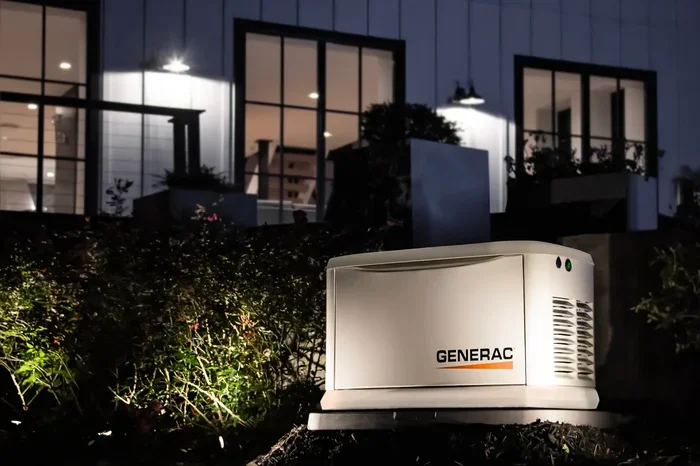
A whole house generator is a device that produces electrical power for your entire home. It kicks in automatically when the main grid goes down. This means you barely notice the interruption and your family stays comfortable.
These units are different from small portable generators. A portable unit might keep a few lights on, but it cannot run your furnace, refrigerator, and electronics all at once. A residential standby generator is built to handle the full load of a home. It connects directly to your electrical panel and starts up within seconds of a power loss.
Most home generators run on natural gas or propane. Some use diesel fuel. Each fuel type has its own pros and cons. Natural gas connects directly to your utility line, so you never run out of fuel. Propane tanks need to be refilled, but they offer a clean burn. Diesel is efficient but requires more maintenance and storage space.
The key is to match the generator to your home’s needs. A unit that is too small will overload. One that is too big wastes money and fuel. Sizing is the most important decision you will make, and we cover it in detail below.
How to Choose the Right Size Electric Generator for House
Sizing is the most important decision you will make. A generator that is too small will trip its breaker the moment you plug in too many things. A unit that is too large wastes fuel and costs more upfront. Getting the right balance saves you money and ensures reliable backup power.
Start by listing the essential items you want to power during an outage. This usually includes:
- Refrigerator and freezer
- Furnace or heating system
- Water pump
- Lights in key rooms
- Wi-Fi router and modem
- A few kitchen appliances
Add up the wattage for each item. You can find this label on the back of every appliance. Then multiply the running wattage by three to get the starting wattage. This gives you a safety buffer for devices that need extra power to start up.
Understanding Kilowatt Ratings
Generators are rated in kilowatts, or kW. A 10 kW unit can handle a small home with basic needs. A 20 kW system covers most average-sized houses. Larger homes with central air and electric stoves may need 30 kW or more. Think about your generator wattage needs carefully before you buy.
If you are unsure about sizing, check out this guide on what size generator will run a whole house. It breaks down the numbers in a simple and practical way that anyone can follow.
The Cost Factor in Sizing
Bigger generators cost more. A 10 kW unit might run you around $2,000 to $3,000 installed. A 20 kW system can range from $4,000 to $7,000. The price goes up from there. But remember, the cost of not having power during an outage can be much higher. Spoiled food, frozen pipes, and discomfort all add up fast.
If you want a rough idea of pricing for different home sizes, you can check how much is a generator for a 2000 sq ft house. That article gives real-world cost estimates based on square footage and helps you plan your budget better.
Types of Generators for Residential Use
Not all generators are the same. There are three main types you will encounter when shopping for a residential generator. Each one fits a different need, lifestyle, and budget. Understanding the differences helps you make a confident choice.
Standby Generators
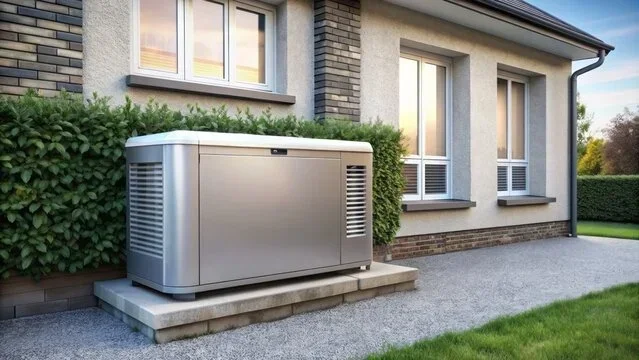
Standby generators are the gold standard for home backup. They sit outside your house, connected directly to your electrical panel. When power drops, they start automatically within seconds. You do not need to be home or flip any switches. This hands-off approach is why many homeowners prefer standby units.
These units run on natural gas or propane. They can power your entire home, including HVAC systems and water heaters. Most standby generators last between 20 and 30 years with proper care. To learn more about lifespan expectations, see how long does a whole house generator last for detailed insights on durability and longevity.
Portable Generators
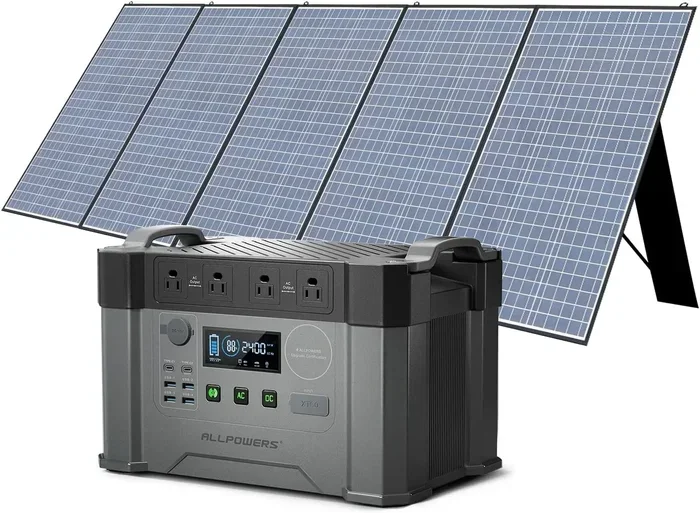
Portable generators are smaller and more affordable. They run on gasoline or propane. You wheel them outside, plug in extension cords, and power essential devices. They are great for camping trips and tailgating too.
The downside is that they do not power your whole home. They also require manual setup each time the power goes out. And they are louder than standby units. For basic backup needs and smaller budgets, a portable generator works well. Just make sure you have enough fuel on hand.
Inverter Generators
Inverter generators produce clean, stable power. This makes them safe for sensitive electronics like laptops, phones, and TVs. They are also quieter and more fuel-efficient than traditional portable units. The trade-off is that they are more expensive per watt and have lower output capacity.
An inverter generator is a great choice if you only need to power a few devices at a time. They are perfect for homeowners who want quiet, clean power without the bulk of a standby system.
Comparison Table
Here is a quick comparison of the three main types to help you decide:
- Standby Generator: 7 kW to 50 kW output, natural gas or propane fuel, automatic start, price range $3,000 to $15,000 installed.
- Portable Generator: 1 kW to 10 kW output, gasoline or propane fuel, manual start, price range $300 to $2,000.
- Inverter Generator: 1 kW to 7 kW output, gasoline fuel, manual start, price range $500 to $3,000.
As you can see, standby generators offer the most convenience and power. But they come at a higher price. Choose the type that fits your budget and your backup power needs. Consider how often you experience outages and what you need to keep running.
Installation and Safety Considerations
Installing a home generator is not a DIY project for most people. You need a licensed electrician to connect the unit to your electrical panel safely. This ensures everything is up to code and works correctly when you need it most.
Here are the key steps involved in a typical generator installation:
- The electrician installs a dedicated electrical panel for the generator.
- A transfer switch is wired between the main panel and the generator panel.
- The generator unit is placed outside on a concrete pad.
- Fuel lines are connected to either a gas or propane source.
- The system is tested to ensure it starts and switches over properly.
One of the most important components is the automatic transfer switch. This device detects when the grid power drops and signals the generator to start. It also prevents backfeeding, which can be dangerous for utility workers repairing power lines. Never skip this component.
Placement and Ventilation
Generators produce carbon monoxide. This is a deadly, odorless gas. You must never run a generator indoors or in a closed garage. Place it at least 20 feet from your home, with the exhaust pointing away from windows and doors. This simple rule keeps your family safe from generator safety hazards.
Make sure the unit sits on level ground. Keep it protected from rain and snow with a generator cover or enclosure. But do not block the ventilation openings. Proper airflow prevents overheating and extends the life of the engine.
Fuel Storage Safety
If you use a propane or gasoline generator, store fuel safely. Keep tanks in a well-ventilated area away from heat sources. Gasoline should be stored in approved containers. Check local fire codes for specific rules in your area. Following these guidelines keeps your home and family safe.
Generator Maintenance Tips to Keep Your Unit Running
A generator is like a car. It needs regular care to perform when you need it most. Skipping maintenance can lead to a failed startup during a power outage. Nobody wants to discover their unit does not work when the lights go out. A simple routine keeps everything reliable.
Here is a practical maintenance schedule you can follow:
- Monthly: Run the generator for 15 to 20 minutes under load. This keeps the engine lubricated and the battery charged.
- Every 3 Months: Check the oil level and change it if needed. Inspect the air filter for dirt and debris buildup.
- Every 6 Months: Replace the spark plugs. Check the fuel lines for cracks or leaks that could cause problems.
- Annually: Have a professional inspect the unit. This includes checking the transfer switch and all electrical connections.
For generators that run on natural gas, check the gas line connections regularly. For propane units, monitor the tank level and schedule refills before they run too low. Keeping fuel fresh is essential for reliable generator runtime when you need it most.
Common Maintenance Mistakes to Avoid
Many homeowners make the same mistakes when it comes to generator care. Here are a few to watch out for:
- Letting the unit sit unused for months without running it
- Ignoring the oil change schedule and letting it go too long
- Overloading the generator with too many appliances at once
- Skipping the annual professional inspection altogether
- Storing fuel improperly or too close to the unit
Avoiding these simple mistakes can extend your generator’s life by many years. A well-maintained unit will start reliably every single time the power goes out. Think of maintenance as an investment that pays for itself the first time you need backup power.
How Much Does a Home Generator Cost?
The cost of a home generator varies widely. The price depends on the size, fuel type, brand, and installation complexity. Here is a general breakdown to help you budget:
- Portable Generator: $300 to $2,000 (no professional installation needed)
- Standby Generator (Small): $3,000 to $5,000 installed
- Standby Generator (Medium): $5,000 to $10,000 installed
- Standby Generator (Large): $10,000 to $20,000 installed
Installation costs typically add $500 to $2,000 to the total. This covers electrical work, the transfer switch, and any needed upgrades to your gas line or electrical panel. The generator cost may seem high at first, but consider what you are protecting.
Keep in mind that the cost of a generator is nothing compared to the cost of a major power outage. A frozen and burst pipe can cost thousands in repairs. Spoiled food in a full-size freezer adds up fast. And the peace of mind alone is worth the investment for most families.
If you want to understand fuel costs over time, check out how much propane does a 20kw generator use per hour. This helps you plan your ongoing operating expenses and budget accordingly. For furnace and refrigerator power needs specifically, you can also explore what size generator to run furnace and refrigerator. That article helps you size your unit for these two essential appliances.
Final Thoughts
Choosing the right electric generator for house use comes down to understanding your needs. Think about the size of your home, the appliances you cannot live without, and your budget. A standby generator gives you the best hands-off experience. A portable unit works well for smaller needs and tighter budgets.
Whatever you choose, make sure it is installed by a professional and maintained on a regular schedule. A generator is only as good as its last startup. Take care of it, and it will take care of you when the lights go out.
Power outages are a fact of life. But with the right backup plan in place, you and your family can ride them out in comfort and safety. Start your research today, and enjoy the peace of mind that comes with knowing your home is prepared for anything.
Frequently Asked Questions
How do I know what size generator I need for my house?
Add up the wattage of all the essential appliances you want to run during an outage. Include your refrigerator, furnace, lights, and water pump. Multiply the total running wattage by three to account for starting power needs. This gives you the minimum kW rating you should look for in a generator.
Can a portable generator power a whole house?
Most portable generators cannot power an entire house at once. They are designed to run a few essential devices through extension cords. If you want full-home coverage, a standby generator is the better choice. It connects directly to your electrical panel and handles the whole load automatically.
How often should I run my generator to keep it maintained?
You should run your generator for 15 to 20 minutes every month under a load. This keeps the engine lubricated, the battery charged, and the fuel system fresh. Regular short runs prevent stale fuel problems and ensure the unit starts when you need it most.
What is the difference between a standby generator and an inverter generator?
A standby generator is a permanent outdoor unit that powers your whole home automatically. An inverter generator is a portable, quieter unit that produces clean power for sensitive electronics. Inverter generators are best for a few devices, while standby units handle full-home backup with ease.
Is it safe to run a generator in cold weather?
Yes, but you need to take extra precautions. Cold weather can make starting harder and reduce fuel efficiency. Keep your generator in a dry, covered area that still allows proper ventilation. Use winter-grade fuel and check the oil before cold-weather use to ensure smooth operation.
How long does a whole house generator last?
With proper maintenance, a whole house generator can last between 20 and 30 years. Regular oil changes, annual professional inspections, and monthly test runs all contribute to a longer lifespan. The key is consistent care and never letting the unit sit unused for extended periods.