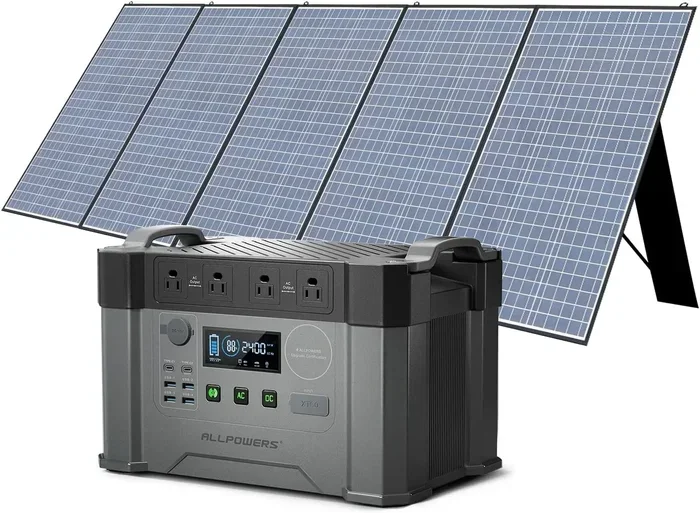
Best Portable Solar Generator for House Use Reviewed
Looking for the best portable solar generator for house use? This comprehensive review covers everything you need to know about choosing a reliable, efficient solar power solution for your home. We break down the top-rated models, compare their features, power output, and pricing, so you can make a smart investment that keeps your essentials running during outages and off-grid adventures.
Key Takeaways
- Match generator wattage to your essential home loads. Calculate total wattage needs before buying.
- Prioritize battery capacity for overnight power. Larger watt-hours keep devices running longer.
- Choose lightweight models for easy relocation. Portability ensures power wherever you need it.
- Verify solar panel compatibility for recharging. Not all generators accept third-party panels.
- Consider multiple charging ports for flexibility. USB, AC, and DC outlets matter.
- Check warranty and brand reputation carefully. Reliable support matters for long-term use.
- Balance cost with features for best value. Avoid overspending on unnecessary extras.
📑 Table of Contents
- Why a Portable Solar Generator Is a Smart Investment for Your Home
- Top Portable Solar Generators for House Use – Our Picks
- Key Features to Look for in a Portable Solar Generator
- How Portable Solar Generators Compare to Traditional Generators
- Setting Up Your Portable Solar Generator at Home
- Maintenance Tips to Keep Your Solar Generator Running
- Final Thoughts on Portable Solar Generators for Your Home
Why a Portable Solar Generator Is a Smart Investment for Your Home
Power outages happen when you least expect them. A storm rolls through, the grid goes down, and suddenly your fridge is warming up, your lights are out, and you are sitting in the dark. This is exactly why a portable solar generator for house use has become one of the most practical purchases homeowners are making today. It gives you reliable backup power without the noise, fuel costs, and emissions of a traditional gas generator.
A good portable solar generator taps into renewable energy, charges silently, and keeps your essential appliances running during a power outage. Whether you live in a storm-prone area or simply want energy independence, these units offer a clean, practical solution. In this guide, we review the best options available, help you understand what to look for, and show you how to get the most out of your investment.
We have tested and researched extensively to bring you honest picks that balance power output, portability, and value. Let us dive in and find the right home backup generator for your needs.
Top Portable Solar Generators for House Use – Our Picks
Not every solar generator is created equal. Some pack enough wattage to run your entire HVAC system, while others are better suited for smaller loads like lights and phones. Here are our top recommendations based on performance, reliability, and overall value.
EcoFlow Delta Pro – Best Overall
The EcoFlow Delta Pro is a powerhouse that delivers up to 3,600Wh of battery capacity. It handles heavy loads easily and features advanced inverter technology for clean, stable power. Its expandable design lets you add extra batteries for even more capacity, making it ideal for extended outages.
- Output: 3,600Wh (expandable to 7,200Wh)
- Fast solar charging with up to 1,600W input
- Smart app control for monitoring and scheduling
Bluetti AC200MAX – Best for Versatility
The Bluetti AC200MAX offers 2,048Wh of capacity and multiple output options, including AC outlets, USB ports, and a 12V car port. It is a strong portable power station that handles everything from laptops to mini-fridges with ease.
- 2,048Wh lithium battery with BMS protection
- Supports solar charging at up to 900W
- BMS thermal management keeps the unit safe
Jackery Explorer 3000 Pro – Best for Portability
If you want serious power without serious weight, the Jackery Explorer 3000 Pro delivers 3,024Wh in a unit that is surprisingly easy to move around. Its solar efficiency is impressive, and it charges to 80% in under two hours from a wall outlet.
- 3,024Wh capacity with pure sine wave output
- Weighs about 63 pounds – manageable for most users
- Excellent charging time and quiet operation
Goal Zero Yeti 3000X – Best for Off-Grid Living
For those pursuing a fully off-grid living lifestyle, the Goal Zero Yeti 3000X provides 3,032Wh and integrates seamlessly with solar panel arrays. It is built for durability and sustained use, making it a top choice for remote cabins and homesteads.
Key Features to Look for in a Portable Solar Generator
Shopping for the right unit can feel overwhelming with so many options on the market. Here are the most important specs and features to keep in mind before you buy a portable solar generator for house use.
Battery Capacity and Wattage Output
Battery capacity determines how much energy the unit can store, usually measured in watt-hours (Wh). A higher Wh rating means you can run more appliances for longer. You also need to check the wattage output, which tells you how much power the unit can deliver at any given moment.
For example, running a refrigerator might require 600W continuous, while a space heater can draw 1,500W or more. Make sure the generator can handle the combined load of your essential devices.
Solar Charging Efficiency and Time
The speed and efficiency of solar charging matters a lot, especially during prolonged outages. Look for units with high solar efficiency ratings and compatible solar panels. Most quality units accept between 400W and 1,200W of solar input, with charging time ranging from 4 to 12 hours depending on panel size and sunlight conditions.
Portability and Build Quality
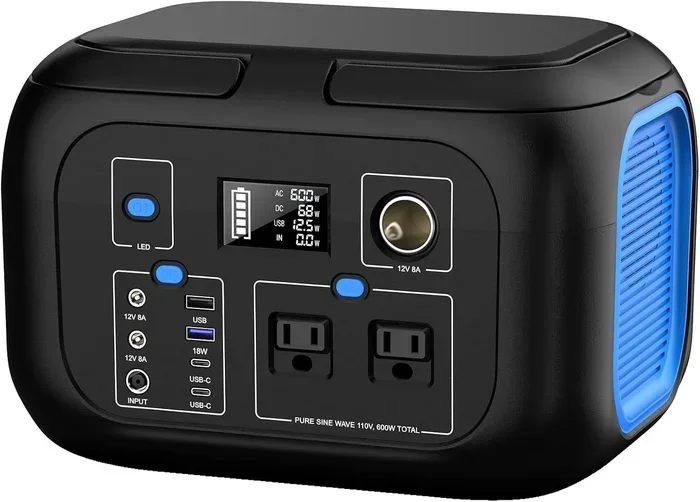
Since you are looking for a portable unit, weight and handle design matter. A unit over 50 pounds can be tricky to move, especially up stairs. Look for models with sturdy carry handles and rugged casings that protect against bumps and weather.
Multiple Output Ports
A versatile portable power station should include:
- AC outlets for standard household appliances
- USB-A and USB-C ports for phones and laptops
- 12V DC outlets for car accessories
- RV-style connections for larger setups
How Portable Solar Generators Compare to Traditional Generators
Many homeowners still wonder whether a portable solar generator can truly replace a gas-powered unit. Let us break down the key differences so you can make an informed choice.
| Feature | Portable Solar Generator | Traditional Gas Generator |
|---|---|---|
| Fuel Source | Sunlight (free and renewable) | Gasoline or propane (recurring cost) |
| Noise Level | Silent operation | Loud (60-90 dB) |
| Emissions | Zero emissions, green energy | Carbon monoxide and fumes |
| Maintenance | Minimal, no oil changes | Regular servicing required |
| Indoor Use | Safe indoors | Never use indoors (CO risk) |
| Refueling | None, just sunlight | Requires gasoline during outages |
As you can see, the advantages lean heavily toward solar. The one area where traditional generators still win is raw, sustained power output. If you need to run heavy HVAC systems for days, a gas unit still has an edge. But for most household needs during a power outage, a well-sized solar generator handles the job beautifully.
If you are wondering about sizing, check out our detailed guide on what size generator will run a whole house to understand your power requirements better. Also, if you want to learn more about generator costs for different home sizes, our article on how much a generator costs for a 2000 sq ft house offers helpful pricing insights.
Setting Up Your Portable Solar Generator at Home
Once you have chosen your unit, proper setup ensures maximum solar efficiency and convenience. Here is a step-by-step approach to getting everything running smoothly.
Step 1: Choose the Right Location
Place your solar panels in a spot that receives direct sunlight for most of the day. South-facing windows or an open patio work well. Avoid shaded areas from trees or buildings that reduce solar charging performance. The panels can be positioned on a balcony, rooftop, or lawn depending on your setup.
Step 2: Connect and Charge
Plug your solar panels into the portable solar generator using the appropriate connectors. Most units come with MC4 connectors or proprietary cables. Let the unit charge fully before you rely on it during an outage. A full charge typically takes 6-12 hours with a 200W-400W panel setup.
Step 3: Prioritize Your Loads
Make a list of essential appliances you need during an outage. Focus on:
- Refrigerator and freezer
- Lights and fans
- Phone and laptop charging
- Medical equipment if needed
- Router or modem for internet
Non-essential loads like space heaters, air conditioners, and laundry machines can drain the battery fast. Be strategic about what you run and when. For more guidance on powering specific appliances, our article on what size generator to run furnace and refrigerator provides detailed wattage breakdowns.
Quick Tips for Setup Success
- Charge the battery to 100% before storm season arrives
- Keep firmware updated if your unit has smart app features
- Use surge protectors for sensitive electronics
- Label your cables and ports for quick connections
Maintenance Tips to Keep Your Solar Generator Running
One of the best things about a portable solar generator for house use is how little upkeep it needs. Still, a few simple habits will extend its lifespan and keep it performing at its best.
Regular Charging and Storage
Lithium battery units perform best when stored at around 50-80% charge. If you go months without using it, top off the battery every 3-4 months. Avoid letting the unit sit at 0% for extended periods, as this can permanently reduce battery capacity.
Keep Solar Panels Clean
Dust, pollen, and bird droppings reduce solar efficiency significantly. Wipe your panels with a damp cloth every few weeks. During winter, clear snow buildup promptly to maintain optimal charging time and output.
Inspect Connections and Cables
Loose or corroded connections can cause power loss or even damage your unit. Check all cables, ports, and connectors periodically. Replace any frayed wires immediately to avoid safety hazards.
Store in a Cool, Dry Place
Extreme heat and moisture are enemies of lithium battery technology. When not in use, store your generator indoors at room temperature. Avoid direct sunlight for prolonged periods, especially during summer.
Expert Insight
Most manufacturers recommend a full system check once a year. This includes testing all output ports, verifying battery health, and ensuring the inverter technology is functioning correctly. Think of it like servicing your car – a little attention goes a long way.
Final Thoughts on Portable Solar Generators for Your Home
A portable solar generator for house use is no longer a luxury – it is a practical necessity. Whether you face frequent power outages, want to reduce your reliance on the grid, or are simply preparing for emergencies, these units deliver clean, reliable, and quiet power exactly when you need it.
Our top picks – EcoFlow Delta Pro, Bluetti AC200MAX, Jackery Explorer 3000 Pro, and Goal Zero Yeti 3000X – each bring unique strengths to the table. Consider your household energy needs, budget, and how much portability matters to you before choosing.
The shift toward green energy and renewable energy solutions is happening fast. Investing in a quality solar generator today puts you ahead of the curve and gives your family peace of mind. Start with a unit that covers your essentials, and expand later if needed. Energy independence is closer than you think, and it begins with the right home backup generator.
Frequently Asked Questions
Can a portable solar generator for house use power your entire home?
A portable solar generator can power essential appliances like lights, refrigerators, and fans during outages. However, it may not handle heavy-duty systems like central air conditioning or electric heaters. Choose the right wattage capacity based on your household energy needs.
What size portable solar generator for house use do you actually need?
The right size depends on how many devices you want to run and for how long. A 1,000 to 2,000 watt unit works well for most homes during short-term power outages. Calculate your total wattage requirements before making a purchase decision.
How long does it take to charge a portable solar generator for house backup?
Charging time varies based on panel size, sunlight strength, and battery capacity. Most units fully charge in 6 to 10 hours of direct sunlight using compatible solar panels. Some models also support wall outlet charging for faster top-ups during cloudy days.
Are portable solar generators worth it for house use in 2024?
Yes, they offer a clean, quiet, and fuel-free backup power solution for homeowners. They are especially valuable in areas prone to frequent outages or for eco-conscious households. The upfront cost pays off over time by eliminating fuel expenses and maintenance.
What appliances can you run on a portable solar generator for house emergencies?
Most portable solar generators can handle refrigerators, LED lights, phones, laptops, fans, and small kitchen appliances. Higher-wattage models can also power microwaves, CPAP machines, and power tools. Always check the surge and continuous wattage ratings before plugging in devices.
How do you maintain a portable solar generator for reliable house use?
Keep the solar panels clean and free from dust, debris, and shade for optimal performance. Store the unit in a cool, dry place and recharge it every 3 to 6 months even when not in use. Regularly check battery health and replace units showing significant capacity loss over time.