Best Emergency Backup Generator Guide for 2025 and Beyond
An emergency backup generator keeps your home running when the power goes out. This guide covers everything you need to know about choosing, installing, and maintaining the right unit for your home. You will learn about different generator types, fuel options, sizing requirements, and common pitfalls to avoid.
An emergency backup generator is one of the most important investments you can make for your home. When storms knock out power or equipment fails, a reliable unit keeps your lights on, your fridge running, and your family safe. Emergency backup generators have become essential for homeowners who want peace of mind during unpredictable weather events.
Power outages can happen without warning. Whether it is a severe thunderstorm, an ice storm, or a grid failure, losing electricity for even a few hours can cause real problems. Food spoils, pipes freeze, and medical devices stop working. Having a backup power supply ready to go makes all the difference.
This guide walks you through everything you need to know about selecting the right unit for your home. You will learn about the different types of generators, how to size one correctly, what fuel options are available, and how to keep your system running smoothly for years to come.
Key Takeaways
- Right sizing matters: Choosing the correct wattage prevents overload and saves fuel.
- Standby generators offer automatic power: They kick on within seconds of an outage.
- Fuel type affects cost and runtime: Propane, natural gas, and diesel each have pros and cons.
- Professional installation is recommended: Proper setup ensures safety and code compliance.
- Regular maintenance extends lifespan: A well-maintained unit can last 20 to 30 years.
- Safety features are non-negotiable: Carbon monoxide detectors and transfer switches are essential.
📑 Table of Contents
What Is an Emergency Backup Generator?
An emergency backup generator is a system designed to provide power when your main electricity source fails. Unlike a portable generator you might pull out for a camping trip, a home emergency power system is permanently installed and ready to activate automatically.
How Does a Backup Generator Work?
When the grid goes down, a standby generator senses the loss of power and kicks on automatically. This happens through a device called an automatic transfer switch. The switch detects the outage, signals the generator to start, and transfers your home’s electrical load to the generator within seconds.
Most whole house generators run on natural gas or propane. Some models can also operate on diesel fuel. The generator produces electricity and sends it through your home’s wiring, powering essential circuits and appliances until utility power is restored.
Why Every Home Needs One
Power outages are becoming more common. Severe weather events, aging infrastructure, and increased demand on the grid all contribute to longer and more frequent blackouts. A home generator protects your family from the inconvenience and danger of being without power.
Beyond comfort, a backup generator protects your wallet. A prolonged outage can cause food spoilage, water damage from sump pump failure, and damage to sensitive electronics. With a properly sized unit, you avoid these costly problems and keep your household running normally.
Types of Emergency Backup Generators
Not all generators are the same. Understanding the different types helps you make an informed decision. Here are the three main categories of generators available for home use.
Standby Generators
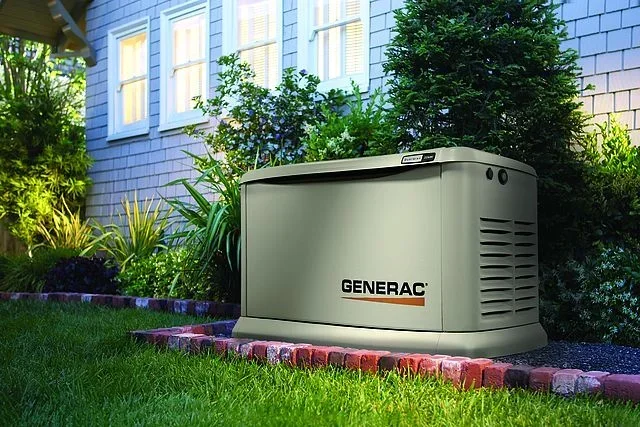
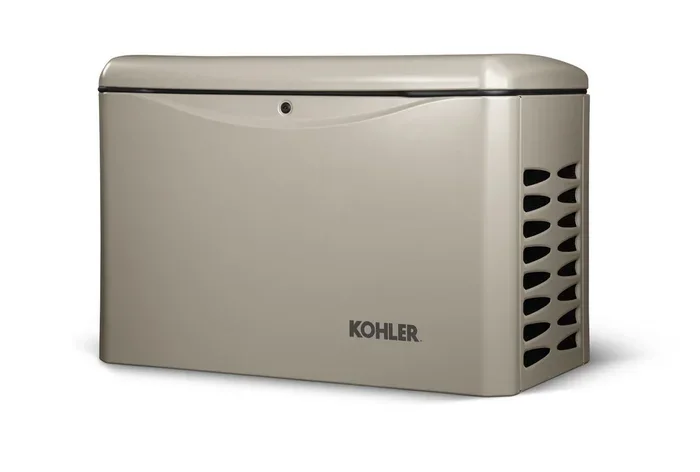
A standby generator is the gold standard for home backup power. These units are permanently installed outside your home, much like a central air conditioning unit. They connect directly to your home’s electrical system and fuel supply.
Standby generators typically range from 7 kilowatts to 20 kilowatts or more. They can power your entire home or just essential circuits, depending on the size you choose. The automatic transfer switch ensures seamless transition from grid power to generator power.
What can a standby generator power? It depends on the unit’s capacity, but most whole house generators can handle lighting, refrigeration, HVAC systems, sump pumps, and electronics. To learn more about what specific models can handle, check out what a Generac home generator powers for detailed insights on real-world performance.
Portable Generators
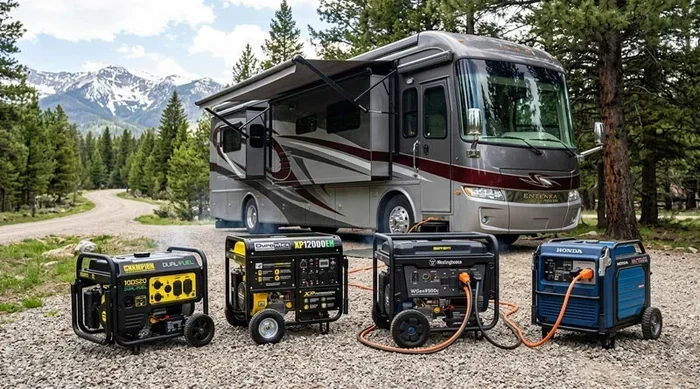
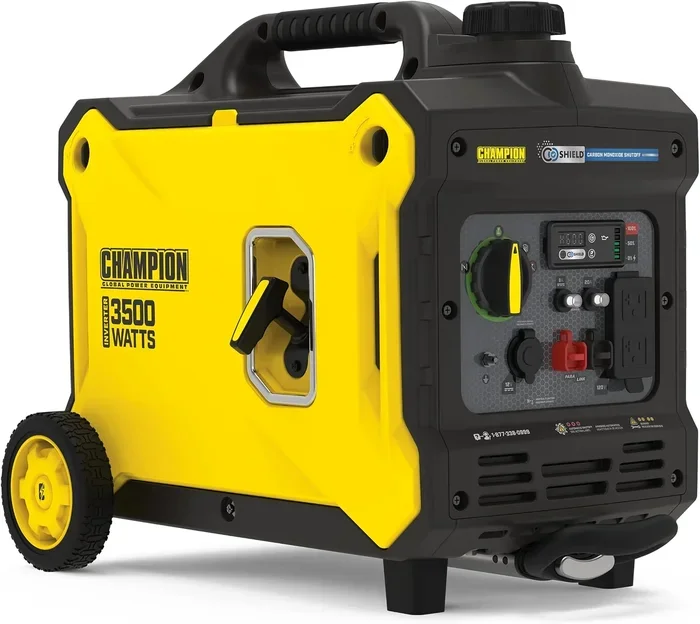
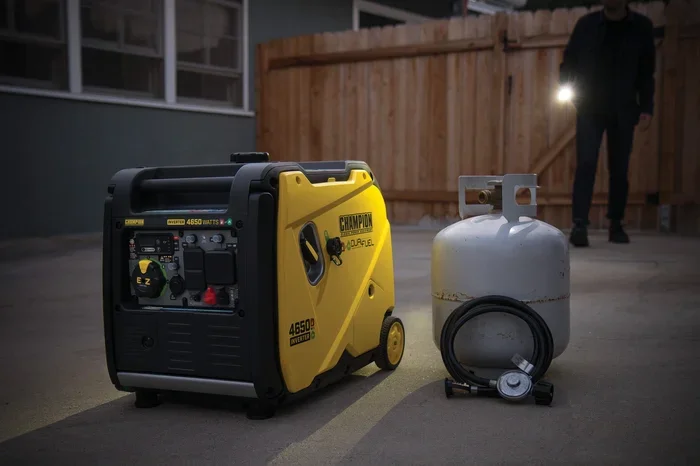
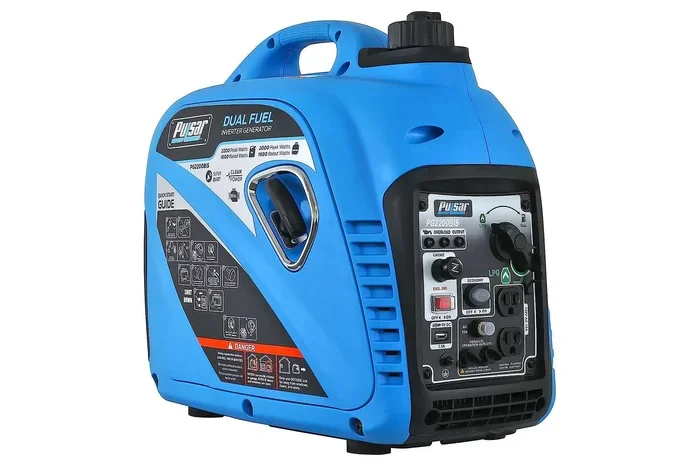
Portable generators are smaller, movable units that you store and deploy when needed. They typically run on gasoline and produce between 1,000 and 8,000 watts of power.
These units are more affordable than standby models but come with trade-offs. They require manual setup and extension cords. They also cannot power your entire home at once. Portable generators work best for running a few essential items during a short outage.
One major concern with portable generators is carbon monoxide. They must never be operated indoors or in enclosed spaces. Always place them at least 20 feet from your home with the exhaust facing away from windows and doors.
Portable Power Stations
A newer option on the market is the portable power station. These battery-powered units store electricity and can charge phones, laptops, and small appliances. They are quiet, emission-free, and easy to move around.
However, portable power stations have limited power capacity. They work well for short-term use and charging devices but cannot run heavy-duty appliances like air conditioners or electric stoves for extended periods. Think of them as a supplement, not a full replacement for a proper emergency backup generator.
| Feature | Standby Generator | Portable Generator | Portable Power Station |
|---|---|---|---|
| Power Output | 7,000 – 20,000+ watts | 1,000 – 8,000 watts | 300 – 2,000 watts |
| Fuel Type | Natural gas, propane, diesel | Gasoline | Battery (rechargeable) |
| Installation | Professional installation required | No installation needed | No installation needed |
| Cost Range | $3,000 – $15,000+ | $300 – $2,000 | $200 – $2,000 |
| Runtime | Unlimited with fuel supply | 8 – 24 hours per tank | 2 – 12 hours per charge |
| Auto-Start | Yes | No (manual start) | Yes (push button) |
| Best For | Whole-home backup | Partial power, portability | Device charging, short outages |
How to Choose the Right Emergency Backup Generator
Choosing the right emergency backup generator depends on several factors. Taking the time to evaluate your needs saves money and ensures you get the right level of protection for your household.
Calculate Your Power Needs
Start by listing the essential items you want to keep running during an outage. Common essentials include:
- Refrigerator and freezer
- Heating or cooling system
- Sump pump
- Medical equipment
- Lights in key rooms
- Wi-Fi router and modem
- Phone chargers
Add up the wattage of each item. Most appliances have a label showing their wattage. Remember that some devices, like refrigerators and air conditioners, have a higher startup wattage than running wattage. A good rule of thumb is to multiply the running wattage by three for motor-driven appliances.
If you are unsure about sizing, look up what size generator to run furnace and refrigerator for a helpful reference guide on matching generator capacity to common household appliances.
Fuel Type Comparison
The fuel type you choose affects fuel efficiency, runtime, and long-term cost. Here is a breakdown of the most common fuel options for home generators:
- Natural Gas: Connects to your home’s existing gas line. Unlimited runtime as long as gas service is active. Clean burning and convenient. This is the most popular fuel for standby generators.
- Propane: Stored in tanks on your property. Burns cleanly and has a long shelf life. You will need to monitor tank levels and arrange for refills. Find out how much propane a 20kW generator uses per hour to estimate your fuel costs accurately.
- Diesel: Very efficient and durable. Diesel generators are common for larger commercial setups but can work for homes too. Diesel fuel has a shorter shelf life than propane.
- Gasoline: Used mainly in portable generators. Readily available but has a short shelf life. Not ideal for long-term backup power.
Budget Considerations
Generator cost varies widely based on size, fuel type, and brand. Standby generators typically cost between $3,000 and $15,000, including professional installation. Portable generators range from $300 to $2,000. Portable power stations fall between $200 and $2,000.
While the upfront cost of a standby generator is higher, the long-term value is hard to beat. Automatic operation, unlimited runtime with a gas connection, and whole-home coverage make it the best choice for most homeowners serious about power outage protection.
Installing Your Emergency Backup Generator
Proper generator installation is critical for safety, performance, and code compliance. A poorly installed generator can be dangerous and may void your warranty. Taking the time to get this step right pays off for years.
Professional vs DIY Installation
For standby generators, professional installation is strongly recommended. A licensed electrician will handle the electrical connections, fuel line setup, and placement of the automatic transfer switch. They will also ensure the unit meets local building codes and manufacturer specifications.
Portable generators are much simpler to set up. You place them outside, connect extension cords, and start the engine. However, even portable units benefit from a transfer switch to safely connect to your home’s wiring. To understand the full process, read about how to run a generator to your house safely and effectively.
Safety Requirements
Generator safety should never be taken lightly. Here are the key safety requirements every homeowner should follow:
- Carbon monoxide protection: Generators produce deadly carbon monoxide gas. Always operate them outdoors and away from windows, doors, and vents. Install CO detectors on every level of your home.
- Proper grounding: The generator must be properly grounded to prevent electrical shock. Follow the manufacturer’s grounding instructions carefully.
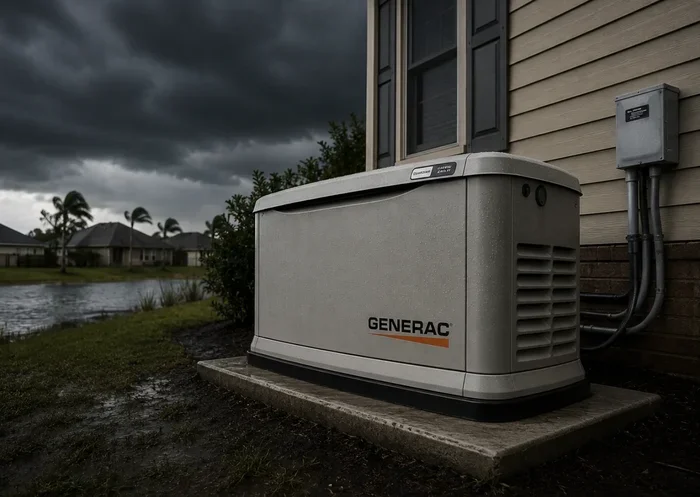
- Weather protection: Install your standby generator on a raised platform to protect it from flooding. Use a generator enclosure or cover to shield it from rain and snow.
- Ventilation: Ensure adequate airflow around the generator. Blocked vents can cause overheating and dangerous fume buildup.
- Fuel storage: Store fuel in approved containers in a well-ventilated area away from the generator and any ignition sources.
Maintaining Your Emergency Backup Generator
Regular generator maintenance keeps your unit reliable and extends its lifespan. A well-maintained generator starts when you need it most and runs efficiently for years. Neglecting maintenance is the fastest way to guarantee failure at the worst possible moment.
Routine Maintenance Tasks
Here is a simple maintenance schedule to follow:
- Monthly: Run the generator for 15 to 20 minutes under load. Check the oil level and look for any visible leaks or damage.
- Every 3 months: Change the engine oil and oil filter. Inspect the air filter and clean or replace it if dirty.
- Every 6 months: Check the spark plugs and replace them if worn. Inspect the fuel lines and connections for cracks or leaks.
- Annually: Have a professional perform a full inspection. This includes checking the transfer switch, testing the automatic start function, and verifying all electrical connections.
When to Call a Professional
Some maintenance tasks are best left to trained technicians. If you notice any of the following issues, contact a professional immediately:
- The generator fails to start or shuts down unexpectedly
- Unusual noises or vibrations during operation
- Visible smoke or strange odors
- Fuel leaks or pooling around the unit
- The automatic transfer switch is not functioning correctly
With proper care, a quality emergency backup generator can last 20 to 30 years or more. To understand how long these units typically last and what affects their longevity, explore how long a whole house generator lasts and what factors influence lifespan.
Common Mistakes to Avoid
Even the best generator can cause problems if you make common errors. Here are the mistakes homeowners should avoid at all costs.
Undersizing Your Generator
This is the most common mistake people make. A generator that is too small will overload, trip breakers, and fail to power essential systems. Always calculate your total power needs and add a 20 percent buffer for safety. Undersizing leads to frustrating outages right when you need power the most.
Ignoring Maintenance Schedules
It is easy to forget about your generator when the power is working fine. But skipping maintenance leads to poor performance, higher fuel consumption, and premature failure. Stick to the recommended schedule and keep a log of all service tasks. Set calendar reminders so nothing slips through the cracks.
Skipping Safety Precautions
Some homeowners take shortcuts with safety to save time or money. Never operate a generator indoors or in a garage, even with the door open. Never plug a portable generator directly into a wall outlet. Always use proper extension cords and a transfer switch. These precautions protect your family and your home from serious harm.
Choosing the Wrong Fuel
Not all fuel types work equally well in every situation. Gasoline has a short shelf life and may go stale if the generator sits unused for months. Propane and natural gas are more reliable for long-term storage. Choose a fuel type that matches your local availability and storage capabilities.
Final Thoughts
An emergency backup generator is more than a convenience. It is a safeguard for your home, your family, and your peace of mind. Power outages are unpredictable, but your preparation does not have to be.
By understanding your options, choosing the right size and fuel type, and committing to regular maintenance, you can ensure your home stays powered no matter what comes your way. Whether you opt for a whole house generator or a portable unit, the key is to act before the next storm hits.
Take the time today to evaluate your power needs and explore your options. A little planning now can save you from significant hardship later. Your future self will thank you when the lights stay on while everyone else is in the dark.
Frequently Asked Questions
How long can an emergency backup generator run continuously?
A standby generator can run continuously as long as it has a fuel supply. Natural gas units can run indefinitely since they connect to your home’s gas line. Propane models depend on tank size, typically lasting several days on a full tank. Portable generators usually run 8 to 24 hours per tank of gasoline.
What size emergency backup generator do I need for a 2000 square foot home?
For a 2000 square foot home, a generator in the 7,000 to 12,000 watt range typically covers essential circuits. If you want to power your entire home including HVAC and appliances, aim for 15,000 to 20,000 watts. Calculate your specific needs by adding up the wattage of your must-have appliances.
Is it safe to run a generator in the rain?
No, you should never operate any generator in wet conditions. Water can cause electrical shock, short circuits, and fire hazards. Standby generators come with weather-resistant enclosures, but portable generators should always be placed under a canopy or generator tent designed for ventilation.
How much does it cost to install a whole house generator?
Professional installation for a whole house generator typically costs between $3,000 and $15,000, depending on the unit size and complexity. This includes the generator itself, the automatic transfer switch, fuel line connections, electrical wiring, and any required permits. Portable generators cost significantly less but offer less coverage.
Can I connect a generator directly to my home’s electrical panel?
No, never connect a portable generator directly to your home’s electrical panel without a transfer switch. This is extremely dangerous and can send power back into the grid, risking electrocution for utility workers. A licensed electrician must install a proper transfer switch to safely power your home.
How often should I service my emergency backup generator?
You should run your generator monthly and perform oil changes every 3 months. Annual professional inspections are recommended to check all systems. Following this maintenance schedule ensures your generator starts reliably and runs efficiently when you need it most during a power outage.