50 Amp RV Generator The Best Models And Buying Tips
A 50 amp rv generator is the go-to power solution for RV owners who need reliable electricity on the road. This guide covers the best models, key buying tips, wattage requirements, fuel options, and maintenance advice to help you choose the right generator for your RV lifestyle.
Key Takeaways
- 50 amp rv generators deliver up to 12,000 watts of power: enough to run all major RV appliances simultaneously
- Inverter generators are the top choice for RVers: they provide clean, stable power and run quietly
- Fuel type matters a lot: propane, gasoline, and diesel each have different runtimes, costs, and storage needs
- Match your generator size to your actual power needs: calculating total wattage prevents overloads and saves money
- Regular maintenance extends generator life: oil changes, filter replacements, and proper storage make a big difference
📑 Table of Contents
- Why Every RVer Needs a 50 Amp RV Generator
- Understanding 50 Amp RV Power and Wattage Needs
- Types of Generators for RVs
- Top 50 Amp RV Generator Models to Consider
- How to Choose the Right 50 Amp RV Generator
- Installing and Running Your 50 Amp RV Generator
- Common Mistakes to Avoid When Buying a 50 Amp RV Generator
- Final Thoughts on Choosing a 50 Amp RV Generator
Why Every RVer Needs a 50 Amp RV Generator
If you love spending time in your RV, you know how important it is to have reliable power. Whether you are boondocking in the mountains or parked at a campsite with no hookups, a 50 amp rv generator keeps your lights on, your fridge running, and your devices charged. It is one of the most important investments you can make for your mobile lifestyle.
A 50 amp service provides up to 12,000 watts of power. That is enough to run your air conditioner, microwave, coffee maker, and charging stations all at the same time. Without a solid generator, you are limited in where and how long you can stay comfortably. This is why choosing the right rv generator deserves your full attention.
Not all generators are built the same. Some are loud. Some are heavy. Some burn through fuel too fast. This guide will walk you through everything you need to know about 50 amp rv generators, from wattage basics to the best models on the market. By the end, you will feel confident picking the perfect generator for your rig.
Understanding 50 Amp RV Power and Wattage Needs
What Does 50 Amp Mean for Your RV?
A 50 amp electrical system in your RV provides two 120-volt hot legs. Together, that gives you 240 volts of potential power. In practice, most RVs use the 120-volt circuits. The total available power is 12,000 watts, which is double what a 30 amp system offers at 3,600 watts.
This extra power gives you serious flexibility. You can run multiple high-draw appliances at once without tripping a breaker. Here is a quick look at common RV appliances and their wattage needs:
- Air conditioner: 1,200 to 2,500 watts (running wattage)
- Microwave: 1,000 to 1,500 watts
- Refrigerator: 600 to 800 watts
- Electric water heater: 1,000 to 1,500 watts
- Coffee maker: 800 to 1,200 watts
- Laptop and phone chargers: 100 to 200 watts each
Running Wattage vs Surge Wattage
When shopping for a generator, you will see two numbers: running wattage and surge wattage. Running wattage is the continuous power your generator can supply. Surge wattage is the extra burst of power needed to start motors like your AC unit or fridge compressor.
For example, your air conditioner might need 1,500 watts to run but could require 3,000 watts to start up. Your generator must handle that surge. This is why a 50 amp rv generator with at least 12,000 running watts and 15,000 surge watts is a smart choice for most RV setups.
Types of Generators for RVs
Inverter Generators
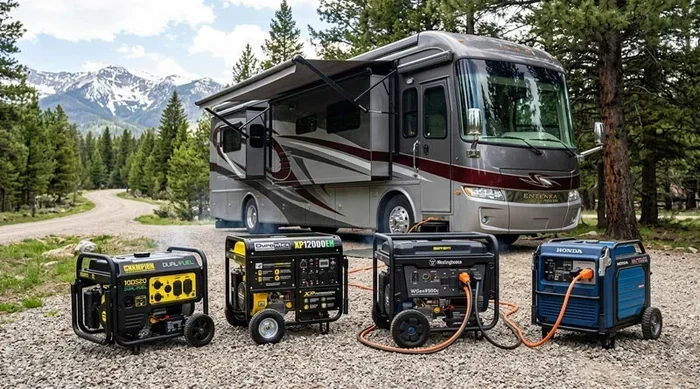
Inverter generators are the most popular choice among RV owners. They produce clean, stable power that is safe for sensitive electronics like laptops, TVs, and phones. They also run much quieter than traditional generators, which matters when you are camping in a peaceful spot.
Most inverter generators are lightweight and portable. You can easily move them around your campsite or store them in your RV bay. Popular brands like Honda, Yamaha, and Champion make excellent inverter models that RVer swear by.
Conventional Generators
Conventional generators are the older design. They are typically cheaper but louder and less fuel efficient. They also produce power that is less stable, which can be risky for delicate electronics. If you need raw power on a budget, a conventional unit might work, but for most RVers, an inverter model is the better pick.
Dual Fuel and Tri Fuel Generators
Dual fuel generators can run on both gasoline and propane. Tri fuel models add natural gas to the mix. These give you flexibility in fuel choice and can save money if propane is cheaper in your area. Some RV owners prefer propane because it burns cleaner and stores well for long periods.
You can learn more about how much fuel a generator uses by checking out our detailed guide on how much propane a generator uses per hour. It helps you estimate your fuel costs before you buy.
Top 50 Amp RV Generator Models to Consider
The market is full of options, and picking the right one can feel overwhelming. Here are some of the best 50 amp rv generator models that RVer love in 2024.
1. Generac 7675 Guardian Series
The Generac 7675 is a powerful standby-style generator that delivers 20,000 watts of surge power. It runs on natural gas or propane, making it a great option for RV owners who want a permanent setup. It is built for durability and can handle heavy loads with ease. This model is ideal if you park your RV for extended stays and want a reliable rv power supply.
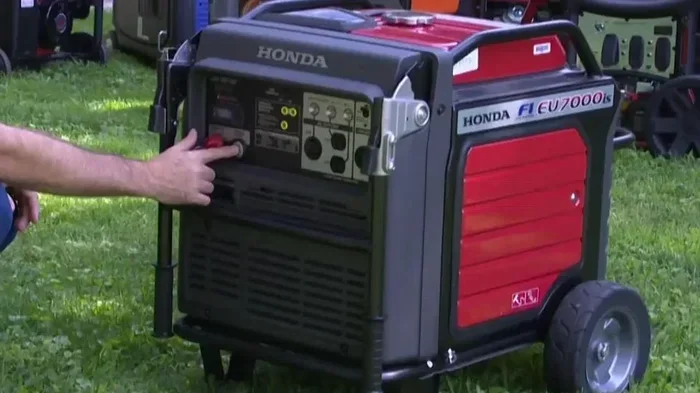
2. Honda EU7000iS
The Honda EU7000iS is a premium inverter generator with 7,000 running watts. It is whisper quiet, fuel efficient, and built to last. Honda generators are known for their reliability, and this model is no exception. It is a bit pricey, but the build quality and performance are worth every penny.
3. Champion 100263 Dual Fuel
The Champion 100263 offers 7,500 running watts and can run on both gasoline and propane. It is affordable, easy to start, and includes a handy fuel gauge. This is a great entry-level option for RVers who want a dependable 50 amp rv generator without breaking the bank.
4. Yamaha EF6300iSDE
The Yamaha EF6300iSDE delivers 6,300 running watts with clean inverter power. It features electric start and a remote start option, which is super convenient. Yamaha is known for making quiet, efficient generators that are perfect for camping trips.
5. DuroMax XP12000EH
The DuroMax XP12000EH is a beast of a generator with 12,000 running watts. It runs on dual fuel and can handle just about any RV appliance. If you have a large rig with high power demands, this model is a strong contender.
How to Choose the Right 50 Amp RV Generator
Buying a generator is not just about picking the most powerful one. You need to match the generator to your specific needs. Here are the key factors to consider.
Calculate Your Power Needs
Start by listing all the appliances you want to run at the same time. Add up their running wattages and factor in surge wattage for motor-driven devices. This gives you the minimum wattage your generator needs to handle. Most RVers find that a 50 amp rv generator with 12,000 to 15,000 watts covers their needs comfortably.
Consider Fuel Type and Runtime
Fuel choice affects both runtime and cost. Gasoline is widely available but has a shorter shelf life. Propane burns cleaner and stores longer. Diesel is the most fuel efficient but can be harder to find at some campgrounds. Think about where you travel and how long your typical trips last.
Think About Noise Level
Nobody wants a loud generator ruining the peace of a campsite. Inverter generators are the quietest option, often running below 60 decibels. Conventional generators can be much louder. Check the noise rating before you buy, especially if you camp in populated areas.
Portability and Storage
How easy is it to move and store your generator? Look for models with wheels, handles, and a compact design. Some generators are heavy and bulky, which can be a problem in a small RV. Make sure the generator fits in your storage space and is manageable to transport.
Check What a Generator Can Power
Understanding what a generator can actually power helps you make a smart choice. If you are curious about the capabilities of different generator sizes, our guide on what powers a Generac home generator offers useful insights that apply to RV setups too.
Installing and Running Your 50 Amp RV Generator
Proper installation makes a huge difference in safety and performance. Here are some essential tips to get your generator up and running the right way.
Placement and Ventilation
Always place your generator outside your RV. Exhaust fumes contain carbon monoxide, which is deadly. Never run a generator inside your rig, tent, or enclosed space. Position it at least 20 feet away from your RV and any open windows or doors.
Use a Transfer Switch
A transfer switch lets you connect your generator to your RV’s electrical system safely. It prevents backfeeding, which can damage your appliances and endanger utility workers. A proper transfer switch is a must-have for any 50 amp rv generator setup.
For more detailed guidance on running a generator to your home or RV, check out our helpful article on how to run a generator to your house for step-by-step instructions.
Fuel Storage and Maintenance
How long you can leave gas in a generator matters for long-term reliability. Fuel can go stale after 30 days, which causes starting problems. Use a fuel stabilizer if you store your generator for extended periods. Also, change the oil regularly and replace air filters to keep your unit running smoothly.
For tips on fuel storage, our article on how long you can leave gas in a generator covers the topic in detail.
Quick Maintenance Tips
- Change the oil every 100 hours of use or at least once per season
- Replace the air filter regularly, especially if you camp in dusty areas
- Use fuel stabilizer if the generator sits unused for more than two weeks
- Check the spark plug annually and replace it if worn
- Run the generator under load for at least 15 minutes once a month to keep the engine healthy
With proper care, a quality 50 amp rv generator can last for many years. Some models have a lifespan of 10,000 to 15,000 hours, which is plenty for regular RV use. If you want to know more about generator longevity, our guide on how long a whole house generator lasts offers helpful general insights.
Common Mistakes to Avoid When Buying a 50 Amp RV Generator
Even experienced RVers sometimes make mistakes when choosing a generator. Here are the most common pitfalls to watch out for.
- Buying more power than you need: Oversized generators waste money and fuel. Calculate your actual needs first.
- Ignoring surge wattage: A generator might meet your running wattage needs but fail to start your AC unit if the surge rating is too low.
- Skipping the transfer switch: Connecting a generator without a transfer switch is dangerous and can damage your electrical system.
- Choosing noise over efficiency: A louder generator might seem cheaper, but it can ruin your camping experience and disturb neighbors.
- Neglecting fuel type compatibility: Make sure your generator supports the fuel types available at the campgrounds you visit most often.
Avoiding these mistakes saves you time, money, and frustration. Take your time, do your research, and pick a generator that fits your RV lifestyle perfectly.
Final Thoughts on Choosing a 50 Amp RV Generator
A 50 amp rv generator is more than just a convenience. It is your ticket to freedom on the road. With the right generator, you can camp anywhere, run all your appliances, and stay comfortable no matter where your adventures take you.
Think about your power needs, your budget, and your travel style. Choose a model that balances clean power, quiet operation, and fuel efficiency. And remember to maintain your generator properly so it serves you well for years to come.
The best generator is the one that fits your rig and your lifestyle. Use the tips in this guide to make a confident, informed decision. Happy travels and happy camping!
Frequently Asked Questions
What can a 50 amp rv generator power?
A 50 amp rv generator can power all major RV appliances including air conditioners, microwaves, refrigerators, electric water heaters, and multiple charging stations simultaneously. With up to 12,000 watts of available power, it handles the full electrical load of most mid-size to large RVs without any issues.
How big of a generator do I need for a 50 amp RV?
You need a generator with at least 12,000 running watts and 15,000 surge watts to safely handle a 50 amp RV system. This ensures you can run multiple high-draw appliances at once, including your air conditioner and microwave, without overloading the generator.
Is an inverter generator better for RVs?
Yes, inverter generators are the best choice for most RVers. They produce clean, stable power that is safe for sensitive electronics, they run quietly, and they are more fuel efficient than conventional generators. Brands like Honda, Yamaha, and Champion offer excellent inverter models for RV use.
How long does a 50 amp rv generator last?
A well-maintained 50 amp rv generator can last anywhere from 10,000 to 15,000 hours of use. Regular maintenance like oil changes, air filter replacements, and proper fuel storage significantly extends the lifespan and keeps your generator running reliably for many years.
Can I run my 50 amp rv generator on propane?
Yes, many 50 amp rv generators support propane fuel, either as a primary or dual fuel option. Propane burns cleaner than gasoline, stores longer without going stale, and is often readily available at campgrounds. Dual fuel models give you the flexibility to switch between gasoline and propane as needed.
How do I connect a generator to my RV safely?
Always use a proper transfer switch to connect your generator to your RV’s electrical system. This prevents backfeeding and protects both your appliances and your safety. Place the generator outside at least 20 feet from your RV with proper ventilation to avoid carbon monoxide buildup.