Dual Fuel Inverter Generator The Complete Buyer Guide
A dual fuel inverter generator lets you switch between gasoline and propane for flexible, efficient power on the go. This guide covers how they work, key benefits, top features to look for, and common mistakes to avoid. You will leave with the confidence to pick the right unit for your needs.
A dual fuel inverter generator is one of the smartest power solutions you can own today. Whether you are camping in the woods, preparing for an emergency, or powering tools on a job site, this type of generator gives you options. You get the convenience of two fuel sources and the clean, stable power that modern electronics demand.
If you have been shopping for generators, you have probably noticed that the market is packed with choices. It can feel overwhelming. That is exactly why we put together this guide. We will walk you through everything you need to know in plain, simple language. By the end, you will know exactly what to look for and which dual fuel inverter generator fits your situation best.
Key Takeaways
- Fuel Flexibility: Switch between gasoline and propane depending on availability and cost.
- Clean Power Output: Inverter technology delivers stable, safe energy for sensitive electronics.
- Portability and Efficiency: Most models are lightweight and use less fuel than traditional generators.
- Quiet Operation: Dual fuel inverter units run significantly quieter than conventional generators.
- Smart Buying Matters: Matching wattage to your actual needs saves money and prevents overload.
📑 Table of Contents
- What Is a Dual Fuel Inverter Generator?
- Top Benefits of a Dual Fuel Inverter Generator
- How to Choose the Right Dual Fuel Inverter Generator
- Common Uses for Dual Fuel Inverter Generators
- Dual Fuel vs. Gasoline Only vs. Propane Only
- Maintenance Tips for Your Dual Fuel Inverter Generator
- Common Mistakes to Avoid
- Expert Insights on Dual Fuel Inverter Generators
- Final Thoughts
What Is a Dual Fuel Inverter Generator?
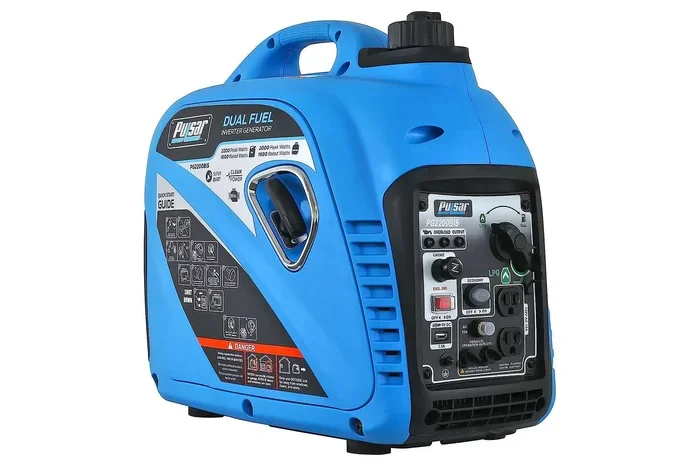
Let us start with the basics. A dual fuel inverter generator is a portable power unit that can run on two different fuels. Most commonly, those fuels are gasoline and propane. The inverter part means the generator uses advanced circuitry to convert raw power into clean, steady electricity.
Traditional generators produce what is called AC power directly. This power can be rough and unstable. It can damage sensitive devices like laptops, phones, and TVs. An inverter generator smooths that power out. The result is electricity that is just as safe as what comes from your wall outlet at home.
How Does It Work?
Here is how a dual fuel inverter generator works in simple terms. The engine burns fuel to create mechanical energy. That energy spins a magnet inside a coil of wire. This creates raw AC power. Then the inverter converts that AC power to DC power, and back to clean AC power.
This whole process happens in stages. Each stage cleans up the electricity further. The final output is a smooth sine wave. That is the same kind of power your appliances use every day. Because of this, you can safely plug in things like computers and medical devices without worry.
Why Choose Dual Fuel?
The dual fuel feature is what sets these generators apart. You are not locked into one fuel source. Gasoline is easy to find at any gas station. Propane stores well for long periods and burns cleaner. On a hot day, propane also helps keep the generator cooler.
Many people choose propane for camping trips because it is lighter and easier to transport. Others stick with gasoline for everyday use because it is more convenient. With a dual fuel inverter generator, you get the best of both worlds. You switch fuels based on what makes sense at the moment.
Top Benefits of a Dual Fuel Inverter Generator
There are many reasons why people love dual fuel inverter generators. Let us break down the biggest advantages so you can see the full picture.
Fuel Efficiency and Range
One of the standout benefits is fuel efficiency. Inverter generators adjust their engine speed to match the load. This means they do not run at full blast all the time. When you are powering just a phone charger, the engine slows down. When you plug in a heavy appliance, it speeds up.
This smart adjustment saves a lot of fuel. Propane, in particular, burns very efficiently. If you are comparing how much propane does a 20kw generator use per hour, you will find that inverter models use far less than traditional units. Over time, this adds up to real savings at the pump or the propane tank refill station.
Clean and Stable Power
Clean power is critical for modern electronics. Sensitive devices can be damaged by power fluctuations. A dual fuel inverter generator produces total harmonic distortion (THD) levels below 3%. This is the gold standard for safe power.
Think of it this way. Clean power is like filtered water. It is smooth and free of contaminants. Dirty power from old generators is like unfiltered water. It might work for a light bulb, but it can ruin a laptop or a television. With an inverter model, you get filtered power every time.
Quiet Operation
Nobody wants a loud generator ruining a peaceful camping trip. Dual fuel inverter generators are famous for being quiet. Many models run at just 50 to 60 decibels. That is about the same volume as a normal conversation.
This quietness comes from the inverter technology and the variable engine speed. Traditional generators run at a constant 3,600 RPM. That constant speed creates a loud, steady drone. Inverter generators adjust their speed. At low loads, they run much slower and much quieter. If you want power without the noise, this is a huge win.
Portability
Most dual fuel inverter generators are designed to be portable. They come with built-in handles and sometimes wheels. A typical unit weighs between 40 and 80 pounds. This makes them easy to move around your backyard, load into a truck, or carry to a campsite.
Compare this to a standby generator, which can weigh hundreds of pounds and requires permanent installation. The portability of an inverter generator gives you freedom. You take your power wherever you go.
How to Choose the Right Dual Fuel Inverter Generator
Choosing the right dual fuel inverter generator does not have to be confusing. You just need to know what matters. Here are the key factors to consider before you buy.
Wattage Needs
The first thing to figure out is how much power you actually need. Every generator has two wattage ratings. There is the running wattage and the surge wattage. Running wattage is the continuous power the generator can provide. Surge wattage is the extra power it can handle for a short burst.
Make a list of the devices you want to run. Add up their wattage. Then add a buffer of about 20 percent. This ensures you do not overload the unit. If you are not sure what size you need, check out our guide on what size generator to run furnace and refrigerator for helpful sizing tips.
Fuel Tank Size and Run Time
Run time matters a lot, especially if you plan to use the generator overnight or during long outages. Look at the fuel tank capacity and the estimated run time at 25 percent load. A larger tank means longer run time between refills.
Propane has the advantage of unlimited run time if you connect a larger tank. Many dual fuel inverter generators come with a propane hose adapter. This lets you hook up a 20-pound or 100-pound propane tank. You can run the generator for days without stopping for fuel.
Noise Level
Check the decibel rating before you buy. Lower is better. A generator rated at 50 dB is very quiet. One rated at 65 dB is moderately loud. If you are using it for camping or tailgating, go for the quietest model you can find.
Some brands even advertise their generators as “ultra quiet.” These models often use advanced muffler designs and sound-dampening enclosures. The difference can be significant, especially at night when everyone is trying to sleep.
Outlets and Features
Look at the number and type of outlets on the generator. You want a mix of USB ports, 120V outlets, and maybe even a 12V DC outlet. USB ports are great for charging phones and tablets directly. 120V outlets handle most household appliances.
Some models also offer parallel capability. This means you can connect two identical generators to double your power output. This is a clever trick if you ever need more juice than a single unit can provide.
Common Uses for Dual Fuel Inverter Generators
Dual fuel inverter generators are incredibly versatile. People use them in all sorts of situations. Here are some of the most popular use cases.
Camping and Outdoor Recreation
Camping is one of the top reasons people buy a dual fuel inverter generator. You need power for lights, fans, phones, and maybe a small grill or coffee maker. A quiet, portable inverter generator fits right into a camping setup without disturbing the peace of nature.
Propane is a favorite fuel for campers. It is clean-burning and you can swap tanks easily. Gasoline works too if you are near a town or gas station. The ability to switch fuels means you are never stuck without power.
Emergency Backup Power
When the power goes out during a storm, a dual fuel inverter generator can be a lifesaver. It keeps your fridge running, charges your devices, and powers essential lights. Because it produces clean power, it is safe for your electronics and appliances.
One important tip for emergency use: learn how to properly run a generator to your house using a transfer switch. This is the safest and most effective way to connect a generator to your home’s electrical system. Never plug a generator directly into a wall outlet. That is dangerous and can backfeed power onto utility lines.
Job Sites and Outdoor Work
Contractors and tradespeople also love these generators. They power tools like drills, saws, and air compressors on job sites where there is no electricity. The dual fuel option means workers can use propane when gasoline is not handy or when they want to reduce fumes on the job site.
Clean power is especially important for power tools with sensitive electronic components. A dual fuel inverter generator delivers that clean power reliably. It keeps tools running smoothly and helps prevent damage from power surges.
Dual Fuel vs. Gasoline Only vs. Propane Only
It helps to compare your options side by side. Here is a quick look at how dual fuel inverter generators stack up against single-fuel models.
| Feature | Dual Fuel | Gasoline Only | Propane Only |
|---|---|---|---|
| Fuel Flexibility | Both gasoline and propane | Gasoline only | Propane only |
| Portability | High | High | Moderate |
| Fuel Storage | Good for both fuels | Gasoline degrades over time | Propane stores indefinitely |
| Run Time | Long with propane tank | Limited by tank size | Long with large tank |
| Clean Burning | Propane burns cleaner | Moderate | Cleanest burning |
| Availability | Widely available | Easy to find | Requires propane tank |
As you can see, the dual fuel option gives you the most flexibility. Gasoline-only generators are simpler but limited by fuel shelf life. Propane-only models burn the cleanest but require a propane supply. The dual fuel inverter generator combines the strengths of both into one convenient package.
Maintenance Tips for Your Dual Fuel Inverter Generator
Keeping your generator in good shape is simple. A little regular maintenance goes a long way toward reliability and longevity. Here are the easy steps you should follow.
Change the Oil Regularly
Check your owner manual for the oil change schedule. Most manufacturers recommend changing the oil after the first 20 hours of use, and then every 100 hours after that. Fresh oil keeps the engine running smoothly and prevents wear.
Use Fresh Fuel
Gasoline breaks down over time. Old fuel can clog the carburetor and cause starting problems. Try to use fresh fuel and add a fuel stabilizer if you plan to store the generator for more than a month. If you are curious about fuel storage limits, check out this guide on how long you can leave gas in a generator for more details.
Keep the Air Filter Clean
A dirty air filter restricts airflow and reduces engine performance. Check the air filter before each use. Clean it with soap and water if it looks dirty. Replace it if it is damaged or worn out.
Run the Generator Regularly
Even if you do not need power often, start the generator and let it run for about 15 minutes once a month. This keeps the engine lubricated and prevents fuel system issues. It also ensures the generator is ready when you need it most.
Common Mistakes to Avoid
Even experienced users make mistakes with generators. Here are some common pitfalls and how to avoid them.
Overloading the Generator
Plugging in too many devices at once is a rookie mistake. It trips the breaker or can damage the generator. Always check the total wattage of your devices before you start plugging things in. Stay within 80 percent of the generator’s rated capacity for safe operation.
Running the Generator Indoors
This cannot be stressed enough. A generator must always be used outdoors. Carbon monoxide is a silent killer. Never run a dual fuel inverter generator inside a garage, tent, or enclosed space. Keep it at least 20 feet away from your home with the exhaust pointing away from windows and doors.
Ignoring the Break-In Period
New generators need a break-in period. This means running the generator at varying loads for the first few hours. It helps the engine seat properly and extends its lifespan. Skip this step and you may shorten the life of your generator.
Expert Insights on Dual Fuel Inverter Generators
We talked to several industry experts to get their take on dual fuel inverter generators. Here is what they had to say.
Tip from a power equipment specialist: “Always buy a generator with at least 20 percent more capacity than you think you need. This headroom prevents overload and extends the life of the unit.”
Advice from a camping enthusiast: “Switching to propane for camping is a game changer. It is quieter, burns cleaner, and you never have to worry about gasoline going bad in the tank over the off-season.”
A quick tip for first-time buyers: Start with a mid-range model from a trusted brand. You do not need the most expensive unit to get reliable power. Focus on features that match your actual needs, and you will be happy with your purchase.
Final Thoughts
A dual fuel inverter generator is a smart, versatile investment for anyone who needs reliable portable power. Whether you are a camper, a homeowner preparing for emergencies, or a professional who works outdoors, this type of generator delivers. You get fuel flexibility, clean power, quiet operation, and easy portability all in one package.
Take your time when shopping. Consider your wattage needs, fuel preferences, and budget. Read reviews and compare models. The right dual fuel inverter generator will serve you well for years to come. It gives you peace of mind knowing that power is always within reach, no matter where you are or what fuel is available.
Start your search today. With the knowledge you have gained from this guide, you are ready to make a confident, informed choice. Power up your life the smart way with a dual fuel inverter generator.
Frequently Asked Questions
Can I use both gasoline and propane at the same time in a dual fuel inverter generator?
No, you cannot mix fuels simultaneously. You need to switch the generator’s fuel valve to either gasoline or propane before starting the engine. The switch is usually quick and easy to operate. Always refer to your owner’s manual for the correct switching procedure.
Is propane or gasoline better for a dual fuel inverter generator?
Both fuels have their advantages. Propane burns cleaner and stores longer without degrading. Gasoline is more readily available and has higher energy density. Many users prefer propane for camping and gasoline for emergency backup at home.
How long does a dual fuel inverter generator last?
With proper maintenance, a quality dual fuel inverter generator can last 1,000 to 3,000 hours or more. Regular oil changes, clean air filters, and fresh fuel all contribute to a longer lifespan. Treat your generator well and it will serve you for many years.
Are dual fuel inverter generators safe for sensitive electronics?
Yes, they are very safe. Inverter technology produces clean, stable power with low total harmonic distortion. This makes them ideal for laptops, smartphones, TVs, and other sensitive devices. You can plug in your electronics with confidence.
What size dual fuel inverter generator do I need for a camping trip?
For most camping setups, a 1,000 to 2,000 watt unit works great. It can power lights, a small fan, and charge multiple devices. If you plan to run a microwave or coffee maker, look for a 2,500 to 3,000 watt model. Always add a 20 percent buffer to your calculated needs.
Do dual fuel inverter generators cost more than single-fuel models?
They typically cost a bit more upfront, but the added flexibility and fuel efficiency often offset the price difference over time. You save money by using the cheaper or more available fuel at any given time. Many users find the extra versatility well worth the investment.