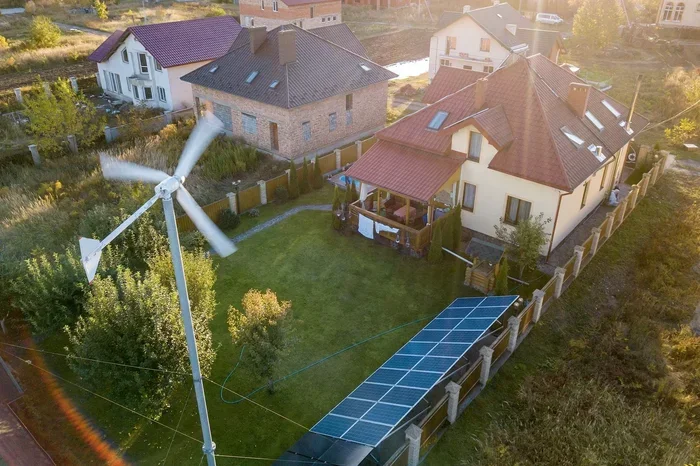
Wind Generator for Home Everything You Need to Know
A wind generator for home use is a practical way to harness clean, renewable energy and reduce electricity bills. This guide covers everything from how residential wind turbines work and what they cost to sizing, installation, and maintenance. You will learn whether a home wind power system fits your property and energy needs, along with expert tips to maximize efficiency and savings.
A wind generator for home use might sound like something only off-grid homesteaders need. But the truth is, more homeowners are discovering the real benefits of capturing wind energy right on their own property. Whether you want to slash your electricity bill, gain energy independence, or simply shrink your carbon footprint, a home wind power system can deliver serious results.
In this guide, we walk through everything you need to know. We cover how residential wind turbines actually work, what they cost, how to size one correctly, and what to expect during installation. By the end, you will have a clear picture of whether a wind generator makes sense for your home.
Key Takeaways
- Wind generators can significantly cut home electricity costs: A properly sized residential wind turbine can offset 50-90% of your monthly energy use depending on local wind conditions.
- Small wind turbines are easier to install than ever: Modern home wind power systems come in plug-and-play designs that simplify setup for most homeowners.
- Upfront costs vary widely: Expect to pay between $3,000 and $30,000+ depending on turbine size, tower height, and installation complexity.
- Wind speed and property size matter: You need adequate open space and consistent wind speeds of at least 10 mph for a wind generator to be effective.
- Maintenance is minimal but essential: Regular inspections, blade cleaning, and bolt checks keep your system running efficiently for 20+ years.
- Rebates and tax credits can reduce costs: Federal and state incentives make renewable energy for home use more affordable than ever before.
📑 Table of Contents
- How a Wind Generator for Home Use Works
- How Much Does a Wind Generator Cost?
- Sizing Your Wind Generator Correctly
- Installing Your Wind Generator at Home
- Maintenance and Long-Term Care
- Pros and Cons of a Home Wind Generator
- Wind Generator vs. Solar: Which Is Better for Your Home?
- Final Thoughts on Wind Generators for Home Use
How a Wind Generator for Home Use Works
Understanding the basics helps you make smarter decisions. A wind generator converts kinetic energy from moving air into electricity. It is a simple concept with powerful results.
The Science Behind Wind Power
Wind turns the turbine blades, which spin a rotor connected to a generator. The generator produces electricity that powers your home. The stronger and more consistent the wind, the more electricity your system generates.
Most home wind turbines have three blades. This design balances efficiency and stability. The blades sit atop a tall tower to catch stronger, less turbulent winds above obstacles like trees and rooftops.
Types of Residential Wind Turbines
Not all wind generators are the same. Here are the main types you will encounter:
- Horizontal Axis Wind Turbines (HAWT): These are the classic windmill-style turbines. They face into the wind and are the most common type for home use.
- Vertical Axis Wind Turbines (VAWT): These turbines spin around a vertical shaft. They work well in turbulent wind conditions and can be installed closer to the ground.
- Hybrid Wind-Solar Systems: Some homeowners combine wind turbines with solar panels for year-round renewable energy production.
Each type has pros and cons. HAWTs generally produce more power in steady winds. VAWTs handle gusty or variable wind directions better. Your local wind patterns will help determine the best fit.
How Much Does a Wind Generator Cost?
Cost is one of the first questions homeowners ask. The answer depends on several factors, including turbine size, tower height, and installation complexity.
Breaking Down the Costs
Here is a general cost breakdown for a residential wind power system:
- Small turbines (under 1 kW): $3,000 to $8,000. These are ideal for supplementing solar panels or powering specific appliances.
- Medium turbines (1-10 kW): $8,000 to $20,000. This range covers most full home wind generator setups.
- Large turbines (10+ kW): $20,000 to $70,000+. These systems can power an entire home and even sell excess energy back to the grid.
Keep in mind that the turbine itself is only part of the expense. You also need to budget for the tower, wiring, inverter, and professional installation. Some homeowners find that the total installed cost is higher than expected, which is why proper planning matters so much.
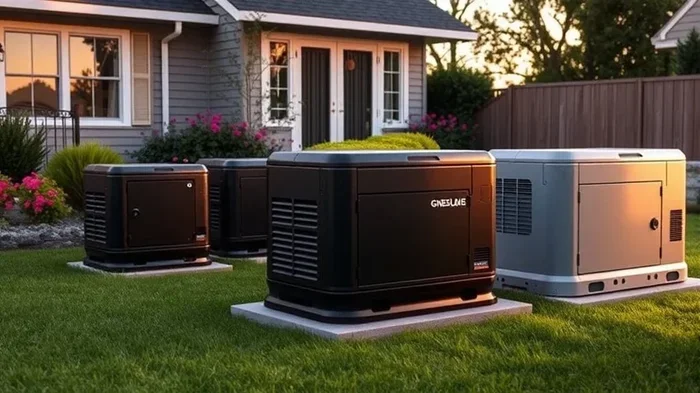
If you are also considering other power solutions for your property, check out what powers a Generac home generator to compare options.
Are Wind Generators Worth the Investment?
The payback period for a home wind turbine typically ranges from 6 to 15 years. After that, the electricity your turbine produces is essentially free. Many homeowners see their system pay for itself faster when they factor in state rebates and federal tax credits. A wind generator for home use can also increase your property value, making it a solid long-term investment.
Sizing Your Wind Generator Correctly
Choosing the right size is critical. A turbine that is too small will not meet your energy needs. One that is too large wastes money and may violate local regulations.
Step 1: Calculate Your Energy Use
Start by reviewing your electricity bills. Find your average monthly kilowatt-hour (kWh) usage. The U.S. average household uses about 877 kWh per month, but your number may be higher or lower depending on your household size and habits.
Once you know your usage, you can determine what size turbine you need. A general rule of thumb is that a 1.5 kW turbine can offset about 30% of an average home’s electricity use in a location with good wind resources.
Step 2: Assess Your Wind Resource
Wind speed is the single most important factor in how much power your turbine will generate. You need average annual wind speeds of at least 10 mph for a wind generator to be practical.
Here is a quick reference for wind speed and power output:
- Below 9 mph: Wind power may not be cost-effective for most homes.
- 10-12 mph: Good wind resource. A small to medium turbine can work well.
- 13+ mph: Excellent wind resource. Even a modest turbine can produce significant electricity.
You can check wind speed data from the National Weather Service or install an anemometer on your property for a few months to get accurate local readings.
Step 3: Consider Your Property Size
Wind turbines need space. The general guideline is that the turbine should be installed at least 30 feet above any obstacle within 300 feet. This means tall trees, neighboring buildings, and hills all affect your turbine’s performance.
Urban and suburban lots often present challenges. If your property is small or surrounded by tall structures, a vertical axis turbine or a hybrid solar-wind system might be a better choice.
Installing Your Wind Generator at Home
Installation is the most complex part of going wind-powered. But with the right approach, it is very manageable.
Permits and Regulations
Before you buy anything, check your local zoning laws and building codes. Many municipalities require permits for wind turbines. Some areas have height restrictions, noise limits, or setback requirements that could affect your plans.
Your homeowners association may also have rules about visible structures on your property. Always get approval before installation to avoid costly surprises later.
The Installation Process
Here is what a typical installation looks like:
- Site Assessment: A professional evaluates your property, wind resource, and electrical setup.
- Foundation and Tower: A concrete foundation is poured, and the tower is erected. Tower heights for home turbines typically range from 30 to 100 feet.
- Turbine Mounting: The turbine is secured to the tower top with proper wiring and safety connections.
- Electrical Connection: The system is wired into your home’s electrical panel. A grid-tied system sends excess power back to the utility company.
- Testing and Commissioning: The entire system is tested to ensure safe and efficient operation.
Most homeowners hire a certified installer for this process. A professional ensures safety, compliance, and optimal performance. If you are curious about running a generator setup to your house, you can learn more about the process involved.
Maintenance and Long-Term Care
One of the best things about wind generators is how little upkeep they require. Still, regular maintenance keeps your system running at peak performance for decades.
Routine Maintenance Tasks
Here is what you should do to keep your wind generator in top shape:
- Inspect blades every 6 months: Look for cracks, erosion, or debris buildup. Clean the blades with a soft cloth and mild soap.
- Check bolts and connections: Vibration can loosen bolts over time. Tighten all connections annually.
- Lubricate moving parts: Bearings and other moving components may need lubrication every 1-2 years, depending on the manufacturer.
- Monitor electrical connections: Inspect wiring and inverters for signs of wear or corrosion.
- Track performance: Use a monitoring system to track energy output. A sudden drop in production signals a problem that needs attention.
With proper care, a quality residential wind turbine can last 20 to 25 years or more. The generator and electronic components may need replacement after 10-15 years, but the turbine structure itself is built to endure.
Curious about how long your entire home power system might last? Check out how long a whole house generator lasts for a broader perspective on home power equipment durability.
Pros and Cons of a Home Wind Generator
Every energy solution has trade-offs. Here is a balanced look at what to expect:
Pros
- Lower electricity bills: Wind power can dramatically reduce or even eliminate your monthly energy costs.
- Clean, renewable energy: Wind turbines produce zero emissions during operation.
- Energy independence: You are less vulnerable to rising utility rates and grid outages.
- Federal and state incentives: Tax credits and rebates can offset a significant portion of upfront costs.
- Long lifespan: A well-maintained turbine lasts 20+ years.
Cons
- High upfront cost: Even small systems require a meaningful initial investment.
- Wind dependency: Your system only generates power when the wind blows.
- Space requirements: You need adequate open land with consistent wind access.
- Noise and visual impact: Some neighbors or HOAs may object to the appearance or sound of a turbine.
- Permitting challenges: Local regulations can make installation more complicated than expected.
Weighing these factors honestly helps you decide whether a wind generator aligns with your goals and property conditions.
Wind Generator vs. Solar: Which Is Better for Your Home?
Many homeowners compare wind power to solar panels. Both are excellent renewable energy sources, but they work best in different situations.
Solar panels are more versatile. They work on rooftops and small lots, making them ideal for suburban homes. Wind turbines need open space and consistent wind, which suits rural properties better.
However, wind turbines often produce more energy at night and during winter months when solar output drops. Combining both systems creates a balanced renewable energy setup that works year-round.
If you are weighing options, consider your property size, local wind and sun conditions, and your budget. Sometimes the best answer is both.
For homeowners exploring backup or supplemental power options, understanding the cost of a generator for a 2000 sq ft house can provide helpful context when comparing wind and traditional generator solutions.
Final Thoughts on Wind Generators for Home Use
A wind generator for home use is a smart, forward-thinking investment for the right property. It offers real savings, energy independence, and a smaller environmental footprint. But success depends on proper sizing, good wind resources, and professional installation.
Start by evaluating your energy needs, checking local wind speeds, and understanding your local regulations. Then work with a trusted installer to design a system that fits your home and budget. The upfront effort pays off in years of clean, affordable electricity.
Whether you go fully off-grid or simply supplement your utility power, a home wind turbine is a step toward a more sustainable future. The technology has never been more accessible, and the savings have never been more compelling.
Frequently Asked Questions
How much electricity can a home wind generator produce?
A typical residential wind turbine rated at 5 kW can produce around 8,000 to 12,000 kWh per year in a location with average wind speeds of 12 mph. This can offset a significant portion of a standard household’s electricity use, especially when combined with energy-efficient appliances and smart usage habits.
Do I need a lot of land to install a wind turbine?
You do need open space with consistent wind flow. Most experts recommend at least one acre of unobstructed land. The turbine should be installed at least 30 feet above any nearby obstacles within 300 feet. Smaller properties can still work with vertical axis turbines or hybrid wind-solar systems that maximize limited space.
Are there government incentives for installing a home wind turbine?
Yes. The federal Residential Renewable Energy Tax Credit covers a percentage of your wind turbine installation costs. Many states and local utilities also offer additional rebates and incentives. These programs can significantly reduce your upfront investment and shorten the payback period. Check the Database of State Incentives for Renewables and Efficiency (DSIRE) for programs in your area.
How noisy is a residential wind turbine?
Modern home wind turbines are surprisingly quiet. Most produce sound levels between 35 and 45 decibels at a distance of 100 feet, which is similar to a quiet conversation or a refrigerator running in another room. Proper installation and distance from neighboring properties help minimize any noise concerns.
Can I connect my wind turbine to the power grid?
Yes, most home wind generators are grid-tied systems. This means excess electricity your turbine produces flows back to the utility grid, and you earn credits through net metering. Grid-tied systems also ensure you have power when the wind is not blowing, drawing electricity from the grid as needed.
What maintenance does a home wind generator require?
Home wind turbines require very little maintenance. Annual inspections should include checking blade condition, tightening bolts, lubricating bearings, and monitoring electrical connections. Most homeowners spend just a few hours per year on basic upkeep, and professional servicing is typically needed only every few years.