Best Whole House Solar Generator Options for Your Home
A whole house solar generator offers clean, reliable backup power for your entire home. It stores solar energy in batteries so you can keep lights on, appliances running, and family comfortable during outages. In this guide, we break down the top options, key features, and costs to help you choose the best system for your needs.
A whole house solar generator is a game changer for homeowners who want reliable backup power without the noise and fumes of a gas generator. These systems capture sunlight, store it in batteries, and deliver clean energy to your entire home when you need it most. Whether you face frequent power outages or simply want to cut your electricity bill, a solar generator can make a real difference.
But with so many options on the market, how do you pick the right one? That is exactly what this guide covers. We will walk you through the best whole house solar generator options, explain how they work, compare key features, and help you make a smart choice for your home.
By the end, you will know exactly what to look for, what to budget, and which system fits your household best. Let us dive in.
Key Takeaways
- Whole house solar generators provide renewable energy backup that reduces reliance on the grid and lowers electricity bills.
- Top brands like EcoFlow, Bluetti, and Jackery offer powerful options for different home sizes and energy needs.
- Battery capacity and wattage matter most when choosing the right size for your household.
- Installation costs range widely but federal tax credits can offset a significant portion of the investment.
- Regular maintenance keeps your system running smoothly and extends its lifespan over many years.
- Solar generators are quieter and cleaner than traditional fuel-powered backup generators.
📑 Table of Contents
What Is a Whole House Solar Generator?
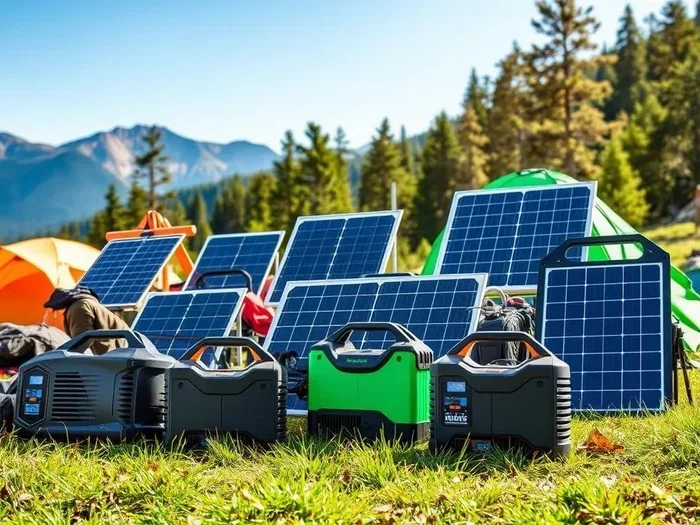
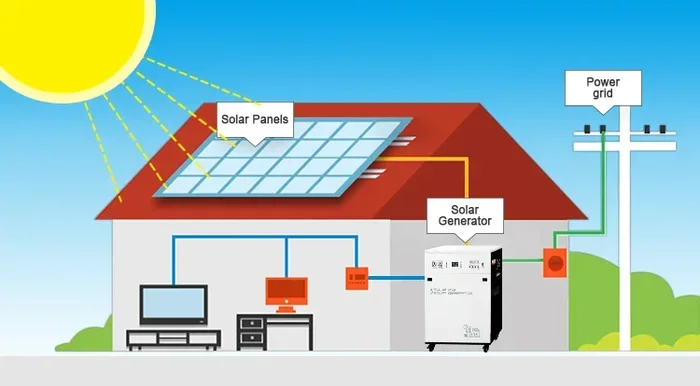
A whole house solar generator is a complete solar power system designed to run your entire home. It typically includes solar panels, a battery bank, an inverter, and a charge controller. Together, these components capture sunlight, convert it to usable electricity, and store it for later use.
Unlike a portable solar generator, a whole house system is built to handle heavy loads. It can power your refrigerator, HVAC system, lights, electronics, and more. Think of it as a personal power plant right on your roof.
How Does It Work?
The process is simpler than you might think. Solar panels absorb sunlight during the day. The solar charge controller regulates the energy flow and sends it to the battery bank for storage. When you need power, the solar inverter converts the stored DC energy into AC power that your home appliances can use.
During the day, the system can power your home directly while also recharging the batteries. At night or during cloudy weather, it draws from the stored energy. This cycle keeps your home running smoothly around the clock.
Why Choose Solar Over a Gas Generator?
There are several reasons homeowners are switching to solar. First, solar energy is free and renewable. You do not need to buy fuel or worry about price spikes. Second, solar generators run silently. No more loud engines disturbing your neighborhood. Third, they produce zero emissions, which is better for the environment.
Also, a whole house solar generator requires much less maintenance than a gas unit. There are no oil changes, no spark plugs, and no fuel storage hassles. Over time, the savings add up significantly.
Top Whole House Solar Generator Options
Now let us look at the best options available. Each system has its strengths, and the right choice depends on your home size, energy needs, and budget.
EcoFlow Delta Pro
The EcoFlow Delta Pro is one of the most popular whole house solar generator options on the market. It offers up to 3.6 kWh of expandable battery capacity, which can grow to 7.2 kWh with extra units. The system supports up to 400 watts of solar input, making it a strong choice for solar charging.
Key features include:
- High capacity: Enough to run essential home appliances for days.
- Fast charging: Recharges quickly from solar panels or wall outlets.
- Smart app control: Monitor and manage your power usage from your phone.
- Quiet operation: No noise pollution during backup power.
The EcoFlow Delta Pro works well for medium-sized homes and is an excellent starting point for families exploring solar backup power.
Bluetti AC200MAX
The Bluetti AC200MAX is another top contender. It delivers 2,048 Wh of capacity with 2,200 watts of output, which is enough to handle most household essentials during an outage. It supports up to 900 watts of solar input, so you can recharge quickly when the sun is shining.
Why homeowners love it:
- Expandable battery: Add extra battery packs for more storage.
- Multiple output ports: Charge many devices and appliances at once.
- Durable build: Built to last with a long battery lifespan.
- User-friendly interface: Easy to set up and operate.
If you need a reliable and affordable home energy backup solution, the Bluetti AC200MAX is worth serious consideration.
Jackery Explorer 3000 Pro
The Jackery Explorer 3000 Pro offers 3,024 Wh of capacity and 3,000 watts of output. This makes it capable of running larger appliances like air conditioners and electric stoves. It accepts up to 600 watts of solar input, which is solid for most setups.
Standout features include:
- Long battery life: Rated for thousands of charge cycles.
- Portable design: Easy to move and set up wherever you need it.
- Multiple charging options: Solar, wall outlet, or car charger.
- Reliable brand: Jackery has a strong reputation in the solar industry.
This system is ideal for homeowners who want a balance of power and portability.
Bluetti EP500 Pro
For larger homes with higher energy demands, the Bluetti EP500 Pro is a powerhouse. It delivers 5,100 Wh of capacity and a massive 3,000 watts of continuous output. It also supports up to 1,600 watts of solar input, making it one of the fastest-charging options available.
This system is best suited for:
- Larger households with high daily energy consumption.
- Homes in areas with frequent or prolonged power outages.
- Homeowners who want maximum energy independence from the grid.
The EP500 Pro comes with a built-in UPS (uninterruptible power supply) feature, which means it kicks in almost instantly when grid power goes out. That seamless transition is a huge advantage.
How to Choose the Right Size Solar Generator
Choosing the right size is one of the most important decisions you will make. A system that is too small will not power your home adequately. One that is too large will cost more than you need to spend.
Calculate Your Energy Needs
Start by listing the appliances and devices you want to run during a power outage. Add up their wattage and estimate how many hours you would use them each day. This gives you your daily energy requirement in kilowatt-hours (kWh).
Here is a simple example:
- Refrigerator: 700 watts x 8 hours = 5.6 kWh
- Lights (5 rooms): 100 watts x 5 hours = 0.5 kWh
- Wi-Fi router: 20 watts x 24 hours = 0.5 kWh
- Total daily need: 6.6 kWh
Once you know your daily needs, you can choose a generator with enough battery capacity to cover them. Most whole house solar generator systems range from 2 kWh to over 10 kWh, so there is a fit for nearly every home.
Consider Your Roof Space
Your solar panels need adequate roof space to generate enough power. A typical residential panel takes about 175 square feet. If your roof is small or heavily shaded, you may need fewer panels or a smaller battery system.
Also, think about your local climate. Homes in sunny regions will generate more solar energy than those in cloudy areas. This affects how quickly your batteries recharge and how much backup power you can count on.
Think About Future Needs
It is smart to plan ahead. If you plan to add an electric vehicle, upgrade your HVAC system, or add a home office, factor in those future energy needs now. Buying a slightly larger system today can save you from upgrading later.
Cost and Budget Considerations
The cost of a whole house solar generator varies widely based on capacity, brand, and features. Smaller portable systems can start around $2,000, while larger whole house setups can range from $5,000 to $15,000 or more.
What Drives the Cost?
Several factors influence the price:
- Battery capacity: Larger batteries cost more but provide longer backup.
- Solar panel quality: High-efficiency panels generate more power per square foot.
- Inverter type: Pure sine wave inverters are more expensive but deliver cleaner, safer power.
- Brand and warranty: Established brands often charge more but offer better support and reliability.
Keep in mind that many governments offer incentives that can significantly reduce your upfront cost. The federal solar tax credit, for example, can cover a generous percentage of your installation expenses. Check local rebates and incentives in your area as well.
When you compare the cost of a solar generator to the ongoing expense of fuel for a traditional generator, the solar option often pays for itself within a few years. Plus, you get the added benefit of energy independence and a smaller carbon footprint.
How Long Does a Solar Generator Last?
One of the biggest advantages of a solar generator is its longevity. Most quality whole house solar generator systems are built to last 10 to 25 years or more. The battery bank may need replacement after 10 to 15 years, depending on usage and maintenance, but the panels and inverter can last much longer.
Compared to a gas generator that may need replacement every 5 to 10 years, a solar generator is a much better long-term investment. Over its lifetime, it saves you thousands of dollars in fuel and maintenance costs.
Installation and Setup Tips
Setting up a whole house solar generator is easier than you might expect. Many modern systems are designed for straightforward installation. However, proper setup is key to getting the best performance and safety.
DIY vs. Professional Installation
Smaller systems, like the EcoFlow Delta Pro or Bluetti AC200MAX, are often plug-and-play. You can set them up yourself in a few hours. Larger systems that connect directly to your home’s electrical panel may require a licensed electrician.
If you are not comfortable with electrical work, hiring a professional is always a smart choice. A certified installer will ensure your system is safe, properly grounded, and connected correctly. They can also help you maximize efficiency based on your roof orientation and local building codes.
Quick Setup Tips
- Place panels in direct sunlight: South-facing roofs work best in the Northern Hemisphere.
- Keep panels clean: Dust and debris can reduce energy output by up to 25 percent.
- Monitor battery levels: Most systems have apps that let you track performance in real time.
- Start with essential loads: Prioritize refrigerators, medical devices, and communication equipment first.
Once your system is running, you will enjoy the peace of mind that comes with knowing your home has reliable backup power. You can also check out guides on how to run a generator to your house for additional setup tips that apply to backup power systems in general.
Maintenance and Care for Your Solar Generator
One of the best things about a whole house solar generator is how little maintenance it requires. Unlike gas generators, there are no oil changes or air filters to replace. But a few simple steps will keep your system running at peak performance for years.
Regular Maintenance Checklist
- Clean solar panels: Wipe them down every few months to remove dirt and bird droppings.
- Inspect connections: Check all cables and connectors for signs of wear or corrosion.
- Monitor battery health: Most systems provide battery health reports through their apps.
- Update firmware: Keep your system’s software up to date for optimal performance.
- Check inverter status: Make sure the inverter is functioning properly during regular use.
With proper care, your solar generator will deliver reliable power for decades. It is a low-maintenance investment that pays dividends in energy savings and backup security.
Common Mistakes to Avoid
Even with the best intentions, some homeowners make mistakes when buying or using a solar generator. Here are a few to watch out for.
Underestimating Your Energy Needs
Many people buy a system based on the initial cost rather than their actual energy needs. This leads to a system that cannot power essential appliances during an outage. Always do the math first and choose a capacity that matches your household usage.
Ignoring Warranty and Support
Cheaper systems may seem appealing, but they often come with limited warranties and poor customer support. A reliable warranty gives you peace of mind and protects your investment. Look for systems with at least a 5-year warranty on the battery and a 25-year warranty on the panels.
Skipping Professional Advice
While DIY installation works for smaller systems, larger setups benefit greatly from professional guidance. An expert can help you size your system correctly, optimize panel placement, and ensure your home’s electrical system is compatible. For more on sizing, you can refer to resources on what size generator will run a whole house to understand your household power requirements better.
Neglecting Battery Maintenance
Even though solar batteries require less maintenance than fuel generators, they still need attention. Letting a battery sit fully discharged for extended periods can reduce its lifespan. Keep your battery charged between cycles and store it in a cool, dry location.
The Future of Home Solar Power
The solar industry is evolving fast. New battery technologies, like solid-state batteries, promise even greater capacity and longer lifespans. Smart home integration is making it easier than ever to manage your energy usage through apps and AI-powered systems.
As electricity prices continue to rise and extreme weather events become more common, the value of a whole house solar generator will only grow. Homeowners who invest in solar power today are not just saving money, they are building a more resilient and sustainable future.
If you are curious about how much a solar setup might cost for your specific home, check out our guide on how much a generator costs for a 2000 sq ft house for a helpful cost reference.
Conclusion
A whole house solar generator is one of the smartest investments a homeowner can make today. It provides clean, quiet, and reliable backup power while reducing your dependence on the grid and lowering your electricity bills. With options ranging from compact portable systems to powerful whole-home setups, there is a solar generator for every budget and every household size.
Take the time to calculate your energy needs, compare the top options we covered, and consider your long-term goals. Whether you choose the EcoFlow Delta Pro, Bluetti AC200MAX, Jackery Explorer 3000 Pro, or Bluetti EP500 Pro, you will be taking a big step toward energy independence and a more sustainable home.
The sun provides free energy every single day. A whole house solar generator lets you capture that energy and use it when you need it most. Start exploring your options today and enjoy the peace of mind that comes with having reliable backup power at home.
Frequently Asked Questions
How long can a whole house solar generator power my home?
It depends on your battery capacity and energy usage. A system with 3 to 5 kWh can typically run essential appliances for one to three days. Larger systems with 10 kWh or more can extend that to a week or longer, especially if you keep consumption moderate and recharge with solar panels during the day.
Is a whole house solar generator worth the investment?
Yes, for most homeowners. Solar generators eliminate fuel costs, require minimal maintenance, and provide quiet, clean backup power. Over time, the savings on electricity and the added home value make them a worthwhile investment. Many homeowners see a return on their investment within 5 to 10 years.
Can I install a whole house solar generator myself?
Smaller systems like the EcoFlow Delta Pro are designed for easy DIY setup. However, larger systems that connect directly to your home’s electrical panel should be installed by a licensed electrician. Proper installation ensures safety, efficiency, and compliance with local building codes.
How many solar panels do I need for a whole house system?
The number of panels depends on your energy needs and available roof space. Most homes need between 10 and 20 panels to generate enough power for daily use and battery charging. A professional installer can assess your specific situation and recommend the right number for your setup.
What happens during cloudy days or at night?
Your solar generator draws power from the battery bank during cloudy days or at night. As long as your battery has stored enough energy from previous sunny periods, your home will continue to have power. You can also expand your battery capacity for extra security during extended cloudy periods.
How do I maintain my solar generator?
Maintenance is simple. Clean your solar panels every few months, check cable connections for wear, monitor battery health through your system’s app, and keep the inverter firmware updated. These small steps will keep your system running efficiently for many years with minimal effort.