What Type of Generator Is Best for Home Use in 2024
Choosing the right generator for your home depends on your power needs, budget, and fuel preference. A standby generator offers automatic backup during outages, while a portable unit gives flexibility for camping and emergencies. Inverter generators provide clean power for sensitive electronics. This guide breaks down every type so you can make a confident choice.
Power outages happen more often than most people think. Storms, grid failures, and equipment issues can leave your home in the dark for hours or even days. That is why picking the right generator for home use is so important.
But with so many options on the market, it can feel overwhelming. Should you go with a portable generator or a standby model? Do you need a big unit or will a smaller one work? What about fuel type and wattage?
This guide answers all of those questions and more. We will walk you through every type of generator, compare their pros and cons, and help you find the best fit for your home in 2024. Whether you live in a small apartment or a large house, you will find useful advice here.
Key Takeaways
- Standby generators: Best for whole-home backup with automatic start
- Portable generators: Affordable and great for temporary power needs
- Inverter generators: Ideal for sensitive electronics and fuel efficiency
- Dual fuel models: Offer flexibility between propane and gasoline
- Generator size matters: Match wattage to your actual home power needs
- Installation cost varies: Standby units need professional setup
- Fuel type affects runtime: Propane and natural gas burn cleaner than gasoline
📑 Table of Contents
- Why Every Home Needs a Backup Generator
- Types of Generators for Home Use
- How to Choose the Right Generator Size
- Fuel Types and Their Benefits
- Installation and Setup Considerations
- Maintenance Tips to Keep Your Generator Running
- Common Mistakes to Avoid When Buying a Generator
- Final Thoughts on Choosing the Best Generator for Your Home
Why Every Home Needs a Backup Generator
A home generator does more than just keep the lights on. It protects your family, your food, and your comfort during unexpected outages. Here is why having one matters.
Keeping Your Family Safe
When the power goes out, your security system, lights, and heating or cooling all stop working. A backup power source keeps these systems running so your home stays safe and comfortable. In winter, a generator can prevent frozen pipes. In summer, it keeps your air conditioning on during heat waves.
Protecting Your Food and Appliances
A refrigerator can only stay cold for about four hours without power. After that, your food starts to spoil. A generator keeps your fridge running, saving you from throwing away hundreds of dollars worth of groceries. It also protects sensitive appliances like computers and TVs from power surges when electricity returns.
Adding Home Value
Did you know a standby generator can increase your home value? Many buyers look for properties with backup power already installed. It shows the home is move-in ready for any situation. If you plan to sell in the future, a generator can be a strong selling point.
Types of Generators for Home Use
Not all generators are the same. Each type has its own strengths and best use cases. Let us break them down so you can see which one fits your needs.
Standby Generators
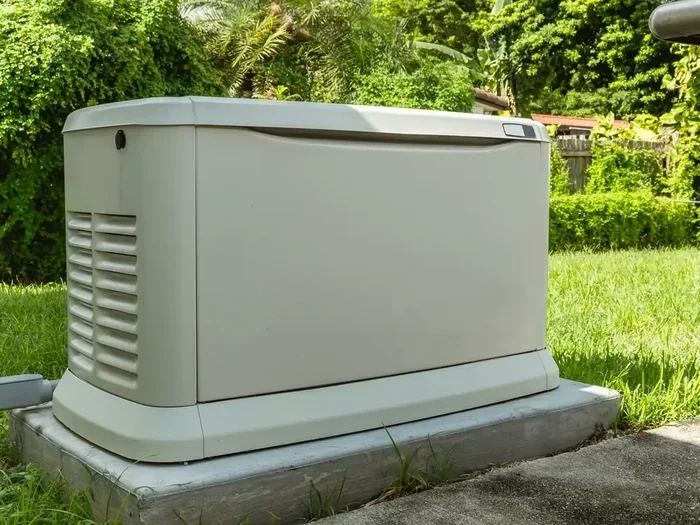
A standby generator is the most powerful option for home use. It sits outside your house and connects directly to your electrical system. When the power goes out, it turns on automatically within seconds. You do not even need to be home.
Standby generators run on natural gas or propane. They come in sizes from 7 kilowatts to 20 kilowatts or more. A 20kW unit can easily power a whole house, including your HVAC system, kitchen appliances, and electronics.
Pros of standby generators:
- Automatic start and stop
- High power output for large homes
- Runs on natural gas or propane
- Long runtime with continuous fuel supply
- Increases home value
Cons of standby generators:
- Higher upfront cost
- Requires professional installation
- Needs regular maintenance
- Takes up outdoor space
The average cost of a Generac generator installed ranges from $3,000 to $8,000 depending on the size and your location. While this is a big investment, it is the most reliable option for full-home backup power.
Portable Generators
A portable generator is the most affordable and flexible option. You can move it anywhere you need power, whether that is your backyard, a camping trip, or a construction site. These units run on gasoline and come in sizes from 1,000 watts to 7,500 watts.
Portable generators work well for basic needs during an outage. You can run a few lights, your refrigerator, and some small appliances. However, they cannot power your entire home at once.
Pros of portable generators:
- Lower purchase price
- Easy to move and store
- No professional installation needed
- Great for camping and outdoor events
- Simple to operate
Cons of portable generators:
- Limited power output
- Requires manual setup during outages
- Noisy compared to standby models
- Shorter runtime on a single tank of gas
- Not suitable for heavy-duty home power
If you just need power for essentials during short outages, a portable unit is a solid choice. They also make great companions for weekend camping trips.
Inverter Generators
An inverter generator is a newer technology that produces clean, stable power. It converts AC power to DC and then back to AC, resulting in a smooth electrical current. This makes it safe for sensitive electronics like laptops, phones, and TVs.
Inverter generators are typically smaller and more fuel-efficient than traditional portable units. They run quieter too, which is a big plus if you live in a neighborhood with noise rules.
Pros of inverter generators:
- Clean power safe for electronics
- Fuel efficient and longer runtime
- Quieter operation
- Compact and lightweight
- Parallel capability for more power
Cons of inverter generators:
- Higher price per watt
- Lower maximum power output
- Not suitable for heavy appliances
- Smaller fuel tanks
If you have sensitive electronics or need quiet operation, an inverter generator is worth the extra cost. They are perfect for RV owners and people who prioritize clean power.
Dual Fuel Generators
A dual fuel generator lets you switch between two fuel types, usually gasoline and propane. This gives you flexibility depending on what is available and what you prefer. Propane burns cleaner and has a longer shelf life than gasoline.
Dual fuel models are becoming more popular because they offer the best of both worlds. You can use gasoline for quick, easy refueling and switch to propane for longer outages or cleaner burning.
Pros of dual fuel generators:
- Fuel flexibility
- Longer runtime options
- Propane burns cleaner
- Good for emergency preparedness
- Can switch fuels on the fly
Cons of dual fuel generators:
- Slightly higher cost than single fuel models
- May need two fuel sources on hand
- Propane connection requires extra setup
How to Choose the Right Generator Size
Choosing the right generator size is one of the most important decisions you will make. Too small and it will not handle your needs. Too big and you waste money on fuel and capacity you do not need.
Calculate Your Power Needs
Start by listing the essential items you want to run during an outage. Add up their wattage. Here are some common household items and their typical power needs:
- Refrigerator: 600-800 watts
- Sump pump: 1,300-2,500 watts
- Window AC unit: 1,000-1,500 watts
- Lights (10 bulbs): 300-500 watts
- Phone chargers: 25-50 watts each
- Microwave: 1,000-1,200 watts
- Television: 100-400 watts
- Furnace blower: 600-800 watts
Add up these numbers to find your total wattage needs. Then add a 20% buffer for startup surges. This gives you the minimum generator size you should look for.
For most homes, a generator between 5,000 and 10,000 watts handles essential circuits well. If you want to run your entire house, look at units above 15,000 watts. You can learn more about sizing by reading our guide on what size generator will run a whole house.
Match the Generator to Your Home Type
The size of your home matters too. A small apartment or condo needs much less power than a large two-story house. Here is a simple breakdown:
- Small homes (under 1,000 sq ft): 3,000-5,000 watts for essentials
- Medium homes (1,000-2,000 sq ft): 5,000-10,000 watts for most needs
- Large homes (over 2,000 sq ft): 10,000-20,000+ watts for full coverage
If you are unsure about your needs, a 12,000-watt standby generator is a popular middle-ground choice. It can handle most homes comfortably without overspending.
Fuel Types and Their Benefits
The fuel your generator uses affects its runtime, cost, and environmental impact. Here is a look at the most common fuel types for home generators.
Natural Gas
Natural gas is the most convenient fuel for standby generators. It connects directly to your home’s gas line, so you never run out of fuel during a long outage. Natural gas also burns cleaner than gasoline, producing fewer emissions.
The downside is that natural gas availability depends on your local utility. If your area does not have natural gas service, you will need to consider other options.
Propane
Propane is a popular choice for homeowners who want energy independence. You can store large tanks on your property, giving you fuel for days or even weeks. Propane also burns cleaner than gasoline and has an indefinite shelf life.
If you are curious about how much fuel a generator actually uses, check out our article on how much propane a 20kW generator uses per hour. It gives you a clear idea of runtime and fuel costs.
Gasoline
Gasoline is the most common fuel for portable generators. It is easy to find at any gas station and affordable. However, gasoline has a short shelf life of about three to six months. This makes it less ideal for long-term emergency preparedness.
Gasoline engines also produce more emissions and tend to be noisier than propane or natural gas models. For short-term use, gasoline works great. For long outages, it can become a hassle.
Diesel
Diesel generators are built for heavy-duty and commercial use. They are very durable and fuel-efficient. However, they are louder, heavier, and more expensive than gasoline or propane models. For most homes, diesel is overkill unless you have very specific high-power needs.
Installation and Setup Considerations
Proper installation is key to getting the most out of your generator. A poorly installed unit can be dangerous and inefficient. Here is what you need to know.
Standby Generator Installation
Standby generators require professional installation. A licensed technician will connect the unit to your home’s gas line and electrical panel. They will also install an automatic transfer switch that detects power outages and starts the generator automatically.
The installation process typically takes one to two days. Costs vary based on your location, the generator size, and any electrical upgrades needed. On average, you can expect to pay between $3,000 and $8,000 for a complete setup.
It is important to place your standby generator at least five feet from your home and any windows or doors. This ensures proper ventilation and prevents carbon monoxide from entering your living space.
Portable Generator Setup
Portable generators are much easier to set up. You simply place them outside, fill the tank, and plug in your appliances using extension cords. However, you should never run a portable generator indoors or in a garage. Carbon monoxide from gasoline engines is deadly.
For a safer setup, consider having an electrician install a dedicated inlet box. This lets you connect your generator directly to your home’s panel without running extension cords through windows and doors.
If you want to learn more about safely running a generator to your house, read our guide on how to run a generator to house for step-by-step instructions.
Maintenance Tips to Keep Your Generator Running
A generator is only useful if it works when you need it most. Regular maintenance keeps your unit in top shape and extends its lifespan. Here are some simple tips.
Regular Maintenance Checklist
- Check the oil level every time you use the generator
- Change the oil every 100 hours of use or at least once a year
- Replace the air filter every 6 months
- Test the battery monthly if your unit has one
- Run the generator for 15 minutes monthly to keep it exercised
- Inspect fuel lines and connections for leaks
- Keep the unit clean and free of debris
- Store fuel in approved containers away from the generator
Seasonal Preparation
Before storm season begins, give your generator a thorough check. Make sure you have enough fuel on hand. Test all connections and confirm the unit starts properly. If you have a standby model, have a professional inspect it annually.
Taking these simple steps means your generator will be ready when you need it most. A well-maintained unit can last 20 to 30 years with proper care.
Common Mistakes to Avoid When Buying a Generator
Many people make mistakes when purchasing a generator. Avoid these common pitfalls to get the best value and performance.
Buying Based on Price Alone
The cheapest generator is not always the best deal. Low-cost models often have poor build quality, short lifespans, and unreliable performance. Look for a balance between price and quality. Read reviews and check warranty terms before you buy.
Ignoring Wattage Requirements
Undersizing your generator is a costly mistake. If you cannot power what you need, the generator is useless. Always calculate your total wattage needs and add a buffer. Overestimating slightly is better than underestimating.
Skipping the Transfer Switch
A transfer switch is essential for standby generators. It safely connects your generator to your home’s electrical system and prevents backfeeding into the grid, which can be dangerous for utility workers. Never skip this component.
Neglecting Fuel Storage
If your generator runs on gasoline, you need proper fuel storage. Gasoline degrades over time and can damage your engine if used past its shelf life. Store fuel in approved containers and use fuel stabilizer for long-term storage.
Final Thoughts on Choosing the Best Generator for Your Home
Finding the right generator for home use comes down to understanding your needs, budget, and living situation. A standby generator is the gold standard for full-home backup power and peace of mind. A portable generator works well for temporary and occasional use. An inverter generator is perfect for clean, quiet power. And a dual fuel model gives you the most flexibility.
Take the time to calculate your power needs and compare your options. Consider your local fuel availability, your home size, and how long outages typically last in your area. The right generator will keep your home running smoothly no matter what comes your way.
Investing in a quality generator is investing in your family’s comfort and safety. Start planning today so you are ready for whatever 2024 throws at you.
Frequently Asked Questions
What type of generator is best for a small home?
A portable or inverter generator between 3,000 and 5,000 watts is ideal for small homes. These units are affordable, easy to store, and can power your essentials during an outage. Look for models with at least 20 hours of runtime on a single tank of fuel.
How much does it cost to install a standby generator?
Standby generator installation costs typically range from $3,000 to $8,000. The price depends on the generator size, your home’s electrical system, and local labor rates. Some homeowners also need electrical panel upgrades, which can add to the total cost.
Can a portable generator power a whole house?
Most portable generators cannot power an entire house at once. They work best for running essential circuits like your refrigerator, lights, and a few outlets. If you need whole-home power, a standby generator is the better choice.
How long can a generator run continuously?
Runtime depends on the fuel tank size and load. Most portable generators run 8 to 12 hours on a full tank. Standby generators with a natural gas connection can run indefinitely as long as fuel is supplied. Propane-powered models can run for several days on large tanks.
Is a dual fuel generator worth the extra cost?
Yes, a dual fuel generator offers great flexibility. You can use gasoline for convenience and switch to propane for longer outages or cleaner burning. The ability to use two fuel types makes these models excellent for emergency preparedness.
What maintenance does a home generator need?
Regular maintenance includes oil changes every 100 hours, air filter replacement every six months, and monthly test runs. Standby generators also need annual professional inspections. Keeping up with maintenance ensures your generator starts reliably when you need it most.