What Tools Does a Carpenter Need for Every Project
Every carpenter needs a solid core set of tools to tackle any job with confidence. From measuring and cutting to fastening and finishing, the right carpentry tools make all the difference between a sloppy job and a professional result. This guide breaks down every essential tool you need, organized by project phase, so you can build your workshop smartly and efficiently.
Key Takeaways
- Hand tools are the backbone: You cannot build quality carpentry work without a solid set of hand tools like chisels, squares, and marking gauges.
- Power tools save time and effort: Circular saws, drills, and routers handle heavy-duty tasks that hand tools simply cannot match in speed.
- Measuring tools prevent costly mistakes: A tape measure, combination square, and level keep your cuts precise and your assembly tight.
- Safety gear is non-negotiable: Eye protection, hearing protection, and dust masks should always be part of your carpenter toolkit.
- Organizing your tools matters: A good tool belt and workbench setup keeps your workflow smooth and your tools within reach.
- Start with essentials and expand: You do not need every tool on day one. Build your collection as your skills and projects grow.
📑 Table of Contents
- What Tools Does a Carpenter Need to Get Started
- Essential Hand Tools Every Carpenter Must Own
- Power Tools That Make Carpentry Faster
- Measuring and Layout Tools for Precision
- Safety Gear: Non-Negotiable for Every Carpenter
- Organizing Your Carpenter Tool Collection
- Carpenter Tools for Different Project Types
- Quick Tips for Building Your Carpenter Toolkit
- Common Mistakes Beginners Make With Carpentry Tools
- Expert Insights on Choosing Carpenter Tools
- Conclusion
What Tools Does a Carpenter Need to Get Started
Whether you are building a deck, framing a wall, or crafting custom cabinetry, having the right carpentry tools makes all the difference. A beginner carpenter might feel overwhelmed by the sheer number of tools available on the market. But here is the truth: you do not need every fancy gadget out there. You need a focused set of reliable tools that cover the basics and let you grow as your skills develop.
This guide walks you through every tool a carpenter needs for every type of project. We cover hand tools, power tools, measuring instruments, safety gear, and organizational essentials. By the end, you will have a clear shopping list and a solid understanding of why each tool matters. Let us dive in.
Essential Hand Tools Every Carpenter Must Own
Hand tools form the foundation of any carpentry shop. They give you control and precision that power tools sometimes cannot match. Every carpenter should start with these essentials before moving on to bigger equipment.
Chisels and Woodworking Chisels
A good set of chisels is indispensable. You use them for cleaning out joints, carving details, and removing waste wood. Start with a 1/4-inch, 1/2-inch, and 3/4-inch chisel. Look for high-carbon steel blades that hold a sharp edge. A sharp chisel makes clean cuts and reduces the risk of tear-out on your workpieces.
Marking and Measuring Tools
Precise measurement is the heart of good carpentry. Here are the tools you need:
- Tape measure: A 25-foot tape measure is the workhorse of any carpenter’s kit.
- Combination square: This tool checks 90-degree and 45-degree angles and measures short distances.
- Carpenter square: Also called a framing square, this large L-shaped tool is essential for layout work.
- Marking gauge: It scratches precise lines for joinery and dado cuts.
- Pencils: A sharp carpenter pencil makes clear, visible marks on wood surfaces.
Hand Saws and Cutting Tools
Even in a world of power saws, a hand saw still has its place. A crosscut saw handles cuts across the grain, while a rip saw cuts along the grain. A dovetail saw is perfect for fine joinery work. Hand saws give you quiet, dust-free cuts and require no power source.
Clamps and Holding Tools
Clamps hold pieces together while glue dries or while you make precise cuts. You need several bar clamps and quick-grip clamps in various sizes. A good clamp set is one of the most used carpenter equipment items in any shop. Do not skimp on this.
Power Tools That Make Carpentry Faster
Power tools take the sweat out of carpentry. They let you focus on the craft rather than the physical effort. Here are the power tools every carpenter needs in their arsenal.
Circular Saw
A circular saw is arguably the most important power tool for a carpenter. It handles straight cuts in plywood, lumber, and sheet goods quickly and accurately. Look for a saw with a 7-1/4-inch blade and adjustable depth and bevel settings. A circular saw paired with a straightedge guide delivers professional-quality cuts every time.
Drill and Driver
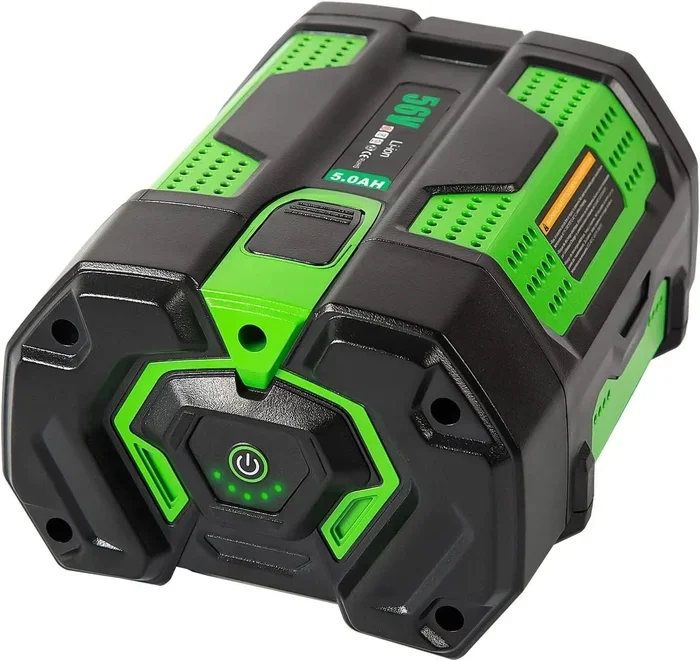
A cordless drill and driver is another must-have. You use it for drilling holes, driving screws, and even mixing finishes. Choose a model with at least 18 volts for sufficient power. A brushless motor lasts longer and runs cooler. Keep spare batteries on hand so you never lose momentum on a job.
Router
A router shapes edges, cuts grooves, and creates decorative profiles on wood. It opens up a world of woodworking tools techniques that hand tools simply cannot achieve. A plunge router gives you more versatility for interior cuts, while a fixed-base router excels at edge profiling.
Air Compressor and Pneumatic Tools
Many carpenters rely on pneumatic tools powered by an air compressor. These tools are lighter, faster, and more powerful than their electric counterparts. If you are wondering do I need an air compressor, the answer depends on your project type. For framing, decking, and finish work, a compressor with a nail gun is almost essential.
Using a portable air compressor gives you the flexibility to move around a job site without being tied to an outlet. These compressors are compact and lightweight, making them ideal for carpenters who work on location. Learning how does a portable air compressor work is simple: it draws in air, compresses it, and stores it in a tank to power your pneumatic tools on demand.
How to Use a Nail Gun Effectively
A nail gun is one of the most time-saving tools in a carpenter’s kit. Whether you are framing walls, attaching trim, or building furniture, a nail gun drives nails fast and consistently. But knowing how to use a nail gun with compressor properly is critical for safety and quality. Always wear safety glasses, keep your finger off the trigger until you are ready to fire, and check the air pressure settings before each use. A well-maintained nail gun makes every carpentry project smoother and more efficient.
Orbital Sander
Sanding is a tedious task that no carpenter enjoys. An orbital sander takes the pain out of this process. It uses a random orbital motion to sand surfaces smoothly without leaving swirl marks. Start with 80-grit sandpaper for rough work and finish with 220-grit for a silky-smooth surface. A good sander is essential for any finish carpentry tools collection.
Measuring and Layout Tools for Precision
Carpentry is all about precision. A small measurement error can lead to big problems down the road. These tools ensure your cuts are accurate and your assemblies are tight.
Levels and Laser Measures
A spirit level checks whether surfaces are horizontal or vertical. You need at least a 24-inch level for most carpentry tasks. A laser level takes accuracy even further by projecting a straight line across long distances. These are especially useful for hanging cabinets and aligning framing members.
Folding Rulers and Straightedges
A folding ruler is compact and easy to carry in your tool belt. It is perfect for measuring in tight spaces where a tape measure cannot reach. A straightedge helps you check for flatness and draw long, straight cut lines on large panels.
Digital Calipers
For detailed work like cabinetry and furniture making, digital calipers measure thickness, width, and depth with precision down to thousandths of an inch. They are a small investment that pays off in quality work.
Safety Gear: Non-Negotiable for Every Carpenter
Working with wood and power tools comes with risks. Protecting yourself should always come before any project. Here is the safety gear every carpenter needs.
- Safety glasses: Protect your eyes from flying debris, sawdust, and wood chips. Wear them at all times in the shop.
- Hearing protection: Power tools generate loud noise that can damage your hearing over time. Ear muffs or foam ear plugs are both effective options.
- Dust mask or respirator: Sawdust is harmful when inhaled. A proper respirator filters out fine particles that a simple dust mask misses.
- Work gloves: Wear gloves when handling rough lumber or sharp materials, but remove them when operating power tools to maintain grip and control.
- Steel-toe boots: Heavy materials and dropped tools can injure your feet. Steel-toe boots provide essential protection on any job site.
Never skip safety gear, even for quick tasks. Most accidents happen when you let your guard down for a moment of convenience.
Organizing Your Carpenter Tool Collection
Having great tools means nothing if you cannot find them when you need them. Organization is a skill every carpenter must develop.
Tool Belts and Tool Bags
A quality tool belt keeps your most-used tools within arm’s reach. Look for one with multiple pockets and a comfortable waist support. For mobile carpenters, a sturdy tool bag with compartments works just as well. These keep your tools organized and portable between job sites.
Workbench Setup
A solid workbench is the centerpiece of any carpentry shop. It provides a stable surface for cutting, assembly, and finishing. Your workbench should be at a comfortable working height, typically around 34 inches. Add a vise, bench dogs, and a tool tray to maximize functionality.
Storage Solutions
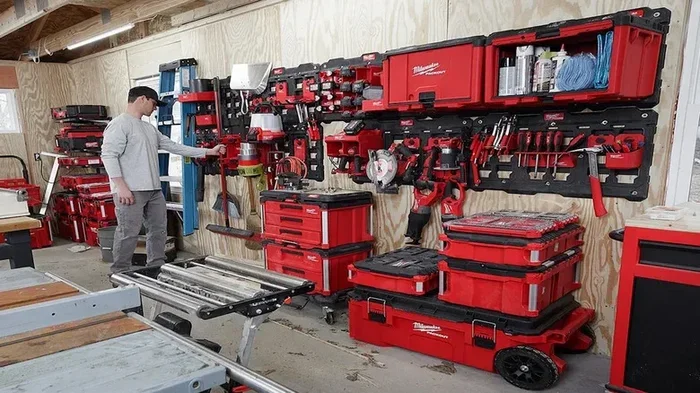
Wall-mounted tool racks, magnetic strips, and cabinet drawers all serve a purpose. Store your most frequently used tools in easy-to-access locations. Less-used tools can go in deeper shelves or cabinets. A clean, organized shop is a productive shop.
Carpenter Tools for Different Project Types
Not every project requires the same set of tools. Here is how your toolkit might shift depending on the type of work you are doing.
Framing and Rough Carpentry
Framing requires heavy-duty tools. You need a framing nailer, a circular saw, a speed square, and a chalk line. An air compressor that can deliver high volume is essential to keep your nailer running without pauses. For job sites that lack power access, consider whether can you run a generator with a cover on it to keep your tools powered safely in outdoor conditions.
Finish Carpentry
Finish work demands precision and finesse. You need a miter saw, a brad nailer, a coping saw, and fine chisels. A 6 gallon air compressor is often sufficient for powering finish nailers and other light pneumatic tools. Knowing how long does a 6 gallon air compressor last helps you plan your workflow, since smaller tanks may need more frequent refill breaks during extended use.
Furniture Making
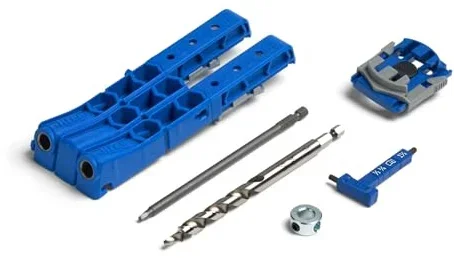
Building furniture requires a broader range of carpentry hand tools and specialized equipment. A table saw, a jointer, a planer, and a doweling jig all become important. Clamps are used generously, and a good set of carving tools adds decorative details that elevate your work.
Quick Tips for Building Your Carpenter Toolkit
Building a complete tool collection takes time and budget. Here are some practical tips to guide your purchases.
- Start with the essentials: Buy your tape measure, combination square, circular saw, drill, and a basic chisel set first. These handle about 80% of carpentry tasks.
- Invest in quality over quantity: One well-made tool outperforms five cheap ones. Look for brands known for durability and warranty support.
- Buy corded first, then go cordless: Corded power tools are often more powerful and affordable. Add cordless versions as your budget allows.
- Maintain your tools: Clean, sharpen, and lubricate your tools regularly. A well-maintained tool lasts decades and performs better.
- Add tools as projects demand: Do not buy every tool upfront. Let each new project guide your next purchase so you always have exactly what you need.
Common Mistakes Beginners Make With Carpentry Tools
Avoid these common pitfalls that trip up new carpenters and cost them time and money.
- Buying cheap tools: Bargain tools break quickly and perform poorly. The money you save upfront costs you more in replacements and frustration.
- Skipping safety gear: No project is worth an injury. Always wear your protective equipment, even for quick tasks.
- Ignoring tool maintenance: Dull blades and dirty tools make work harder and less safe. Clean and sharpen your tools after every use.
- Not measuring twice: The old saying exists for a reason. Rushing through measurement leads to wasted material and rework.
- Overlooking storage: Tools left scattered get damaged and lost. A proper storage system protects your investment and saves time.
Expert Insights on Choosing Carpenter Tools
Experienced carpenters agree that the best toolkit is one that grows with you. Start with the fundamentals and build outward. Professional carpenters recommend focusing on three categories: cutting tools, fastening tools, and measuring tools. Master these three areas and you can handle the vast majority of carpentry projects with confidence.
Many seasoned professionals also emphasize the importance of understanding your carpenter equipment at a deeper level. Knowing not just how to use a tool, but why it works the way it does, makes you a better craftsman. For instance, understanding the mechanics behind pneumatic systems helps you troubleshoot issues faster and maintain your tools more effectively.
When it comes to choosing between corded and cordless power tools, the industry is shifting toward lithium-ion battery technology. Modern cordless tools now rival their corded counterparts in power and runtime. However, for high-demand tasks like framing and decking, corded tools still hold an edge in sustained performance.
One thing every expert agrees on: quality beats quantity every time. A handful of well-chosen, well-maintained tools will serve you better than a garage full of mediocre equipment. Take care of what you have, and your tools will take care of your projects for years to come.
Conclusion
Knowing what tools does a carpenter need is the first step toward becoming a skilled craftsperson. From basic hand tools like chisels and marking gauges to powerful tools like circular saws and air compressors, each tool serves a specific purpose in your workflow. The key is to start with the essentials, prioritize quality, and build your collection as your skills grow.
Safety gear deserves a permanent spot in your toolkit. No project is so urgent that it justifies skipping protection. And remember, organization is just as important as the tools themselves. A clean, well-arranged shop makes every task faster and more enjoyable.
Whether you are tackling your first DIY project or building a career in carpentry, the right set of tools gives you the confidence to do great work. Start with the essentials covered in this guide, take care of your equipment, and let your craftsmanship speak for itself.
Frequently Asked Questions
What are the most important tools for a beginner carpenter?
A tape measure, combination square, circular saw, cordless drill, and a basic chisel set cover the vast majority of beginner carpentry tasks. These five tools give you a strong foundation to start building confidence and skill before expanding into more specialized equipment.
How much should I spend on my first set of carpentry tools?
A solid starter set of essential carpentry hand tools can cost between $200 and $500 depending on brand and quality. Focus on quality over quantity, and remember that well-maintained tools last decades, making the investment worthwhile over time.
Do I really need an air compressor for carpentry work?
An air compressor becomes essential if you plan to use pneumatic nail guns or staplers regularly. It is not strictly necessary for hand-tool-only projects, but for framing, decking, or any project involving fastening, a compressor dramatically speeds up your workflow and improves consistency.
What is the difference between finish carpentry tools and framing tools?
Framing tools focus on speed and structural strength, like framing nailers and circular saws. Finish carpentry tools emphasize precision and aesthetics, such as brad nailers, coping saws, and fine chisels. A carpenter working both disciplines needs both categories in their toolkit.
How do I maintain my carpentry tools for long-term use?
Clean your tools after every use, sharpen cutting edges regularly, lubricate moving parts, and store tools in a dry environment. Following a simple maintenance routine after each project prevents rust, keeps blades sharp, and extends the life of your entire tool collection significantly.
Can I use power tools for small, detailed carpentry projects?
Yes, but hand tools often give you more control for detailed work. A combination approach works best: use power tools for rough cuts and heavy material removal, then switch to hand tools for fine shaping, joinery, and finishing touches that require precision and finesse.