What Tools Do Dentists Use to Extract Teeth Explained
Dentists rely on a precise set of what tools do dentists use to extract teeth, including dental forceps, elevators, suction devices, and mirrors. Each instrument plays a specific role in ensuring the tooth removal process is safe, effective, and as comfortable as possible for the patient.
If you have ever wondered what actually happens when a dentist pulls a tooth, the answer lies in the tools they use. What tools do dentists use to extract teeth is a question many patients ask before sitting in the dental chair. Knowing about these instruments can ease your nerves and help you feel more confident about the procedure. Dentists use a carefully selected set of tools, each designed for a specific job. From gripping the tooth to clearing the area, every instrument matters.
The tooth extraction process has been refined over centuries, and modern dental extraction tools are marvels of precision engineering. Whether you need a simple removal or a more complex surgical extraction, your dentist will reach for specific instruments tailored to the job. In this guide, we will walk you through every major tool involved in a dental extraction. You will learn how each tool works, why dentists choose it, and what role it plays in making the procedure as smooth as possible.
Key Takeaways
- Dental forceps are the primary gripping tools used to loosen and remove teeth from their sockets.
- Extraction elevators help lift teeth out of the bone by breaking the periodontal ligament.
- Dental suction devices keep the extraction site clear of saliva and debris during the procedure.
- Dental mirrors and retractors give dentists a clear view of the tooth and surrounding tissue.
- Dental handpieces and drills are used in surgical extractions to remove bone or section teeth.
- A dental air compressor powers many of these pneumatic tools in modern dental offices.
- Understanding these tools helps reduce anxiety and prepares patients for what to expect during an extraction.
📑 Table of Contents
- Core Extraction Instruments: The Tools That Do the Heavy Lifting
- Supporting Tools That Make Extractions Safer
- The Dental Extraction Process Step by Step
- Simple Extractions vs. Surgical Extractions
- The Role of Dental Air Compressors in Extraction Work
- Common Mistakes Dentists Avoid During Extractions
- Expert Insights on Modern Extraction Tools
- Key Takeaways
Core Extraction Instruments: The Tools That Do the Heavy Lifting
The main tools dentists use during an extraction fall into two categories: gripping tools and lifting tools. Both are essential for removing a tooth safely without causing unnecessary damage to the surrounding bone or tissue.
Dental Forceps: The Primary Grip Tool
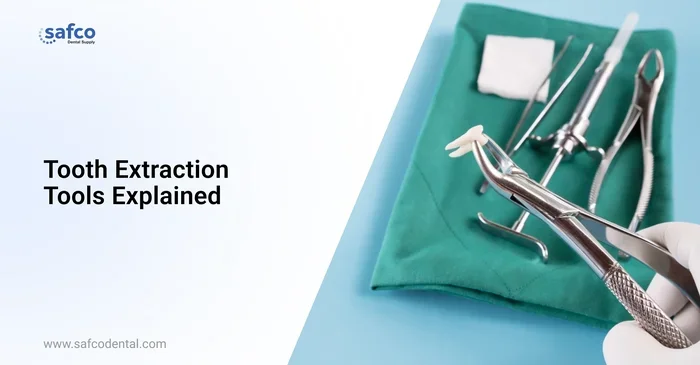
Dental forceps are the most recognizable tool in any extraction. These handheld instruments look like large pliers, but they are specially designed for teeth. Each type of forceps is shaped to fit a specific tooth or group of teeth. For example, upper molars require a different forceps shape than lower incisors.
Dentists choose the right forceps based on the tooth’s shape, size, and position. The forceps grip the crown of the tooth firmly, allowing the dentist to apply controlled pressure. This pressure slowly widens the socket and loosens the tooth from the periodontal ligament, which is the connective tissue that holds the tooth in place.
Here are some common types of dental forceps:
- Universal forceps — used for many standard extractions
- Upper molar forceps — designed specifically for upper back teeth
- Lower molar forceps — built for the lower jaw’s larger molars
- Front tooth forceps — smaller and more delicate for incisors
- Cowhorn forceps — used for molars with curved roots
Using forceps correctly requires years of training. Dentists apply steady, gradual pressure rather than jerking motions. This approach minimizes trauma to the surrounding bone and gum tissue.
Extraction Elevators: The Gentle Lifters
Extraction elevators are slender, hook-shaped instruments that fit between the tooth and the bone. The dentist inserts the tip of the elevator into the gap and then twists or levers it. This action breaks the periodontal ligament and slightly expands the socket wall.
Elevators are often used before forceps. They help loosen the tooth so that forceps can grip it more easily. Think of an elevator as the tool that prepares the tooth for removal, while forceps do the actual pulling.
There are several types of elevators:
- Straight elevators — used for initial loosening
- Cryer elevators — great for reaching curved or broken roots
- Winter elevators — designed for impacted teeth
Elevators are also useful for retrieving root fragments if a tooth breaks during extraction. Dentists use the sharp tip to hook around a remaining root piece and lift it out carefully.
Supporting Tools That Make Extractions Safer
Extraction does not rely on forceps and elevators alone. Dentists use a range of supporting dental tools to keep the procedure safe, clean, and well-lit.
Dental Mirrors and Retractors
A dental mirror is a small, round mirror attached to a long handle. Dentists use it to see angles inside the mouth that are otherwise hidden. The mirror reflects light and gives the dentist a clear view of the tooth, roots, and surrounding bone.
Dental retractors serve a different but equally important purpose. These small tools hold the cheek, tongue, or gum tissue out of the way. By keeping the extraction site open and visible, retractors prevent soft tissue from getting in the way of the instruments.
Together, mirrors and retractors give the dentist full control over the procedure. They reduce the risk of accidentally nicking or tearing tissue during the extraction.
Dental Suction Devices
During an extraction, the mouth produces a lot of saliva. Blood also flows to the area, which can make visibility difficult. Dental suction devices, also called saliva ejectors or high-speed suction, solve this problem.
The suction tip is placed near the extraction site to continuously remove saliva, blood, and small debris. This keeps the area clean and dry so the dentist can work precisely. Without suction, a procedure that normally takes a few minutes could become much longer and messier.
Modern dental suction devices are powerful yet gentle. They do not irritate the soft tissues or cause unnecessary discomfort. Most patients barely notice the suction during the procedure.
Dental Handpieces and Drills
In more complex extractions, dentists need to remove a small amount of bone or section the tooth into pieces. This is where dental handpieces and rotary drills come in. These electric or air-driven tools spin at high speeds and allow the dentist to make precise cuts.
For surgical extractions, such as removing impacted wisdom teeth, handpieces are essential. The dentist may drill a small window in the bone or cut the tooth into sections to make removal easier and less traumatic.
Handpieces are often connected to a dental air compressor that provides the power needed for smooth operation. If you are curious about what powers these tools, you might ask yourself, do I need an air compressor? In a dental setting, the answer is absolutely yes.
The Dental Extraction Process Step by Step
Understanding the dental extraction process helps patients feel more prepared. Here is how a typical extraction unfolds, and the tools involved at each stage.
Step 1: Numbing the Area
Before any tool touches the tooth, the dentist administers a local anesthetic. This is usually done with a small needle and a syringe. The anesthetic numbs the tooth, gum, and surrounding bone so the patient feels no pain during the extraction.
Some dentists also use a topical gel on the gums before injecting the anesthetic. This gel numbs the surface and makes the injection itself more comfortable.
Step 2: Loosening the Tooth
Once the area is numb, the dentist uses an extraction elevator to loosen the tooth. The elevator is inserted into the gap between the tooth and the bone. The dentist gently rocks and twists the elevator to break the ligament fibers holding the tooth in place.
This step is critical. A well-loosened tooth comes out more easily and with less force, which means less discomfort for the patient and faster healing afterward.
Step 3: Removing the Tooth
With the tooth loosened, the dentist switches to dental forceps. The forceps grip the crown of the tooth, and the dentist applies steady, controlled pressure. Gentle rocking motions widen the socket further until the tooth slides out.
Patients often hear a slight cracking or popping sound. This is completely normal and simply means the tooth has separated from the socket.
Step 4: Cleaning and Closing
After the tooth is removed, the dentist examines the socket to make sure no root fragments or debris remain. The area is cleaned, and the dentist may place gauze over the socket to control bleeding. Stitches are sometimes needed, especially for surgical extractions.
Throughout this process, the dental suction device keeps the area clear, and the dental mirror gives the dentist a full view of what is happening.
Simple Extractions vs. Surgical Extractions
Not all extractions are the same. The complexity of the procedure determines which tools and techniques the dentist will use. Understanding the difference helps set realistic expectations.
| Feature | Simple Extraction | Surgical Extraction |
|---|---|---|
| When it is used | Visible tooth, fully erupted | Impacted tooth, broken below gum line |
| Anesthesia | Local anesthetic only | Local anesthetic, sometimes sedation |
| Primary tools | Elevator and forceps | Handpiece, drill, elevators, forceps |
| Incisions needed | No | Sometimes, to access the tooth |
| Healing time | 1 to 2 weeks | 2 to 4 weeks |
| Common examples | Front teeth, visible molars | Wisdom teeth, broken teeth |
In a simple extraction, the tooth is visible above the gum line and intact. The dentist uses only an elevator and forceps. The procedure is quick and usually requires minimal recovery time.
In a surgical extraction, the tooth may be trapped beneath the gum or bone. The dentist needs additional tools, including a dental drill and handpiece, to access and remove the tooth. Surgical extractions are more involved, but they follow the same careful principles of minimizing tissue damage and ensuring complete removal.
The Role of Dental Air Compressors in Extraction Work
Many modern dental tools run on compressed air. From high-speed handpieces to air syringes that blow water onto the tooth, compressed air is the hidden engine behind a smooth extraction. A reliable dental air compressor ensures all pneumatic tools operate at the right pressure and speed.
If you are wondering about the tools that power dental equipment, you might be curious about compressors in general. Many people ask, what can I use an air compressor for at home? The answer includes a wide range of tasks from inflating tires to powering nail guns. In dentistry, the compressor is an indispensable part of the toolkit.
Some dental offices use a Porter Cable air compressor or similar models because they provide consistent, quiet, and powerful airflow. Proper maintenance of the compressor ensures that dental handpieces and other pneumatic tools always perform at their best.
When a dentist is setting up their practice or upgrading their equipment, they need to choose the right compressor. The question do I need an air compressor comes up often, and for any dental office performing extractions and other procedures, the answer is a firm yes.
Common Mistakes Dentists Avoid During Extractions
Even experienced dentists follow strict protocols to avoid mistakes during extractions. Here are some common pitfalls and how professionals prevent them:
- Using the wrong forceps — Choosing the wrong shape can slip and damage surrounding teeth or gum tissue. Dentists always match the forceps to the specific tooth being extracted.
- Applying too much force — Jerking or pulling too hard can fracture the jaw or leave root fragments behind. Gentle, steady pressure is the standard approach.
- Skipping the elevator step — Some dentists rush to forceps without properly loosening the tooth first. This increases the risk of breakage and complications.
- Inadequate suction — Poor visibility from insufficient suction can lead to accidental damage to soft tissues or incomplete removal of root tips.
- Not checking the socket — After extraction, the dentist must inspect the socket for any remaining fragments or sharp bone edges that could cause problems during healing.
By avoiding these mistakes, dentists ensure that every extraction is as safe and efficient as possible. Patients benefit from faster healing, less pain, and fewer complications.
Expert Insights on Modern Extraction Tools
Modern dentistry has evolved significantly in the tools and techniques used for extractions. Dentists today have access to precision instruments that make procedures faster and more comfortable than ever before. The development of dental handpieces with variable speeds and torque control has been a game-changer for surgical extractions.
Another advancement is the use of ultrasonic elevators, which use vibration to break the periodontal ligament more gently than traditional hand elevators. These tools reduce the physical effort required and can make the procedure more comfortable for the patient.
Digital imaging and 3D scanning have also transformed pre-extraction planning. Dentists can see the exact position of roots, nerves, and bone structure before they even pick up an instrument. This level of preparation leads to better outcomes and fewer surprises during the procedure.
Looking ahead, the integration of robotics and AI in dental extraction tools is being explored. While these technologies are still in early stages, they point toward an even more precise and patient-friendly future for dental extractions.
Key Takeaways
- Dental forceps are the primary gripping tools used to loosen and remove teeth from their sockets.
- Extraction elevators help lift teeth out of the bone by breaking the periodontal ligament.
- Dental suction devices keep the extraction site clear of saliva and debris during the procedure.
- Dental mirrors and retractors give dentists a clear view of the tooth and surrounding tissue.
- Dental handpieces and drills are used in surgical extractions to remove bone or section teeth.
- A dental air compressor powers many of these pneumatic tools in modern dental offices.
- Understanding these tools helps reduce anxiety and prepares patients for what to expect during an extraction.
Frequently Asked Questions
What are the main tools used for tooth extraction?
The main tools are dental forceps for gripping and pulling the tooth, and extraction elevators for loosening it from the socket. Dentists also use mirrors, retractors, and suction devices to keep the area visible and clean throughout the procedure.
Does a tooth extraction hurt?
No, the extraction itself should not hurt. Dentists use local anesthetic to numb the area completely before starting. You may feel pressure or movement, but you should not feel pain. After the anesthetic wears off, some discomfort is normal and can be managed with over-the-counter pain relievers.
How long does a dental extraction take?
A simple extraction typically takes 5 to 15 minutes, while a surgical extraction may take 20 to 45 minutes or longer. The time depends on the tooth’s position, root structure, and whether the tooth is impacted or broken.
What is the difference between simple and surgical extraction?
A simple extraction involves a tooth that is visible above the gum line and can be removed with forceps and an elevator. A surgical extraction requires cutting into the gum or removing bone, often because the tooth is impacted, broken, or has not fully erupted.
Why do dentists use suction during an extraction?
Dental suction devices remove saliva, blood, and debris from the extraction site. This keeps the area clean and dry so the dentist can see clearly and work precisely. Good suction also helps the patient breathe more comfortably during the procedure.
How long does recovery take after a tooth extraction?
Most patients heal within 1 to 2 weeks for a simple extraction, while surgical extractions may take 2 to 4 weeks. Following your dentist’s aftercare instructions, such as avoiding straws and eating soft foods, can significantly speed up the healing process.
=== CONCLUSION ===
What tools do dentists use to extract teeth is a question that reveals how much precision and expertise goes into every extraction. From dental forceps and elevators to suction devices, mirrors, and high-speed handpieces, each tool serves a clear purpose. Together, they form a complete system that makes tooth removal safe, efficient, and as comfortable as possible.
Understanding these tools can transform your experience in the dental chair. When you know what to expect, anxiety fades and trust grows. Whether you are facing a simple extraction or a more complex surgical procedure, your dentist has the right instruments and the training to use them skillfully.
Next time you visit the dentist for an extraction, you will know exactly what each tool does and why it matters. This knowledge empowers you to ask informed questions and feel more confident about your dental care. And if you ever wonder about the compressed air systems that power so many dental tools, remember that a reliable compressor is the unsung hero behind every smooth procedure.