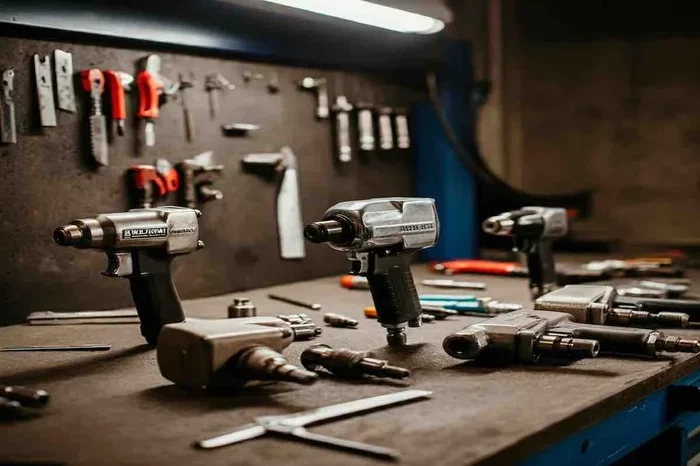
What Are Air Tools Why They Are A Game Changer For You
Air tools, also known as pneumatic tools, use compressed air to deliver powerful performance for tasks ranging from auto repair to home DIY projects. They are lighter, faster, and more durable than traditional electric tools, making them a favorite among pros and hobbyists alike. This guide covers everything you need to know about air tools, from how they work to which ones you should buy.
Have you ever walked into a mechanic’s shop and heard that unmistakable roar of a pneumatic impact wrench? Or maybe you have seen a painter glide along a wall with a spray gun that seems to cover square feet in seconds. These are air tools, and they are changing the way people work.
If you have been relying solely on traditional electric or manual tools, you are missing out on a world of speed, power, and convenience. Air tools use compressed air to generate force, and the results speak for themselves. Whether you are a weekend warrior tackling home projects or a professional who needs reliable performance every single day, understanding air tools can seriously level up your game.
In this guide, we will break down exactly what air tools are, how they work, the different types available, and why they might just be the best investment you make for your workshop. Let us dive in.
Key Takeaways
- Air tools run on compressed air: They connect to an air compressor and use pneumatic power to deliver consistent, high-torque performance.
- They are lighter and more durable: Compared to electric tools, pneumatic tools weigh less and last longer under heavy use.
- Air tools are incredibly versatile: From impact wrenches to nail guns, there is an air tool for nearly every task.
- They save time and effort: The higher power-to-weight ratio means you finish jobs faster with less fatigue.
- Setup is simple: All you need is an air compressor, a hose, and the right fittings to get started.
- They are cost-effective long-term: Pneumatic tools have fewer moving parts, which means lower maintenance costs over time.
- Safety is a plus: Air tools do not produce sparks, making them safer in environments with flammable materials.
📑 Table of Contents
What Are Air Tools and How Do They Work?
Air tools are power tools that run on compressed air, also called pneumatic power. Instead of using electricity or batteries, they connect to an air compressor that pressurizes air and sends it through a hose to the tool. When that pressurized air hits the tool’s motor or engine, it creates movement, torque, or force.
The basic idea is simple. Air gets compressed, stored in a tank, and then released through a tool when you pull the trigger or activate the mechanism. This process generates a surprising amount of power from a relatively small and lightweight device.
The Science Behind Pneumatic Power
Here is a quick look at how the system works step by step:
- The air compressor pulls in surrounding air and compresses it into a storage tank.
- The compressed air builds up pressure, measured in PSI (pounds per square inch).
- When you connect a pneumatic tool and turn it on, the pressurized air flows through the air hose and fittings.
- The air enters the tool’s motor or cylinder, creating rotational or linear motion.
- The tool performs work, whether it is driving a nail, tightening a bolt, or spraying paint.
One of the biggest advantages of this system is that the tool itself does not carry a heavy motor. Most of the heavy lifting happens at the compressor, which means the actual tool is lightweight and easy to handle. This is a huge reason why air tools are so popular in industries where workers use tools for hours on end.
Types of Air Tools You Should Know
The world of air tools is vast. There is a pneumatic tool designed for nearly every task you can imagine. Let us walk through the most common categories and what they do best.
Impact Wrenches and Ratchets
Impact wrenches are the heavy lifters of the air tool world. They deliver incredibly high torque with minimal effort from the user. Mechanics use them daily to loosen and tighten lug nuts, engine bolts, and other stubborn fasteners. An air ratchet works similarly but is smaller and more precise, perfect for tight spaces where a full-size impact wrench will not fit.
These tools are a game changer because they do the work for you. Instead of struggling with a manual ratchet or risking stripping a bolt with an electric driver, an air impact wrench gets the job done quickly and cleanly.
Nail Guns and Staplers
If you have ever built furniture, framed a wall, or installed trim, you know how exhausting hand-nailing can be. Pneumatic nail guns solve that problem entirely. They drive nails into wood, drywall, and other materials with a simple squeeze of the trigger.
There are different types for different jobs:
- Framing nailers for heavy construction work.
- Brad nailers for delicate trim and molding.
- Finish nailers for precise, clean-looking results.
- Staple guns for upholstery and roofing tasks.
Each type uses air pressure to drive nails at speeds that hand tools simply cannot match.
Spray Guns and Painting Tools
For anyone who paints regularly, air spray guns are an absolute must. They atomize paint and deliver it in a smooth, even coat, which saves time and eliminates brush marks. Whether you are painting a car, refinishing furniture, or touching up a wall, a pneumatic spray gun gives you professional results.
These tools also work with primers, stains, and clear coats, making them incredibly versatile for both hobbyists and professionals.
Drills, Grinders, and Sanders
Pneumatic drills are excellent for drilling into hard materials like concrete and metal. Air grinders smooth and shape metal with ease, while pneumatic sanders create flawless surfaces for painting or finishing. These tools are staples in auto body shops, fabrication shops, and woodworking studios.
The lightweight design of these tools means less hand fatigue and more precision during long work sessions.
Inflators and Blow Guns
Do you need to inflate tires, basketballs, or air mattresses? A pneumatic inflator gets the job done fast. Blow guns are another handy air tool that uses compressed air to blow away debris, dust, and chips from work surfaces. They are simple but incredibly useful in any workshop.
Benefits of Using Air Tools
So why are so many people making the switch to air tools? The benefits go well beyond just raw power. Let us look at the biggest advantages.
Lightweight and Easy to Handle
Because the motor and power source sit in the compressor and not in the tool itself, pneumatic tools are significantly lighter than their electric counterparts. This matters a lot when you are working overhead, in tight spaces, or for extended periods. Less weight means less fatigue and more control.
Superior Power-to-Weight Ratio
Air tools deliver more torque and force per pound of tool weight than almost any electric alternative. A small pneumatic impact wrench can outperform a much larger electric one. This makes them ideal for heavy-duty tasks where size and weight would otherwise be a limitation.
Durability and Longevity
Pneumatic tools have fewer moving parts than electric tools. There are no brushes, commutators, or complex electronic components that can wear out. This means air tools tend to last longer and require less maintenance. A well-maintained pneumatic wrench can serve you for decades.
Cost-Effective Over Time
While the initial setup cost of an air compressor and hose system can be higher, the long-term savings are significant. Pneumatic tools are generally less expensive than comparable electric or battery-powered tools, and they cost even less to maintain. You also save on electricity since the compressor does the work, not the tool.
Safety Advantages
Air tools do not produce sparks, which makes them safer to use around flammable materials and volatile environments. They also generate less heat during operation compared to electric tools, reducing the risk of burns or fire hazards. For workshops where safety is a top priority, pneumatic tools are a smart choice.
How to Choose the Right Air Tools for Your Needs
Not all air tools are created equal, and picking the right ones depends on what you plan to do. Here are some factors to consider before you buy.
Consider Your Air Compressor
Before purchasing any pneumatic tool, make sure your air compressor can handle the requirements. Check the PSI and CFM (cubic feet per minute) ratings of both your compressor and the tool you want to use. If your compressor cannot deliver enough air, the tool will not perform at its best.
For most home workshops, a compressor with at least 2 to 3 CFM at 90 PSI will cover a wide range of air tools. If you are running multiple tools at once, you may need a larger compressor with a bigger tank.
Match the Tool to the Task
Think about the projects you actually work on. If you are doing auto repair, you will want an impact wrench and an air ratchet. If you are a painter, a quality air spray gun should be at the top of your list. For general DIY work, a nail gun, a blow gun, and a basic pneumatic drill will cover most needs.
Do not buy tools you will not use. Start with the essentials and build your collection as your projects grow.
Check the Hose and Fittings
The air hose and fittings are just as important as the tools themselves. A high-quality hose that can handle the PSI requirements of your tools will ensure consistent performance. Make sure all connections are secure and use the right fittings for each tool. If you are unsure how to set up your system properly, check out our guide on how to attach a hose to your air compressor for step-by-step instructions.
Think About Portability
If you move around your shop or job site frequently, consider a portable air compressor and lightweight tools. Portable compressors are compact, easy to store, and perfect for smaller workshops or garage setups. For larger operations, a stationary compressor with a bigger tank will provide more consistent airflow.
Getting Started with Air Tools
Ready to make the switch to pneumatic tools? Here is how to get started the right way.
Step 1: Get the Right Air Compressor
Your compressor is the heart of the entire system. Choose one that matches the CFM and PSI requirements of the tools you plan to use. For most home users, a 6-gallon compressor with a 2.5 CFM output is a solid starting point. To learn more about maintaining your setup, you can read our article on how to start your air compressor for tips on safe and efficient operation.
Step 2: Set Up Your Hose and Regulator
Connect your hose to the compressor and the tool. Use a pressure regulator to adjust the output to match what each tool needs. Setting the correct PSI is crucial for both performance and safety. Our guide on how to set PSI on your air compressor walks you through the process in simple steps.
Step 3: Learn Each Tool
Take time to read the manual for each pneumatic tool you purchase. Understand the recommended PSI, CFM, and maintenance requirements. Proper use will extend the life of your tools and keep you safe.
Step 4: Maintain Your System
Regular maintenance keeps everything running smoothly. Drain moisture from your compressor tank, check hoses for leaks, and lubricate tools with the right oil. For tips on keeping your compressor in top shape, see our article on how to drain your Craftsman air compressor and other maintenance guides.
Once you have your system set up, the possibilities are endless. Air tools make everything faster, easier, and more enjoyable. From the first bolt you tighten to the last coat of paint you spray, you will wonder how you ever managed without them.
Common Mistakes to Avoid with Air Tools
Even experienced users can make mistakes with pneumatic systems. Here are a few to watch out for.
- Mismatching PSI and CFM: Running a tool that needs more air than your compressor can supply leads to poor performance and potential damage.
- Ignoring moisture in the tank: Water buildup can rust your compressor and contaminate your tools. Drain the tank regularly.
- Using the wrong hose size: A hose that is too narrow restricts airflow and reduces tool performance. Always match the hose diameter to your tool’s requirements.
- Skipping lubrication: Many pneumatic tools need regular oiling to function properly. Check your tool manual for lubrication schedules.
- Not wearing safety gear: Even with the safety benefits of air tools, you should still wear safety glasses, gloves, and hearing protection when operating pneumatic tools.
Expert Tips for Getting the Most Out of Your Air Tools
Here are some pro tips that will help you get better results and extend the life of your pneumatic equipment.
First, invest in a moisture trap or air dryer. This filters out water before it reaches your tools, preventing internal corrosion and ensuring clean, dry air. Second, keep a spare parts kit on hand. O-rings, fittings, and hoses wear out over time, and having replacements ready saves downtime. Third, label your hoses and tools so you always know which setup goes with which tool. This sounds simple, but it saves a lot of confusion in a busy workshop.
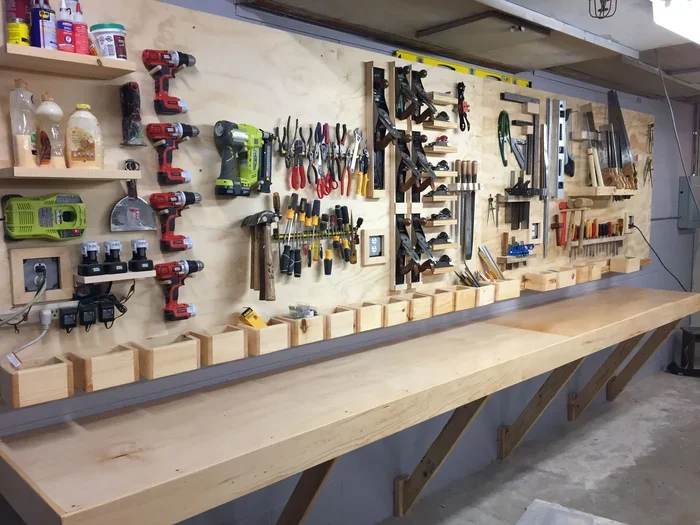
Finally, do not underestimate the power of proper storage. Hang your tools and coils your hoses to prevent kinks and damage. A well-organized workshop makes every project faster and more enjoyable.
Air tools are more than just a convenience. They are a fundamental upgrade that can transform the way you work. Whether you are a professional contractor or a hobbyist with a garage workshop, adding pneumatic tools to your lineup will boost your productivity, reduce fatigue, and deliver better results every time.
If you have been wondering whether air tools are right for you, the answer is almost certainly yes. Start with one or two essential tools, pair them with a reliable air compressor, and experience the difference for yourself. Once you feel the power and convenience of pneumatic tools, you will never go back to traditional alternatives.
The world of pneumatic tools is vast, affordable, and incredibly rewarding. Take the leap, build your setup, and watch your projects come to life with speed and precision you never thought possible.
Frequently Asked Questions
What are air tools used for?
Air tools are used for a wide range of tasks including auto repair, woodworking, painting, construction, and general DIY projects. Common applications include tightening bolts with impact wrenches, driving nails with nail guns, painting surfaces with spray guns, and inflating tires with pneumatic inflators. Their versatility makes them useful in both professional and home workshops.
How do air tools compare to electric tools?
Air tools are generally lighter, more powerful per pound, and more durable than electric tools. They also produce less heat and no sparks, making them safer in certain environments. However, they require an air compressor and hose setup, which adds to the initial cost. Over time, pneumatic tools tend to be more cost-effective and require less maintenance.
Do I need an air compressor to use air tools?
Yes, absolutely. Every pneumatic tool needs a source of compressed air, and that source is an air compressor. Without a compressor, air tools cannot function. The compressor size and capacity you need depends on the specific tools you plan to use and how many you plan to run at the same time.
Are air tools safe to use?
Air tools are generally very safe. They do not produce sparks, which makes them ideal for environments with flammable materials. They also generate less heat than electric tools. However, you should always wear appropriate safety gear, including eye protection and hearing protection, and follow all manufacturer guidelines for safe operation.
How much do air tools cost?
The cost of air tools varies widely depending on the type and brand. Basic pneumatic tools like nail guns and blow guns are quite affordable, often costing less than their electric equivalents. A complete setup with a compressor, hose, and several tools can be set up for a reasonable investment, especially considering the long-term savings on maintenance and electricity.
What maintenance do air tools require?
Air tools require relatively little maintenance. You should regularly drain moisture from your compressor tank, check hoses and fittings for leaks, and lubricate tools with the manufacturer-recommended oil. Replacing worn O-rings and seals when needed will keep your pneumatic tools running smoothly for years. Proper maintenance significantly extends the lifespan of every tool in your setup.
=== CONCLUSION ===
Air tools are a game changer for anyone who works with their hands. They combine power, precision, and portability in a way that traditional electric and manual tools simply cannot match. From impact wrenches and nail guns to spray guns and drills, the world of pneumatic tools offers something for every project and every skill level.
The benefits are clear: lighter weight, superior durability, lower long-term costs, and enhanced safety. Whether you are a professional mechanic, a dedicated DIYer, or someone just starting to explore the world of workshop tools, adding air tools to your collection is one of the smartest decisions you can make.
Start small, invest in a reliable air compressor, and build your pneumatic toolkit one tool at a time. The difference in your work quality and efficiency will be noticeable from day one. Embrace the power of compressed air and experience the transformation that pneumatic tools bring to your projects.