Small Inverter Generator Secrets Pick the Perfect Power
A small inverter generator is your go-to solution for clean, portable power anywhere you need it. These compact units offer fuel efficiency, quiet operation, and safe electricity for sensitive electronics. In this guide, you will learn how to choose the right size, understand key features, and avoid common buying mistakes.
Key Takeaways
- Fuel Efficiency: Inverter generators adjust engine speed to match the load, saving up to 40% more fuel than conventional models.
- Clean Power Output: Low THD ratings below 3% make them safe for laptops, phones, and other sensitive devices.
- Portability: Most units weigh between 20 and 60 pounds, making them easy to carry on camping or RV trips.
- Sizing Matters: Matching your wattage needs to the generator prevents overload and wasted money.
- Parallel Capability: Many models can pair together for double the power when you need it most.
- Noise Advantage: Quiet models run at 50-60 dB, much softer than traditional generators.
- Maintenance Is Simple: Regular oil changes and filter checks keep your unit running for years.
📑 Table of Contents
- What Is a Small Inverter Generator?
- Why Choose a Small Inverter Generator Over a Conventional Unit?
- How to Size Your Small Inverter Generator Correctly
- Key Features to Look For When Buying
- Fuel Types, Runtime, and Maintenance Tips
- Best Uses for a Small Inverter Generator
- Common Mistakes to Avoid When Buying and Using a Small Inverter Generator
- Expert Insights on Getting the Most from Your Inverter Generator
- Final Thoughts on Choosing the Perfect Small Inverter Generator
What Is a Small Inverter Generator?
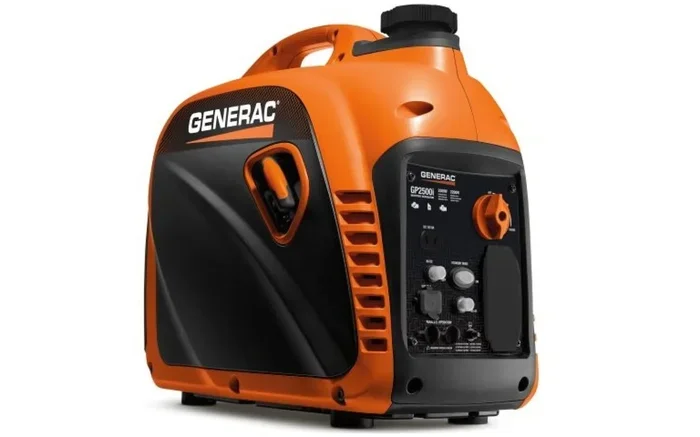
A small inverter generator is a compact power station that converts mechanical energy into clean, stable electricity. Unlike traditional generators, these units use advanced electronics to produce power that is safe for sensitive electronics like laptops, cameras, and smartphones. They are lightweight, portable, and built for people who need reliable power on the go.
Think of it this way. A conventional generator runs at full speed all the time, pumping out maximum wattage. An inverter generator, on the other hand, adjusts its engine speed based on what you are actually using. This means fuel efficiency goes way up, and noise level drops significantly. That is why so many campers, RV owners, and homeowners are making the switch.
These units are sometimes called portable power stations or compact generators. You will find them at camping sites, tailgate parties, and even backup power setups for homes. Their versatility is a huge part of why they have become so popular in recent years.
Why Choose a Small Inverter Generator Over a Conventional Unit?
Clean and Safe Electricity
One of the biggest advantages of a small inverter generator is power quality. These units produce electricity with very low Total Harmonic Distortion (THD). In plain English, that means the current is smooth and stable. Low-THD power below 3% is safe for your expensive electronics. You will not damage your laptop or charge your phone with worry.
Traditional generators often produce “dirty” power with THD levels above 20%. That can cause problems over time. If you have ever had a device act weird while plugged into a generator, dirty power might be the reason.
Fuel Economy That Saves You Money
Fuel consumption is where inverter generators really shine. Because the engine speed matches your actual power demand, you use less gas. Some models can run for 8 to 12 hours on a single tank at half load. Compare that to a conventional generator that might burn through fuel in just 3 to 4 hours under similar conditions.
This fuel efficiency matters a lot if you plan on using your generator frequently. Over the course of a year, the savings can be significant. You can also carry extra fuel cans more easily since you need fewer of them.
Whisper-Quiet Operation
If you have ever been near a running conventional generator, you know how loud they can be. Most traditional units hit 75 to 85 decibels. That is about as loud as a busy street or a vacuum cleaner. Small inverter generators, however, typically run between 50 and 62 decibels. That is roughly the volume of a normal conversation.
This quiet operation makes them perfect for camping trips where you want peace and quiet. You can run one at night without disturbing your neighbors or waking up the whole campsite. It is a game-changer for anyone who values a calm environment.
How to Size Your Small Inverter Generator Correctly
Picking the right size is one of the most important decisions you will make. Too small and you will run out of power. Too big and you waste money and carry extra weight. The key is understanding surge wattage and running watts.
Running Watts vs. Surge Watts
Running watts are the continuous power a generator can produce. Surge wattage is the extra power available for a short time to start devices with motors. For example, a fan might need 400 running watts but 1200 surge watts when you first turn it on.
Here is a quick comparison table to help you understand the difference:
Device | Running Watts | Surge Watts
Smartphone Charger | 5-15W | Same
Laptop | 50-100W | Same
Mini Fridge | 100-400W | 1200-1500W
Window AC Unit | 800-1500W | 2500-3500W
Drill (Cordless Charger) | 20-50W | 300-600W
To size your small inverter generator, add up the running watts of everything you plan to run at the same time. Then make sure the generator handles that total plus some headroom. Always check the surge wattage too, especially if you plan to power tools or appliances with motors.
Quick Sizing Tips
- For camping and charging electronics: A 1000 to 2000 watt unit is usually enough.
- For RV use: Aim for 2000 to 3000 watts to handle a fridge, lights, and a TV.
- For home emergency backup: Go with 3000 to 4000 watts to cover essentials like a fridge, sump pump, and a few lights.
If you are unsure about connecting a generator to your home systems, check out this helpful guide on how to run a generator to house for step-by-step tips and safety advice.
Key Features to Look For When Buying
Parallel Capability
Many small inverter generators come with parallel capability. This means you can connect two identical units together with a parallel cable to double your power output. It is a brilliant feature if you need more power temporarily but still want the portability of a single unit.
For example, one unit might handle a camping trip just fine. But when you host a tailgate party, you can hook up a second unit to run a bigger sound system and more lights. When you do not need the extra power, just unplug the second unit and carry it separately.
Outlet Types and Variety
Check the outlet types before you buy. Most units include:
- 120V AC outlets (standard three-prong)
- USB-A ports for phones and tablets
- USB-C ports for newer devices and laptops
- 12V DC car outlets for charging batteries on the road
Having a mix of outlets means you can charge everything at once without needing extra adapters. It adds convenience and saves time. Look for models that include at least two AC outlets and a couple of USB ports.
Weight and Portability
Since you are looking for a small inverter generator, portability matters. Most units weigh between 20 and 60 pounds. Some come with built-in handles or wheels for easy transport. If you carry your generator on long hikes or into tight RV compartments, aim for something under 30 pounds.
Here is a quick comparison of popular size categories:
Category | Weight Range | Best For
Ultra-Portable | 15-25 lbs | Charging devices, phone charging
Mid-Size Portable | 25-45 lbs | Camping, RV, small appliance use
Full-Size Portable | 45-65 lbs | Home backup, larger power needs
Keep in mind that a mini generator in the ultra-portable range might not have enough juice to run a microwave or a space heater. Know your power needs before you pick a size category.
Noise Level and Decibel Ratings
Always check the noise level specification. Anything under 60 dB is considered very quiet for a generator. Some premium models even go as low as 50 dB. That is quieter than most people realize. For comparison, a refrigerator hums at about 40 dB and a normal conversation sits around 60 dB.
Fuel Types, Runtime, and Maintenance Tips
Gasoline vs. Propane vs. Dual-Fuel
Most small inverter generators run on regular gasoline. Some models offer dual-fuel options that let you switch between gasoline and propane. Here is a quick breakdown:
- Gasoline: Most common, widely available, and great for short to medium trips.
- Propane: Burns cleaner, has an indefinite shelf life, and works well in cold weather.
- Dual-Fuel: Gives you flexibility to use either fuel depending on availability.
If you store fuel for long periods, propane is a smart choice because it does not go bad. Gasoline can degrade after 3 to 6 months unless you add a fuel stabilizer. Wondering how long you can safely keep gas in your generator? Learn more about how long you can leave gas in a generator and proper fuel storage practices.
Runtime at Different Loads
Manufacturers usually list runtime at 25% or 50% load. At 25% load, a typical 2000-watt inverter generator can run for 10 to 12 hours on a gallon of gas. At 50% load, expect around 6 to 8 hours. Always plan for the worst case and keep extra fuel on hand for longer trips.
Simple Maintenance Routine
Keeping your small inverter generator in top shape is not hard. Follow these basic steps:
- Change the oil after the first 20 hours of use, then every 100 hours or once per season.
- Replace or clean the air filter every 50 to 100 hours.
- Check the spark plug periodically and replace it if it looks worn.
- Run the generator for 15 minutes once a month even if you are not using it. This keeps the internals lubricated and prevents stale fuel issues.
- Store the unit in a dry place to prevent rust and corrosion.
Regular maintenance extends the life of your generator significantly. A well-maintained unit can easily last 10 to 15 years. Neglect it, and you might face expensive repairs or a unit that dies on you at the worst possible moment.
Best Uses for a Small Inverter Generator
Camping and Outdoor Adventures
Camping is probably the number one use case. A small inverter generator lets you charge phones, run LED lights, power a small fan, and even run a portable coffee maker. The quiet operation means you will not disturb other campers. It adds a layer of comfort to any outdoor trip without the hassle of batteries running out.
RV and Van Life
RV travelers love inverter generators because they fit neatly into storage compartments. They provide emergency power when you are boondocking in a remote area without electrical hookups. Pair it with a battery bank for even more versatility. The clean power also protects your expensive RV electronics and appliances.
Home Emergency Backup
When the power grid goes down during a storm, a small inverter generator can keep your essential appliances running. You can power a fridge, some lights, a router for internet, and a phone charger. It is not enough to run a central air conditioner, but it covers the basics to keep your family comfortable and connected.
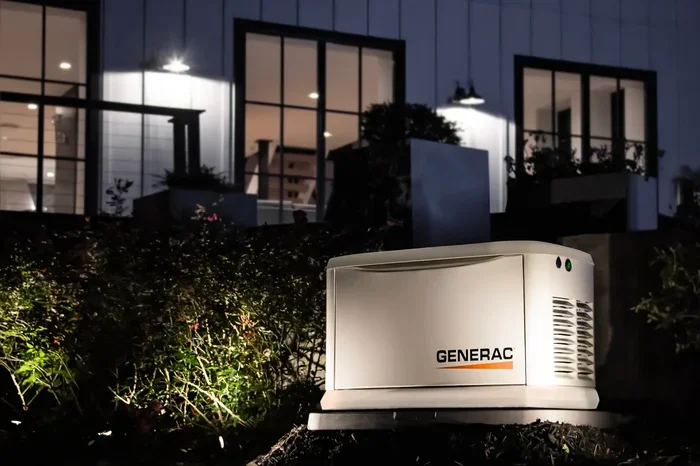
For homeowners looking at backup power options, understanding costs is important. You might find it helpful to read about the average cost of a Generac generator to compare different backup power solutions and budgets.
Worksites and Job Sites
Contractors and tradespeople use compact inverter generators to power tools on location. They are quiet enough to use in residential neighborhoods where noise complaints are a concern. The portable power makes it easy to move from one spot to another throughout the day.
Common Mistakes to Avoid When Buying and Using a Small Inverter Generator
Buying More Power Than You Need
It is tempting to grab the biggest unit you can afford. But oversized generators cost more, weigh more, and use more fuel even when you do not need all that power. Take the time to calculate your actual wattage needs and pick a unit that matches them. A properly sized unit is always the better investment.
Ignoring Surge Wattage
Many people only look at running watts and forget about surge watts. This is a costly mistake. Devices like refrigerators, air conditioners, and pumps draw a big burst of power when starting up. If your generator cannot handle that surge, it will trip the breaker or shut down. Always add a safety margin of 20% above your total calculated needs.
Skipping Maintenance
We mentioned maintenance earlier, but it deserves another warning. Skipping oil changes and filter replacements leads to poor performance and early failure. Set a schedule and stick to it. Your generator will reward you with years of reliable service.
Overloading Outlets
Do not plug too many high-draw devices into a single outlet or use cheap extension cords. Use properly rated cords and spread the load across multiple outlets. Overloading causes overheating and can be a fire hazard. Safety always comes first when dealing with any kind of generator.
Expert Insights on Getting the Most from Your Inverter Generator
Industry experts recommend a few pro tips that make a big difference:
- Start with the largest appliance first. Turn on your fridge or AC unit before adding other loads. This ensures the generator handles the initial surge without breaking a sweat.
- Use parallel mode wisely. Parallel pairing is great for high-demand situations, but make sure both units are identical models. Mixing different brands or sizes can cause damage.
- Invest in a quality fuel stabilizer. If you only use your generator a few times per year, a stabilizer keeps gasoline fresh for up to two years in storage.
- Monitor your load with a watt meter. A small plug-in watt meter helps you track exactly how much power each device uses. This takes the guesswork out of sizing and prevents overloads.
These small habits add up to big savings on fuel, fewer breakdowns, and a much more reliable power source wherever you need it.
Final Thoughts on Choosing the Perfect Small Inverter Generator
Selecting the right small inverter generator comes down to understanding your power needs, prioritizing features that matter to you, and avoiding common pitfalls. Whether you are heading into the wilderness for a weekend camping trip, living the RV life on the open road, or preparing your home for storm season, there is a compact inverter generator that fits your situation perfectly.
Remember to focus on fuel efficiency, power quality, and quiet operation. These are the three benefits that set inverter generators apart from conventional models every single time. Take your time, compare a few options, and pick a unit with the right balance of power output and portability.
The perfect portable power solution is the one that matches your actual needs without going overboard. With the information in this guide, you are now equipped to make a smart, confident choice. Enjoy clean, reliable electricity wherever your adventures take you.
Frequently Asked Questions
How long can a small inverter generator run continuously?
Most units can run for 8 to 12 hours at 25% load on a full tank of gasoline. Some larger models with bigger fuel tanks can push past 15 hours. Runtime depends on the fuel load and how much power you are drawing at any given time.
Can a small inverter generator run an air conditioner?
It depends on the size of the AC unit. A small window AC drawing 1000 running watts can be powered by a 2000 to 2500 watt inverter generator. However, larger central AC units require far more power and need a bigger generator. Always check the surge and running wattage of your specific appliance.
Is a small inverter generator safe for sensitive electronics?
Yes. Inverter generators produce clean electricity with low THD, typically under 3%. This makes them completely safe for laptops, smartphones, tablets, cameras, and other sensitive devices. Unlike conventional generators, they will not cause damage from power fluctuations or dirty current.
How much does a typical small inverter generator cost?
Prices range from about $300 for basic ultra-portable models to around $1000 for high-end units with parallel capability and advanced features. Mid-range models in the $500 to $700 range offer the best balance of power, portability, and reliability for most users.
Can I connect two small inverter generators together for more power?
Yes, if both generators are the same make and model and have parallel capability, you can connect them with a parallel cable. This effectively doubles your available power. It is a great option for camping trips or RV use where power demands spike temporarily.
What is the best fuel type for a small inverter generator?
Gasoline is the most common and widely available fuel. However, dual-fuel models that accept gasoline and propane offer great flexibility. Propane burns cleaner and stores indefinitely, making it a smart choice for long-term emergency backup power setups.