Power Station vs Generator Everything You Need to Know
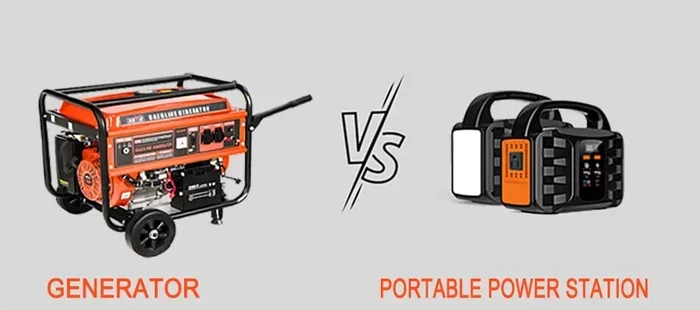
A power station runs on batteries and is quiet and clean, while a generator burns fuel and delivers high wattage for heavy loads. This guide breaks down everything you need to compare power station vs generator options for home backup, camping, or off-grid living. You will learn about cost, runtime, noise, fuel needs, and which option truly fits your situation.
Key Takeaways
- Power stations use batteries and are ideal for indoor, quiet, and clean energy needs. They are portable, safe, and have very low operating costs.
- Generators burn fuel to produce electricity and handle heavy loads for longer periods. They are best for whole-home backup during extended outages.
- Your choice depends on power needs, budget, runtime requirements, and where you plan to use the unit. Both options have clear advantages in the right situation.
- Generators require regular maintenance and must always be used outdoors. Carbon monoxide from fuel-powered units is a serious safety risk.
- Power stations support solar charging and have minimal ongoing costs. They are a great fit for camping, RV trips, and short-term backup.
- Sizing your unit correctly is critical. Underestimating your power needs leads to overloads and frustration.
- Both options serve different purposes and can even complement each other. Many households benefit from having both for different scenarios.
📑 Table of Contents
- Power Station vs Generator What Is the Real Difference
- How Does a Power Station Work
- How Does a Generator Work
- Power Station vs Generator Comparison
- Which One Should You Choose
- Common Mistakes People Make When Choosing Between Them
- Cost Breakdown Power Station vs Generator
- Final Thoughts on Power Station vs Generator
Power Station vs Generator What Is the Real Difference
When you need backup power or electricity for outdoor adventures, the debate between a power station vs generator comes up fast. Both options keep your lights on, your fridge running, and your devices charged. But they work in very different ways. A power station stores energy in batteries and releases it quietly. A generator burns fuel to create electricity on the spot. Understanding these differences matters whether you are prepping for emergencies or planning a camping trip.
This guide covers everything you need to know. We will compare how each option works, what they cost, and which one fits your situation best. By the end, you will feel confident making the right choice for your power needs.
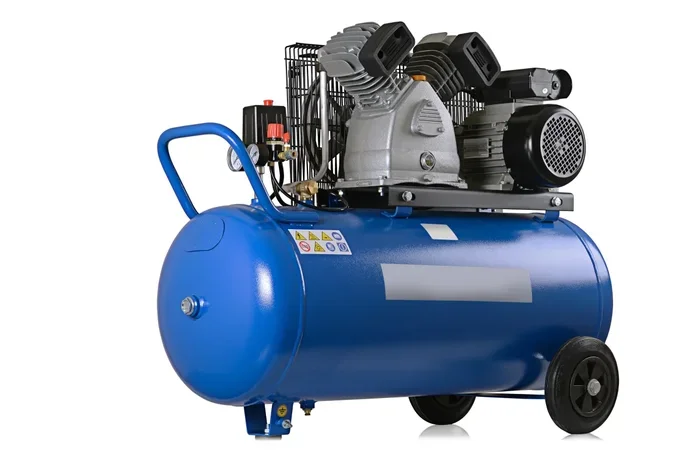
Many people also wonder how these options relate to tools and compressors. While a generator can power compressors and heavy-duty equipment, a power station is better suited for lighter electronics and tools. Let us dive deep into the details.
How Does a Power Station Work
A power station is essentially a large rechargeable battery with built-in outlets. It stores electricity and delivers it when you need it. Think of it like a really big power bank for your whole home or campsite. Unlike a fuel-powered unit, it produces no fumes and runs in complete silence.
Battery Types and Capacity
Most portable power stations use lithium-ion or lithium iron phosphate batteries. These batteries hold a lot of energy and last for many charge cycles. The capacity is measured in watt hours, and it tells you how much power the station can deliver before needing a recharge.
A smaller unit might offer around 300 watt hours. That is enough to charge phones, laptops, and small appliances for a weekend trip. Larger models can reach 2000 watt hours or more. These can run a fridge, lights, and electronics for several hours during a blackout. Some premium models even exceed 3000 watt hours for serious backup needs.
The lithium battery technology inside these units has improved dramatically in recent years. Modern batteries are lighter, hold more charge, and last longer than older models. This makes them a reliable backup power source for homes, cabins, and outdoor adventures.
Charging Options and Runtime
One big advantage of a battery-powered setup is the variety of ways to recharge it. You can plug it into a wall outlet at home. Many models also support solar panels, so you can charge them for free during the day. Some even accept car charger adapters for road trips.
The charging time varies depending on the method. A wall outlet usually takes a few hours. Solar charging takes longer but gives you energy independence. This makes off-grid power much more accessible than ever before. You can set up a solar panel array and have a renewable emergency power system that never runs out as long as the sun shines.
Runtime depends on the capacity and the load. A 1000 watt hour station running a 100 watt fridge will last about 10 hours. Running a microwave or power tool will drain it much faster. Always check the power capacity before buying to make sure it meets your needs.
How Does a Generator Work
A generator converts fuel into electrical energy through a combustion engine. It does not store electricity. Instead, it produces power as long as it has fuel and is running. This is the key difference from a battery station. The engine spins a rotor to create electricity, and the power output depends on the engine size and fuel supply.
Fuel Types and Power Output
Generators run on different fuels. Gasoline is the most common for portable models. Propane and natural gas are popular for standby units. Diesel generators are often used for heavy-duty and industrial applications. Each fuel type has its own advantages in terms of availability, shelf life, and energy output.
The wattage capacity determines what you can run. A small portable unit might produce 1000 to 3000 watts. That handles basic essentials like lights, a fan, and a phone charger. A larger whole-house unit can produce 7000 to 20000 watts or more. This can power your entire home including HVAC systems and kitchen appliances.
If you are wondering about fuel costs, how much propane does a 20kw generator use per hour is a common question. Fuel consumption depends on the load and the size of the unit. Heavier loads burn more fuel faster. Running a generator at half load is more fuel efficient than running it at full capacity.
Inverter Generators vs Conventional Generators
Not all generators are the same. Inverter generators produce cleaner, more stable power. They adjust engine speed to match the load, which saves fuel and reduces noise. Conventional generators run at a constant speed and are louder. They work well for heavy loads but are less efficient for smaller devices.
If you want clean energy for sensitive electronics like laptops or TVs, an inverter model is the better choice. The power quality is much higher, and the noise level is significantly lower. Some inverter units run as quietly as 50 decibels, which is about the level of a normal conversation.
For powering compressor tools and heavy equipment, a conventional or dual-fuel model may be necessary. These units deliver the sustained high wattage that compressors and other motor-driven tools require. Just make sure you have proper ventilation and follow all safety guidelines.
Power Station vs Generator Comparison
Let us look at the key differences side by side. This comparison table makes it easy to see which option wins in each category.
| Feature | Power Station | Generator |
|---|---|---|
| Power Source | Battery | Fuel (gas, propane, diesel) |
| Noise Level | Very quiet | Loud to moderate |
| Emissions | None | Carbon monoxide and fumes |
| Runtime | Limited by battery size | Long as fuel lasts |
| Portability | Very portable | Heavier and bulkier |
| Upfront Cost | Lower to moderate | Moderate to high |
| Operating Cost | Low (electricity to recharge) | Ongoing fuel purchases |
| Maintenance | Very low | Regular oil and filter changes |
| Indoor Safe Use | Yes | No |
| Fuel Shelf Life | N/A (rechargeable) | Gas degrades over time |
As you can see, each option has clear strengths. The right choice depends on your specific needs, budget, and how you plan to use the unit. A portable power station wins on convenience and safety. A fuel-powered unit wins on raw power and extended runtime.
Which One Should You Choose
Choose a Power Station If
A power station is the better pick in several situations. If you need quiet backup power indoors, a battery unit is the clear winner. It produces no fumes, so it is safe to use inside your home or in a tent. Families with young children or pets often prefer the silent operation.
Campers and RV owners love how lightweight and easy to move these units are. You can also use them indoors without worrying about carbon monoxide risks. The portable generator alternative of a battery station means you can carry it anywhere with ease.
If your power needs are modest, a battery-powered generator alternative saves you money on fuel. You simply recharge it and use it again. Over time, the operating cost stays very low compared to buying fuel regularly. For weekend trips, tailgating, or short blackouts, a power station covers most needs perfectly.
Solar charging also makes these units a clean energy solution. You can harness the sun to keep your station ready at all times. This is a huge advantage for off-grid power enthusiasts who want to reduce their environmental footprint.
Choose a Generator If
A generator shines when you need a lot of power for a long time. If you live in an area prone to long outages, a fuel-powered unit keeps everything running. It can handle heavy loads like central air conditioning, well pumps, and electric stoves.
For homeowners who need whole-home backup, a standby generator is a solid investment. But you need to think about where to place it safely. Learning how to run a generator to house safely is essential. You must keep it outside, away from windows and doors, to prevent deadly carbon monoxide buildup.
If you need home backup power for several days without refueling, check the fuel tank size first. Some models run 10 to 12 hours on a full tank. You will need to refill during extended outages. The lifespan also matters. A whole house generator can last 20 to 30 years with proper maintenance.
Another important consideration is sizing. What size generator to run furnace and refrigerator is a question many homeowners ask. A unit in the 5000 to 7500 watt range typically handles these essentials plus a few other devices. Always add up the starting wattage of your appliances, not just the running wattage.
Generators also work well for construction sites and workshops. They can power compressors, saws, and other heavy tools that a battery station simply cannot handle. For contractors and tradespeople, a reliable fuel-powered unit is often a must-have.
Common Mistakes People Make When Choosing Between Them
Many buyers make the same errors when comparing these two options. Avoid these pitfalls to save money and frustration.
- Underestimating your power needs: Adding up the wattage of everything you want to run is essential. A unit that is too small will overload and shut down. Make a list of every device you plan to use and total the wattage.
- Ignoring runtime limits: A battery station cannot run forever. Calculate how long you need power and choose a unit with enough capacity. A 300 watt hour station will not keep a fridge running for two days.
- Skipping maintenance on generators: Generators need regular oil changes and filter replacements. Skipping this shortens their lifespan significantly. Follow the manufacturer’s maintenance schedule to keep your unit running smoothly.
- Using a generator indoors: This is extremely dangerous. The exhaust contains carbon monoxide, which is odorless and deadly. Always use generators outside with proper ventilation. Never place one in a garage, even with the door open.
- Forgetting about noise: Generators can be very loud. If you live in a neighborhood or campground, check the decibel rating before buying. A loud generator can disturb neighbors and violate local noise ordinances.
- Not considering fuel storage: Gasoline degrades over time and is dangerous to store in large quantities. Propane has a longer shelf life but requires a tank. Factor in fuel storage when choosing a fuel-powered unit.
These mistakes are easy to avoid with a little planning. Take time to assess your needs before you spend money. The right choice becomes obvious once you know what you are trying to power and for how long.
Cost Breakdown Power Station vs Generator
Money is always a big factor when choosing between these two options. Let us break down what you can expect to spend.
A basic portable power station costs between 200 and 1000 dollars. Mid-range models with higher capacity run from 1000 to 3000 dollars. Premium units with massive battery banks can exceed 3000 dollars. But remember, there are no fuel costs. You just recharge it from the wall or solar panels. Over five years, the total cost stays very low.
A portable gasoline generator starts around 300 to 500 dollars for a small unit. Mid-size models cost 800 to 1500 dollars. Whole-house standby generators range from 3000 to 10000 dollars or more. On top of the purchase price, you will spend money on fuel, oil, and regular maintenance. Over the same five-year period, the total cost of ownership can be significantly higher than a battery station.
The average cost of a generator varies widely based on size and type. Small portable units are affordable and great for basic needs. Standby generators are a big investment but provide peace of mind during long outages. Compare the upfront cost with the ongoing expenses to get the true picture.
Final Thoughts on Power Station vs Generator
The debate between a power station vs generator comes down to your specific situation. If you want quiet, clean, and low-maintenance power for shorter periods, a battery station is hard to beat. It is perfect for camping, tailgating, and short-term backup at home.
If you need heavy-duty, long-lasting power for your entire house during extended outages, a fuel-powered unit is the way to go. It delivers high wattage and can run for days with refueling. Just remember to maintain it properly and always use it outdoors.
Both options have a place in the world of backup and portable power. Consider your budget, your power needs, and how you plan to use the unit. With the right choice, you will stay powered up no matter what comes your way. Whether you need a compact portable power station for weekend adventures or a heavy-duty fuel-powered generator for whole-home protection, the perfect solution is out there for you.
Frequently Asked Questions
Can a power station power a whole house?
It depends on the size of the station and your power needs. A large power station with 3000 watt hours or more can run essential circuits like lights, fridge, and electronics for several hours. However, it cannot replace a whole-house generator for extended outages. Power stations are best for partial backup and short-term use.
How long does a generator run on a tank of gas?
Runtime varies by model and load. A small portable generator might run 8 to 12 hours on a full tank at 50% load. Larger standby units can run 24 to 72 hours with a large fuel tank or continuous propane supply. Always check the manufacturer’s rated runtime for your specific model.
Is a power station better than a generator for camping?
For most camping trips, a power station is the better choice. It is quiet, lightweight, and safe to use inside a tent or camper. There are no fumes, no fuel smells, and no noise to disturb fellow campers. A generator is better only if you need to power heavy tools or appliances that require high wattage.
Can I use a generator indoors?
No. You should never use a generator indoors or in enclosed spaces. The exhaust contains carbon monoxide, which is odorless, colorless, and potentially deadly. Always place generators outside at least 20 feet from your home, with exhaust pointing away from windows and doors.
How much does it cost to run a generator per day?
Daily fuel costs depend on the generator size, fuel type, and load. A portable gasoline generator running at 50% load might use 0.5 to 1 gallon of gas per hour. At current prices, that could cost 5 to 15 dollars per day. Propane and diesel costs vary by region. Battery power stations have virtually zero daily operating cost since you just recharge them.
Can a power station be charged with solar panels?
Yes, most modern power stations support solar panel charging. You can connect compatible solar panels to the station’s input port and charge it during the day. Charging times vary based on panel wattage and battery size. A 200 watt solar panel typically adds 100 to 200 watt hours per hour of direct sunlight. This makes solar charging a great option for off-grid adventures and emergency preparedness.