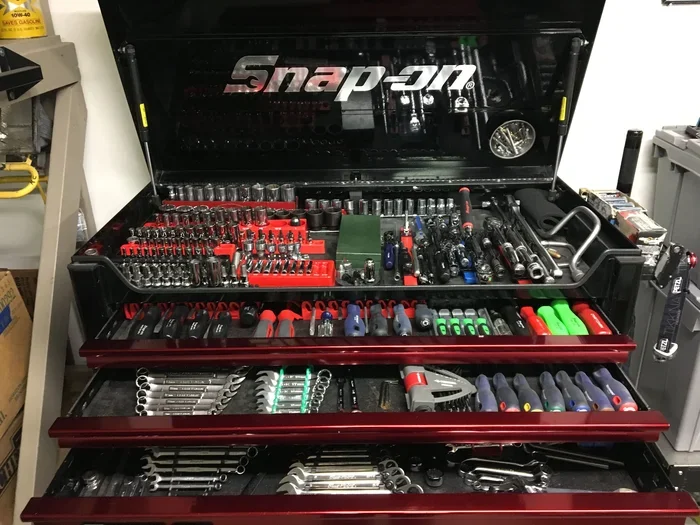
Are Williams Tools Made by Snap On for Professionals
Williams tools are not made by Snap On, but they share a deep connection through distribution and professional reputation. Both brands serve mechanics and tradespeople with high-quality hand tools. Understanding the difference helps professionals choose the right equipment for their needs.
If you have ever walked into a professional toolbox or visited a parts store, you may have noticed both Williams tools and Snap On tools sitting side by side. This raises a simple but important question: are Williams tools made by Snap On? The short answer is no. But the full story is more interesting than you might think.
Many professionals assume that because these two brands appear together in catalogs and stores, they must share the same manufacturer. The truth is that Williams tools and Snap On tools have separate histories, separate manufacturing, and separate identities. However, they do share a meaningful connection in how they reach the people who need them most.
In this article, we will break down everything you need to know about the relationship between Williams tools and Snap On. We will look at the history of both brands, how they compare in quality, and why the confusion exists in the first place. Whether you are a mechanic, a technician, or a shop owner, this guide will help you understand what you are really buying when you pick up a Williams or Snap On tool.
Key Takeaways
- Williams tools are a separate brand: They are not manufactured by Snap On Incorporated, despite common confusion.
- Snap On distributes Williams tools: The two brands share a distribution relationship in the professional tool market.
- Both brands target professionals: Williams and Snap On both serve mechanics, technicians, and industrial workers.
- Quality differs between the two: Snap On tools are generally considered premium, while Williams tools offer strong value.
- History matters: Williams has its own independent manufacturing heritage separate from Snap On.
- Price points vary: Williams tools tend to be more affordable than comparable Snap On products.
- Know your brand: Understanding the difference helps you make informed purchasing decisions.
📑 Table of Contents
- The History of Williams Tools
- The History of Snap On Tools
- The Relationship Between Williams and Snap On
- Williams Tools vs Snap On Tools: A Quality Comparison
- Why the Confusion Between Williams and Snap On Exists
- How to Choose Between Williams and Snap On
- Quick Tips for Buying Professional Tools
- The Bottom Line
The History of Williams Tools
Williams tools have a long and respected history in the professional tool industry. The brand was founded independently and built its reputation on delivering reliable hand tools for tradespeople. Williams has been a trusted name for decades, known for producing tools that hold up under heavy daily use.
Who Makes Williams Tools?
Williams tools are manufactured by their own company, separate from Snap On Incorporated. The brand has maintained its independent identity throughout its existence. While Snap On is a publicly traded company with a massive global presence, Williams operates with its own manufacturing standards and quality control processes.
One reason for the confusion is that Williams tools are often sold through the same distributors that carry Snap On products. This shared distribution channel makes it easy to assume the two brands are connected. But they are not. Williams builds its own tools, designs its own products, and maintains its own quality benchmarks.
What Types of Tools Does Williams Make?
Williams offers a wide range of professional hand tools. These include wrenches, sockets, pliers, screwdrivers, and specialty tools for automotive and industrial applications. The brand focuses on tools that meet the demands of daily professional use. Many mechanics and technicians trust Williams tools for their durability and performance.
When you are looking at professional grade tools, Williams holds a strong position in the market. The brand competes directly with other established names and has carved out a loyal customer base over the years.
The History of Snap On Tools
Snap On Incorporated is one of the most recognized names in the professional tool industry. Founded in 1920, Snap On has grown from a small shop in Milwaukee to a global manufacturer of hand tools, power tools, and diagnostic equipment. The brand is synonymous with quality and durability in the trades.
Snap On’s Manufacturing and Ownership
Snap On manufactures its own tools through multiple facilities around the world. The company controls every step of the production process, from design to final quality inspection. This vertical integration gives Snap On tight control over the tool quality that professionals expect.
Snap On tools are sold through a network of authorized dealers and company-owned stores. The brand has a strong reputation for standing behind its products with comprehensive warranties and support. When you buy a Snap On tool, you are buying into a legacy of craftsmanship and innovation.
How Snap On Became a Industry Leader
Snap On’s rise to the top of the tool industry came from a simple idea: mechanics need tools that will not let them down. The company invested heavily in research, development, and materials science. Today, Snap On tools are used by professional mechanics, technicians, and tradespeople in every corner of the globe.
The brand’s industrial hand tools are known for precision engineering and long-lasting performance. This reputation has made Snap On one of the most trusted names in the industry.
The Relationship Between Williams and Snap On
So if Williams tools are not made by Snap On, why do they seem so closely connected? The answer lies in distribution and market positioning. Let us break down exactly how these two brands relate to each other.
Shared Distribution Channels
One of the main reasons people confuse Williams with Snap On is that both brands appear in many of the same stores and catalogs. Williams tools are often sold through the same distributors that carry Snap On products. This means that a single tool dealer might stock tools from both brands, creating the impression of a shared company.
This distribution relationship is purely commercial. Williams and Snap On remain independent companies with separate ownership, separate manufacturing, and separate product lines. The fact that they share shelf space does not mean they share a corporate parent.
Similar Target Markets
Both Williams and Snap On target the same core audience: professional mechanics, technicians, and tradespeople. Both brands understand that their customers need tools that can withstand the rigors of daily professional use. This shared focus on the professional market is another reason the two brands are often mentioned together.
However, there are meaningful differences in how each brand approaches the market. Snap On positions itself as a premium, high-end brand. Williams positions itself as a strong value alternative that still delivers professional-grade quality. This difference in positioning affects pricing, product lines, and brand perception.
Williams Tools vs Snap On Tools: A Quality Comparison
When choosing between Williams and Snap On, professionals want to know how the two brands compare. Let us look at the key areas where these brands differ and where they overlap.
Build Quality and Materials
Both Williams and Snap On use high-quality materials in their tool manufacturing. However, Snap On is generally recognized as the higher-end option. Snap On tools often feature superior steel alloys, tighter tolerances, and more refined finishing. The tool quality difference is noticeable when you handle both brands side by side.
That said, Williams tools are far from cheap. The brand uses solid materials and proven manufacturing processes. A Williams tool will last for years of professional use. The difference is more about the premium experience and extra refinement that Snap On offers at the top end.
Pricing and Value
One of the biggest advantages of Williams tools is the price point. Williams tools typically cost less than comparable Snap On tools. This makes Williams an attractive option for professionals who need a full set of tools without the premium price tag.
For shops and individual mechanics building a tool collection on a budget, Williams offers excellent value. You get professional-grade quality at a more accessible price. Snap On tools cost more, but many professionals feel the extra investment is worth it for the brand’s reputation and warranty support.
Warranty and Support
Snap On is known for its strong warranty program. The company stands behind its tools with generous lifetime warranties on many products. This level of support adds value to the higher price point and gives professionals peace of mind.
Williams also offers warranty coverage on its tools, but the terms and scope may differ from Snap On’s program. Before purchasing, it is always a good idea to review the warranty details for either brand. Understanding what is covered can help you make a more informed decision.
Product Range
Snap On offers a broader product range than Williams. In addition to hand tools, Snap On manufactures power tools, diagnostic equipment, and tool storage solutions. The company has invested heavily in expanding its product lines to serve every aspect of a professional’s work.
Williams focuses primarily on hand tools and a smaller range of specialty tools. While the product line is more focused, Williams still covers the essential tools that most professionals need. For many technicians, a solid set of Williams hand tools is all they require for their daily work.
Why the Confusion Between Williams and Snap On Exists
The confusion between Williams and Snap On is very common, and there are several understandable reasons for it. Let us explore why so many people mix up these two brands.
Similar Brand Positioning
Both Williams and Snap On position themselves as brands for professionals. They both use language about durability, precision, and reliability in their marketing. This similar messaging can make it hard for casual shoppers to tell the brands apart.
Additionally, both brands use similar packaging and branding styles. The tool boxes, cases, and storage solutions often look alike at a glance. This visual similarity adds to the confusion, especially for people who are not familiar with the tool industry.
Co-Location in Retail Settings
As mentioned earlier, Williams and Snap On tools are frequently sold in the same stores and through the same distributors. When you see both brands displayed together, it is natural to assume they are related. This co-location is a result of their shared target market and complementary product offerings.
Some tool dealers even group Williams and Snap On products together in their catalogs, further reinforcing the idea that they are connected. But rest assured, they are separate companies with separate products.
The Role of Third-Party Sellers
Online marketplaces and third-party sellers sometimes contribute to the confusion. Listings may group Williams and Snap On tools together or use ambiguous language that blurs the line between the two brands. Always check the manufacturer name carefully before making a purchase.
If you are shopping online, look for the official brand name on the product listing. This will help you confirm whether you are buying a Williams tool or a Snap On tool. When in doubt, visit the official websites for both brands to verify authenticity.
How to Choose Between Williams and Snap On
Choosing the right tool brand depends on your specific needs, budget, and work requirements. Here are some practical tips to help you decide between Williams and Snap On.
Consider Your Budget
If you are building a tool collection and budget is a concern, Williams tools offer excellent value. You can build a comprehensive set of professional-grade tools without breaking the bank. For many independent mechanics and small shop owners, Williams provides the quality they need at a price they can afford.
On the other hand, if budget is less of a constraint and you want the very best, Snap On tools deliver a premium experience. The higher cost is justified by the superior materials, precision, and brand reputation.
Think About Your Work Environment
Consider where and how you use your tools. If you work in a high-volume shop that sees heavy daily use, Snap On tools may be worth the investment for their extra durability and the peace of mind that comes with a strong warranty. If you work in a lighter-duty environment or are just starting out, Williams tools can serve you very well.
Also think about the types of tools you need most. If you primarily need basic hand tools like wrenches and sockets, either brand will serve you well. If you need specialty tools or power tools, Snap On may offer a wider selection.
Check Reviews and Ask Fellow Professionals
One of the best ways to choose between brands is to talk to other professionals in your field. Ask mechanics, technicians, and tradespeople what they use and what they recommend. Real-world experience from fellow professionals is often more valuable than marketing claims.
You can also check online reviews and forums where professionals share their experiences with different tool brands. Pay attention to feedback about durability, warranty claims, and overall satisfaction. This kind of peer feedback can guide you toward the right choice for your specific situation.
Quick Tips for Buying Professional Tools
Whether you choose Williams or Snap On, here are some quick tips to keep in mind when buying professional tools:
- Always buy from authorized dealers: This ensures you get genuine products with full warranty coverage.
- Check for counterfeit tools: The tool market has its share of fakes. Buy from reputable sources to avoid low-quality imitations.
- Start with the essentials: Build your collection gradually, focusing on the tools you use most frequently.
- Consider tool storage: A good tool box or case protects your investment and keeps your workspace organized.
- Register your tools: Many brands offer extended warranties if you register your purchase. Take advantage of this.
- Compare prices across dealers: Prices can vary significantly between retailers. Shop around for the best deals.
The Bottom Line
So, are Williams tools made by Snap On? No, they are not. Williams tools are a separate brand with its own independent manufacturing and distribution. However, the two brands share a connection through their distribution channels and their shared focus on serving professionals in the trades.
Both Williams and Snap On offer quality tools that can handle professional use. The choice between them comes down to your budget, your specific needs, and your personal preferences. Whether you choose Williams for its value or Snap On for its premium reputation, you are getting a brand that professionals trust.
Understanding the difference between these two brands empowers you to make smarter purchasing decisions. The next time you see Williams and Snap On tools side by side, you will know exactly what sets them apart. And that knowledge will help you get the best tools for the best value.
Take the time to evaluate your tool needs, compare brands, and invest in equipment that will serve you well for years to come. The right tools make all the difference in your work, and now you have the information you need to choose with confidence.
Frequently Asked Questions
Are Williams tools and Snap On tools made by the same company?
No, Williams tools and Snap On tools are made by different companies. Williams is an independent tool manufacturer, while Snap On Incorporated is a separate publicly traded company. Despite being sold through similar distribution channels, they have different owners and manufacturing processes.
Why are Williams tools often sold alongside Snap On tools?
Williams and Snap On share similar target markets and distribution networks. Many tool dealers carry both brands because they serve the same professional audience. This co-location in stores and catalogs is what creates the common confusion between the two brands.
Are Williams tools good quality?
Yes, Williams tools are known for their solid quality and durability. They are designed for professional use and offer excellent value for the price. While they may not match the premium refinement of Snap On tools, Williams tools are a reliable choice for mechanics and tradespeople.
What is the main difference between Williams and Snap On tools?
The main differences are in pricing, brand positioning, and product range. Snap On is positioned as a premium brand with higher prices and a broader product line that includes power tools and diagnostic equipment. Williams is positioned as a strong value brand focused primarily on hand tools at more accessible price points.
Can I trust a Williams tool for heavy-duty professional work?
Absolutely. Williams tools are built to handle professional use and daily heavy-duty applications. The brand has a long history of serving tradespeople who need reliable tools. Many professional mechanics trust Williams tools for their everyday work.
How can I tell if a tool is a Williams or a Snap On product?
Check the branding on the tool itself. Williams tools will have the Williams logo and branding, while Snap On tools will display the Snap On name and logo. Always purchase from authorized dealers to ensure you are getting genuine products with full warranty protection.
=== CONCLUSION ===
The question of whether Williams tools are made by Snap On comes up frequently, and the answer is clear: they are separate brands with separate identities. Williams tools stand on their own as a respected professional tool brand, while Snap On remains one of the most recognized names in the industry.
Both brands serve professionals who demand reliable, durable tools. Your choice between them should be based on your specific needs, budget, and work requirements. With the information in this guide, you are now equipped to make that decision with confidence.