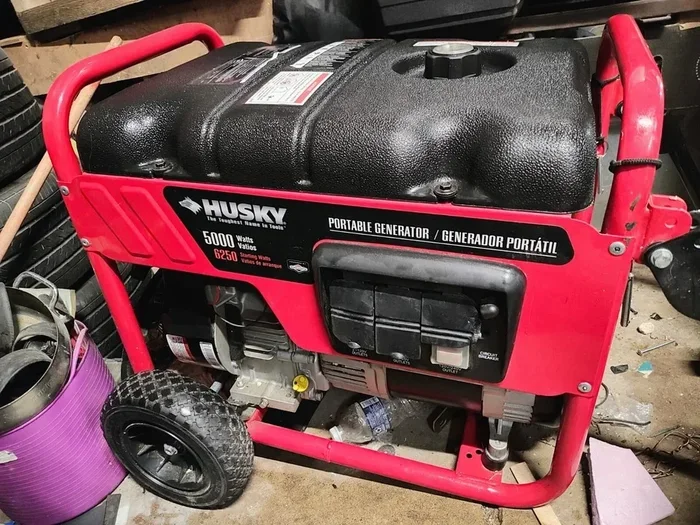
Husky 5000 Watt Generator Power Your Home with Ease
The husky 5000 watt generator is a reliable portable power solution for homes, RVs, and outdoor trips. It delivers enough wattage to run essential household appliances during outages. This guide covers everything you need to know, from fuel consumption to safety tips and buying advice.
A husky 5000 watt generator can be a real lifesaver. Whether you face frequent power outages or love camping in the wild, this machine delivers the power you need. It sits right in that sweet spot of being strong enough for essentials but not so big that it becomes a hassle to move.
Many homeowners search for a reliable portable generator that won’t break the bank. The husky 5000 watt model checks a lot of boxes. It offers solid wattage capacity, decent fuel tank size, and user-friendly features like electric start. In this guide, we will walk you through everything you need to know.
You will learn about the key features, how to size it for your home, fuel consumption details, and maintenance tips. By the end, you will know if this generator is the right fit for your power needs.
Key Takeaways
- Powerful Output: A 5000 watt generator handles most essential home appliances with room to spare.
- Portable and Convenient: The husky design is compact, making it easy to move and store.
- Fuel Efficient: Modern models offer good runtime per gallon of fuel.
- Safe to Use: Built-in safety features protect both the user and connected devices.
- Easy Maintenance: Simple upkeep keeps your generator running for years.
- Great Value: The husky brand offers solid performance at an affordable price point.
📑 Table of Contents
- What Is a Husky 5000 Watt Generator?
- Key Features of the Husky 5000 Watt Generator
- How to Use a Husky 5000 Watt Generator Safely
- Fuel Consumption and Runtime
- Maintenance Tips for Your Husky Generator
- Husky 5000 Watt Generator vs. Other Options
- Who Should Buy a Husky 5000 Watt Generator?
- Common Mistakes to Avoid
- Final Thoughts
What Is a Husky 5000 Watt Generator?
A husky 5000 watt generator is a portable power machine that produces up to 5000 watts of electricity. It uses gasoline or propane to run a small engine connected to an alternator. This setup converts mechanical energy into electrical power you can use at home or on the road.
The 5000 watt rating refers to the maximum power output. In real-world use, the running wattage is usually lower than the peak or surge wattage. Surge wattage is the extra boost of power the generator can deliver for a short time. This matters when you start heavy-duty appliances like refrigerators or air conditioners.
Why Choose a 5000 Watt Generator?
A 5000 watt portable generator hits a sweet spot for many households. It is not too small to be useless and not too big to be cumbersome. Here is why many people love this size:
- Enough Power: It can run a refrigerator, lights, fans, and a few smaller devices at the same time.
- Easy to Transport: Most models come with wheels and a handle. You can wheel it to where you need it.
- Affordable: 5000 watt generators cost less than larger standby units. They fit most budgets.
- Fuel Friendly: A smaller engine means less fuel burned per hour compared to bigger generators.
When you compare it to a whole-house backup generator, the husky 5000 watt model is much lighter and simpler. You do not need a professional installer. Just fill it up, pull the cord or hit the electric start, and you have power.
Key Features of the Husky 5000 Watt Generator
The husky brand builds generators with everyday users in mind. The 5000 watt model comes packed with features that make it practical and dependable. Let us look at what makes it stand out.
Engine and Power Output
The engine on a husky 5000 watt generator is typically a 4-stroke, single-cylinder design. It runs on regular gasoline, which you can buy at any gas station. The engine produces around 5000 starting watts and about 3500 to 4000 running watts.
This is enough to handle:
- A standard refrigerator (starts at around 1200 watts)
- Window air conditioning units (1000 to 1500 watts)
- Lights and fans for several rooms
- Phone chargers, laptops, and small electronics
- A sump pump for basement flooding protection
When you need to know what a generator can power, think about the total wattage capacity of your devices. Add up the running watts of everything you plan to use at once. Then add a buffer for any surge loads. The husky 5000 watt model gives you plenty of headroom.
Fuel Tank and Runtime
Fuel capacity is a big deal for any portable generator. The husky 5000 watt model usually has a tank that holds around 1 to 2 gallons. With a full tank, you can expect runtime of about 8 to 12 hours at 50% load. This is great for overnight use during a power outage.
If you are curious about how much fuel a generator uses, the husky 5000 watt model is quite efficient. It sips fuel when running lighter loads. For more detailed information on fuel use, you can check out our guide on how much propane a generator uses per hour to understand fuel consumption patterns across different generator sizes.
Electric Start and Control Panel
Older generators often require a pull cord to start. The husky 5000 watt model usually features an electric start button. This makes it incredibly easy to fire up, even on cold mornings. Just flip a switch or press a button, and the engine roars to life.
The control panel includes:
- Power outlets (usually 120V household plugs)
- A voltmeter to monitor output
- Fuel gauge
- Circuit breaker for overload protection
- Low oil shutoff sensor
These features make the husky generator safe and user-friendly. Even if you have never used a generator before, you can figure it out quickly.
Noise Level
Nobody wants a generator that sounds like a jet engine. The husky 5000 watt model is designed to be relatively quiet. Most units produce around 60 to 70 decibels under normal load. This is about as loud as a normal conversation. It will not disturb your neighbors or scare away wildlife on a camping trip.
If you want a truly quiet generator experience, look for models with inverter technology. These adjust engine speed based on the load, reducing noise and fuel use.
How to Use a Husky 5000 Watt Generator Safely
Generators are powerful tools, but they need to be used correctly. Safety should always come first. A husky 5000 watt generator can produce deadly carbon monoxide if used indoors. Follow these guidelines to stay safe.
Placement Rules
Always run your generator outside. Never use it in a garage, basement, or any enclosed space. Carbon monoxide is an invisible, odorless gas that can kill you in minutes. Here are the placement rules:
- Place the generator at least 20 feet away from your home.
- Point the exhaust away from windows and doors.
- Set it on a dry, level surface.
- Keep it away from rain and standing water.
Connecting to Your Home
If you want to power your house during an outage, you need a proper connection method. The safest way is to use a transfer switch. This device connects the generator to your home’s electrical panel without backfeeding power into the grid. For step-by-step guidance on setting this up, read our article on how to run a generator to your house.
Never plug a generator directly into a wall outlet. This is called backfeeding, and it is extremely dangerous. It can electrocute utility workers and damage your electrical system.
Overload Protection
The husky 5000 watt generator has a built-in circuit breaker. If you plug in too many devices and exceed the wattage limit, the breaker trips. This protects the generator and your appliances. If the breaker keeps tripping, unplug some devices and try again.
Fuel Consumption and Runtime
Understanding how much fuel your portable generator uses helps you plan for extended outages. The husky 5000 watt model runs on regular gasoline. Its fuel efficiency depends on the load you place on it.
| Load Level | Estimated Runtime | Fuel Used Per Hour |
|---|---|---|
| 25% Load (lights, phone charging) | 12+ hours | 0.3 to 0.5 gallons |
| 50% Load (fridge, fans, some lights) | 8 to 10 hours | 0.5 to 0.8 gallons |
| 75% Load (fridge, AC unit, tools) | 5 to 7 hours | 0.8 to 1.2 gallons |
| 100% Load (max capacity) | 3 to 5 hours | 1.2 to 1.5 gallons |
These numbers are estimates. Actual runtime varies based on temperature, altitude, and the condition of the generator. Always keep extra fuel on hand for extended outages.
If you are interested in comparing fuel use across different generator sizes, our article on what powers a generac home generator offers useful insights into how different generators handle household loads.
Maintenance Tips for Your Husky Generator
Keeping your husky 5000 watt generator in good shape ensures it starts when you need it most. Maintenance is simple and does not require a mechanic. Here is what you should do.
Regular Checkups
- Check the oil: Change it every 50 to 100 hours of use. Fresh oil keeps the engine running smoothly.
- Inspect the air filter: Clean or replace it when it looks dirty. A clogged filter reduces engine performance.
- Spark plug care: Check the spark plug every season. Clean the electrodes and gap it properly.
- Fuel stabilizer: If you store the generator for more than a month, add fuel stabilizer to prevent gum buildup.
- Run the generator monthly: Even if you do not need it, run it for 15 minutes once a month to keep things fresh.
Storage Tips
When the storm season ends, store your generator properly:
- Drain the fuel or add stabilizer.
- Store it in a dry, cool place.
- Cover it with a generator cover or tarp.
- Keep it away from children and pets.
Proper storage can extend the life of your generator by several years. A well-maintained unit can last 10 to 15 years or more with regular care.
Husky 5000 Watt Generator vs. Other Options
When shopping for a portable generator, you have many choices. Let us compare the husky 5000 watt model to a few alternatives.
Compared to Smaller Generators (2000-3000 Watts)
A smaller generator is lighter and cheaper, but it cannot power as many devices. A 3000 watt model might handle a fridge and a few lights. The husky 5000 watt model gives you more flexibility. You can run a window AC unit or a sump pump in addition to the basics.
Compared to Larger Generators (7000-10000 Watts)
Bigger generators can power your entire house, but they cost more and weigh much more. A 10000 watt unit might weigh over 200 pounds. The husky 5000 watt model is much easier to store and move. It is ideal for partial-home power during an outage.
If you want to learn about sizing a generator for specific household appliances, check out our guide on what size generator to run furnace and refrigerator. It helps you calculate your exact power needs.
Compared to Whole-House Standby Generators
Standby generators are permanent installations. They turn on automatically during a power outage. However, they cost several thousand dollars and require professional installation. The husky 5000 watt portable generator is a fraction of the price and works just as well for essential loads.
For information on how long generators last, see our article on how long a whole house generator lasts to understand the lifespan differences between portable and standby units.
Who Should Buy a Husky 5000 Watt Generator?
This generator is a great fit for many situations. Here are some examples of who benefits most:
- Homeowners in storm-prone areas: Keep your fridge running and lights on during blackouts.
- Campers and RV owners: Power your campsite appliances without hookups.
- DIY enthusiasts: Run power tools at job sites far from electrical outlets.
- Farm and property owners: Power fences, water pumps, and barn lights.
- Budget-conscious buyers: Get reliable power without spending a fortune on a standby unit.
If you need to power your entire home, a larger generator might be better. But for most households, the husky 5000 watt model covers all the essentials and then some.
Common Mistakes to Avoid
Even experienced users make mistakes with generators. Here are common errors and how to avoid them:
- Overloading the generator: Plugging in too many high-watt devices at once trips the breaker. Prioritize essential loads first.
- Running low on oil: Always check the oil level before starting. The low oil shutoff protects the engine, but running dry even once can cause damage.
- Using old gasoline: Gas goes stale after 30 days. Use fresh fuel or add a stabilizer.
- Ignoring the manual: Every generator is different. Read the owner’s manual to understand your specific model.
- Neglecting maintenance: Skipping oil changes and filter replacements shortens the generator’s life.
Final Thoughts
The husky 5000 watt generator is a smart choice for anyone who needs reliable, affordable backup power. It delivers enough wattage to run your essentials, it is easy to move, and it does not cost a fortune. Whether you face regular power outages or just want peace of mind for your next camping trip, this generator has you covered.
Take care of it, use it safely, and it will serve you well for many years. Start by figuring out your power needs, compare models, and make a confident purchase. With the right generator, you never have to fear the dark again.
Frequently Asked Questions
What can a husky 5000 watt generator power?
A husky 5000 watt generator can run a refrigerator, window AC unit, lights, fans, phone chargers, laptops, and a sump pump all at the same time. It is perfect for powering essential household appliances during a blackout or for use at a campsite.
How much fuel does a husky 5000 watt generator use?
Fuel use depends on the load. At 50% load, it uses about 0.5 to 0.8 gallons per hour. At full load, it uses around 1.2 to 1.5 gallons per hour. Always keep extra fuel stored safely for extended outages.
Is a husky 5000 watt generator loud?
Most models produce around 60 to 70 decibels, which is about as loud as a normal conversation. It is not whisper quiet, but it is not disruptive either. Placing it 20 feet from your home reduces noise even further.
Can I connect a husky generator directly to my home’s wiring?
No. Never plug a generator directly into a wall outlet. This is called backfeeding and it is extremely dangerous. Always use a transfer switch or a manual transfer panel installed by a qualified electrician.
How often should I maintain my husky generator?
Change the oil every 50 to 100 hours of use. Check the air filter monthly and clean it as needed. Inspect the spark plug each season. Run the generator for 15 minutes once a month even if you do not need it.
What is the difference between running watts and surge watts?
Running watts are the continuous power the generator produces. Surge watts are the extra power available for a few seconds to start heavy appliances like refrigerators. The husky 5000 watt generator has around 5000 surge watts and 3500 to 4000 running watts.