How Much Does It Really Cost to Install a Generator
So how much does it really cost to install a generator? The answer depends on the type of generator you choose, your home’s electrical setup, and local labor rates. On average, homeowners spend between $500 and $15,000, with most falling in the $3,000 to $8,000 range. This guide breaks down every cost factor so you can budget with confidence and avoid surprise expenses.
Thinking about getting a backup power source for your home? You are not alone. Power outages are becoming more common, and homeowners everywhere are looking for reliable ways to keep their lights on. But one question keeps popping up: how much does it really cost to install a generator?
The truth is, there is no single price tag. The generator installation cost can swing wildly depending on the type of generator, your home’s electrical system, and where you live. Some people spend a few hundred dollars. Others shell out over ten thousand. This guide will walk you through every cost factor so you know exactly what to expect.
Whether you need a small portable unit for camping or a whole-house standby system for emergencies, we have got you covered. Let us break down the real numbers and help you make a smart decision.
Key Takeaways
- Generator installation costs range widely: from $500 for portable units to $15,000 for whole-house standby systems.
- Fuel type and size are the biggest factors that drive up or lower your total generator installation cost.
- Hiring a licensed electrician is almost always necessary and adds $500 to $3,000 to the project.
- Hidden costs like transfer switches, concrete pads, and permit fees can add hundreds to your bill.
- DIY installation saves money but is only safe for portable generators under 5,000 watts.
- Timing your purchase during off-season months can save you up to 20% on generator setup costs.
📑 Table of Contents
- What Affects the Cost to Install a Generator
- Types of Generators and Their Installation Costs
- The Installation Process: What to Expect
- DIY vs Professional Installation
- How to Save Money on Generator Installation
- Common Mistakes That Increase Generator Installation Cost
- Is Installing a Generator Worth the Cost?
What Affects the Cost to Install a Generator
Before you get quotes from electricians, it helps to understand what drives the price. Several key factors influence how much to install a generator in your home. Let us look at each one closely.
Generator Type and Size
The type of generator you choose is the single biggest cost factor. A small portable generator costs far less to set up than a large standby unit. Here is a quick look at the main categories:
- Portable generators: These run from $300 to $2,500 for the unit itself. Installation is simple and usually costs between $200 and $800.
- Inverter generators: Slightly more expensive but quieter and more fuel-efficient. Setup costs run $400 to $1,200.
- Standby generators: These are the big ones. They cost $2,000 to $10,000 for the unit, with installation running $3,000 to $15,000 total.
- Whole-house generators: The premium option. These can cost $10,000 to $20,000 or more, fully installed.
As you can see, the bigger the generator, the higher the generator installation cost. But bigger also means more power when you need it most.
Fuel Type
Generators run on different fuels, and each has its own cost implications. Propane generators are popular because the fuel is clean-burning and widely available. Natural gas units connect directly to your home’s gas line, which is convenient. Diesel generators are rugged and long-lasting but tend to cost more upfront. Gasoline is the cheapest fuel but less ideal for standby systems.
Your choice of fuel affects not only the generator price but also the complexity of setup. For example, connecting a natural gas line requires a licensed plumber in many areas, which adds to the generator setup cost.
Electrical Panel and Wiring Needs
This is where costs can surprise people. If your home has an older electrical panel, you may need an upgrade before the generator can be installed safely. A panel upgrade can add $1,500 to $4,000 to the project. Similarly, if your home’s wiring is outdated, you might need partial rewiring to support the generator.
The transfer switch is another critical component. This device safely connects your generator to your home’s electrical system. Manual transfer switches cost $300 to $800. Automatic transfer switches run $800 to $2,500, but they are essential for standby generators.
Location and Local Labor Rates
Where you live matters a lot. Generator installation cost in a major city can be 30% to 50% higher than in a rural area. Labor rates vary by region, and so do permit fees. Some areas have strict building codes for generator installations, which can add time and money to the project.
It is always a good idea to get at least three quotes from local electricians. This gives you a realistic picture of the generator installation cost in your specific area.
Permits and Inspections
Most cities require a generator permit before installation. Permit fees typically range from $50 to $300. After installation, a local inspector may need to sign off on the work. This ensures your generator setup meets safety codes and will not create hazards for your neighborhood.
Do not skip this step. Working without a permit can lead to fines and problems when you try to sell your home. A proper generator permit protects you and your investment.
Types of Generators and Their Installation Costs
Now that you understand the factors, let us look at real-world cost ranges for each type of generator. These numbers will help you set a realistic budget for your project.
Portable Generator Installation
Portable generators are the most affordable option for backup power. They typically produce between 1,000 and 10,000 watts. Most homeowners use them for essentials like refrigerators, lights, and phone chargers during a power outage.
The generator installation cost for a portable unit is usually on the lower end. You can expect to pay $200 to $800 for professional setup. Many people also choose a simpler approach. They place the generator outside and use heavy-duty extension cords to power devices indoors. This DIY method costs almost nothing beyond the unit itself.
However, there is an important safety note. Never run a portable generator inside your home or garage. Carbon monoxide from the exhaust can be deadly within minutes. Always place the unit at least 20 feet from your house with the exhaust pointing away from windows and doors.
Standby Generator Installation
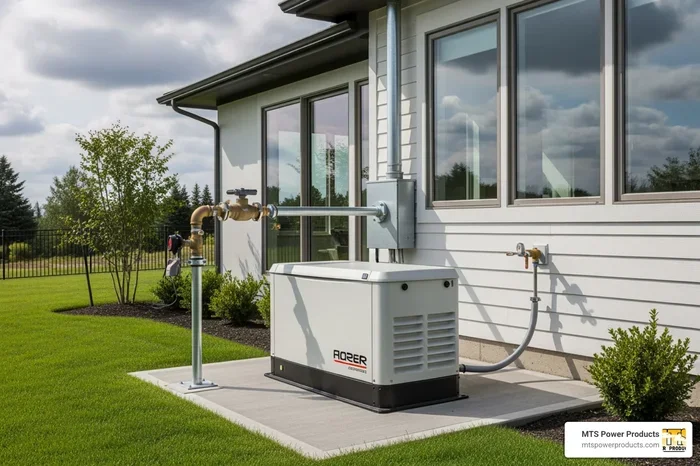
Standby generators are the go-to choice for whole-home backup. They sit outside your house and kick in automatically when the power goes out. Most standby units run on natural gas or propane and produce between 7,000 and 24,000 watts.
The total cost to install a standby generator includes several components:
- Generator unit: $2,000 to $6,000
- Concrete pad: $200 to $600
- Transfer switch: $800 to $2,500
- Electrical wiring and labor: $1,500 to $4,000
- Permits and inspections: $50 to $300
All together, the generator installation cost for a standby system typically falls between $4,000 and $12,000. The exact number depends on your home’s size, your electrical panel, and the generator capacity you need.
Whole-House Generator Installation
Whole-house generators are the heavy-duty option. They can power everything in your home, including central air conditioning, electric stoves, and multiple HVAC zones. These units typically cost $10,000 to $20,000 or more, fully installed.
The installation process for whole-house generators is more complex. It often requires a dedicated gas line, a larger concrete pad, and extensive wiring. You may also need a higher-capacity electrical panel, which adds significantly to the generator setup cost.
Many homeowners in areas prone to severe weather view this as a worthwhile investment. A whole-house generator keeps your family comfortable and safe during extended power outages. It can also prevent costly damage to appliances and electronics.
The Installation Process: What to Expect
Understanding the installation process helps you know what you are paying for. Here is a step-by-step look at what a typical generator setup involves.
Step 1: Site Assessment and Planning
A licensed electrician or generator installer will visit your home to assess the situation. They check your electrical panel, fuel source availability, and the best location for the unit. They also review local building codes and permit requirements. This step usually takes one to two hours and may cost $100 to $300, though many companies waive this fee if you proceed with the installation.
Step 2: Preparing the Installation Site
The installer prepares the site by setting up a concrete pad or concrete slab for the generator to sit on. This ensures stability and proper drainage. The pad costs between $200 and $600, depending on size and local concrete prices. In some cases, the generator comes on a pre-built pad, which can save you money.
Step 3: Fuel Line and Electrical Connections
This is the most labor-intensive part of the process. The installer connects the fuel line from your home’s gas supply or propane tank to the generator. They also run the electrical wiring from the generator to your home’s electrical panel through the transfer switch. For standby and whole-house units, this step can take several hours and requires specialized skills.
Step 4: Testing and Commissioning
Once everything is connected, the installer tests the generator. They verify that it starts automatically during a simulated power outage. They check the transfer switch to make sure it safely disconnects your home from the grid and connects it to the generator. This testing phase usually takes one to two hours and is included in most installation quotes.
Step 5: Inspection and Permit Approval
In most areas, a local inspector will visit to approve the installation. They check for proper venting, electrical safety, and code compliance. Once the inspector signs off, you are all set. This final step ensures your home backup power system is safe and legal.
DIY vs Professional Installation
Can you save money by installing a generator yourself? The answer depends on the type of generator and your skill level. Let us compare both options honestly.
When DIY Makes Sense
Portable generators under 5,000 watts are the only units suitable for DIY setup in most cases. You simply place the unit outside, connect it to heavy-duty extension cords, and fuel it up. The generator installation cost for a DIY portable setup is essentially just the price of the unit.
However, you still need to follow safety rules. Place the generator at least 20 feet from your home. Never plug it directly into a wall outlet. This practice, known as backfeeding, is dangerous and illegal in many areas because it can electrocute utility workers.
When to Hire a Professional
For standby and whole-house generators, professional installation is not optional. It is a safety requirement. These systems involve high-voltage electrical work, gas line connections, and complex transfer switches. A mistake can damage your home, your appliances, or even endanger lives.
Hiring a licensed electrician also ensures your installation passes inspection. Most reputable installers offer warranties on their work, which gives you peace of mind. The professional generator installation cost is higher upfront, but it saves you from expensive repairs and safety hazards down the road.
Here is a quick comparison to help you decide:
- DIY portable setup: $0 in labor, but requires strict safety precautions and extension cords.
- Professional portable setup: $200 to $800 for labor, with proper placement and safety compliance.
- Professional standby installation: $3,000 to $12,000 total, including all components, labor, and permits.
- Professional whole-house installation: $10,000 to $20,000+ total, with full-home coverage and automatic operation.
How to Save Money on Generator Installation
Installing a generator is a significant investment, but there are smart ways to reduce the generator installation cost without cutting corners on safety.
Buy During Off-Season
Generator prices tend to drop in late fall and winter when demand is lower. If you buy and install during these months, you can save 10% to 20% on the unit and sometimes on labor too. Many electricians and installers offer discounts during their slow season.
Get Multiple Quotes
Always get at least three detailed quotes from licensed electricians in your area. Compare not just the total price but also what is included. Some quotes cover the concrete pad, while others do not. Some include the transfer switch, and others list it as a separate charge. Reading the fine print helps you avoid surprise generator installation cost surprises.
Choose the Right Size
It is tempting to buy the biggest generator you can afford, but oversized units cost more to install and run. A qualified electrician can help you calculate your actual power needs. They will add up the essential circuits and recommend a unit that fits your budget without wasting money on unused capacity.
Check for Rebates and Incentives
Many utility companies offer rebates for installing standby generators. These programs help reduce strain on the electrical grid during peak demand. Check with your local utility provider and your state energy office. You may also qualify for federal or state tax credits for home backup power systems, especially if you choose a propane or natural gas model.
Maintain Your Generator Properly
Regular maintenance keeps your generator running efficiently and extends its lifespan. Change the oil, replace filters, and test the unit quarterly. A well-maintained generator also holds its resale value better if you ever decide to upgrade. Think of maintenance as a way to protect your generator installation cost investment over the long term.
Common Mistakes That Increase Generator Installation Cost
Avoiding common pitfalls can save you hundreds or even thousands of dollars. Here are the mistakes homeowners make most often when budgeting for generator setup.
Underestimating the total cost. Many people focus only on the generator unit price and forget about labor, permits, and electrical upgrades. Always budget for the full generator installation cost, not just the equipment.
Choosing the wrong fuel type. Switching fuel sources mid-project is expensive. Decide on propane, natural gas, or diesel before you start, and make sure your home supports it.
Skipping the transfer switch. Some homeowners try to skip the transfer switch to save money. This is a serious safety risk and can violate local codes. Always include a transfer switch in your budget.
Ignoring local codes. Every area has different rules for generator installations. Failing to follow them can result in fines, forced removal, or insurance problems. Do your research or hire a local expert who knows the codes.
Delaying maintenance. A generator that sits unused for months may fail when you need it most. Regular testing and maintenance prevent costly emergency repairs and extend the life of your investment.
Is Installing a Generator Worth the Cost?
The generator installation cost can feel steep at first glance. But when you consider the value it provides, the investment makes a lot of sense. A standby generator keeps your refrigerator running, your heating or cooling system working, and your security systems active during a power outage. For families with medical equipment, it can be truly life-saving.
Homeowners in storm-prone areas, rural locations with frequent outages, or homes with valuable electronics benefit the most from generator backup. The peace of mind alone is worth the cost for many people. You can sleep soundly knowing your family is safe and comfortable, no matter what happens to the power grid.
If you are still on the fence, consider this: the average cost of food spoilage during a single extended outage can exceed $500. Add in the discomfort of a cold or hot house, and a generator pays for itself quickly. Over time, a well-chosen generator is one of the smartest home investments you can make.
Start by assessing your power needs and getting a few quotes from qualified electricians near you. Compare the generator installation cost against the value it brings to your daily life. You will find that with the right planning and professional help, the process is smoother and more affordable than you might expect.
The bottom line is clear. Understanding the real cost to install a generator empowers you to make the best decision for your home and your family. Do your homework, plan your budget carefully, and invest in a reliable backup power solution that will serve you for years to come.
Frequently Asked Questions
What is the average cost to install a generator?
The average generator installation cost ranges from $500 for a portable unit to $12,000 for a standby system. Most homeowners spend between $3,000 and $8,000 for a professionally installed standby generator. Your exact cost depends on the generator type, size, fuel source, and your home’s electrical setup.
Can I install a generator myself to save money?
You can install a portable generator yourself, but standby and whole-house generators require professional installation. These systems involve high-voltage wiring, gas line connections, and transfer switches that must meet local codes. Improper installation is dangerous and can void your warranty.
How long does generator installation take?
A typical standby generator installation takes one to three days. The timeline depends on the complexity of the job, your home’s electrical system, and whether any upgrades are needed. Portable generators can be set up in a single afternoon if you go the DIY route.
Do I need a permit to install a generator?
Yes, most cities and municipalities require a generator permit before installation. Permit fees typically range from $50 to $300. The permit ensures your installation meets safety codes and protects you from fines or insurance issues later on.
What is a transfer switch and do I need one?
A transfer switch safely connects your generator to your home’s electrical panel. It prevents backfeeding, which can electrocute utility workers. You need a transfer switch for any permanently installed generator. Manual switches cost $300 to $800, while automatic switches run $800 to $2,500.
How much does it cost to install a whole-house generator?
Whole-house generator installation costs typically range from $10,000 to $20,000 or more. The price includes the generator unit, a concrete pad, fuel line connections, electrical wiring, a transfer switch, permits, and labor. Larger homes with higher power needs will be on the upper end of that range.
=== CONCLUSION ===
The cost to install a generator varies widely, but with the right information, you can plan confidently. From portable units that cost a few hundred dollars to whole-house standby systems that run into the thousands, there is a generator solution for every budget and every home. The key is understanding what drives the generator installation cost and planning for all the expenses, not just the unit itself.
Remember to factor in labor, permits, fuel type, electrical upgrades, and ongoing maintenance when you set your budget. Get multiple quotes from licensed professionals and never cut corners on safety. A properly installed generator is an investment in your home, your comfort, and your family’s safety.
Now that you know how much it really costs to install a generator, you are ready to take the next step. Assess your power needs, explore your options, and connect with a trusted local installer. Your path to reliable backup power starts with a single informed decision.