Electronic Repair Tool Kit Essentials You Will Love
An electronic repair tool kit gives you everything you need to fix phones, laptops, and other gadgets at home. Whether you are a beginner or a seasoned DIYer, having the right tools saves time, money, and frustration. This guide covers all the essential items, top-rated kits, and practical tips to help you choose the perfect setup. You will learn what to look for, what to avoid, and how to build a kit that actually works. Let us dive into the world of electronic repair tools and get you started on your next project.
Have you ever wanted to fix a broken phone screen or replace a faulty charging port on your laptop? The right electronic repair tool kit makes all the difference. Instead of paying a repair shop hundreds of dollars, you can handle common fixes yourself at home. A good kit gives you the confidence and capability to tackle a wide range of repair jobs. In this guide, we will walk you through everything you need to know about electronic repair tools and how to pick the best kit for your needs.
Whether you are a hobbyist, a student learning about electronics, or someone who just wants to save money on repairs, this article has you covered. We will break down the essential tools, compare top kits, and share tips that experienced repairers wish they had learned sooner. By the end, you will know exactly what to look for and how to build a setup that works for you.
Key Takeaways
- Quality matters: A well-built electronic repair tool kit with durable tools prevents damage and frustration during repairs.
- Start with the basics: A precision screwdriver set, multimeter, soldering iron, and anti-static wrist strap form the foundation of any repair setup.
- Match the kit to your needs: Different kits serve different purposes, from smartphone repair to circuit board work.
- Avoid common mistakes: Skipping anti-static protection and buying cheap, flimsy tools are the biggest errors beginners make.
- Expand over time: Start with a starter kit and add specialized tools as your skills and projects grow.
- Read reviews carefully: User feedback and expert ratings help you find the best value and reliability.
📑 Table of Contents
- What Is an Electronic Repair Tool Kit?
- Essential Tools in Every Electronic Repair Tool Kit
- Comparison of Top Electronic Repair Tool Kits
- How to Choose the Right Electronic Repair Tool Kit
- Common Mistakes to Avoid When Using an Electronic Repair Tool Kit
- Quick Tips for Getting the Most from Your Repair Kit
- Building Your Electronic Repair Skills Over Time
- Conclusion
What Is an Electronic Repair Tool Kit?
An electronic repair tool kit is a collection of tools designed specifically for fixing and maintaining electronic devices. These kits come in different sizes and configurations, from basic starter sets to professional-grade packages. The tools inside help you open devices, diagnose problems, solder connections, and replace damaged parts safely.
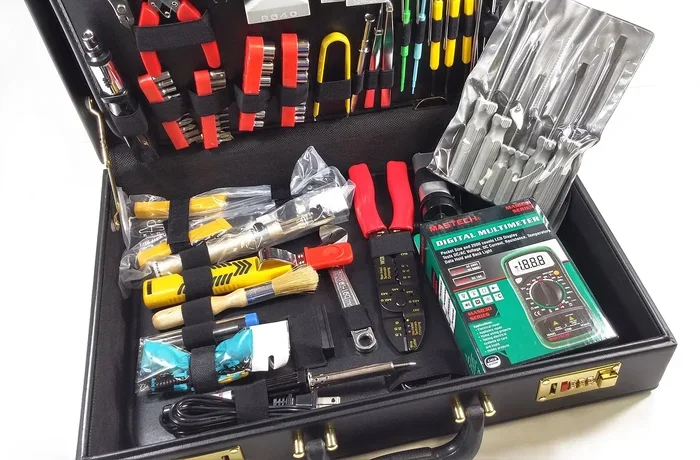
Most kits include a precision screwdriver set, tweezers, and a multimeter as the core items. Higher-end kits add soldering stations, desoldering pumps, and anti-static wrist straps. The beauty of a repair kit for electronics is that you get everything in one organized package, often with a carrying case to keep things tidy.
These kits are used for fixing smartphones, tablets, laptops, gaming consoles, and even home appliances. With the right electronic repair tools in hand, you can save hundreds of dollars each year on professional repair costs.
Why Buy a Kit Instead of Individual Tools?
Buying individual tools can add up fast. A single quality soldering iron might cost $30, and a good multimeter another $40. When you add precision screwdrivers, tweezers, and other accessories, the total cost can easily exceed $150. A portable tool kit bundles all these items together at a lower price point.
Kits also ensure compatibility. The screwdrivers in a well-designed repair kit for electronics are sized correctly for the screws found in popular devices. You avoid the frustration of stripping screws because the driver bit was too big or too small.
Essential Tools in Every Electronic Repair Tool Kit
Not all kits are created equal. Some include dozens of tools, while others focus on the bare essentials. Understanding what each tool does helps you choose wisely and avoid buying unnecessary extras.
Precision Screwdriver Set
The precision screwdriver set is the backbone of any electronic repair tool kit. Electronic devices use tiny screws with different head types, including Phillips, Torx, pentalobe, and hex. A quality set includes dozens of bits in various sizes, all made from hardened steel that resists stripping.
Look for kits that include magnetic tips. Magnets help hold screws in place while you work, preventing them from falling into the device. This small feature makes a huge difference when you are working inside a smartphone or smartwatch.
Multimeter
A multimeter measures voltage, current, and resistance. It is one of the most important electronic repair tools for diagnosing problems. When a device will not turn on, a multimeter tells you whether the battery is dead, a fuse has blown, or a connection is broken.
Digital multimeters are easier to read and more accurate than analog ones. Most repair kits include a basic digital multimeter that works perfectly for everyday tasks. If you plan to do advanced circuit board repair, consider a kit with a more advanced model.
Soldering Iron and Desoldering Tools
Soldering is the process of joining metal connections using melted solder. A soldering iron is essential for replacing connectors, switches, and other components on a circuit board. For beginners, a simple 60-watt iron with a fine tip works great for most electronic components.
A desoldering pump or solder wick helps you remove old solder when replacing parts. These tools are especially useful when you need to take out a damaged component without damaging the surrounding board. Some electronic repair tool kit options include a flux pen as well, which improves solder flow and creates stronger joints.
Anti-Static Wrist Strap
Static electricity can destroy sensitive electronic parts without you even noticing. An anti-static wrist strap grounds you while you work, preventing static discharge from damaging electronic components. This is a non-negotiable tool for anyone doing circuit board repair or working with exposed chips.
Always wear the strap when handling motherboards, memory chips, or processors. It is a simple step that prevents costly mistakes and keeps your DIY electronics repair projects safe.
Tweezers and Helping Hands
Tweezers are indispensable for handling tiny screws, connectors, and components. Look for anti-static tweezers with fine, pointed tips. They give you the control needed to place small parts exactly where they belong.
A helping hands tool holds components steady while you solder or test them. It typically includes adjustable clips and sometimes a magnifying glass. This setup frees up both hands and keeps your work area organized. For detailed electronic repair tools work, a helping hands stand is a game-changer.
Magnifying Glass or Headlamp
Many electronic repairs involve tiny parts that are hard to see with the naked eye. A magnifying glass or a headlamp with adjustable brightness helps you inspect solder joints, read tiny labels on electronic components, and spot cracks on a circuit board. Some kits include a clip-on magnifier, while others offer a standalone illuminated magnifying stand.
Other Useful Additions
Beyond the core tools, a few extras round out a great electronic repair tool kit:
- Wire stripper for preparing wires during soldering jobs
- Heat shrink tubing to insulate and protect repaired connections
- Plastic spudgers for safely opening device housings without scratching
- Cleaning brush to remove dust and debris from circuit boards
- Replacement parts tray to organize screws and small components during disassembly
Comparison of Top Electronic Repair Tool Kits
With so many options on the market, choosing the right electronic repair tool kit can feel overwhelming. To help you decide, here is a comparison of some of the most popular kits available.
| Kit Name | Number of Tools | Soldering Included | Best For | Price Range |
|---|---|---|---|---|
| Basic Starter Kit | 26-40 | No | Beginners and simple fixes | $20-$40 |
| Intermediate Pro Kit | 60-80 | Yes (basic iron) | Smartphone and tablet repair | $50-$90 |
| Advanced Master Kit | 100+ | Yes (professional station) | Professional and heavy-duty repair | $100-$250 |
| Portable Field Kit | 15-25 | No | On-the-go troubleshooting | $25-$50 |
The best kit depends on your skill level and what you plan to repair. A starter kit is perfect if you are just getting into DIY electronics repair. If you regularly fix smartphones or laptops, an intermediate kit with a soldering iron and desoldering pump gives you much more capability.
How to Choose the Right Electronic Repair Tool Kit
Choosing the right electronic repair tool kit comes down to understanding your needs, your budget, and the types of devices you want to fix. Here are the key factors to consider before making a purchase.
Consider the Types of Devices You Repair
If you mainly fix smartphones, look for a kit with a comprehensive precision screwdriver set that includes pentalobe and Torx bits. These are the most common screw types found in phones and tablets. If you work on older game consoles or desktop computers, you may need larger screwdrivers and different bit types.
Think about the scope of your repair kit for electronics. A kit designed for phone repair will differ from one built for circuit board repair or appliance troubleshooting. Matching the kit to your primary use case ensures you get the tools you will actually use.
Check Tool Quality and Material
Not all electronic repair tools are built the same. Cheap tools made from low-grade steel bend, strip, and break easily. Look for kits that advertise hardened steel or S2 steel bits for the screwdrivers. For soldering irons, check the wattage and temperature control features. A soldering iron with adjustable temperature gives you more control and prevents damage to sensitive parts.
Evaluate the Carrying Case and Organization
A good portable tool kit comes with a sturdy case that keeps everything organized. Foam-lined cases with custom cutouts prevent tools from rattling around and getting damaged. Look for kits with labeled compartments so you can find what you need quickly. A well-organized case also makes your electronic repair tool kit feel professional and ready for any job.
Read Reviews and Check Warranty
Before buying, read user reviews to learn about real-world performance. Pay attention to comments about durability, comfort, and whether the tools hold up over time. Kits from reputable brands often come with warranties that replace defective items at no cost. A warranty signals that the manufacturer stands behind the quality of their electronic repair tools.
Expert Insight: What Professionals Look For
Experienced repair technicians emphasize three things when choosing a kit: bit quality, ergonomics, and completeness. They recommend spending a little more on a kit with better-made screwdrivers because stripped screws cause the most common repair headaches. Comfort matters too, since you may use the kit for hours at a time. Finally, professionals prefer kits that include everything they need so they do not have to buy individual tools separately.
Common Mistakes to Avoid When Using an Electronic Repair Tool Kit
Even with the best electronic repair tool kit, mistakes happen. Knowing what to avoid saves you time, money, and damaged devices.
Skipping Anti-Static Protection
The most common mistake beginners make is not using an anti-static wrist strap. Static electricity that you cannot even feel can fry a microchip or damage a circuit board. Always ground yourself before touching sensitive components. This single habit protects your device and your investment in quality electronic repair tools.
Using the Wrong Screwdriver Size
Forcing a screwdriver that does not fit properly strips the screw head. Once a screw is stripped, it becomes much harder to remove and may require special extraction tools. Always select the correct bit size from your precision screwdriver set and apply gentle, steady pressure.
Overheating Solder Joints
Leaving a soldering iron on a connection too long can damage the circuit board or lift the copper traces. Heat the joint for no more than three to five seconds, then apply fresh solder. If you are unsure, practice on scrap boards before working on your actual device.
Ignoring Tool Maintenance
Dirty or dull tools lead to poor results. Clean your tweezers and screwdriver tips regularly. Replace worn bits before they cause damage. A well-maintained electronic repair tool kit lasts for years and performs better every time you use it.
Quick Tips for Getting the Most from Your Repair Kit
Getting the most out of your electronic repair tool kit is easier than you think. Here are some quick tips that make a big difference:
- Organize your workspace before starting any repair. A clean, well-lit area prevents lost screws and accidental damage.
- Take photos as you disassemble a device. These pictures help you remember where each cable and screw goes during reassembly.
- Use a magnetic mat to keep screws organized by size and location. This simple trick saves enormous time when putting a device back together.
- Practice soldering on old circuit boards before attempting repairs on valuable devices. Building muscle memory reduces mistakes.
- Keep a small notebook with notes on each repair. Recording what worked and what did not helps you improve over time.
- Invest in one high-quality tool at a time if a full kit is too expensive upfront. A great precision screwdriver set alone can handle many common repairs.
Quick Tips Box
- Always ground yourself with an anti-static wrist strap before touching internal components
- Keep a damp sponge nearby to clean your soldering iron tip between joints
- Store your electronic repair tools in a dry, dust-free case to prevent corrosion
- Label your precision screwdriver set bits so you can find the right one fast
- Test your multimeter on a known power source before trusting its readings
Building Your Electronic Repair Skills Over Time
Using an electronic repair tool kit is just the first step. Building real repair skills takes practice and patience. Start with simple jobs like replacing a phone charging port or cleaning corroded battery contacts. As your confidence grows, move on to more complex tasks like circuit board repair or replacing capacitors on a motherboard.
Online tutorials and repair forums are excellent resources for learning new techniques. Many skilled repairers share step-by-step guides for specific devices and problems. Watching someone else perform a repair before you try it yourself builds understanding and reduces the learning curve.
Over time, you will develop an intuition for troubleshooting. You will learn to read circuit board layouts, identify faulty electronic components by sight, and diagnose problems with your multimeter quickly. This knowledge is incredibly valuable and can even turn into a side business or full-time career.
The right repair kit for electronics empowers you to take control of your devices. Instead of waiting days for a repair shop appointment, you can fix things immediately. The satisfaction of solving a problem with your own hands is one of the best parts of DIY electronics repair.
Conclusion
A quality electronic repair tool kit is one of the smartest investments you can make for your gadgets and devices. With the right set of electronic repair tools, you can fix common problems, save money, and gain valuable skills that last a lifetime. From precision screwdrivers to a reliable multimeter and a quality soldering iron, the tools covered in this guide form the foundation of any successful repair setup.
Remember to start with a kit that matches your skill level and repair goals. Avoid common mistakes like skipping anti-static protection and using low-quality tools. As your confidence grows, expand your electronic repair tool kit with specialized additions like heat shrink tubing, a flux pen, or a professional helping hands setup.
The world of DIY electronics repair is rewarding, practical, and surprisingly fun. Pick up your electronic repair tool kit today and start fixing what others would throw away. You will be amazed at what you can accomplish with the right tools and a little determination.
Frequently Asked Questions
What should I look for in an electronic repair tool kit?
Look for a kit that includes a precision screwdriver set, multimeter, soldering iron, and anti-static wrist strap. Check the quality of the materials, the number of tools included, and whether the kit comes with a durable carrying case. Reading user reviews helps you find a repair kit for electronics that balances quality and value.
Can beginners use an electronic repair tool kit effectively?
Absolutely. Many electronic repair tool kit options are designed specifically for beginners. Starter kits include the essential electronic repair tools with clear instructions and basic components. Start with simple repairs like replacing a phone charging port, and gradually take on more complex projects as your confidence grows.
How much should I spend on an electronic repair tool kit?
Basic starter kits cost between $20 and $40 and include the core tools needed for simple repairs. Intermediate kits with a soldering iron range from $50 to $90. Professional-grade kits with advanced features can cost $100 or more. Choose a kit that fits your budget and the types of repairs you plan to do.
Is soldering necessary for basic electronic repairs?
Not all repairs require soldering. Many fixes involve only replacing screws, cables, or screens. However, a soldering iron becomes essential for tasks like replacing connectors, repairing circuit boards, or replacing small electronic components. A repair kit for electronics that includes a basic soldering setup gives you much more versatility.
How do I maintain my electronic repair tools?
Keep your precision screwdriver set clean and store it in its case after each use. Wipe down your soldering iron tip with a damp sponge to remove excess solder. Store tweezers and other small tools in labeled compartments to prevent loss. Regular maintenance keeps your electronic repair tools performing at their best for years.
Can I use an electronic repair tool kit for appliance repairs?
Yes, many electronic repair tool kit sets work well for small appliance repairs. The precision screwdriver set and multimeter are useful for opening and diagnosing issues in microwaves, toasters, and coffee makers. However, always unplug appliances before opening them, and be aware of dangerous voltage levels inside large devices.
=== META TITLE ===
Electronic Repair Tool Kit – Must-Have Essentials
=== URL SLUG ===
electronic-repair-tool-kit-essentials
=== SEO TITLE ===
Electronic Repair Tool Kit Essentials You Will Love
=== LSI KEYWORDS USED ===
soldering iron, multimeter, precision screwdriver set, anti-static wrist strap, tweezers, wire stripper, desoldering pump, electronic repair tools, circuit board repair, repair kit for electronics, hex driver bits, helping hands, magnifying glass, heat shrink tubing, flux pen, electronic components, troubleshooting electronics, DIY electronics repair, portable tool kit, repair essentials