Ac Compressor Failure Signs You Should Never Ignore
Knowing the ac compressor failure signs early can save you hundreds in repair costs and keep your home cool all summer long. This guide covers the most common symptoms, causes, and fixes for a failing air conditioning compressor. Whether you hear strange noises or notice warm air, understanding these warning signals helps you act fast and avoid a complete system breakdown.
Your air conditioner works hard to keep your home comfortable, especially during the hottest months of the year. At the heart of that system sits the ac compressor. This small but powerful component is responsible for moving refrigerant through your unit and making cool air possible. When it starts to fail, the whole system suffers.
Many homeowners ignore early warning signs until the damage becomes severe. By that point, ac compressor repair costs can skyrocket, or you may need a full ac compressor replacement. Learning to recognize the ac compressor failure signs early gives you a huge advantage. It helps you save money, avoid discomfort, and keep your cooling system running smoothly for years to come.
In this guide, we will walk you through every major ac compressor symptom you should watch for. We will cover the most common causes of ac compressor failure, what you can do to prevent problems, and when it is time to call in a professional. Whether you are dealing with a noisy unit or warm air blowing from your vents, this article has the answers you need.
Key Takeaways
- Strange noises from the AC unit are often the first ac compressor failure sign you will notice.
- Warm air from vents means your compressor may not be pumping refrigerant properly.
- Frequent short cycling points to overheating or electrical problems inside the compressor.
- Regular maintenance can extend your ac compressor lifespan by several years.
- Replacing a compressor is expensive, so early detection of ac compressor symptoms saves money.
- Call a professional if you notice refrigerant leaks or burning smells near the unit.
📑 Table of Contents
- What Is an AC Compressor and Why Does It Matter?
- Top AC Compressor Failure Signs You Should Never Ignore
- Common Causes of AC Compressor Failure
- AC Compressor Repair vs Replacement: What You Need to Know
- How to Prevent AC Compressor Failure
- When to Call a Professional for AC Compressor Issues
- Expert Insights on AC Compressor Longevity
- Key Takeaways
- Conclusion
What Is an AC Compressor and Why Does It Matter?
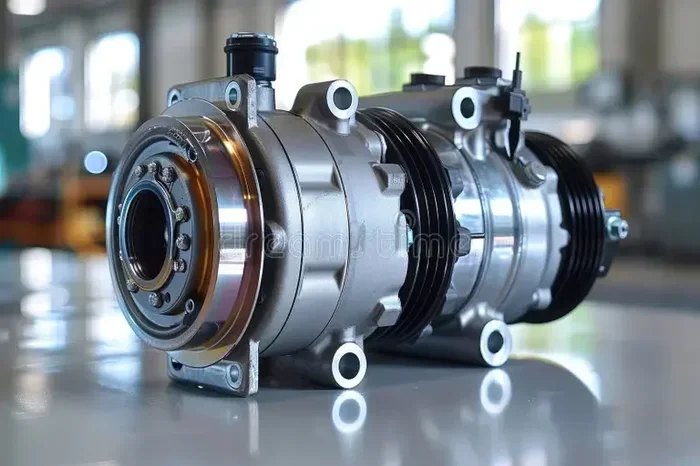
The ac compressor is often called the heart of your air conditioning system. It sits in the outdoor unit and plays a critical role in the cooling process. Without a working compressor, your AC cannot produce cold air. It really is that simple.
Here is how it works in basic terms. The compressor takes in warm refrigerant gas from inside your home. It then compresses that gas, raising its temperature and pressure. The hot gas moves to the outdoor coil, where it releases heat and turns back into a liquid. That liquid refrigerant then flows back inside to absorb more heat from your home. This cycle repeats over and over to keep your indoor space cool.
When the ac compressor clutch or motor starts to wear down, this cycle breaks down. Your system may still run, but it will not cool effectively. Understanding this basic process helps you see why paying attention to ac compressor symptoms matters so much. A small problem today can turn into a big and expensive issue tomorrow.
Top AC Compressor Failure Signs You Should Never Ignore
Your air conditioner will usually give you plenty of warning before a complete breakdown. The key is knowing what to look for. Below are the most common ac compressor failure signs that every homeowner should recognize.
1. Warm Air Coming From the Vents
This is one of the most obvious ac compressor symptoms. If your system is running but blowing warm or lukewarm air, the compressor may not be doing its job. It could be failing to compress the refrigerant properly, which means no cooling is happening.
Before you panic, check a few things first. Make sure your thermostat is set to cool and the temperature is lower than the room temperature. Also check if your air filter is dirty. A clogged filter can sometimes mimic compressor problems. But if everything else checks out and you still feel warm air, it is time to investigate the ac compressor more closely.
2. Strange Noises From the Outdoor Unit
A healthy AC unit makes some noise, but it should not sound alarming. If you hear grinding, screeching, or loud buzzing coming from the outdoor unit, do not ignore it. These sounds often point to ac compressor failure or internal damage.
A grinding noise might mean the ac compressor clutch is wearing out. A buzzing sound could indicate an electrical problem or loose parts. Some homeowners describe a clicking noise that gets louder over time. All of these are red flags that deserve immediate attention. The longer you wait, the worse the damage can become.
3. Frequent Short Cycling
Short cycling means your AC turns on and off more often than it should. A normal cooling cycle should last at least 15 to 20 minutes. If your system is shutting off after just a few minutes and restarting again, this is a serious ac compressor symptom.
Short cycling puts extra stress on the compressor motor. It also wastes energy and drives up your electricity bill. Over time, this constant stopping and starting can cause the compressor to overheat and eventually fail. AC compressor troubleshooting should start with checking for short cycling behavior.
4. Tripping Circuit Breakers
If your AC keeps tripping the circuit breaker, the compressor might be drawing too much power. This happens when the motor is struggling or overheating. A compressor that constantly trips the breaker is telling you something is wrong inside the unit.
Do not keep resetting the breaker and hoping for the best. This is a dangerous habit that can lead to electrical fires or further damage to your system. Call an HVAC technician to inspect the ac compressor relay and wiring. They can determine whether the compressor itself needs replacement or if the problem lies elsewhere.
5. Refrigerant Leaks Around the Unit
Low refrigerant levels are a major cause of ac compressor failure. When there is not enough refrigerant flowing through the system, the compressor has to work much harder. This extra strain can cause it to overheat and burn out.
Look for oily spots or fluid pooling around the base of your outdoor unit. You might also notice a hissing sound coming from the refrigerant lines. Low refrigerant does not just harm the compressor. It also reduces your system’s cooling efficiency and can damage other components. If you suspect a leak, get professional help right away.
6. Hard Starting or Failure to Start
Does your AC unit struggle to turn on? Sometimes it takes several attempts before the compressor kicks in. This is known as hard starting, and it is a classic sign of ac compressor failure in its early stages.
A failing ac compressor relay or worn-out capacitor often causes this problem. The compressor motor may be losing its strength and cannot start under normal load. Ignoring this sign will almost always lead to a complete failure. Replacing a capacitor is far cheaper than replacing the entire compressor.
7. Ice Buildup on the Outdoor Unit
Some frost on the outdoor coil is normal during very humid weather. But thick ice buildup on the compressor unit is not normal at all. It usually means the refrigerant level is too low or airflow is restricted.
When ice forms around the compressor, it blocks heat exchange and forces the unit to work harder. This puts enormous strain on the compressor motor. Turn off the system and let the ice melt completely before calling a technician. AC compressor troubleshooting in this situation should focus on refrigerant levels and airflow obstructions.
Common Causes of AC Compressor Failure
Understanding what causes ac compressor failure helps you take preventive steps. Most compressor problems do not happen overnight. They develop over time due to neglect, wear, or specific operating conditions. Here are the most common culprits.
Dirty Condenser Coils
The condenser coils sit in the outdoor unit and release heat from the refrigerant. When these coils get covered in dirt, dust, and debris, they cannot release heat efficiently. This causes the entire system to overheat, and the compressor bears the brunt of that stress.
You can prevent this by cleaning the coils at least once a year. Use a garden hose to gently spray off dirt and debris. Do not use a pressure washer, as it can damage the fins. Keeping the area around the outdoor unit clear of leaves, grass, and other obstructions also helps maintain proper airflow.
Low Refrigerant Levels
Refrigerant does not get used up over time. If your levels are low, it means there is a leak somewhere in the system. Running the compressor with low refrigerant causes it to overheat and eventually fail.
Signs of low refrigerant include ice buildup, warm air from vents, and hissing sounds. An HVAC professional can locate the leak, repair it, and recharge the system with the correct amount of refrigerant. Never try to add refrigerant yourself without fixing the underlying leak first.
Electrical Problems
Electrical issues are one of the leading causes of ac compressor failure. Damaged wiring, faulty contactors, or a failing capacitor can all prevent the compressor from receiving the power it needs. Over time, electrical surges can also damage the compressor motor windings.
Installing a surge protector for your HVAC system is a smart move. It helps shield the compressor from power spikes during storms or electrical grid fluctuations. Regular inspections of the electrical connections by a qualified technician can also catch problems before they cause a failure.
Lack of Regular Maintenance
This is the number one preventable cause of ac compressor failure. Many homeowners only think about their AC when something goes wrong. But skipping annual tune-ups allows small problems to grow into major failures.
During a routine maintenance visit, a technician will check refrigerant levels, clean the coils, inspect electrical components, and lubricate moving parts. These simple steps keep the compressor running efficiently and extend its ac compressor lifespan significantly. Most manufacturers recommend professional maintenance at least once per year.
Contaminants in the System
Your AC system can accumulate moisture, dirt, acids, and other contaminants over time. These impurities circulate through the refrigerant and can damage the compressor from the inside. Metal particles from worn components can also find their way into the compressor and cause grinding or blockages.
This is why proper filtration and regular system flushing are so important. If you are replacing a compressor, the technician should also flush the entire refrigerant lines to remove any contaminants. Failing to do so can cause the new compressor to fail prematurely.
AC Compressor Repair vs Replacement: What You Need to Know
When your compressor fails, you face an important decision. Should you repair it or replace the entire unit? The answer depends on several factors, including the age of your system, the extent of the damage, and your budget.
When Repair Makes Sense
If your AC unit is less than 10 years old and the compressor failure is isolated, repair might be the best option. A professional technician can often fix electrical issues, replace a faulty relay, or address refrigerant leaks without replacing the whole unit.
The average ac compressor replacement cost for the compressor alone ranges from $1,000 to $3,000, depending on your system size and model. Add labor costs, and you might be looking at $1,500 to $4,000 total. Compare that to the cost of a full new system, which can range from $5,000 to $10,000 or more. Repair is clearly the more affordable choice when the rest of the system is in good shape.
When Replacement Is the Better Option
If your AC unit is over 15 years old, replacement might actually save you money in the long run. Older systems use less efficient refrigerant and consume more energy. A new unit with a modern compressor will cool your home better and lower your utility bills.
Also, if the compressor failure is caused by widespread internal damage or contamination, a repair might only be a temporary fix. The same problem could return within months. In these cases, investing in a new system gives you peace of mind and better long-term performance.
| Factor | Repair | Replacement |
|---|---|---|
| System Age | Under 10 years | Over 15 years |
| Estimated Cost | $1,500 – $4,000 | $5,000 – $10,000+ |
| Energy Efficiency | Same as before | Significantly improved |
| Warranty Coverage | Limited to parts | Full system warranty |
| Lifespan After Fix | 5 – 10 years | 15 – 20 years |
| Best For | Minor, isolated issues | Widespread damage or old age |
How to Prevent AC Compressor Failure
The good news is that you can take real steps to prevent ac compressor failure before it happens. Prevention is always cheaper and easier than repair or replacement. Here are the most effective strategies homeowners can use.
Schedule Annual Professional Maintenance
This is the single most important thing you can do for your AC system. A trained technician will inspect every component, clean critical parts, and catch small issues before they become big problems. Think of it as a tune-up for your car. You would not skip oil changes and expect your engine to last forever.
Keep the Outdoor Unit Clean
Make sure the area around your outdoor condenser unit is clear of debris, plants, and clutter. Trim back any bushes or trees that are growing too close. Good airflow around the unit keeps the compressor cooler and reduces the risk of overheating.
You should also clean or replace your indoor air filters every one to three months. Dirty filters restrict airflow, which forces the compressor to work harder than it needs to. This simple habit goes a long way in protecting your system.
Monitor Your Energy Bills
An unexpected spike in your energy bill can be an early warning sign. If your ac compressor is struggling, it will draw more power to do the same amount of cooling. Keep an eye on your monthly bills and investigate any unusual increases right away.
Do Not Ignore Small Problems
Many homeowners make the mistake of ignoring small symptoms. A slight noise, a minor drop in cooling performance, or occasional short cycling might seem insignificant. But these are often the first ac compressor failure signs. Addressing them early can prevent a catastrophic breakdown during the peak of summer.
When to Call a Professional for AC Compressor Issues
While some basic troubleshooting is fine for homeowners, certain situations require professional expertise. You should call a licensed HVAC technician if you notice any of the following:
- Burning smells coming from the outdoor unit. This could indicate electrical damage or an overheating compressor motor.
- Visible refrigerant leaks with oily residue around the pipes or unit.
- The compressor makes loud banging or clanking noises when running. This often means internal mechanical damage.
- Your system blows warm air continuously even after you have checked the thermostat and filters.
- The unit trips the breaker repeatedly when you try to turn it on.
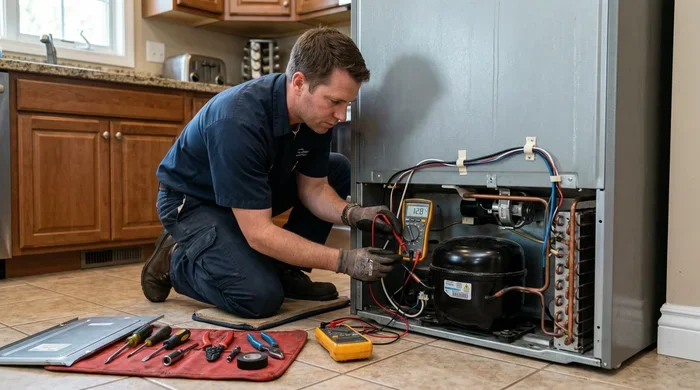
Trying to repair a compressor yourself is risky and can be dangerous. The unit contains high-voltage electrical components and pressurized refrigerant. A qualified technician has the training, tools, and certifications to handle these safely and effectively.
When you do call a professional, ask them to perform a full ac compressor troubleshooting evaluation. They should check the refrigerant charge, electrical connections, capacitor, relay, and overall system performance. A thorough inspection gives you a clear picture of what is wrong and what your best options are.
Expert Insights on AC Compressor Longevity
We asked several experienced HVAC technicians about what they see most often when it comes to ac compressor failure. Their advice was consistent and practical.
Mark T., a certified HVAC technician with 18 years of experience, shared this insight: “The number one thing I tell homeowners is to never skip their annual maintenance appointment. I have seen countless compressors fail simply because the coils were dirty or the refrigerant was low. These are problems that are so easy to catch early.”
Another technician, Sarah L., added: “Pay attention to your system’s behavior. If it starts making new noises or your cooling feels weaker than usual, do not wait. Call someone right away. The longer you run a failing compressor, the more damage it does to itself and to other parts of the system.”
These expert opinions reinforce the same message: proactive care and early action make all the difference. Your ac compressor lifespan depends largely on how well you maintain the system and how quickly you respond to warning signals.
Key Takeaways
- Warm air from vents is one of the clearest ac compressor failure signs and should never be ignored.
- Strange noises like grinding or buzzing often indicate internal compressor damage or electrical problems.
- Short cycling and frequent breaker trips point to overheating or power issues with the compressor motor.
- Dirty coils, low refrigerant, and lack of maintenance are the top causes of ac compressor failure.
- Repair costs range from $1,500 to $4,000, while full replacement can cost $5,000 or more, making early detection critical.
- Annual professional maintenance is the best way to extend your ac compressor lifespan and prevent unexpected failures.
- Call a professional immediately if you notice burning smells, refrigerant leaks, or loud mechanical noises.
Conclusion
AC compressor failure does not have to ruin your summer or drain your wallet. By learning to recognize the warning signs early, you can take action before a small problem becomes a major disaster. From warm air and strange noises to short cycling and ice buildup, your system will tell you when something is wrong. The key is to listen and respond quickly.
Regular maintenance, clean coils, proper refrigerant levels, and prompt attention to any unusual behavior are your best defenses against ac compressor failure. These simple steps keep your system efficient, your home comfortable, and your energy bills under control.
Do not wait until your AC stops working entirely on the hottest day of the year. Use the information in this guide to stay ahead of potential problems. Your ac compressor works hard for you every day. Give it the care and attention it deserves, and it will keep your home cool and comfortable for many years to come.
Frequently Asked Questions
What are the first signs of ac compressor failure?
The earliest signs include warm air blowing from vents, strange noises like grinding or buzzing from the outdoor unit, and frequent short cycling. Some homeowners also notice their energy bills rising unexpectedly. Catching these ac compressor symptoms early gives you the best chance at affordable repair.
How much does ac compressor replacement cost?
The average ac compressor replacement cost ranges from $1,500 to $4,000 for the compressor and labor combined. However, if your system is older and uses outdated refrigerant, a full unit replacement may be more cost-effective in the long run. Always get a detailed quote from a licensed HVAC professional before making a decision.
Can I still use my AC if the compressor is failing?
You can run the AC temporarily, but it is not recommended. A failing compressor puts extra strain on the entire system and can cause further damage to other components. It also runs less efficiently, which drives up your energy costs. Address the problem as soon as possible to avoid a complete breakdown.
What causes ac compressor failure most often?
The most common causes are dirty condenser coils, low refrigerant levels due to leaks, electrical problems, and lack of regular maintenance. Contaminants in the refrigerant system and overheating also play a major role. Staying on top of annual tune-ups prevents most of these issues.
How long should an ac compressor last?
With proper maintenance, a typical ac compressor lifespan is 15 to 20 years. However, poor maintenance, frequent short cycling, or operating in extreme heat can shorten that significantly. Regular professional inspections help ensure your compressor reaches its expected lifespan.
Is ac compressor repair worth it or should I replace the whole unit?
If your system is under 10 years old and the failure is isolated, repair is usually worth it. For systems over 15 years old or those with widespread damage, replacement may be the smarter investment. Consider factors like energy efficiency, repair costs, and remaining system life when making your decision.