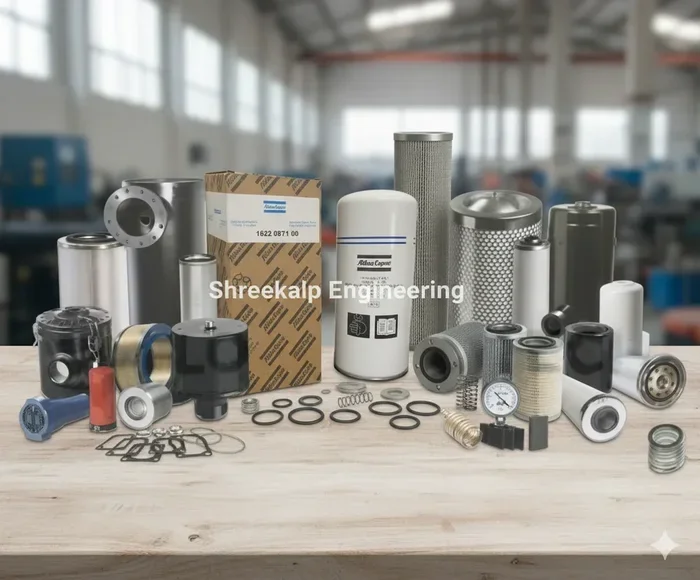
Compressor Spare Parts for Better Machine Performance
Keeping your compressor running smoothly starts with the right compressor spare parts. Swapping out worn air compressor parts on time boosts compressor performance, saves money, and prevents unexpected breakdowns. This guide covers everything you need to know about choosing, replacing, and maintaining your machine.
Keeping your compressor running smoothly starts with the right compressor spare parts. Whether you manage a factory floor or a small workshop, replacing worn components can make a huge difference in machine performance. In this guide, you will learn about the essential air compressor parts you need, how to choose the right replacement parts, and simple tips to extend your equipment’s life. We will also cover common mistakes to avoid and when it is smarter to replace rather than repair. By the end, you will have a clear roadmap for keeping your compressor in top shape.
Your compressor works hard every single day. It powers tools, runs production lines, and keeps operations moving without a pause. But like any machine, it wears down over time. The secret to long-lasting performance lies in timely maintenance and quality compressor spare parts. Swapping out worn components before they fail can save you from costly downtime. It also keeps your system running at peak compressor efficiency.
Key Takeaways
- Quality parts matter: Using the right compressor spare parts directly impacts machine longevity and efficiency.
- Know your components: Understanding key parts like piston rings, valves, and filters helps you make smarter buying decisions.
- OEM vs aftermarket: Both options have pros and cons. Choose based on your budget and performance needs.
- Regular maintenance saves money: A simple upkeep routine prevents costly repairs and extends your compressor’s lifespan.
- Avoid common mistakes: Using wrong parts or skipping inspections are the top reasons compressors fail early.
- Replace when needed: Knowing when to repair versus replace parts keeps your machine running at peak compressor efficiency.
📑 Table of Contents
Why Compressor Spare Parts Matter
Your compressor is the heart of your operation. When one part starts to wear out, the whole system suffers. Understanding why compressor spare parts are so important helps you stay ahead of problems.
How Worn Parts Affect Performance
Every component in your compressor has a job. When that part wears down, the machine has to work harder to do the same task. This leads to several issues:
- Reduced airflow: Worn piston rings or valve plates let air leak, lowering your system’s output.
- Higher energy bills: A struggling compressor uses more electricity to compensate for lost compressor efficiency.
- Increased heat: Friction from worn seals and gaskets generates excess heat, which damages other parts.
- Poor air quality: A clogged air filter lets dust and debris into the system, contaminating your output.
Think of it like a car engine. If you ignore a worn spark plug, the engine runs rough. The same logic applies to your compressor. Small wear and tear on compressor components adds up fast.
The Cost of Ignoring Replacement
Many operators wait until a part completely fails before replacing it. This is a costly mistake. Here is why:
- Chain reactions: One failed part puts extra stress on others. A bad unloader valve can damage the compressor head over time.
- Emergency repairs cost more: Reactive compressor repair is always pricier than planned compressor maintenance.
- Downtime hurts productivity: Every hour your machine sits idle costs your business money.
- Shorter machine lifespan: Running a compressor with worn parts shortens its overall machine longevity significantly.
The bottom line? Investing in timely compressor spare parts replacement saves you money in the long run. It keeps your system efficient and your operations running smoothly.
Essential Compressor Spare Parts You Should Know
Not all compressor spare parts are created equal. Some wear out faster than others. Knowing which parts to keep on hand helps you stay prepared for any repair.
Piston Rings and Cylinder Liners
Piston rings seal the combustion chamber and control oil consumption. Over time, they wear down and lose their grip. This causes compressor oil to leak into the air supply and reduces compressor performance.
Cylinder liners protect the cylinder wall from friction. When they erode, the piston moves roughly, causing vibration and noise. Replacing both piston rings and liners together ensures a proper seal and smooth operation.
Quick Tip: Always check your piston rings during every scheduled compressor upkeep. Catching wear early prevents expensive cylinder damage.
Valves and Valve Plates
Compressor valves control the direction of airflow inside the system. The valve plate is the metal plate that the valves sit against. When either part wears, you will notice:
- Reduced pressure output
- Strange clicking or tapping noises
- Longer pump-up times
- Overheating during operation
Replacing compressor valves and valve plates regularly is one of the easiest ways to maintain strong compressor performance. Keep spare valve plate sets in your inventory.
Air Filters and Oil Filters
Air filters trap dust, dirt, and debris before they enter the compressor. A clogged air filter forces the machine to work harder, wasting energy and reducing compressor efficiency.
Oil filters keep your compressor oil clean. Contaminated oil accelerates wear on all internal parts. Most manufacturers recommend changing both filters every 500 to 1,000 operating hours.
For dusty or industrial environments, check filters more frequently. A clean filter is one of the simplest compressor spare parts swaps you can do.
Seals, Gaskets, and O-Rings
Seals and gaskets prevent air and oil leaks throughout your system. These small but critical compressor components degrade with heat, pressure, and time.
Common seal types include:
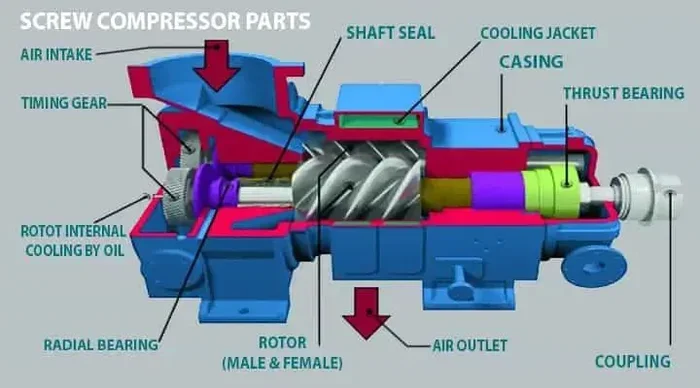
- Shaft seals: Prevent oil from leaking past the rotating shaft.
- Gasket sets: Seal connections between housing sections.
- O-rings: Provide tight seals in fittings and joints.
- Diaphragm seals: Used in some compressor models to separate oil from air.
Keeping a gasket set and assorted O-rings in stock is a smart move for any operator. These compressor wear parts are inexpensive but vital.
Pressure Switch and Unloader Valve
The pressure switch turns your compressor on and off based on system demand. When it malfunctions, your compressor either runs constantly or fails to start.
The unloader valve releases trapped pressure when the compressor stops. A faulty unloader valve causes hard starting and puts unnecessary strain on the motor. Both parts are affordable compressor replacement parts that deliver big performance gains when swapped out.
How to Choose the Right Compressor Spare Parts
Walking into a parts store or browsing online can feel overwhelming. There are so many options for compressor spare parts. Here is how to make the right choice every time.
OEM vs Aftermarket Parts
When shopping for compressor replacement parts, you will encounter two main categories: OEM and aftermarket.
| Feature | OEM Parts | Aftermarket Parts |
|---|---|---|
| Manufacturer warranty | Yes | Usually no |
| Fit and compatibility | Guaranteed | Varies by brand |
| Price | Higher | More affordable |
| Quality consistency | Excellent | Good to excellent |
| Availability | May take longer | Often in stock |
| Best for | Critical or high-pressure systems | Routine maintenance and budget projects |
OEM parts come directly from the compressor manufacturer. They offer the best fit and compatibility and often carry a warranty. However, they cost more.
Aftermarket parts are made by third-party manufacturers. Many aftermarket compressor spare parts match or exceed OEM quality at a lower price. The key is to buy from a reputable supplier.
Expert Insight: For critical applications like medical air systems or high-pressure industrial setups, stick with OEM compressor components. For general workshop use, quality aftermarket parts work great and save you money.
Matching Parts to Your Compressor Model
Not every part fits every compressor. Before ordering compressor spare parts, always check your model number. Here is what to look for:
- Model and serial number: Find this on the compressor nameplate. It tells you the exact specs.
- Part numbers: Use the manufacturer’s catalog or website to find the correct part number.
- Dimensions and specs: For generic parts like filters or gaskets, confirm the size and pressure rating.
- Compatibility charts: Many suppliers offer cross-reference tools to match parts across brands.
Taking five minutes to verify compatibility saves you from returns, delays, and the frustration of a part that does not fit.
Tips for Extending the Life of Your Compressor
Great compressor spare parts only work if you maintain your machine properly. A solid compressor maintenance routine keeps your system running strong for years.
Follow a Regular Maintenance Schedule
Consistency is the key to machine longevity. Create a simple maintenance calendar and stick to it:
- Daily: Check compressor oil level and drain moisture from the tank.
- Weekly: Inspect air filter and clean or replace if dirty.
- Monthly: Check seals and gaskets for leaks and tighten fittings.
- Every 500 hours: Replace oil filter and air filter. Inspect piston rings for wear.
- Every 1,000 hours: Full inspection of compressor valves, unloader valve, and pressure switch.
Following this schedule dramatically reduces unexpected failures. It also keeps your compressor efficiency at its best.
Proper Storage and Handling
How you store spare parts matters more than most people think. Wrong storage leads to degraded quality and premature failure:
- Keep parts in a clean, dry environment away from moisture.
- Store compressor oil and filters in sealed containers.
- Protect gasket sets and O-rings from heat and direct sunlight.
- Label all parts clearly with dates and model numbers.
Proper storage is a small effort that pays off big when you need a part quickly.
Common Compressor Spare Parts Mistakes to Avoid
Even experienced operators make mistakes when ordering or installing compressor spare parts. Here are the most common ones and how to avoid them.
Using the Wrong Parts
This is the number one mistake. Using a part that does not match your compressor model causes poor performance and can even damage the machine. Always double-check the part number and specifications before ordering. When in doubt, contact the manufacturer or a trusted supplier for guidance.
Skipping Routine Inspections
Many operators only look for problems when something breaks. This reactive approach leads to bigger issues and higher costs. Regular inspections catch compressor wear parts before they fail. A quick visual check during each shift can reveal a lot about your machine’s health.
Ignoring Warning Signs
Your compressor tells you when something is wrong. Listen for these warning signs:
- Unusual noises like grinding or knocking
- Excessive vibration during operation
- Longer startup or pump-up times
- Oil leaks around seals and fittings
- Reduced airflow or pressure
Addressing these signs early with the right compressor spare parts prevents major breakdowns. Do not wait for a complete failure.
Common Mistake: Using cheap, no-name aftermarket parts just to save a few dollars. These parts often fail faster and can cause damage that costs far more than the savings. Always buy from trusted suppliers, even when choosing budget-friendly options.
When to Replace vs Repair Compressor Parts
Not every worn part needs to be replaced. Sometimes a simple compressor repair does the job. Knowing the difference saves time and money.
Signs Your Parts Need Replacement
Replace a part when you notice any of these signs:
- Visible damage: Cracks, chips, or warping on valve plates or cylinder liners.
- Persistent leaks: Seals and gaskets that leak even after re-tightening need full replacement.
- Reduced performance: If your compressor performance drops despite cleaning and adjustment, the part is likely worn beyond repair.
- Excessive wear: Piston rings that show visible scoring or thinning should be replaced.
- Age: Parts that are more than five years old should be replaced proactively, even if they still work.
Cost-Benefit Analysis
Before deciding, compare the cost of repair versus replacement:
- Repair costs: Labor, time, and the part itself. Often cheaper in the short term.
- Replacement costs: Higher upfront but better long-term value for machine longevity.
- Downtime: Consider how long your machine will be offline. Downtime often costs more than the part itself.
As a general rule, if a repair costs more than 60% of a new part, go with replacement. This applies especially to critical compressor components like the compressor head or main pressure switch.
Conclusion
Your compressor is a valuable investment. Keeping it running at its best requires the right compressor spare parts, a solid maintenance routine, and smart decision-making. From piston rings and valve plates to air filters and seals and gaskets, every component plays a role in your machine’s compressor performance.
Remember these key points. Choose quality compressor replacement parts that match your model. Follow a regular compressor maintenance schedule. Avoid common mistakes like using wrong parts or ignoring warning signs. And always weigh the cost of repair against replacement to make the smartest choice.
When you take care of your compressor with the right compressor spare parts, you get better compressor efficiency, lower energy costs, fewer breakdowns, and longer machine longevity. Start applying these tips today and feel the difference in your machine’s performance.
Frequently Asked Questions
What are the most common compressor spare parts that need replacing?
The most frequently replaced parts include air filters, oil filters, piston rings, valve plates, and seals and gaskets. These compressor wear parts degrade with regular use and should be checked during routine compressor maintenance. Keeping spares on hand prevents unexpected downtime.
How often should I replace my compressor spare parts?
Replacement frequency depends on usage and operating conditions. Most air filter and oil filter replacements happen every 500 to 1,000 operating hours. Piston rings and seals typically last longer but should be inspected regularly. Always follow your compressor manufacturer’s recommended compressor upkeep schedule.
Are aftermarket compressor spare parts as good as OEM parts?
Many high-quality aftermarket parts match or exceed OEM quality at a lower price. The key is to buy from reputable suppliers who guarantee compatibility and performance. For critical or high-pressure systems, OEM compressor components may be the safer choice. For routine maintenance, trusted aftermarket parts work great.
Can using the wrong compressor spare parts damage my machine?
Yes, absolutely. Using incorrect compressor replacement parts can cause poor performance, leaks, overheating, and even catastrophic failure. Always verify the part number and specifications against your compressor model before ordering. When in doubt, consult the manufacturer or a qualified technician.
How can I tell if my compressor needs new parts or just a repair?
Look for signs like persistent leaks, visible damage, reduced compressor performance, unusual noises, or longer pump-up times. If a part is cracked, scored, or worn beyond its tolerance, replacement is the better option. For minor issues like loose fittings or clogged filters, a simple compressor repair may be enough.
Where can I find reliable compressor spare parts?
You can find quality compressor spare parts through manufacturer websites, authorized distributors, and reputable online suppliers. Always verify part numbers and compatibility before purchasing. Reading customer reviews and checking return policies helps you find trustworthy sources for air compressor parts and other compressor components.