Chlorine Generator Tips for Keeping Your Pool Crystal Clear
A chlorine generator is a smart pool tool that turns salt into clean, safe water automatically. It saves you time, money, and the hassle of handling chlorine chemicals. With the right setup and regular care, your pool stays crystal clear all year.
Keeping a pool clean can feel like a full-time job. Between testing water, adding chemicals, and scrubbing tiles, it is easy to get overwhelmed. A chlorine generator changes all of that. It takes the hard work out of pool maintenance by producing chlorine automatically right in your pool system. Instead of buying and storing chlorine tabs, you just add salt and let the machine do the rest.
If you have been thinking about upgrading your pool setup, a salt chlorine generator is one of the best investments you can make. It keeps water balanced, reduces chemical handling, and saves money in the long run. In this guide, we will walk you through everything you need to know. From how the system works to daily maintenance tips, you will find practical advice that makes pool care simple and effective.
Whether you own an above-ground pool or an in-ground setup, a chlorine generator can fit your needs. The key is choosing the right size, installing it correctly, and staying on top of basic upkeep. Let us dive into the details and help you enjoy crystal clear water all season long.
Key Takeaways
- Salt chlorine generators produce chlorine on demand, so you never run out.
- Maintaining the right salt level is the key to smooth and efficient chlorine production.
- Cleaning the electrolytic cell every few months prevents scale buildup and extends its life.
- Balancing pH, cyanuric acid, and calcium hardness keeps your water safe and clear.
- A chlorine generator cuts costs over time compared to buying chlorine tablets or liquid.
- Regular monitoring and minor adjustments make all the difference in pool water quality.
📑 Table of Contents
Understanding How a Chlorine Generator Works
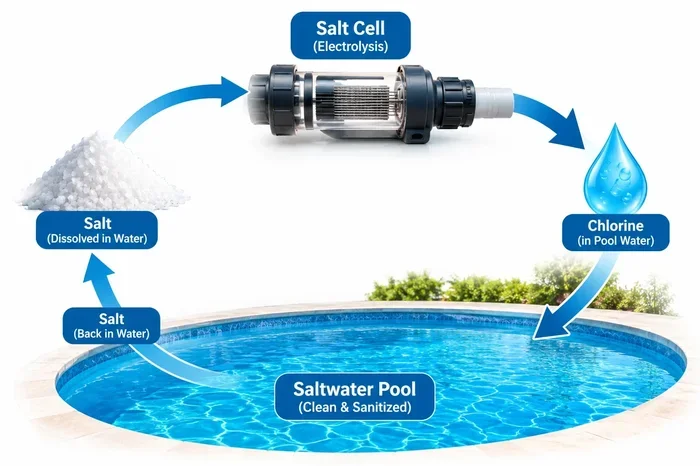
A chlorine generator uses a simple but clever process called electrolysis. Salt water flows through a special cell inside the unit. Inside that cell, a small electrical charge splits the salt molecules and turns them into chlorine. This chlorine then sanitizes your pool water just like traditional chlorine would. After it does its job, the chlorine turns back into salt, and the cycle starts again.
The Science Behind Salt Water Chlorination
The process might sound complicated, but it is really quite elegant. Your pool already has salt dissolved in the water, usually at a level around 3,000 parts per million. That is much less salty than ocean water. When this salt water passes through the electrolytic cell, the device applies a low voltage current. This current breaks the chemical bonds in the salt and creates hypochlorous acid, which is the active sanitizer that kills bacteria, algae, and other contaminants.
One of the biggest advantages of a chlorine generator is that you do not need to add fresh chlorine constantly. The system recycles the salt over and over. This means fewer chemical purchases and less storage hassle. Your pool water also feels softer and more pleasant on your skin compared to water treated with traditional chlorine tablets.
What Happens Inside the Cell
The electrolytic cell is the heart of your salt chlorine generator. It contains metal plates coated with a special material that helps the chemical reaction happen smoothly. As electricity passes between these plates, chlorine gas forms in the water. Over time, mineral deposits can build up on the plates. This is called scale, and it reduces the cell’s efficiency. That is why regular cleaning is so important, which we will cover in detail later.
The cell typically lasts between three and seven years, depending on how well you maintain it. Water chemistry, usage levels, and cleaning habits all play a role. Keeping an eye on your cell’s condition helps you catch problems early and avoid costly replacements.
Choosing the Right Chlorine Generator for Your Pool
Not all chlorine generators are the same. They come in different sizes and capacities to match various pool types and volumes. Picking the right one ensures your system works efficiently and does not waste energy or salt. Here is what you need to consider before making a purchase.
Sizing Your Generator Correctly
Size matters when it comes to a chlorine generator. If the unit is too small for your pool, it will struggle to produce enough chlorine. If it is too large, you waste energy and money. The general rule is to match the generator’s output to your pool’s gallon capacity and the number of hours your pump runs each day.
For example, a 20,000-gallon pool that runs its pump for 8 hours a day needs a different size unit than a 40,000-gallon pool running 12 hours. Most manufacturers provide sizing charts to help you choose. Always go slightly bigger rather than smaller, especially if you use your pool heavily or live in a hot climate where algae grows faster.
When thinking about power supply for your pool equipment, consider how your electrical setup handles the load. If you also use other high-power devices, you may want to look into how to run a generator to house your pool equipment safely during outages. Proper electrical planning prevents damage and keeps your salt chlorine generator running smoothly.
Salt Water Chlorinator vs Traditional Chlorine
Traditional chlorine tablets and liquid chlorine are still widely used. They work well but come with drawbacks. You have to store them safely, handle them carefully, and add them regularly. They also raise calcium levels and can cause strong chemical smells. A chlorine generator eliminates most of these issues by producing a steady, low level of chlorine directly in the water.
Here is a quick comparison to help you understand the differences:
- Chlorine Generator: Produces chlorine automatically from salt. Lower long-term cost. Softer water feel. Requires salt refills only a few times a year.
- Traditional Chlorine Tablets: Easy to add but require regular purchase and storage. Can cause harsh chemical smell. Raises calcium levels over time.
- Liquid Chlorine: Fast-acting but needs frequent addition. Can be expensive over time. Requires careful handling and storage.
Most pool owners find that a salt chlorine generator pays for itself within two to three seasons. The savings on chlorine purchases add up quickly, and the convenience factor is hard to beat.
Setting Up Your Chlorine Generator
Installing a chlorine generator is a project most handy homeowners can handle. However, if you are not comfortable with electrical work, it is always best to hire a professional. The setup involves a few key steps that ensure the system works safely and effectively from day one.
Installation Steps
First, you need to mount the control unit in a dry, accessible location near your pool equipment pad. This is where you will monitor settings and adjust chlorine output. Next, the electrolytic cell gets installed into the plumbing line after the filter and pump but before the heater. Water must flow through the cell for the chlorine production process to work.
Once the cell is in place, you add salt to the pool. Most systems need about 3,000 to 4,000 ppm of salt to start producing chlorine. After the salt dissolves and circulates, you power on the unit and set the output level. Start at a lower setting and test the water after 24 hours to check chlorine levels.
It is also important to make sure your electrical connections are up to code. If you are running multiple pieces of pool equipment on the same circuit, check what size generator to run furnace and refrigerator or other household loads, as your total electrical demand matters for safety and performance.
Power Requirements and Electrical Setup
Most residential chlorine generators operate on standard 110-volt or 220-volt circuits, depending on the model. Check the manufacturer’s specifications before you start the installation. A dedicated circuit is recommended so the unit does not share power with other high-draw devices.
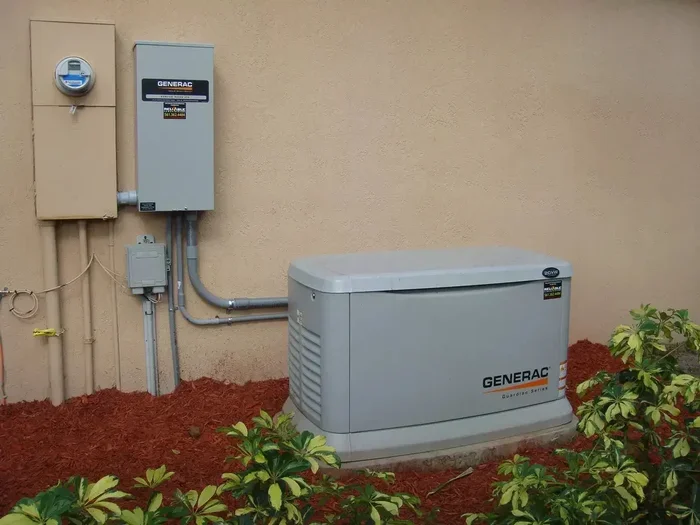
If you live in an area with frequent power outages, having a backup power source is a smart move. A small backup unit can keep your pool pump and chlorine generator running during short interruptions. This prevents the water from going stagnant and losing its sanitization. For more information on backup power options, you can explore what powers a Generac home generator if you are considering a whole-house solution for your pool equipment.
Maintaining Your Chlorine Generator
Once your chlorine generator is up and running, maintenance is pretty straightforward. The system does most of the work for you. But a few simple habits will keep everything running at peak performance and extend the life of your equipment.
Cleaning the Electrolytic Cell
The electrolytic cell is the part that needs the most attention. Over time, calcium and mineral deposits build up on the plates inside the cell. This scale reduces the surface area and makes it harder for the system to produce chlorine efficiently.
You should inspect the cell every two to three months. If you see white or crusty buildup, it is time to clean it. Most cells can be removed and soaked in a mild acid solution, such as a mixture of water and muriatic acid or a commercial cell cleaning product. After soaking, rinse the cell thoroughly with clean water and reinstall it.
Never use a wire brush or abrasive tool to scrub the plates. This can damage the coating and shorten the cell’s lifespan. Gentle cleaning with the right solution keeps the plates in good shape and your chlorine generator producing at full capacity.
Monitoring Salt Levels and Water Balance
Salt levels are the fuel for your salt chlorine generator. If the salt drops too low, the system cannot produce enough chlorine. If it gets too high, it can cause corrosion on metal parts and make the water taste salty. Most manufacturers recommend keeping salt between 2,700 and 3,400 ppm.
Beyond salt, you also need to keep an eye on other water chemistry factors:
- pH Levels: Keep pH between 7.2 and 7.6 for optimal chlorine effectiveness.
- Cyanuric Acid: This stabilizer protects chlorine from UV degradation. Aim for 30 to 50 ppm.
- Calcium Hardness: Keep calcium between 200 and 400 ppm to prevent scale and corrosion.
- Total Alkalinity: Maintain alkalinity between 80 and 120 ppm to stabilize pH.
Testing your water at least once a week with a reliable test kit or test strips helps you catch imbalances early. A well-balanced pool makes your chlorine generator work less hard and keeps the water safe and comfortable for swimming.
How Long Can You Leave Gas in a Generator
If you use a backup generator for your pool equipment or home, fuel storage matters. You should not leave gas sitting in a generator for more than a few months. Old fuel can break down and cause starting problems. The same principle applies to keeping your pool equipment in good working order. Regular use and fresh fuel keep everything running reliably when you need it most.
Troubleshooting Common Chlorine Generator Issues
Even with good maintenance, a chlorine generator can run into issues from time to time. Most problems are easy to fix once you know what to look for. Here are the most common issues pool owners face and how to solve them.
Low Chlorine Production
If you notice your chlorine levels are dropping or the water looks cloudy, the first thing to check is your salt level. Low salt means the system has less raw material to work with. Test the water and add salt if needed. Also check the cell for scale buildup. A dirty cell produces less chlorine even if the salt level is perfect.
Another common cause is the output setting. If you recently had a lot of swimmers or heavy rain, you may need to increase the chlorine output temporarily. Hot weather also increases chlorine demand because sunlight breaks down chlorine faster. Adjusting the output dial on your control box is usually all it takes to get things back on track.
Scale Buildup and Corrosion
Scale buildup on the cell plates is the number one enemy of any chlorine generator. Calcium deposits form when calcium hardness is too high or when the pH drifts upward. Regular cleaning prevents this buildup from becoming a serious problem.
Corrosion is a different issue. It happens when water chemistry gets too acidic or when metal parts in the pool come into contact with imbalanced water. Check that all metal components, like ladders and light fixtures, are in good condition. Using a mineral purifier alongside your salt chlorine generator can also reduce the chlorine demand and help protect your equipment.
Error Codes on the Control Unit
Most modern chlorine generators have digital control units that display error codes when something is wrong. Common codes indicate low salt, high salt, cell failure, or flow problems. Refer to your owner’s manual for the specific meaning of each code. In most cases, the fix is simple. Check the salt level, clean the cell, or make sure water is flowing properly through the system.
Expert Tips for Crystal Clear Water Year-Round
Want to take your pool water from good to amazing? These expert tips will help you get the most out of your chlorine generator and keep your pool sparkling all season long.
- Run your pump long enough. Your chlorine generator only produces chlorine while water is flowing through the cell. Aim for at least 8 to 12 hours of pump time per day during swimming season.
- Shock your pool regularly. Even with a salt chlorine generator, occasional shock treatments help eliminate stubborn contaminants and algae spores. Use a non-chlorine shock or a chlorine shock based on your preference.
- Keep the pool clean. Skim debris, brush walls, and vacuum regularly. A clean pool allows chlorine to work more efficiently and reduces the load on your system.
- Use a pool cover when not in use. A cover reduces evaporation, keeps debris out, and slows chlorine loss from sunlight. This means your chlorine generator does not have to work as hard.
- Winterize properly. If you close your pool for the winter, drain the cell and store it in a dry place. Add winter chemicals as recommended and run the system periodically if needed.
- Keep a small backup unit ready. A mini generator can serve as a backup power source for your pool pump and chlorine generator during unexpected outages, keeping your water circulating and sanitized.
Following these tips consistently will make a huge difference in water clarity and equipment longevity. A little prevention goes a long way when it comes to pool maintenance.
Conclusion
A chlorine generator is one of the smartest upgrades you can make for your pool. It takes the guesswork out of water sanitation and gives you more time to enjoy your pool instead of maintaining it. From understanding how the system works to choosing the right size, installing it correctly, and keeping up with basic maintenance, this guide has covered the essentials.
Remember that consistent care makes all the difference. Check your salt levels, clean your cell, balance your water chemistry, and adjust your output as needed. With these habits in place, your salt chlorine generator will keep your pool crystal clear for years to come. The investment pays off in savings, convenience, and the joy of jumping into perfectly clean water every single time.
Start applying these tips today and experience the difference a well-maintained chlorine generator can make. Your pool deserves it, and so does your summer.
Frequently Asked Questions
How much salt do I need for a chlorine generator to work properly?
Most chlorine generators work best with a salt level between 2,700 and 3,400 parts per million. This is much less salty than ocean water, so your pool will not taste or feel salty. Check your owner’s manual for the exact recommended range for your specific model.
Can I use a chlorine generator with an above-ground pool?
Yes, many salt chlorine generators are designed for above-ground pools. You just need to make sure you choose the right size unit for your pool volume. Above-ground setups work just as well with salt chlorination as in-ground pools do.
How often should I clean the electrolytic cell in my chlorine generator?
You should inspect and clean the cell every two to three months. If you notice scale buildup or a drop in chlorine output, it is time to clean it. Regular cleaning keeps the cell efficient and can extend its life by several years.
Is a chlorine generator safe for my family and pets?
Yes, a properly maintained chlorine generator produces chlorine at safe, low levels. The water is no harsher than traditionally chlorinated pool water. In fact, many swimmers find salt water pools feel softer and gentler on skin and eyes.
What happens if my chlorine generator stops working during a power outage?
If the power goes out, your chlorine generator stops producing chlorine until power returns. To prevent water quality issues, consider having a backup power source like a generator on hand. Keeping your pump running during short outages helps maintain water circulation and sanitation.
Can I switch from traditional chlorine to a chlorine generator mid-season?
Yes, you can switch to a salt chlorine generator at any point during the season. You will need to add salt to reach the proper level and let the system run for a day or two before testing. It is a straightforward transition that most pool owners find very rewarding.