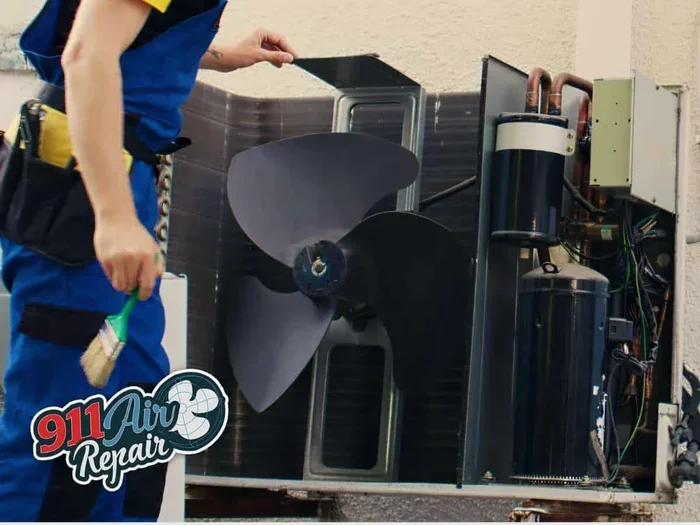
Air Conditioner Compressor Repair Is Easier Than You Think
Air conditioner compressor repair doesn’t have to be a headache. This guide breaks down the steps, costs, and warning signs so you can decide whether to fix it yourself or hire a pro. You’ll learn simple maintenance tips that extend your compressor’s life and avoid costly replacements.
Your air conditioner works hard to keep your home cool. But when the air conditioner compressor repair light comes on, it can feel overwhelming. The compressor is the heart of your AC system. It pumps refrigerant through the coils to remove heat from your indoor air. Without a working compressor, your home turns into a sauna. The good news is that many compressor problems are fixable. You don’t always need a full replacement. This guide will walk you through the basics of air conditioner compressor repair in plain, simple language.
We will cover the signs of a failing compressor, what you can do yourself, and when to call a professional. You will learn about common causes of compressor failure, such as refrigerant leaks and dirty coils. I will also share cost comparisons and preventive tips. By the end, you will feel confident about your next steps. Air conditioner compressor repair is easier than most homeowners think.
Key Takeaways
- Spot the warning signs early: Unusual noises, warm air, or frequent cycling can signal compressor trouble before a full breakdown.
- Try simple DIY checks first: You can inspect the refrigerant level, clean the condenser coils, and test the compressor clutch without calling a technician.
- Know when to call a pro: Electrical issues, refrigerant leaks, and internal compressor damage need professional tools and expertise.
- Compare repair and replacement costs: A repair under $500 is often worth it, but a new compressor over $1,500 may make a new unit more sensible.
- Preventive maintenance saves money: Regular filter changes, annual tune-ups, and keeping debris away from the outdoor unit can prevent compressor failure.
- Use the right refrigerant: Always match the refrigerant type to your system to avoid compressor damage and warranty voids.
📑 Table of Contents
- What Is an Air Conditioner Compressor and Why Does It Fail?
- Signs Your AC Compressor Needs Repair
- DIY Air Conditioner Compressor Repair: What You Can Do
- Professional AC Compressor Repair: When to Call a Technician
- Preventive Maintenance to Avoid Compressor Problems
- Conclusion: Is AC Compressor Repair Worth It?
What Is an Air Conditioner Compressor and Why Does It Fail?
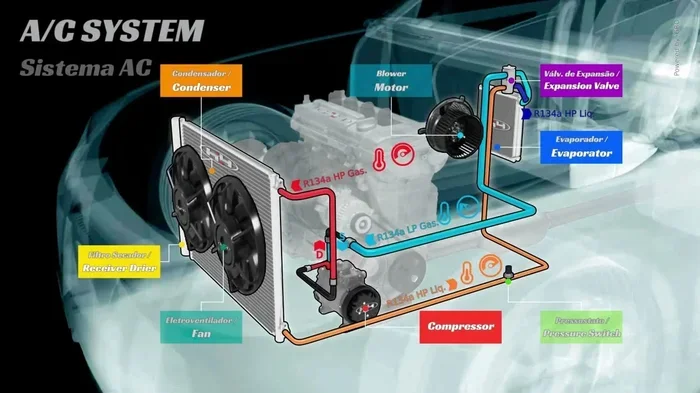
The compressor is a metal box usually located outside your home. It sits in the condenser unit next to your outdoor wall. Inside, a motor drives a piston that squeezes refrigerant gas. This process raises the pressure and temperature of the refrigerant. The hot, high-pressure gas then flows to the indoor evaporator coil. There it releases heat and cools your home. The cycle repeats over and over.
How the Compressor Works
Think of the compressor as a pump. It takes in cool, low-pressure refrigerant gas from your home. It then compresses that gas into a hot, high-pressure state. The gas moves to the outdoor condenser coil where it releases heat to the outside air. A fan blows air across the coil to cool the refrigerant. It turns back into a liquid and flows inside to the evaporator. That is where the magic happens. The liquid refrigerant expands and absorbs heat from your indoor air. The cycle starts again. If any part of this loop breaks down, your comfort is at risk.
Common Causes of Compressor Failure
Compressors don’t usually die without warning. Several issues can wear them down over time. Here are the most common reasons air conditioner compressor repair becomes necessary:
- Low refrigerant levels: A leak in the system starves the compressor. It has to work harder to pump less gas. This causes overheating and eventual failure.
- Dirty condenser coils: The outdoor unit blows air across the coils to release heat. If the coils are clogged with dirt and debris, the system can’t release heat properly. The compressor runs hotter and burns out.
- Electrical problems: Faulty contactors, wiring issues, or power surges can damage the compressor motor. These are often hidden inside the unit.
- Blocked suction lines: The line that returns refrigerant vapor to the compressor can become clogged. This creates pressure imbalances that strain the motor.
- Contaminants in the system: Moisture, acids, or debris inside the refrigerant lines can corrode internal parts. This leads to compressor lockup.
- Short cycling: If your AC turns on and off too frequently, the compressor experiences stress every time it starts. Over time, this wears out the motor windings.
Signs Your AC Compressor Needs Repair
Catching compressor problems early can save you hundreds of dollars. Don’t ignore these warning signs. They are your system’s way of asking for help.
Unusual Noises from the Compressor
A healthy compressor makes a low humming sound. If you hear loud banging, clanking, or screeching, something is wrong. Banging often means a loose internal part is hitting the housing. Clanking can indicate a broken mounting spring. Screeching or squealing usually points to a failing motor bearing. These sounds mean the compressor is under severe stress. Call a technician before it seizes up completely.
Warm Air Blowing from Vents
This is the most obvious sign. If your AC runs but blows warm air, the compressor may not be pumping refrigerant. It could be a refrigerant leak, a failed compressor clutch, or an internal blockage. Check your thermostat first to make sure it is set to cool. Then feel the air coming from the vents. If it is not cool, you likely have a compressor issue.
Frequent On-and-Off Cycling
Your AC should cycle on and off a few times per hour. If it turns on and off every few minutes, that is short cycling. The compressor may be overheating and triggering the safety shutoff. Short cycling puts immense wear on the motor. It also wastes energy and raises your electricity bill.
DIY Air Conditioner Compressor Repair: What You Can Do
Not every compressor problem requires a service call. There are a few things you can check and fix yourself. Always turn off the power to the outdoor unit before you touch anything. Safety comes first.
Checking the Refrigerant Level
Low refrigerant is a top cause of compressor failure. You can check the refrigerant lines, but you cannot add refrigerant yourself without a license in many areas. However, you can look for signs of a leak. Inspect the copper lines for oil stains or frost. A hissing sound near the lines also suggests a leak. If you suspect a leak, a professional can use a leak detector to find and fix it. Air conditioner compressor repair often starts with sealing a small leak and recharging the system.
Cleaning the Condenser Coils
Dirty coils make the compressor work harder. You can clean them yourself with a garden hose. Turn off the power first. Remove any leaves, dirt, or debris from around the unit. Use a coil cleaner spray to break down grime. Then gently rinse the coils with a low-pressure hose. Never use a pressure washer. The fins are delicate and can bend easily. Straighten any bent fins with a fin comb. Clean coils allow better airflow and reduce compressor stress.
Testing the Compressor Clutch
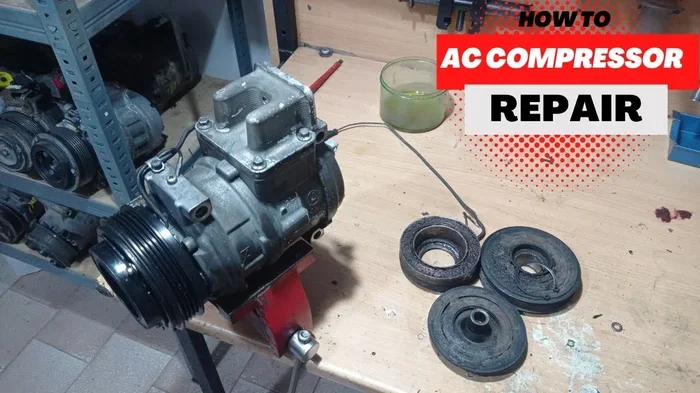
The compressor clutch engages when the AC is on. It connects the motor to the compressor pump. If the clutch fails, the compressor won’t run even if the motor is working. You can test this with a multimeter. Remove the clutch wire and check for voltage. If you have power but the clutch doesn’t engage, the clutch is bad. Replacing the clutch is a relatively simple repair. Just make sure you match the part number to your model.
Quick Tip: Keep a flashlight and a multimeter in your garage. These two tools will help you diagnose most basic compressor issues without buying expensive equipment.
Common Mistake: Many homeowners try to add refrigerant without finding the leak first. This just masks the problem and can damage the compressor further. Always fix leaks before recharging the system.
Professional AC Compressor Repair: When to Call a Technician
Some repairs are beyond DIY. You need a licensed HVAC technician for complex issues. Electrical work inside the compressor unit can be dangerous. Refrigerant handling requires EPA certification. And internal compressor damage often needs special tools to diagnose.
Cost of Compressor Repair vs Replacement
The cost of air conditioner compressor repair varies widely. A simple fix like a refrigerant leak repair might cost $150 to $500. A compressor clutch replacement usually runs $200 to $600. But if the compressor itself is dead, the bill jumps to $1,300 to $2,500 for a new compressor and labor. Here is a quick comparison to help you decide.
| Repair Type | Average Cost | When to Choose It |
|---|---|---|
| Refrigerant Leak Repair | $150 – $500 | System is less than 10 years old and no internal damage. |
| Compressor Clutch Replacement | $200 – $600 | Compressor motor works but clutch fails to engage. |
| Full Compressor Replacement | $1,300 – $2,500 | Compressor is seized or has internal electrical failure. |
| New AC Unit (if over 10 years old) | $4,000 – $8,000 | Compressor failure plus aging system; new unit is more efficient. |
What a Pro Will Check
A professional technician will start with a full system diagnostic. They check the refrigerant pressure with gauges. They measure the voltage and amperage on the compressor motor. They inspect the capacitor and contactor for electrical faults. They also look for moisture in the system, which can cause internal corrosion. A pro will use a leak detector to find hidden refrigerant leaks. They may also flush the lines to remove contaminants before recharging the system.
Expert Insight: “Many homeowners wait too long to call for help. A small refrigerant leak that goes unfixed for weeks will destroy the compressor. Early intervention is the key to affordable air conditioner compressor repair.” – HVAC Technician with 15 years of experience.
Preventive Maintenance to Avoid Compressor Problems
The best way to avoid expensive repairs is to maintain your system. A little care goes a long way. These simple habits can extend the life of your compressor by many years.
Regular AC Maintenance Tips
Follow these steps at least twice a year, once before the cooling season and once before the heating season if you have a heat pump.
- Change your air filter every 1-3 months. A dirty filter restricts airflow. This makes the evaporator coil freeze up and stresses the compressor.
- Keep the outdoor unit clear. Remove leaves, grass clippings, and debris from around the condenser. Maintain at least 2 feet of clearance on all sides.
- Check the condensate drain. A clogged drain can cause water damage and shut down your system. Flush it with a vinegar and water solution.
- Schedule a professional tune-up annually. A technician will inspect electrical connections, check refrigerant levels, and clean the coils. This catches small problems before they become big ones.
Seasonal Care for Your Compressor
Your compressor works the hardest during the hottest months. Give it some extra attention in spring. Clean the coils and check the refrigerant lines. In fall, cover the top of the outdoor unit to keep leaves out. Never cover the sides completely. Airflow is still needed. In winter, if you have a heat pump, run it in defrost mode regularly to melt any ice buildup. Ice on the outdoor unit can damage the compressor fan and coil.
Quick Tip: Set a calendar reminder to check your outdoor unit every month during the cooling season. A quick visual inspection can spot debris, bent fins, or ice buildup before they turn into a compressor failure.
Conclusion: Is AC Compressor Repair Worth It?
Air conditioner compressor repair is a smart choice in many situations. If your system is less than 10 years old and the compressor failure is isolated, a repair makes sense. You save thousands of dollars compared to a full unit replacement. But if your system is old and has other issues, a new unit might be the better investment. New compressors are more efficient and come with warranties. They can lower your energy bills and keep your home more comfortable.
Remember to watch for warning signs. Don’t ignore unusual noises, warm air, or frequent cycling. Try the simple DIY checks first. Clean the coils, check the refrigerant lines, and test the clutch. But when the problem is beyond your skill level, call a trusted professional. Regular maintenance is your best defense against compressor failure. Keep your system clean, change your filters, and schedule annual tune-ups. With the right care, your air conditioner compressor will run smoothly for many years to come.
Frequently Asked Questions
How do I know if my AC compressor is bad?
Listen for loud banging or screeching noises from the outdoor unit. Check if warm air is blowing from your vents even when the AC is running. A tripping breaker or a compressor that won’t start are also strong signs. These symptoms usually mean the compressor motor or internal parts have failed.
Can I repair a compressor myself?
You can handle simple tasks like cleaning coils and checking the refrigerant lines. However, repairing the compressor itself requires specialized tools and EPA certification for handling refrigerant. Always leave internal compressor repairs to a licensed professional.
How much does it cost to repair an AC compressor?
The cost depends on the problem. A refrigerant leak repair might cost $150 to $500. Replacing the compressor clutch runs $200 to $600. A full compressor replacement can be $1,300 to $2,500. Get a detailed quote from a local HVAC technician before deciding.
What happens if I ignore a failing compressor?
Ignoring a failing compressor will make the problem worse. The compressor can overheat and seize completely. This often damages the refrigerant lines and other components. You may end up needing a full system replacement instead of a simple repair.
How long does an AC compressor last?
A well-maintained compressor typically lasts 12 to 15 years. Regular filter changes, annual tune-ups, and keeping the outdoor unit clean can extend its lifespan. Neglecting maintenance can shorten it to 8 years or less.
Is it better to repair or replace a compressor?
If your system is under 10 years old and the repair cost is under $500, repair is usually the better choice. If the compressor is dead and your system is over 10 years old, a new unit with a new compressor is often more cost-effective and energy-efficient.