how to use pimple tools safely for clearer skin today
Using pimple tools correctly can transform your skincare routine and help you achieve clearer skin faster. This guide covers everything from choosing the right tools to performing safe extractions and caring for your skin afterward. You will learn proper sterilization, step-by-step techniques, and expert tips to avoid common mistakes that cause scarring or infection.
Dealing with pimples is frustrating. You wake up, look in the mirror, and there it is again. A stubborn red bump that just will not go away. Many people turn to pimple tools to handle this problem at home. These small but powerful devices can help you clear breakouts safely when you know how to use them correctly. Just like learning to use any tool, whether it is a how to use Porter Cable air compressor or a simple extractor, technique matters a lot. This guide will walk you through everything you need to know about using pimple tools safely for clearer skin today.
Skincare tools have become incredibly popular in recent years. From comedone extractors to lancets and facial sponges, the right tool can make a real difference. But using them the wrong way can cause infections, scarring, and even more breakouts. That is why this article breaks down each step clearly. You will learn what tools to use, how to prepare your skin, the proper extraction method, and what to do afterward. By the end, you will feel confident and ready to take control of your skin health.
Key Takeaways
- Choose the right tools: Comedone extractors, lancets, and facial sponges each serve a specific purpose in your skincare routine.
- Sterilize before every use: Cleaning your tools with alcohol or heat prevents bacteria from entering your pores and causing more breakouts.
- Follow a step-by-step process: Steaming, gentle pressure, and proper angle technique make extractions safer and more effective.
- Never squeeze blindly: Forcing pimples that are not ready can push bacteria deeper and lead to permanent scarring.
- Aftercare is just as important: Applying the right treatments after extraction helps your skin heal quickly and stay clear.
- Know when to stop: Some pimples need professional help, and visiting a dermatologist is always a smart choice for stubborn or deep acne.
📑 Table of Contents
- Understanding Pimple Tools and Why They Work
- How to Use Pimple Tools Safely: A Step-by-Step Guide
- Aftercare: Helping Your Skin Heal After Extraction
- Common Mistakes People Make With Pimple Tools
- Building a Routine: How Often Should You Use Pimple Tools?
- Quick Tips for Better Results
- Expert Insights on Safe Extraction
- Key Takeaways
- Frequently Asked Questions
- Conclusion
Understanding Pimple Tools and Why They Work
Pimple tools are small devices designed to help you remove blackheads, whiteheads, and other types of acne. They work by applying gentle pressure or making a tiny opening to release the trapped oil and bacteria inside a pimple. When used correctly, these tools can speed up the healing process and prevent you from picking at your face with dirty hands.
Using the right skin care tools also reduces the risk of scarring. Your fingers carry bacteria, and squeezing with your nails can tear the skin. A proper tool applies even pressure and targets only the affected area. Think of it this way. Would you try to fix a leaky pipe with a random stick, or would you use the right wrench? Pimple tools are your wrench for clear skin.
Types of Pimple Tools You Should Know
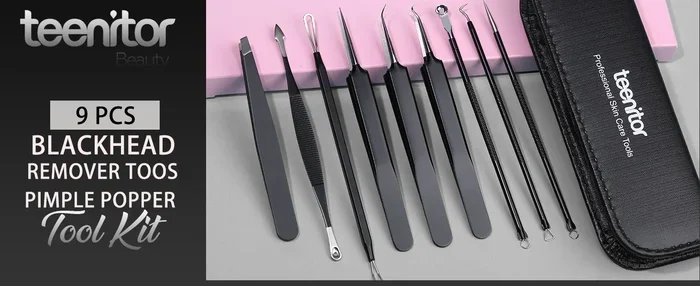
Not all pimple tools are the same. Each one serves a different purpose. Here are the most common types you will find:
- Comedone Extractors: These have a small loop or spoon at the end. They apply even pressure around a blackhead or whitehead to push the contents out gently.
- Lancets: Small, sharp needles used to prick the surface of a pimple. This creates a tiny opening so trapped material can escape. Always use sterile lancets.
- Facial Sponges and Brushes: These help cleanse the skin deeply before extraction. They remove dead skin cells and excess oil that can clog pores.
- Blackhead Remover Rings: These have different sized loops for different pore sizes. They work well on nose blackheads and forehead bumps.
- Spot Treatment Tools: Small devices that apply pressure to individual pimples without touching the surrounding skin.
Just as you would learn how to use a Husky air compressor before operating it, you should understand each tool before bringing it near your face. Read the instructions, watch tutorials, and practice on a clean surface first if needed.
How to Use Pimple Tools Safely: A Step-by-Step Guide
Safety comes first when using any acne tools on your skin. Rushing through the process or skipping preparation steps can lead to infection and permanent marks. Follow this step-by-step guide every time you perform an extraction.
Step 1: Gather Your Supplies
Before you start, make sure you have everything ready. You will need your pimple tool of choice, rubbing alcohol or a sterilizing solution, cotton pads, a gentle cleanser, and a warm towel for steaming. Having everything in reach keeps the process smooth and hygienic.
Step 2: Wash Your Hands and Face
This step is non-negotiable. Wash your hands with soap and warm water for at least 20 seconds. Then cleanse your face with a gentle, non-abrasive cleanser. Pat your skin dry with a clean towel. Dirty hands and skin introduce bacteria into open pores, which can cause new breakouts.
Step 3: Steam Your Face
Steaming opens up your pores and softens the material inside the pimple. Boil some water, pour it into a bowl, and hold your face about 12 inches above the steam. Drape a towel over your head and stay there for 5 to 10 minutes. Your skin should feel warm and slightly flushed. This makes the extraction much easier and less painful.
Step 4: Sterilize Your Tool
Wipe your pimple tool thoroughly with rubbing alcohol. Let it air dry for a few seconds. Do not rinse it with water after sterilizing. A clean tool prevents bacteria from entering the pore during extraction. Think of it like sterilizing equipment before any procedure.
Step 5: Apply Gentle Pressure
This is the most important step. Place the loop or spoon of your comedone extractor around the pimple. Apply gentle, even pressure. Never push hard. If the contents do not come out easily, the pimple is not ready. Stop and try again another day. Forcing it can damage the skin and push bacteria deeper.
Step 6: Clean the Area After Extraction
Once the pimple has released, wipe the area with a cotton pad soaked in toner or a gentle antiseptic. This removes any remaining bacteria and soothes the skin. Do not touch the area with your bare fingers after extraction.
Aftercare: Helping Your Skin Heal After Extraction
What you do after using pimple tools matters just as much as the extraction itself. Your skin has just gone through a minor procedure, and it needs care to heal properly. Skipping aftercare can lead to redness, swelling, and even scarring.
Start by applying a spot treatment with salicylic acid or benzoyl peroxide. These ingredients help kill any remaining bacteria and reduce inflammation. Follow up with a soothing moisturizer to keep your skin hydrated. Avoid wearing heavy makeup for at least 24 hours after extraction. Your pores need to breathe and recover.
You should also avoid touching the extracted area throughout the day. Picking at a healing pimple can introduce new bacteria and reverse your progress. If you notice redness or swelling that does not go down after a day, apply a cold compress for 5 to 10 minutes. This reduces inflammation and speeds up healing.
When to See a Dermatologist
Not every pimple should be treated at home. If you have deep, painful cystic acne, it is best to see a professional. A dermatologist has the training and tools to handle severe breakouts without causing damage. They can also recommend a personalized skincare routine that addresses your specific skin type and concerns.
Think about it this way. You would not try to fix a serious electrical problem without knowing what you are doing. Similarly, deep or infected pimples need expert care. Visiting a skin specialist is never a bad idea, especially if your acne keeps coming back despite your efforts.
Common Mistakes People Make With Pimple Tools
Even with the best intentions, many people make mistakes when using pimple tools. Avoiding these errors will save your skin from unnecessary damage.
- Using dirty tools: This is the number one mistake. Bacteria on unsterilized tools can cause new infections and more breakouts.
- Squeezing too hard: Aggressive pressure damages the skin tissue and can push bacteria deeper into the pore.
- Extracting the wrong type of pimple: Deep cystic pimples and blind pimples should never be squeezed at home. They need professional treatment.
- Skipping the steaming step: Trying to extract without softening the skin first is painful and often ineffective.
- Not washing your hands: Your hands touch dozens of surfaces throughout the day. Dirty hands mean dirty skin.
- Over-extracting: Using pimple tools every day can irritate your skin. Limit extractions to once or twice a week at most.
Just as you would not use a tool without reading the manual, do not use pimple tools without understanding the proper technique. Taking a few extra minutes to prepare and follow the right steps makes all the difference.
Building a Routine: How Often Should You Use Pimple Tools?
Consistency is key in skincare, but so is balance. Using pimple tools too often can irritate your skin and cause more breakouts. On the other hand, using them too rarely means built-up dirt and oil stay trapped in your pores.
For most skin types, once or twice a week is the sweet spot. This gives your skin enough time to heal between sessions while still keeping pores clear. If you have sensitive skin, start with once every two weeks and see how your skin reacts. People with oily skin may benefit from more frequent use, but always listen to what your skin is telling you.
Pair your tool use with a solid daily skincare routine. Cleanse, tone, treat, and moisturize every morning and night. This foundation keeps your skin healthy and makes your extraction sessions more effective. Think of your daily routine as the maintenance and your extraction sessions as the deep clean.
Quick Tips for Better Results
- Always sterilize your tools before and after each use with 70% isopropyl alcohol.
- Never use a pimple tool on a pimple that has no visible head or is deep under the skin.
- Apply a warm compress for 3 to 5 minutes before steaming for extra softening.
- Use a magnifying mirror to see the pimple clearly and apply precise pressure.
- Wash your face with a gentle cleanser after extraction, even if you already cleansed before.
- Keep your tools in a clean, dry case to prevent dust and bacteria buildup.
- Replace disposable tools like lancets after each use to maintain sterility.
Expert Insights on Safe Extraction
Dermatologists agree that proper technique is everything when it comes to using pimple tools. Dr. Hadley King, a board-certified dermatologist, often advises patients to never force a pimple that is not ready. She explains that patience is the most important tool in any extraction process. The pimple will tell you when it is ready to release.
Another expert tip is to always work in good lighting. A dim bathroom is not the place to attempt extractions. Use a bright mirror and take your time. Rushing leads to mistakes, and mistakes lead to scars. Remember that your skin heals slowly, and any damage done during extraction can last much longer than the pimple itself.
Also, keep in mind that everyone’s skin reacts differently. What works for one person may not work for another. Pay attention to how your skin responds after each session. If you notice increased redness, pain, or new breakouts forming around the extraction site, scale back and give your skin more time to recover.
Key Takeaways
- Choose the right tools: Comedone extractors, lancets, and facial sponges each serve a specific purpose in your skincare routine.
- Sterilize before every use: Cleaning your tools with alcohol or heat prevents bacteria from entering your pores and causing more breakouts.
- Follow a step-by-step process: Steaming, gentle pressure, and proper angle technique make extractions safer and more effective.
- Never squeeze blindly: Forcing pimples that are not ready can push bacteria deeper and lead to permanent scarring.
- Aftercare is just as important: Applying the right treatments after extraction helps your skin heal quickly and stay clear.
- Know when to stop: Some pimples need professional help, and visiting a dermatologist is always a smart choice for stubborn or deep acne.
Frequently Asked Questions
What are the best pimple tools for beginners?
A simple comedone extractor with a double-ended loop is the best starting point for beginners. It is easy to use, affordable, and effective for most blackheads and whiteheads. Look for tools made from stainless steel, as they are durable and easy to sterilize. Avoid cheap plastic tools that can harbor bacteria and break easily.
Can using pimple tools cause scarring?
Yes, if used incorrectly, pimple tools can cause scarring. Applying too much pressure, using dirty tools, or extracting pimples that are not ready can all damage the skin. However, when you follow proper sterilization and gentle technique, the risk of scarring drops significantly. Always be patient and let the pimple come to a head before attempting extraction.
How often should I sterilize my pimple tools?
You should sterilize your pimple tools before and after every single use. Wipe them thoroughly with 70% isopropyl alcohol and let them air dry. For deeper cleaning, you can soak metal tools in alcohol for 10 minutes. Keeping your tools sterile is the single most important step in preventing infections and breakouts.
Is it better to use pimple tools or visit a professional?
For routine blackheads and small whiteheads, using tools at home works well. However, for deep cystic acne, painful lumps, or widespread breakouts, visiting a dermatologist or esthetician is the better choice. Professionals have stronger tools and know-how to handle difficult extractions without harming your skin. Think of it like using a tool at home versus hiring an expert for a complex job.
What should I do if a pimple starts bleeding after extraction?
Light bleeding after extraction is normal and usually stops within a few minutes. Apply gentle pressure with a clean cotton pad and hold it in place. Once the bleeding stops, apply an antiseptic toner and a healing ointment. Keep the area clean and avoid touching it. If bleeding does not stop or the area becomes very swollen, consult a healthcare professional.
Can I use pimple tools if I have sensitive skin?
Yes, but you need to be extra gentle. Sensitive skin reacts more easily to pressure and extraction. Use the smallest loop available, apply the lightest pressure possible, and limit sessions to once every two weeks. Always follow up with a soothing, fragrance-free moisturizer to calm your skin. If your skin becomes consistently irritated, it may be best to seek professional guidance instead.
Conclusion
Using pimple tools safely for clearer skin today is entirely possible when you follow the right steps. From choosing the right tool and sterilizing it properly to applying gentle pressure and caring for your skin afterward, each step plays a vital role. The key is patience and consistency. Do not rush, do not squeeze blindly, and always put hygiene first.
Your skin deserves the same care and attention you would give any valuable tool in your home. Keep your equipment clean, use proper technique, and listen to what your skin tells you. With the right approach, pimple tools can become a powerful part of your daily skincare routine and help you achieve the clear, healthy skin you have been working toward. Start today, be gentle, and trust the process.