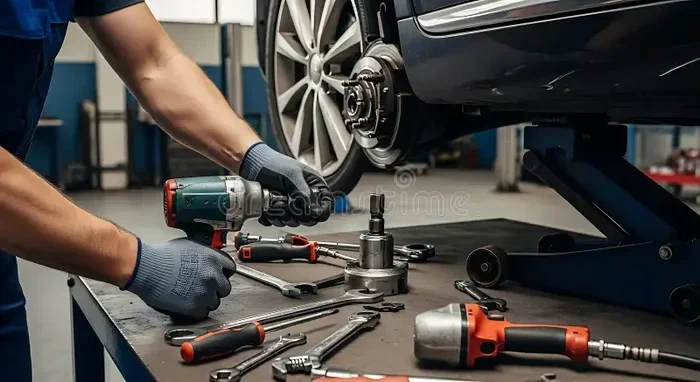
How Many CFM to Run Air Tools and Boost Your Performance
Knowing how many CFM to run air tools is the single most important factor in getting peak performance from your pneumatic equipment. CFM requirements vary significantly across tools—from light-duty nail guns needing just 2-3 CFM to heavy-duty sanders and impact wrenches demanding 10+ CFM. Matching your air compressor’s output to your tool’s demands prevents pressure drops, improves efficiency, and extends the life of both your compressor and your tools. This guide breaks down the exact CFM needs for every popular air tool so you can boost your performance and avoid costly mistakes.
How Many CFM to Run Air Tools and Boost Your Performance
If you have ever wondered how many CFM to run air tools, you are not alone. CFM stands for cubic feet per minute, and it is the lifeblood of every pneumatic tool you own. Without enough airflow, your impact wrench stalls, your nail gun misfires, and your sander leaves uneven marks. Understanding CFM requirements is the single most important step toward getting the most out of your air compressor and your tools.
Whether you are a weekend warrior in the garage or a professional contractor on a job site, matching the right CFM rating to your tools makes all the difference. In this guide, we will walk you through exactly what CFM means, what each tool needs, and how to choose a compressor that keeps everything running smoothly. You will also find practical tips to boost performance and avoid common mistakes that waste energy and time.
By the end of this article, you will know exactly what to look for when sizing your compressor. You will have a clear picture of airflow requirements for popular pneumatic tools, and you will feel confident making the right choice. Let us dive in.
Key Takeaways
- Check CFM first: Always verify your air tool’s CFM requirement before buying a compressor.
- Add extra capacity: Multiply your tool’s CFM by 1.5 to 2 for peak performance.
- Low CFM causes damage: Running a tool below its required CFM hurts performance and longevity.
- Multiple tools need more: Higher CFM lets you run several air tools at the same time.
- Use a receiver tank: It stores extra air and keeps your CFM output steady.
- Match PSI and CFM: Both ratings matter together for the best compressor and tool pairing.
- Maintain your compressor: Regular upkeep ensures your compressor delivers rated CFM over time.
📑 Table of Contents
- What Is CFM and Why Does It Matter for Air Tools
- CFM Requirements for Common Air Tools
- How to Match Your Air Compressor to Your Tools
- Factors That Affect CFM Performance
- Quick Tips to Maximize Air Tool Performance
- Expert Insights on Sizing Your Compressor the Right Way
- Final Thoughts on Choosing the Right CFM
What Is CFM and Why Does It Matter for Air Tools
CFM stands for cubic feet per minute. It measures the volume of air your compressor can deliver in one minute. Every pneumatic tool has a specific air consumption rate that tells you how much airflow it needs to operate at full power. If your compressor cannot supply enough CFM, the tool simply will not perform the way it should.
Think of it like a garden hose. If you try to run two sprinklers off a tiny hose, neither one gets enough water. The same principle applies to compressed air. When the airflow requirements are not met, tools run slow, overheat, or stop working altogether.
Understanding SCFM vs. CFM
You will often see two terms thrown around: SCFM and CFM. SCFM stands for standard cubic feet per minute. It measures airflow under ideal conditions, usually at sea level and 68 degrees Fahrenheit. CFM measures actual airflow at the tool, which can vary based on altitude, temperature, and humidity. For most users, SCFM gives you a baseline to compare tools and compressors. Always check both numbers when reading tool specifications.
Why CFM Directly Affects Tool Performance
When your compressor delivers the right amount of air compressor CFM, your tools run at their designed speed and torque. Impact wrenches drive bolts effortlessly. Brad nailers sink fasteners cleanly. Sanders glide across surfaces without stuttering. On the flip side, an undersized compressor leads to frustration, wasted time, and even damage to your tools over time.
CFM Requirements for Common Air Tools
Different tools need different amounts of airflow. A small finish nailer requires far less than a heavy-duty impact wrench. Below is a breakdown of CFM requirements for the most popular pneumatic tools you will encounter.
| Air Tool | Operating CFM | Operating PSI | Best For |
|---|---|---|---|
| Brad Nailer | 0.3 – 0.5 | 70 – 120 | Light trim work |
| Finish Nailer | 0.5 – 0.8 | 70 – 120 | Cabinetry and molding |
| Pin Nailer | 0.2 – 0.4 | 60 – 100 | Delicate assembly work |
| Framing Nailer | 2.0 – 3.0 | 90 – 130 | Framing and decking |
| Impact Wrench (3/8″) | 3.0 – 4.5 | 90 – 120 | Light automotive work |
| Impact Wrench (1/2″) | 4.0 – 6.0 | 90 – 120 | Heavy-duty fastening |
| Angle Grinder | 5.0 – 8.0 | 90 – 120 | Cutting and grinding |
| Dual-Action Sander | 6.0 – 10.0 | 90 – 120 | Auto body and wood finishing |
| Paint Sprayer | 8.0 – 14.0 | 40 – 60 | Large surface painting |
| Sandblaster | 10.0 – 18.0 | 90 – 120 | Surface preparation and cleaning |
As you can see from the table, the range is huge. A simple pin nailer needs barely any airflow, while a sandblaster demands a serious amount of compressed air capacity. Always check your tool’s manual for the exact CFM and PSI requirements before connecting it to your compressor.
Single-Tool vs. Multi-Tool Operations
If you only run one tool at a time, matching the compressor CFM to that single tool is straightforward. But many professionals run multiple tools simultaneously. For example, a mechanic might use an impact wrench while running an air ratchet at the same time. In those cases, you add up the CFM requirements of all active tools and then add a 25 to 30 percent buffer. That buffer accounts for pressure drops and ensures smooth, uninterrupted operation.
How to Match Your Air Compressor to Your Tools
Choosing the right compressor comes down to two key numbers: CFM output and tank size. The CFM rating tells you how much air the compressor can produce. The tank size acts as a buffer, storing compressed air so the motor does not have to run constantly. Both factors play a role in tool performance.
Calculating Your Total CFM Needs
Start by listing every tool you plan to use. Write down the CFM requirement for each one. If you run them simultaneously, add all the CFM values together. Then multiply that total by 1.25 to 1.30 for a safety margin. This gives you the minimum compressor capacity you should look for.
For example, if you plan to run a 1/2 inch impact wrench at 5 CFM and a dual-action sander at 8 CFM at the same time, your total is 13 CFM. Multiply by 1.25, and you need a compressor that delivers at least 16.25 CFM continuously.
Why Tank Size Matters for Sustained Performance
A larger tank does not increase the CFM your compressor produces, but it does store more compressed air. This means the motor cycles on less frequently, which reduces wear and tear and keeps a more consistent operating pressure. For tools that demand a steady stream of air like sanders and sprayers, a bigger tank makes a noticeable difference in performance.
If you are wondering whether your current setup is sufficient, you might want to check how to set PSI on your air compressor to make sure you are running at the right pressure for your tools.
Portable vs. Stationary Compressor Considerations
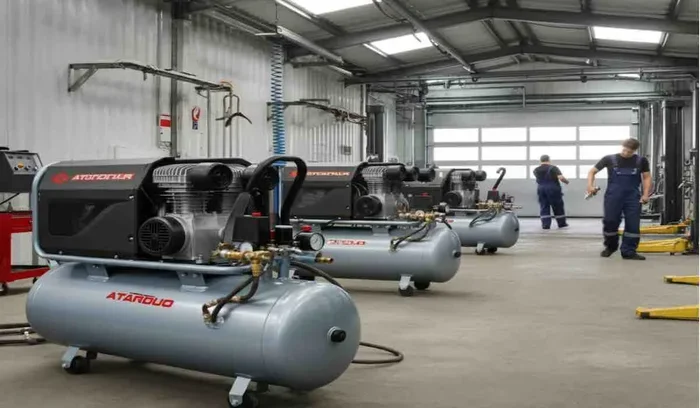
Portable air compressors are great for job sites and light-duty garage work. They typically deliver between 2 and 6 CFM, which covers most handheld pneumatic tools. Stationary or shop compressors can produce 10 CFM or more, making them ideal for heavy-duty operations and professional workshops. Your choice depends on where you work and what tools you use most often.
Factors That Affect CFM Performance
Getting the right CFM is not just about the numbers on a spec sheet. Several real-world factors can reduce the effective airflow your tools receive. Understanding these factors helps you troubleshoot problems and get the most from your setup.
Air Hose Diameter and Length
The hose connecting your compressor to your tool matters more than most people realize. A hose that is too narrow or too long creates friction loss, which reduces the airflow requirements at the tool end. For most tools, a 3/8 inch hose is the sweet spot. If you need to run a hose longer than 50 feet, consider stepping up to a 1/2 inch diameter to minimize pressure drop.
Regulator Settings and Pressure Relief
Your compressor’s regulator controls the output pressure. Setting it too high wastes energy and can damage sensitive tools. Setting it too low means your tools will not get the operating pressure they need. Always match the regulator setting to your tool’s recommended PSI. If you are unsure about the correct settings, you can learn more about adjusting PSI on your air compressor to dial in the perfect balance.
Duty Cycle and Motor Overheating
Duty cycle refers to how long a compressor can run continuously before it needs to cool down. A compressor with a 50 percent duty cycle can run for 10 minutes out of every 20. If you push it beyond that limit, the motor overheats and the CFM output drops. For extended work sessions, look for compressors with a higher duty cycle rating, ideally 70 percent or more.
Moisture and Contamination
Moisture buildup inside the air system can clog filters, corrode fittings, and reduce airflow over time. Using a moisture trap and regular maintenance keeps your system running clean. Dirty filters restrict air passage and effectively lower the CFM reaching your tools. A clean system delivers the air tool performance you expect.
Quick Tips to Maximize Air Tool Performance
Getting the right CFM is only half the battle. Here are some practical tips to help you get even more out of your pneumatic tools and compressor setup.
- Check fittings regularly. Loose fittings leak compressed air and waste CFM. A simple visual inspection before each use can save you hours of frustration.
- Use quick-connect fittings. These make switching between tools fast and help maintain a tight seal that prevents air loss.
- Keep your compressor clean. Dust and debris around the motor and intake vents restrict airflow and cause overheating. A clean compressor runs cooler and delivers more consistent CFM.
- Drain the tank after each use. Moisture collects in the tank over time. Draining it regularly prevents corrosion and keeps the air supply clean.
- Upgrade your air hose if needed. If you experience pressure drops at the tool end, a wider or shorter hose can make a significant difference in delivered CFM.
- Match the regulator to the tool. Always adjust the output pressure to match the specific tool you are using, not the other way around.
Common Mistakes That Waste CFM
Even experienced users make mistakes that silently rob their tools of airflow. Running a hose that is too long and too narrow is one of the most common culprits. Another is neglecting to replace worn seals and gaskets, which allow compressed air to escape before it reaches the tool. And many people simply run their compressor at the wrong PSI, either too high or too low, which throws off the entire airflow balance.
One mistake that catches people off guard is running multiple high-demand tools simultaneously without checking the total CFM load. Always add up the requirements first. If your compressor cannot keep up, it will cycle constantly and eventually overheat. If you are not sure whether your current compressor can handle your tool lineup, you might find it helpful to review whether you actually need an air compressor for your specific workflow.
Expert Insights on Sizing Your Compressor the Right Way
Professional contractors and experienced shop owners will tell you the same thing: always buy a compressor with more CFM than you currently need. This extra capacity gives you room to add tools later without having to replace the compressor. It also keeps the motor running under less stress, which extends its lifespan significantly.
A good rule of thumb is to choose a compressor that delivers at least 1.5 times the CFM of your most demanding tool. This ensures smooth operation even when conditions are less than ideal, such as on a hot day or at a high-altitude job site. The duty cycle matters just as much as the CFM number. A compressor that can sustain its rated output for longer periods gives you more productive work time and less downtime waiting for the tank to refill.
When shopping for a compressor, pay attention to the refill time as well. A compressor that delivers high CFM but takes a long time to refill the tank between cycles will not perform as well as one that refills quickly and keeps up with continuous demand. If you are running a compressor for the first time or troubleshooting startup issues, learning how to properly start your air compressor can make a big difference in overall performance and longevity.
Final Thoughts on Choosing the Right CFM
Understanding how many CFM to run air tools is the foundation of a smooth, efficient workflow. Whether you are running a simple brad nailer or a powerful sandblaster, matching your compressor’s output to your tool’s requirements saves time, reduces frustration, and protects your investment. The key takeaways are simple: know your tool’s CFM needs, add a safety buffer, account for simultaneous tool use, and choose a compressor with enough capacity and a suitable tank size to handle the job.
Do not overlook the smaller details either. Hose diameter, regulator settings, duty cycle, and regular maintenance all play a role in delivering the right amount of compressed air to your tools at the right pressure. A little attention to these factors goes a long way toward keeping everything running at peak performance.
Take some time to review your current tool collection and calculate your total CFM needs. If your compressor falls short, upgrading to a model with higher air compressor CFM output will transform your workflow. And if you are happy with your current setup, the tips and maintenance practices shared here will help you squeeze every bit of performance out of it. The right compressed air capacity paired with proper technique is the formula for getting the best results from every pneumatic tool in your shop.
Frequently Asked Questions
How Many CFM to Run Air Tools and Boost Your Performance?
The CFM you need depends on the specific tool you are using and its air consumption rating. Most handheld tools like impact wrenches and nail guns require between 2 and 6 CFM, while larger tools like sandblasters or grinders may need 8 to 15 CFM or more. Checking your tool’s manual for the required CFM is the best way to ensure peak performance.
What Does CFM Stand for and Why Does It Matter for Air Tools?
CFM stands for Cubic Feet per Minute, which measures the volume of air flowing through your compressor per minute. Air tools need a steady stream of compressed air to operate correctly, and insufficient CFM causes them to run poorly or stall. Matching your compressor’s output to your tool’s CFM requirement keeps everything running smoothly and efficiently.
How Many CFM Do I Need for Common Air Tools Like Impact Wrenches and Brad Nailers?
A standard 1/2-inch impact wrench typically needs around 4 to 5 CFM, while a brad nailer requires only about 0.3 to 0.5 CFM. Larger tools like die grinders or paint sprayers can demand 6 to 10 CFM or more depending on the model. Always check the tool’s label or manual to confirm its specific CFM rating before purchasing a compressor.
What Happens If My Compressor Does Not Provide Enough CFM for My Air Tools?
Your tools will run slowly, lose power, or stop working altogether when the compressor cannot supply enough CFM. This puts extra strain on both the tool and the compressor motor, which can lead to premature wear or failure. Using a compressor with the correct CFM ensures your tools perform at their best and last longer.
Can I Run Multiple Air Tools at Once and How Many CFM Will I Need?
Yes, you can run multiple tools simultaneously, but you must add up the CFM requirements of each tool to find your total demand. For example, running a 5 CFM impact wrench and a 4 CFM sander together means you need a compressor delivering at least 9 CFM. It is wise to add a 1.5 to 2 CFM buffer so your compressor does not run constantly at full capacity.
Should I Choose a Compressor With Higher CFM Than My Tools Require?
Yes, choosing a compressor with slightly higher CFM than your tools need gives you a comfortable margin for peak performance. A higher CFM rating also means the compressor cycles less often, which reduces wear and extends its lifespan. As a general rule, aim for a compressor that delivers at least 1.5 times the highest CFM requirement of any single tool you plan to use.