Where Are Flex Tools Made and What You Need to Know
Flex tools are manufactured across multiple global facilities, with a strong focus on quality and innovation. Where are flex tools made? The answer spans Germany, the United States, and several international production hubs. This guide covers the full story behind flex tool manufacturing, from factory floors to finished products.
If you have ever held a flex tool in your hand, you might have wondered — where are flex tools made? It is a simple question, but the answer opens up a fascinating world of manufacturing, engineering, and global craftsmanship. Flex tools have built a strong reputation in the tool industry for producing reliable, powerful, and durable equipment.
Whether you are a professional contractor or a weekend DIYer, knowing where your tools come from gives you confidence. It also helps you understand the manufacturing quality and standards behind every product. In this article, we will walk you through the entire journey of flex tool production. You will learn about their factories, their processes, and why these tools earn such strong trust from users worldwide.
The story of where flex tools are made is not just about factories. It is about a brand that cares deeply about tool production and the people who use their products every day. Let us dive in.
Key Takeaways
- Global Manufacturing: Flex tools are produced in multiple countries, including Germany and the United States.
- Quality Standards: Every flex tool goes through rigorous testing and quality control checks.
- Innovation Focus: Flex invests heavily in research and development to stay ahead in the tool industry.
- Professional Grade: Their tools are designed for both professionals and DIY enthusiasts.
- Sustainability Matters: Flex follows eco-friendly manufacturing practices at many of their facilities.
- Smart Buying: Understanding where your tools come from helps you make better purchasing decisions.
📑 Table of Contents
- The History Behind Flex Tools Manufacturing
- Where Are Flex Tools Made: The Key Manufacturing Locations
- The Manufacturing Process: How Flex Tools Are Built
- Why Manufacturing Location Matters for Tool Quality
- Flex Tools and the Broader Tool Industry
- What Customers Should Know Before Buying Flex Tools
- Common Mistakes People Make When Buying Flex Tools
- Expert Insights on Flex Tool Manufacturing
- Final Thoughts
The History Behind Flex Tools Manufacturing
Where It All Started
Flex has deep roots in the tool manufacturing world. The company began in Germany, a country known for precision engineering and high-quality craftsmanship. From the very beginning, Flex set out to build tools that professionals could rely on day after day. Their early focus was on angle grinders and cutting tools, which quickly gained popularity across Europe.
Over the decades, Flex expanded its reach. The brand started opening production facilities beyond Germany. Today, where flex tools are made includes several countries. This global approach allows them to serve customers more efficiently while maintaining the quality standards that made them famous.
Growth and Expansion
As demand for professional grade tools grew, Flex invested in new factories and modernized their production lines. They added facilities in the United States and other key markets. Each new location brought advanced machinery and skilled workers who shared the same commitment to excellence.
This expansion also helped Flex stay competitive in a crowded tool industry. By producing tools closer to their customers, they reduced shipping times and kept costs more manageable. The result? High-quality tools that reach users faster and in better condition.
Where Are Flex Tools Made: The Key Manufacturing Locations
Germany: The Birthplace of Flex
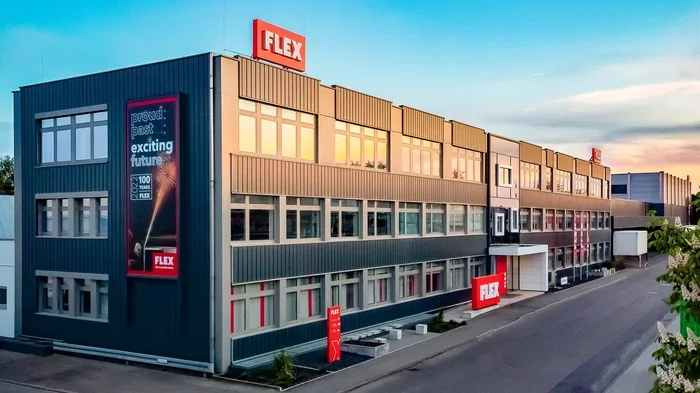
Germany remains the heart of Flex tool production. The original factories still operate at full capacity. German facilities are known for their strict manufacturing quality standards. Every tool that comes off these lines goes through multiple rounds of testing.
What makes German manufacturing special? It is the attention to detail. Workers at Flex factories in Germany follow precise procedures. They use advanced tool assembly techniques and cutting-edge technology. This ensures that every product meets the brand’s high expectations before it ever reaches a user’s hands.
United States Production Facilities
Flex also operates manufacturing facilities in the United States. These plants serve the North American market and help keep production costs lower. The US facilities follow the same strict quality control processes as the German factories.
Having production in the US also means faster delivery for American customers. You do not have to wait weeks for a tool to arrive from overseas. This is a big advantage for professionals who need their productivity tools for work on short notice. If you want to learn more about how productivity tools boost work efficiency, check out our guide on productivity tools for work.
International Production Hubs
Beyond Germany and the US, Flex has partnerships and production arrangements in several other countries. These international hubs help distribute manufacturing across different regions. This strategy reduces risk and ensures a steady supply of tools no matter where you live.
Each international facility must meet Flex’s strict standards. The company audits its partners regularly. This ensures that every factory, no matter where it is located, produces tools that match the Flex brand promise.
The Manufacturing Process: How Flex Tools Are Built
Design and Engineering
Every flex tool starts with an idea. Engineers and designers work together to create tools that are powerful, lightweight, and easy to use. They use advanced computer-aided design (CAD) software to model every part. This digital process helps catch problems before any metal is cut.
The design phase also focuses on ergonomics. Flex wants their tools to feel comfortable in your hand, even after hours of use. They study how professionals work and build their tools around real-world needs. This is why where flex tools are made matters — the entire process starts with understanding the user.
Material Selection and Sourcing
Once the design is finalized, the team selects materials. Flex uses high-grade metals, durable plastics, and advanced composites. They source these materials from trusted suppliers around the world. Each material batch goes through testing to verify it meets specifications.
Material quality is one of the reasons flex tools last so long. Cheap materials lead to cheap tools that break quickly. Flex avoids this by investing in the best raw materials available. This commitment to quality starts long before any tool is assembled.
Assembly and Testing
The assembly process combines human skill with automated machinery. Skilled technicians put together the most critical components. Machines handle repetitive tasks with precision. After assembly, every tool undergoes a series of performance tests.
These tests check for power output, durability, and safety. Tools that do not pass are removed from the production line. This strict quality control process ensures that only the best tools carry the Flex name. When you buy a flex tool, you can trust that it has earned its place on the shelf.
Why Manufacturing Location Matters for Tool Quality
Standards and Regulations
Different countries have different manufacturing regulations. Germany, for example, enforces some of the strictest standards in the world. Tools made in Germany must meet rigorous safety and performance requirements. This is a big reason why flex tools made in Germany carry such a strong reputation.
US manufacturing facilities also follow strict guidelines. The Occupational Safety and Health Administration (OSHA) sets workplace safety standards. Environmental regulations ensure that factories minimize their impact. When you buy a tool made in these regions, you support responsible manufacturing.
Skilled Workforce
Manufacturing location also affects access to skilled labor. Germany has a long tradition of vocational training. Workers at Flex factories often have years of experience and specialized training. This expertise shows in the finished product.
In the US, Flex also employs skilled workers who bring their own expertise. The combination of trained personnel and modern equipment creates a powerful production environment. This is why the question “where are flex tools made” has such an important answer — the people matter just as much as the machines.
Impact on Pricing
Manufacturing location can affect the price of tools. Producing in Germany involves higher labor costs, but the quality reflects that investment. US production helps balance costs while still maintaining high standards. International hubs can offer competitive pricing for certain product lines.
When you compare flex tools to cheaper alternatives, the difference becomes clear. Lower-priced tools often come from facilities with fewer quality controls and less skilled labor. Flex tools cost a bit more, but they also last longer and perform better. For professionals who depend on their tools daily, this is a smart investment.
Flex Tools and the Broader Tool Industry
Competing Brands and Manufacturing Practices
The tool industry is highly competitive. Brands like DeWalt, Milwaukee, and Bosch also manufacture tools across multiple countries. Each brand has its own approach to production and quality control. Flex stands out for its German engineering heritage and commitment to precision.
Understanding how different brands manufacture their tools helps you make informed choices. Some brands outsource production to reduce costs. Flex keeps much of its production in-house. This gives them greater control over the manufacturing quality of every product. If you are interested in how other tools fit into your workflow, explore our article on process workflow tools to see how the right equipment streamlines operations.
The Role of Technology in Modern Tool Manufacturing
Technology has transformed how tools are made. Flex uses robotics, automation, and data analytics to improve their production lines. These technologies help reduce errors and increase efficiency. They also allow Flex to produce tools more consistently than manual methods alone.
Smart manufacturing also helps Flex track quality in real time. Sensors monitor every step of the production process. If something goes wrong, the system flags it immediately. This level of precision is why where are flex tools made matters — modern factories produce better tools than ever before.
What Customers Should Know Before Buying Flex Tools
Check the Label
When you shop for flex tools, look at where they are made. Most flex tools have a label or stamp that indicates their country of origin. Tools made in Germany often carry a premium price, but they also offer top-tier quality. US-made tools provide excellent value and faster availability.
Knowing the origin helps you set expectations. A tool made in Germany might have slightly different build characteristics than one made elsewhere. Both are high quality, but they reflect the standards of their respective manufacturing locations.
Warranty and Support
Flex offers strong warranties on their products. Where a tool is made can sometimes affect warranty coverage. It is always a good idea to check the warranty terms before purchasing. This is especially true if you buy tools from international sellers or secondhand markets.
Good customer support also matters. Flex has built a reputation for standing behind their products. Their support team can help with warranty claims, replacement parts, and general questions. This level of service reflects the brand’s confidence in their tool assembly and manufacturing processes.
Maintenance and Longevity
No matter where flex tools are made, proper maintenance extends their lifespan. Keep your tools clean and stored in a dry place. Replace worn parts promptly. Follow the manufacturer’s guidelines for use and care.
Well-maintained flex tools can last for years, even decades. This is one of the main reasons professionals keep coming back to the brand. A tool that is built to last is a tool that saves you money over time.
Common Mistakes People Make When Buying Flex Tools
Ignoring the Country of Origin
Many buyers skip checking where a tool was manufactured. This is a mistake. The country of origin tells you a lot about the manufacturing quality and standards behind the product. Always check the label and do a quick search if you are unsure.
Choosing Price Over Quality
It is tempting to go with the cheapest option. But cheap tools often mean cheap materials and less rigorous testing. Flex tools cost more because they are built better. Investing in quality saves you money in the long run by reducing replacements and downtime.
Not Researching the Brand
Some buyers pick tools based on looks alone. They do not research the brand or read reviews. Taking a few minutes to learn about flex tool manufacturing can save you from disappointment. Look for reviews, check warranties, and understand what makes the brand different.
Expert Insights on Flex Tool Manufacturing
Industry experts consistently praise Flex for their manufacturing standards. According to tool reviewers and professional users, flex tools deliver consistent performance across their product line. The German engineering background gives them a unique edge in precision and durability.
Experts also highlight the importance of understanding where are flex tools made when comparing brands. Manufacturing location affects everything from material quality to assembly precision. When you know the story behind your tools, you can use them with more confidence and make better decisions for your workshop or job site.
For professionals who rely on tools daily, this knowledge is invaluable. It helps you choose the right equipment and trust your investment. Whether you are buying a new angle grinder or a set of cutting discs, knowing the manufacturing background gives you an edge.
Final Thoughts
So, where are flex tools made? The answer spans Germany, the United States, and several international production hubs. Each location plays a vital role in bringing high-quality tools to users around the world. From the design table to the factory floor, every step reflects Flex’s commitment to excellence.
Understanding the manufacturing process behind flex tools helps you appreciate what you are buying. These are not mass-produced items thrown together quickly. They are carefully engineered, precisely assembled, and rigorously tested products built to last. The next time you pick up a flex tool, you will know the story behind it.
If you are looking to upgrade your toolkit or find the right tools for a new project, flex tools are an excellent choice. Their global manufacturing network ensures quality no matter where you live. And with proper care, a flex tool can serve you for many years to come. For more insights on how the right tools improve your workflow, check out our article on business process optimization tools to see how efficiency starts with the right equipment.
Make informed choices. Buy tools you can trust. And always know where they come from.
Frequently Asked Questions
What does “flex tools” refer to in the tool industry?
Flex tools is a brand known for producing high-quality power tools, especially angle grinders and cutting equipment. They have a strong reputation for German engineering and durable, professional-grade equipment.
Are all flex tools made in Germany?
No, not all flex tools are made in Germany. While Germany is the brand’s birthplace and a key production hub, flex also manufactures tools in the United States and through international production partners. The country of origin is usually listed on the product label.
How can I find out where my flex tool was manufactured?
Check the product label, packaging, or the tool itself for a country-of-origin stamp. You can also visit the official Flex website or contact their customer support for specific details about your model.
Do flex tools made in different countries have different quality?
Flex maintains consistent quality standards across all their manufacturing locations. However, tools made in Germany are often seen as the premium line due to the brand’s heritage and the country’s strict manufacturing regulations.
Why are flex tools more expensive than some other brands?
Flex tools cost more because they use high-quality materials, advanced manufacturing processes, and rigorous testing. The brand’s German engineering heritage and commitment to durability also contribute to the higher price point.
Can I buy flex tools online and trust their authenticity?
Yes, you can buy flex tools online from authorized retailers. Always check the seller’s reputation, verify warranty terms, and confirm the product’s country of origin to ensure you are getting authentic flex tools.