What Tools Are Needed for Bolts and Nuts Complete Guide
Knowing the right tools needed for bolts and nuts makes any project faster and safer. This guide covers everything from basic socket sets to advanced pneumatic impact wrenches. You will learn which hand tools, power tools, and accessories to have in your toolbox for every bolt and nut task.
Every project involving bolts and nuts starts with having the right gear in your hands. Whether you are fixing a car, building a deck, or assembling furniture, the tools needed for bolts and nuts make all the difference between a smooth job and a frustrating one.
Many people grab whatever wrench is nearby and hope for the best. That approach often leads to stripped bolts, damaged nuts, or even injuries. The good news is that you do not need a massive workshop to get the job done right. A well-chosen set of fastener tools can handle most tasks around the home or garage.
This guide walks you through every tool you need, from the basics to the specialized gear. By the end, you will know exactly what to buy, what to skip, and how to use each tool safely and effectively. Let us dive in and build your ultimate bolt and nut toolkit.
Key Takeaways
- A quality socket wrench set is the foundation of any bolt and nut toolkit you will ever need.
- Torque wrenches ensure precision and prevent over-tightening or under-tightening fasteners.
- Pneumatic and electric impact wrenches save time on tough, rusted, or stubborn bolts.
- Specialty tools like bolt extractors and nut splitters handle difficult removal jobs with ease.
- Proper maintenance of your tools keeps them lasting longer and performing better every time.
- Having the right accessories matters just as much as having the main tools in your kit.
- Matching the tool to the bolt size and material prevents damage and ensures safety.
📑 Table of Contents
- Essential Hand Tools for Bolts and Nuts
- Power Tools That Make Bolt Work Faster
- Specialty Tools for Difficult Jobs
- Essential Accessories and Supporting Gear
- How to Choose the Right Tools for Your Needs
- Common Mistakes People Make with Bolt and Nut Tools
- Building Your Ultimate Bolt and Nut Toolkit
- Conclusion
Essential Hand Tools for Bolts and Nuts
Hand tools form the backbone of any bolt and nut work. They are reliable, affordable, and do not need electricity or air pressure to function. Every toolbox should start with these fundamentals.
Socket Wrench Set
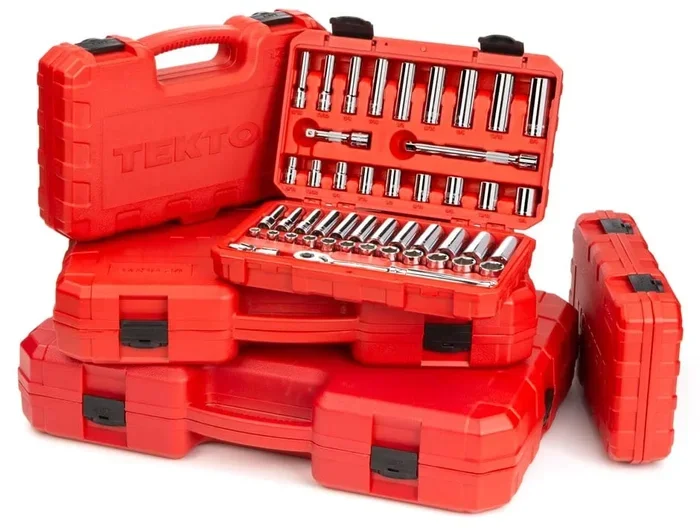
A socket wrench set is the single most important tool for working with bolts and nuts. It comes with a handle and a collection of sockets in different sizes. You can swap sockets quickly to match the bolt head or nut you are working on.
Look for a set that includes both metric and standard sizes. A ratcheting handle lets you tighten or loosen bolts without lifting the tool off the fastener each time. This saves a huge amount of time and effort, especially on projects with many bolts.
Most socket sets come in chrome-vanadium steel, which is strong and durable. A good set will last you decades if you take care of it. Start with a 12-point socket set for better grip on stubborn nuts.
Adjustable Wrench
An adjustable wrench is your go-to tool when the bolt or nut size does not match any socket you have. The jaw opens wide or narrows to fit different sizes. It is incredibly versatile and fits in any toolbox.
Use it for plumbing fittings, furniture assembly, and general repairs. Just remember to tighten the jaw before applying force. A loose adjustable wrench slips easily and can damage the fastener or your hand.
Combination Pliers
Combination pliers do more than just grip. They have cutting edges, a gripping jaw, and a pulling section. When working with bolts and nuts, they help hold parts steady while you turn a wrench.
They also come in handy for cutting zip ties, bending wire, and pulling out old fasteners. Keep a pair of needle-nose pliers in your kit too for tight spaces where regular pliers cannot reach.
Hex Key Set
Many bolts use hexagonal sockets instead of external heads. These require hex keys, also called Allen keys. They come in L-shape or folding sets and cover a range of sizes.
You will find hex bolts in bicycles, furniture, appliances, and machinery. A good hex key set is small, inexpensive, and surprisingly essential. Do not overlook this tool when building your kit.
Power Tools That Make Bolt Work Faster
Hand tools get the job done, but power tools take your speed and capability to the next level. These tools are especially helpful when dealing with large bolts, rusted fasteners, or projects with dozens of nuts and bolts.
Impact Wrench
An impact wrench is a game-changer for any serious bolt work. It delivers powerful rotational force that loosens even the most stubborn fasteners. You will find two main types: pneumatic and electric.
Pneumatic impact wrenches run on compressed air and are incredibly powerful. Many homeowners use an air compressor for home projects to power these tools effectively. Electric impact wrenches run on batteries or cords and offer more portability.
Impact wrenches are perfect for automotive work, deck building, and heavy equipment assembly. They save enormous time compared to manual wrenches. However, use them carefully because they can easily over-tighten bolts if you are not paying attention.
Electric Drill with Socket Adapter
A regular electric drill becomes a useful bolt-driving tool with the right adapter. Socket adapters and bit holders let you use drill bits and sockets with your drill.
This works well for installing bolts where you need consistent, controlled force. Just set your drill to the correct torque setting if it has one. For most DIY tasks, a standard drill with a socket adapter handles the job perfectly.
Breaker Bar
A breaker bar is a long-handled tool that gives you extra leverage to loosen tight bolts. Unlike an impact wrench, it does not use power. Instead, it uses your body weight and the length of the bar to create torque.
Breaker bars are especially useful for rusted or over-tightened bolts where an impact wrench might not reach. They are lightweight, inexpensive, and a great backup tool to keep in your garage.
Specialty Tools for Difficult Jobs
Sometimes standard tools are not enough. Stuck bolts, broken fasteners, and tight spaces call for specialty equipment. These tools solve problems that regular wrenches simply cannot handle.
Bolt Extractor Set
A bolt extractor saves the day when a bolt head is stripped or broken. You drill a small hole into the broken bolt, then use the extractor to reverse it out. It is a simple tool that prevents you from having to replace entire parts.
Bolt extractors come in different sizes to match various bolt diameters. Keep a set in your toolbox because you never know when you will need one. They are much cheaper than replacing a damaged component.
Nut Splitter
When a nut is welded, rusted, or otherwise impossible to turn, a nut splitter cuts through it cleanly. You place the splitter around the nut, then tighten the screw until the blade slices through the nut.
This tool is invaluable for automotive and industrial work. It preserves the bolt underneath, which means you can reuse the bolt after removing the damaged nut. Nut splitters are small, affordable, and surprisingly effective.
Torque Wrench
A torque wrench lets you apply a specific amount of force to a bolt or nut. This is critical for tasks where over-tightening could cause damage or under-tightening could create a safety hazard.
You will need a torque wrench for engine work, wheel lug nuts, and precision assemblies. The wrench clicks or signals when you reach the correct torque setting. This takes the guesswork out of fastening and keeps your projects safe and reliable.
Bolt Cutter
A bolt cutter is a heavy-duty cutting tool designed to slice through bolts, chains, and padlocks. It uses leverage to cut through hardened steel with ease.
Keep a bolt cutter handy for cutting off broken bolts, trimming excess bolt length, or removing old fasteners. They come in different sizes, from compact hand-held models to large long-handled versions for heavy-duty cutting.
Essential Accessories and Supporting Gear
The right accessories make your bolt and nut work smoother and safer. These supporting items are easy to overlook but make a big difference in your results.
Lubricants and Penetrating Oils
Rusted and seized bolts are every DIYer’s nightmare. Penetrating oils like WD-40 or PB Blaster break down rust and corrosion, making stuck bolts much easier to remove.
Apply the oil and wait at least 15 minutes before trying to turn the bolt. For severely rusted fasteners, let the oil soak for several hours or overnight. This simple step can save you from breaking bolts or damaging surrounding parts.
Thread Repair Kits
Stripped threads happen to everyone eventually. A thread repair kit lets you fix damaged bolt holes without replacing the entire part. These kits include taps and dies that restore the threads to their original condition.
Thread repair kits are especially useful for automotive and machinery work. They extend the life of your equipment and save money on replacement parts. Every serious toolbox should have one.
Safety Equipment
Working with bolts and nuts involves force, sharp edges, and potential flying debris. Safety glasses protect your eyes from metal shavings and broken fasteners. Work gloves improve your grip and protect your hands from cuts and blisters.
Wear closed-toe shoes when working on heavy projects. If you use power tools, consider hearing protection as well. Safety should always come first, no matter how simple the job seems.
How to Choose the Right Tools for Your Needs
Not every project requires the same set of tools. Choosing the right gear depends on the type of work you do, the materials you work with, and your budget. Here is how to make smart choices.
Consider Your Typical Projects
If you mostly do light home repairs and furniture assembly, a basic hand tool set will serve you well. Focus on quality sockets, an adjustable wrench, and a torque wrench. These three tools handle the vast majority of household bolt and nut tasks.
For automotive or heavy-duty work, invest in power tools like an impact wrench and breaker bar. You will also need specialty tools like bolt extractors and nut splitters. The right tools depend entirely on what you plan to do.
Match Tools to Bolt and Nut Sizes
Using the wrong size tool is one of the fastest ways to damage a fastener. Always check the bolt or nut size before selecting your tool. A bolt gauge helps you measure bolt diameter and thread pitch accurately.
Keep a chart or reference guide in your toolbox for quick size matching. This small habit prevents stripped heads, rounded nuts, and wasted time on the job.
Invest in Quality Over Quantity
It is better to have fewer high-quality tools than many cheap ones. Quality tools last longer, fit better, and perform more reliably. Look for brands known for durability and precision in their hand tools and power equipment.
A single good torque wrench from a reputable brand will outperform five cheap ones over time. Your tools are an investment in your work quality and safety.
Maintain Your Tools Properly
Proper maintenance keeps your tools working at their best. Wipe down tools after each use to remove grease, moisture, and debris. Store them in a dry place to prevent rust and corrosion.
If you use pneumatic tools powered by an air compressor, make sure to use the right oil for your equipment. Regular maintenance of your compressor and pneumatic tools ensures consistent performance every time you need them.
Sharpen cutting tools like bolt cutters and nut splitters regularly. Replace worn sockets and wrench jaws before they damage your fasteners. A well-maintained tool kit is a safe and efficient tool kit.
Common Mistakes People Make with Bolt and Nut Tools
Even experienced DIYers make mistakes with their tools. Learning from others’ errors saves you time, money, and frustration. Here are the most common pitfalls to avoid.
Using the wrong size socket. This is the number one cause of stripped bolt heads. Always double-check the size before applying force. A socket that is slightly too small will round the corners of the bolt.
Applying too much force with an impact wrench. Power tools make it easy to over-tighten bolts. Always follow torque specifications for critical applications like wheel lug nuts and engine bolts. An electric impact wrench needs proper power and control to work safely.
Ignoring rust and corrosion. Forcing a rusted bolt without penetrating oil will almost always break it. Take the time to apply oil and let it work before reaching for your tools.
Not using a torque wrench when required. Many critical fasteners need a specific torque value. Guessing leads to over-tightening or under-tightening, both of which can be dangerous. A torque wrench removes the guesswork entirely.
Building Your Ultimate Bolt and Nut Toolkit
Now that you know what tools are needed for bolts and nuts, it is time to build your ideal toolkit. Start with the essentials and add specialty tools as your projects demand. A well-organized toolbox saves you time and frustration on every job.
Begin with a solid socket wrench set, an adjustable wrench, combination pliers, and a torque wrench. Add an impact wrench for heavy-duty tasks and a breaker bar for extra leverage. Include specialty tools like bolt extractors and nut splitters for those tough situations.
Stock up on penetrating oil, thread repair kits, and safety gear. Keep everything organized in a toolbox or bag so you can find what you need quickly. A well-stocked and maintained toolkit gives you confidence to tackle any bolt and nut project that comes your way.
The right tools transform bolt and nut work from a chore into a satisfying task. You will work faster, safer, and with better results every single time. Start building your toolkit today and enjoy the difference quality tools make.
Conclusion
Having the right tools needed for bolts and nuts is the foundation of every successful project. From basic socket wrenches to specialty extractors, each tool plays a specific and important role. Hand tools give you control and precision, while power tools deliver speed and raw force for tough jobs.
Do not overlook the importance of accessories like lubricants, safety gear, and thread repair kits. These supporting items keep your tools working well and your projects running smoothly. Quality matters more than quantity, so invest in tools that will last and perform reliably.
Maintain your tools properly, match them to the right fastener sizes, and always prioritize safety. With the right toolkit and the knowledge to use it, you can handle any bolt and nut challenge with confidence. Start building your collection today and take pride in every job you complete.
Frequently Asked Questions
What are the most essential tools for working with bolts and nuts?
The most essential tools include a socket wrench set, adjustable wrench, torque wrench, and combination pliers. These four tools handle the vast majority of bolt and nut tasks around the home and garage. Adding an impact wrench and breaker bar takes your capability to the next level for heavier jobs.
Do I need a power tool or are hand tools enough?
Hand tools are sufficient for most household projects like furniture assembly and light repairs. Power tools like impact wrenches become necessary for automotive work, deck building, and projects with many large or rusted fasteners. Choose based on the type and scale of work you typically do.
How do I prevent stripping bolts when using tools?
Always use the correct size socket or wrench for the bolt or nut. Apply penetrating oil to rusted fasteners before attempting to turn them. Use a torque wrench for critical applications to avoid over-tightening. These simple habits prevent most stripping and damage issues.
What is the best way to remove a broken bolt?
A bolt extractor set is the best tool for removing broken bolts. You drill a small hole into the broken bolt shaft, then use the extractor to reverse it out. Applying penetrating oil beforehand and using patience makes the process much smoother and more successful.
How often should I replace my socket wrench set?
A quality socket wrench set can last for decades with proper care. Replace individual sockets if they become worn, chipped, or rounded. Check your wrench handle for any looseness or damage regularly. Keep your tools clean, dry, and well-oiled to maximize their lifespan.
Can I use any air compressor with my pneumatic impact wrench?
Not all air compressors are suitable for every pneumatic tool. Check the pressure requirements (PSI) and air volume (CFM) of your impact wrench and match them to your compressor. Using a compressor with insufficient power will result in poor tool performance and frustration.