How to Start a Generator for the Very First Time
Starting a generator for the first time can feel overwhelming, but it does not have to be. This guide walks you through every step of how to start a generator safely and confidently. You will learn the setup, the startup process, common mistakes, and essential safety tips. By the end, you will feel ready to power up your generator like a pro.
So you just bought your first generator. Maybe it is a portable generator for camping trips. Maybe it is a backup power source for your home. Either way, you are probably wondering how to start a generator without making mistakes. The good news is that starting a generator for the first time is simpler than most people think. You just need a clear plan and a little patience.
This guide will take you through the entire process step by step. You will learn what to check before you start, how to actually fire up the engine, and what to do after the generator is running. We will also cover common mistakes and safety tips that every first-timer needs to know. By the time you finish reading, you will feel confident and prepared.
Key Takeaways
- Read your manual first: Every generator is different, and the manual has model-specific instructions you need.
- Check fuel and oil before starting: Running a generator without proper fuel or oil can cause serious engine damage.
- Set the choke and throttle correctly: These small controls make a big difference in how smoothly your generator starts.
- Never run a generator indoors: Carbon monoxide is a deadly risk that is easy to avoid with proper placement.
- Let the generator warm up before plugging in devices: This protects your electronics and extends the life of your machine.
- Regular maintenance keeps your generator reliable: Simple tasks like oil changes and fuel stabilizer use go a long way.
📑 Table of Contents
What You Need Before You Start
Before you even think about turning the key or pulling the cord, you need to gather a few things. Skipping this step is the number one mistake new generator owners make. Taking five minutes to prepare will save you a lot of trouble later.
Your Generator Manual
The first thing you should do is grab your generator manual. Yes, it is tempting to toss that paper in a drawer. But the manual contains specific instructions for your model. It tells you the correct fuel type, the oil capacity, and the starting procedure. Every portable generator is slightly different, so this is your best friend.
Fresh Fuel and the Right Oil
Check your fuel tank before anything else. If the gas has been sitting in the tank for more than 30 days, it may have gone stale. Old fuel causes hard starts and engine problems. Use fresh gasoline and make sure it is the type recommended in your manual.
Next, check the oil level. Most generators need a small amount of 10W-30 engine oil. Use the dipstick to check the level. If it is low, add oil until it reaches the full mark. Running a generator without enough oil can destroy the engine in minutes.
A Level Surface Outdoors
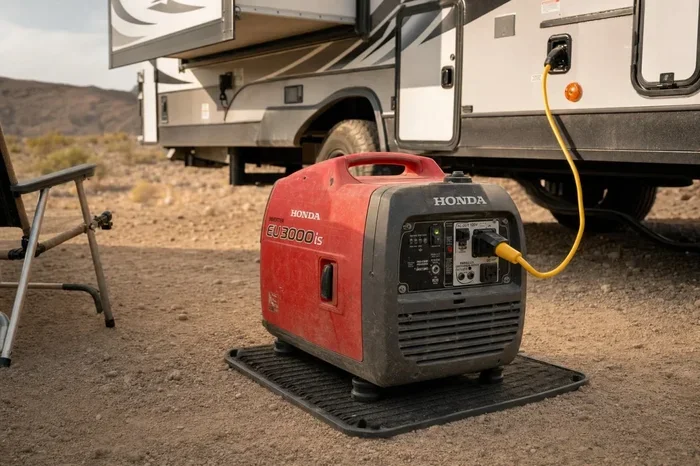
You will need a flat, stable surface to place your generator. Never start a generator on an uneven ground. A level surface keeps the fuel flowing properly and prevents the machine from tipping over. Also, always set up your generator outside, away from windows and doors.
Extension Cords and Surge Protectors
If you plan to plug in appliances or devices, have your heavy-duty extension cords ready. Use cords rated for outdoor use and match the wattage to what you will be running. A surge protector adds an extra layer of protection for your electronics. These small prep steps make a huge difference in how smoothly your generator startup goes.
How to Start a Generator: Step-by-Step Guide
Now that you are prepared, let us walk through the actual starting process. Follow these steps in order, and you will have your generator running in no time.
Step 1: Place the Generator on a Level Surface
Move your generator to the outdoor location you have chosen. Make sure the ground is flat and firm. Concrete, flat grass, or a sturdy table all work well. Do not place it on soft soil that might sink or on a surface that could slide.
Step 2: Turn the Fuel Valve On
Locate the fuel valve on your generator. This is usually a small lever or knob near the bottom of the fuel tank. Turn it to the “on” position. This allows fuel to flow from the tank to the engine. If you skip this step, the generator will not start, no matter how hard you try.
Step 3: Set the Choke Lever
The choke controls the air-to-fuel ratio in the engine. For a cold start, set the choke to the “closed” or “full” position. This restricts air flow and creates a richer fuel mixture, which helps the engine fire up. Once the generator warms up, you will move the choke to the open position.
Step 4: Turn the Engine Switch On
Find the engine switch, which is usually a simple toggle or button. Flip it to the “on” position. This sends power to the spark plug so the engine can ignite the fuel. Some models also have a carburetor heat switch. If yours does, set it to the “on” position for cold starts.
Step 5: Pull the Recoil Cord or Press the Electric Start Button
If your generator has a pull-start cord, give it a firm, steady pull. Do not yank it too hard. Let the cord pull back gently before pulling again. If your model has an electric start, simply press the button or turn the key.
If the generator does not start on the first try, do not panic. Wait about 10 seconds between attempts. Too many rapid pulls can flood the engine with fuel. If it still does not start after several tries, check the choke position and fuel valve.
Step 6: Move the Choke to the Run Position
Once the engine is running, let it idle for about two minutes. Then slowly move the choke lever to the “run” or “open” position. This allows the engine to breathe normally and reach its proper operating temperature. If the engine starts to sputter, move the choke back slightly until it smooths out.
Step 7: Let the Generator Warm Up Before Plugging In Devices
This is a step many people skip, but it matters. Give your generator a full minute or two to warm up before you connect any devices. Plugging in appliances too early can cause voltage fluctuations. These fluctuations can damage sensitive electronics like laptops, phones, and televisions.
Step 8: Plug In Your Devices and Monitor the Load
Now you can start connecting your devices. Plug them in one at a time rather than all at once. This prevents a sudden power surge that can trip the generator breaker. Keep an eye on the total wattage of the devices you are running. Do not exceed the generator’s rated power output. If the generator starts to slow down or sound strained, turn off some devices to reduce the load.
Common Mistakes People Make When Starting a Generator
Even with the best instructions, first-time generator users tend to make a few common errors. Knowing these mistakes ahead of time helps you avoid them entirely.
Forgetting to Check the Oil
This is the most common mistake of all. People get excited and skip the oil check. Running a generator with low or no oil causes the engine to seize up. Always check the oil level before every startup, even if you just used the generator yesterday.
Using Old or Contaminated Fuel
Gasoline degrades quickly. After about 30 days, it starts to break down and form gummy deposits. These deposits clog the carburetor and make starting difficult. Always use fresh fuel, and consider adding a fuel stabilizer if you plan to store the generator for more than a few weeks.
Running the Generator Indoors or in a Garage
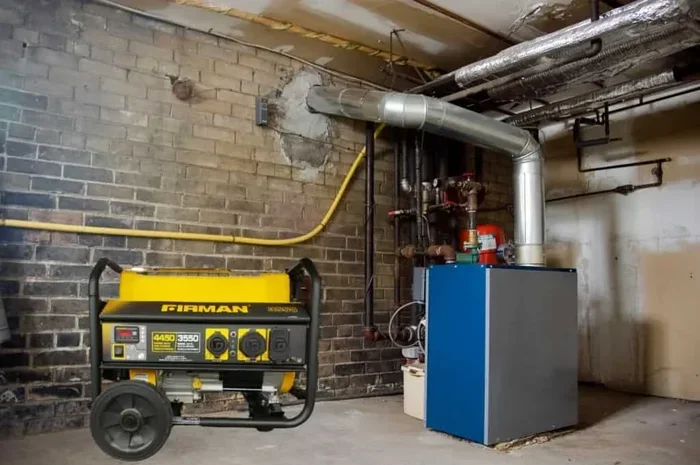
This cannot be stressed enough. Generators produce carbon monoxide, which is a colorless, odorless, and deadly gas. Running a generator inside a garage, basement, or near an open window can lead to carbon monoxide poisoning in minutes. Always run your generator outside, at least 20 feet away from any building opening.
Overloading the Generator
It is tempting to plug in everything at once. But every generator has a maximum power output, measured in watts. Exceeding this limit can damage both the generator and your connected devices. Check the wattage of each device and add them up before plugging anything in.
Ignoring the Breaker
If your generator keeps tripping the breaker, something is wrong. It could be an overloaded circuit, a short circuit, or a faulty device. Do not just keep resetting the breaker and plugging more things in. Turn off all devices, figure out the problem, and then try again.
Safety Tips Every First-Timer Should Know
Generators are powerful machines, and they demand respect. Following these safety tips keeps you and your family safe while using your generator.
Carbon Monoxide Awareness
Carbon monoxide kills more people each year than house fires. A portable generator produces a significant amount of this gas. Always position the exhaust away from windows, doors, and vents. If you have a carbon monoxide detector in your home, make sure it is working and has fresh batteries.
Keep the Generator Dry
Water and electricity are a dangerous combination. Never operate a generator in rain or wet conditions unless it is under a proper canopy or generator tent. Water can enter the outlets and cause electrical shock or short circuits. Keep your hands dry when handling the generator or plugging in cords.
Store Fuel Safely
Keep gasoline in an approved fuel container stored in a cool, well-ventilated area away from the generator. Never refuel the generator while it is running or still hot. Let the engine cool down completely before adding more fuel. Spilled fuel on hot engine parts can ignite instantly.
Use the Right Extension Cords
Not all extension cords are created equal. Use cords that are rated for outdoor use and heavy enough to handle the wattage of your devices. Thin or damaged cords can overheat and start a fire. Look for cords with a grounded three-prong plug for added safety.
Keep Children and Pets Away
Generators are not toys. The exhaust gets extremely hot, and the moving parts can cause injury. Establish a safety zone around the generator and make sure children and pets stay well away from it while it is running.
How to Keep Your Generator Running Smoothly
Starting your generator is only half the battle. Proper maintenance ensures it is ready to go every time you need it. A well-maintained generator lasts for years and performs reliably.
Change the Oil Regularly
Check your manual for the recommended oil change interval. Most generators need an oil change after the first 20 to 30 hours of use, and then every 100 hours after that. Fresh oil keeps the engine lubricated and running smoothly. Always use the oil type recommended by the manufacturer.
Use Fuel Stabilizer for Long-Term Storage
If you do not plan to use your generator for more than a month, add fuel stabilizer to the tank. This prevents the gasoline from breaking down and forming deposits. Run the generator for a few minutes after adding stabilizer so the treated fuel reaches the carburetor and fuel lines.
Check the Air Filter
A dirty air filter restricts airflow to the engine, which makes starting harder and reduces performance. Check the air filter every few uses and clean or replace it as needed. Most air filters can be cleaned with soap and water and then dried completely before reinstalling.
Inspect the Spark Plug
The spark plug ignites the fuel in the engine. Over time, it can become fouled or worn. Check the spark plug every season and clean it with a spark plug brush. If the electrode is damaged or heavily corroded, replace it with a new one. This is a small part that makes a big difference in how easily your generator starts.
Run the Generator Monthly
If your generator sits unused for long periods, start it up once a month and let it run for about 15 minutes. This keeps the internal components lubricated and prevents fuel system issues. It also gives you a chance to spot any problems before you actually need the generator in an emergency.
When to Call a Professional
Most generator startups go smoothly if you follow the steps in this guide. But sometimes, things go wrong. Knowing when to call a professional saves you time, money, and frustration.
If your generator refuses to start after multiple attempts, there may be a deeper issue. Possible causes include a clogged carburetor, a faulty spark plug, or a malfunctioning starter motor. These repairs require technical knowledge and specialized tools. If you are not comfortable working on the engine yourself, it is perfectly fine to call a technician.
Also, if you notice unusual noises, excessive smoke, or a burning smell while the generator is running, turn it off immediately. These are signs of serious mechanical problems that should not be ignored. Continuing to run a damaged generator can cause complete engine failure and costly repairs.
Finally, if you are using a large standby generator installed in your home, always have a licensed electrician handle the setup and any electrical connections. Standby generators are wired directly into your home’s electrical system, and improper installation can create serious safety hazards.
Conclusion
Learning how to start a generator for the very first time does not have to be scary or confusing. With the right preparation and a clear set of steps, you can fire up your generator confidently and safely. Remember to check your fuel and oil, set the choke correctly, and always start the generator outside on a level surface. Avoid the common mistakes we covered, follow the safety tips, and keep up with regular maintenance.
The more you use your generator, the more natural the process becomes. Soon, starting it will feel like second nature. The key is to never rush the process and always prioritize safety. Your generator is a valuable tool that can keep your lights on, your food cold, and your devices charged when you need it most. Take good care of it, and it will take good care of you.
Now that you know exactly what to do, go ahead and give it a try. You will be glad you did. And the next time the power goes out or you head out on a camping trip, you will be the person everyone turns to for help. That is a great feeling, and it all starts with knowing how to start a generator the right way.
Frequently Asked Questions
How long does it take to start a generator for the first time?
Once you have everything set up, the actual starting process takes about 5 to 10 minutes. This includes checking fuel and oil, setting the choke, and pulling the cord or pressing the start button. The warm-up period adds another 2 to 3 minutes before you can safely plug in devices.
Why won’t my generator start even after following all the steps?
The most common reasons are old fuel, low oil, or a closed fuel valve. Check that the fuel valve is open and the choke is set correctly for a cold start. Also make sure there is fresh gasoline in the tank and the engine switch is turned on. If none of these fix the problem, the spark plug or carburetor may need attention.
Can I start a generator in my garage if the door is open?
No. You should never run a generator in a garage, even with the door open. Carbon monoxide can build up quickly and enter your home through windows, doors, and vents. Always place your generator outside, at least 20 feet away from any building openings.
How much fuel does a generator use per hour?
Fuel consumption depends on the size of the generator and the load it is running. A typical 5,000-watt portable generator uses about 0.5 to 0.75 gallons of gasoline per hour at half load. Check your generator manual for the specific fuel consumption rate for your model.
Do I need to let the generator warm up before using it?
Yes. Letting the generator idle for 2 to 3 minutes after startup allows the engine to reach its proper operating temperature. This ensures stable power output and protects your connected devices from voltage fluctuations. It also extends the overall life of the generator engine.
What should I do if the generator keeps tripping the breaker?
First, turn off all connected devices and reset the breaker. Then plug in devices one at a time to identify which one is causing the overload. If the breaker trips again with no devices connected, there may be an internal electrical issue that requires professional inspection.