How to Pick a Generator for Power Outages at Your Home
Knowing how to pick a generator for home power outages starts with understanding your power needs, budget, and fuel preferences. This guide walks you through portable, inverter, and standby options so you can choose the right backup power solution. We break down wattage calculations, fuel types, safety features, and common mistakes to help you make a smart, confident decision.
Power outages can hit without warning. Storms, equipment failures, and even animals on power lines can knock out electricity for hours or days. When the lights go out, having a reliable backup source makes all the difference.
But with so many options on the market, figuring out how to pick a generator can feel overwhelming. Should you go with a small portable unit or invest in a whole-house standby system? What size do you really need? And what about fuel type and safety features?
This guide answers all of those questions and more. We will walk you through every step of the decision-making process in plain, simple language. By the end, you will feel confident about your choice and ready to keep your home running when the grid goes down.
Key Takeaways
- Calculate your wattage first: Add up the starting and running watts of your essential appliances before choosing a generator size.
- Choose the right type: Portable generators are affordable, standby generators offer full-home backup, and inverter generators provide clean, quiet power.
- Fuel choice matters: Gasoline, propane, natural gas, and diesel each have different costs, availability, and storage requirements.
- Don’t skip safety features: Look for CO detectors, automatic low-oil shutoff, and proper grounding to keep your family safe.
- Avoid common mistakes: Overloading, ignoring runtime, and skipping professional installation can cause problems down the road.
- Match the generator to your lifestyle: Consider noise, portability, and how often you need backup power when making your final choice.
📑 Table of Contents
Understanding Your Power Needs
The first and most important step in how to pick a generator is figuring out what you actually need to power. Every home is different, and your electricity usage depends on your lifestyle, appliances, and how long outages typically last in your area.
Before looking at any products, grab a pen and paper. Write down the appliances and devices you want to keep running during an outage. This simple exercise saves you from buying a unit that is too small or overspending on one that is too large.
How to Calculate Your Wattage Requirements
Every appliance has a wattage label or number in its manual. You need to look at two numbers: starting watts and running watts.
Starting watts (also called surge watts) are the extra power needed to kick an appliance on. Running watts are the power needed to keep it running smoothly. Always add up the starting watts of the appliance with the highest surge demand, plus the running watts of everything else you plan to use at the same time.
Here is a quick example:
- Refrigerator: 2,200 starting watts / 700 running watts
- Freezer: 2,000 starting watts / 500 running watts
- Sump pump: 1,300 starting watts / 800 running watts
- Lights (five bulbs): 0 starting / 600 running
- Phone charger: 0 starting / 25 running
In this scenario, you would need a generator that handles at least 3,500 starting watts and around 2,625 running watts. Always add a small buffer of 10 to 20 percent for safety.
Essential vs. Nice-to-Have Appliances
When a power outage strikes, you probably cannot run everything at once. That is okay. Focus on the essentials first:
- Refrigerator and freezer to keep food safe
- Lights for basic visibility
- Sump pump if you live in a flood-prone area
- Heating or cooling system depending on your climate
- Medical devices if anyone in your home relies on them
Nice-to-have items include a television, microwave, coffee maker, or gaming console. You can add these later if your budget and generator size allow it. The goal is to keep your household safe and comfortable, not to replicate your full normal routine.
Types of Generators You Can Choose From
Not all generators are the same. Understanding the main types helps you match the right machine to your home and budget. Here is a closer look at each option.
Portable Generators
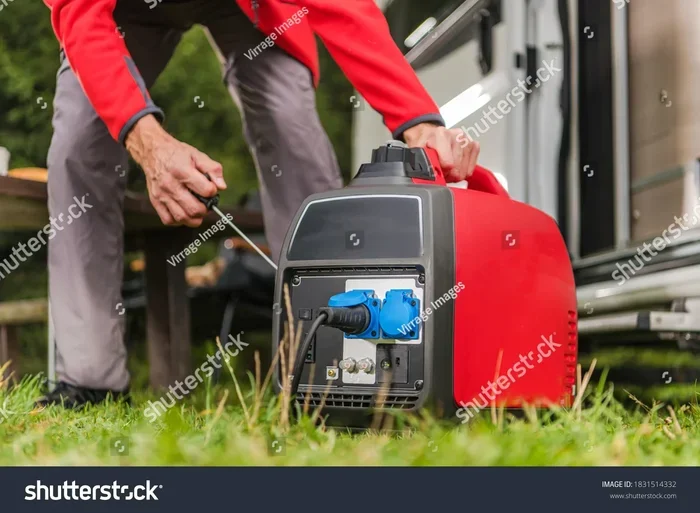
Portable generators are the most common choice for homeowners learning how to pick a generator. They are affordable, easy to move, and available in a wide range of sizes. Most run on gasoline and can power essential circuits during a short outage.
These units typically range from 3,000 to 8,500 watts. They are great for temporary power needs, camping trips, and job sites. However, they require manual setup each time you use them, and they should never be run indoors due to carbon monoxide risks.
Best for: Budget-conscious homeowners, short outages, and occasional use.
Inverter Generators
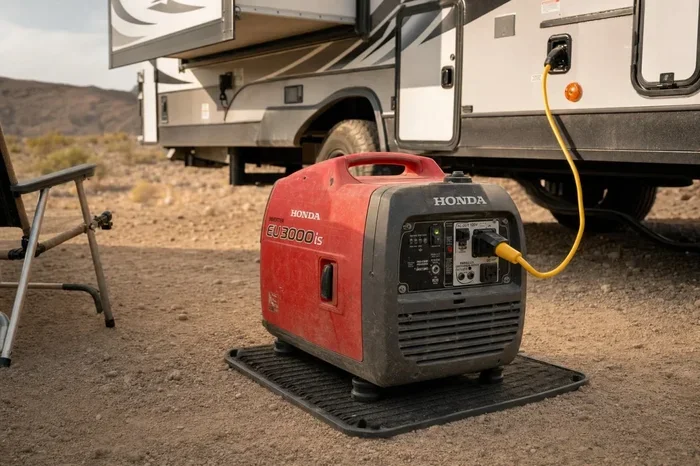
Inverter generators are a step up from traditional portable units. They produce clean, stable power that is safe for sensitive electronics like laptops, smartphones, and TVs. They also run much quieter than conventional generators.
Inverter models tend to be more expensive and usually have lower wattage outputs, typically between 1,000 and 4,000 watts. Some brands offer parallel capability, which lets you link two units together for more power when needed.
Best for: Electronics-heavy households, noise-sensitive neighborhoods, and outdoor enthusiasts.
Standby Generators
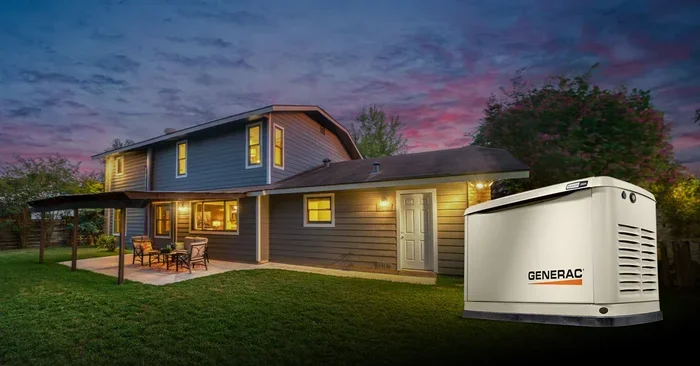
A standby generator is the most powerful and convenient option. These units are permanently installed outside your home and connect directly to your electrical system. When the power goes out, an automatic transfer switch detects the outage and starts the generator within seconds.
Standby generators run on natural gas or propane, so you never need to refuel them manually. They can power your entire home, including HVAC systems, water heaters, and kitchen appliances. However, they come with a higher price tag, usually ranging from $3,000 to $15,000 or more.
Best for: Homeowners in areas with frequent or prolonged outages, and anyone who wants automatic, hands-free backup power.
Fuel Options and Their Pros and Cons
The fuel type you choose affects everything from operating cost to convenience. Here is a breakdown of the most common fuel options for home generators.
| Fuel Type | Pros | Cons |
|---|---|---|
| Gasoline | Widely available, affordable upfront | Short shelf life, requires refueling |
| Propane | Long shelf life, cleaner burning | Requires a separate tank, lower energy density |
| Natural Gas | Unlimited supply, no refueling needed | Requires gas line connection, higher installation cost |
| Diesel | Long runtime, fuel efficient | Louder, higher emissions, less available |
Gasoline
Gasoline is the most common fuel for portable generators. You can buy it at any gas station, and it is relatively inexpensive. The downside is that gasoline has a short shelf life of about three to six months. If you store fuel for emergencies, you need to use fuel stabilizer or rotate your supply regularly.
Propane
Propane burns cleaner than gasoline and has an almost indefinite shelf life. Many standby generators offer dual-fuel capability, letting you switch between propane and natural gas. Propane tanks come in various sizes, so you can choose one that fits your space and needs.
Natural Gas
If your home already has a natural gas line, this is the most convenient fuel option. You never need to worry about running out or storing fuel. Natural gas standby generators are popular in suburban neighborhoods where gas service is readily available.
Diesel
Diesel generators are known for durability and fuel efficiency. They are more common in commercial settings but can work for homes too. The main drawbacks are higher noise levels and stricter emissions regulations in some areas.
Key Features to Look For
When comparing generators, it is easy to get distracted by fancy features. Focus on the ones that actually matter for safety, convenience, and performance.
Runtime and Fuel Tank Size
Runtime tells you how long a generator can run on a single tank of fuel at a given load. For short outages, a smaller tank might be fine. But if you live in an area where outages last for days, you want a unit with a large fuel tank or one that can connect to an external fuel source.
Look for generators that offer at least 8 to 12 hours of runtime at 50 percent load. This gives you enough buffer to get through the night without refueling.
Noise Level
Nobody wants a generator that sounds like a jet engine. Noise is measured in decibels (dB). A quiet generator runs around 50 to 60 dB, which is about as loud as a normal conversation. Conventional portable generators often hit 70 to 80 dB, which can disturb neighbors and family members alike.
If noise is a concern, inverter generators are your best bet. They are specifically designed to operate quietly while still delivering reliable power.
Safety Features
Safety should never be an afterthought when you pick a generator. Look for these essential features:
- Carbon monoxide (CO) detector: Alerts you to dangerous gas buildup
- Automatic low-oil shutoff: Prevents engine damage when oil levels drop
- Ground fault circuit interrupter (GFCI) outlets: Protects against electrical shock
- Overload protection: Shuts the unit down safely if you exceed its capacity
These features protect both your generator and your family. Never skip them, no matter how tempting a lower price might be.
Common Mistakes People Make When Choosing a Generator
Even the most informed buyers sometimes make mistakes. Here are the most common ones to avoid when learning how to pick a generator for your home.
Buying based on price alone. The cheapest generator on the shelf might not have the power you need, the safety features you want, or the runtime you expect. Always look at the total value, not just the sticker price.
Ignoring the difference between starting and running watts. Many buyers only look at the running wattage number and miss the surge requirement. This leads to overloading the generator the moment they plug in a fridge or AC unit.
Skipping professional installation for standby units. Standby generators involve electrical wiring, gas connections, and code compliance. Hiring a licensed professional ensures safe, legal, and reliable operation.
Running a generator indoors or in enclosed spaces. This cannot be stressed enough. Carbon monoxide is odorless and deadly. Always place your generator outside, at least 20 feet from windows, doors, and vents.
Forgetting about maintenance. Generators need regular upkeep, just like any other major appliance. Change the oil, replace the air filter, and run the unit periodically to keep it in working order.
Final Tips for Making Your Decision
Choosing the right generator does not have to be stressful. Follow these practical tips to simplify your decision.
Start by writing down your must-have appliances and their wattage. Next, decide whether you want a portable, inverter, or standby unit based on your budget and how often you expect to use it. Then compare fuel options and choose the one that makes the most sense for your home setup.
Read real user reviews before you buy. Pay attention to comments about runtime, noise, and durability. A well-reviewed mid-range model often beats a cheap unit that falls apart after a few uses.
If you are still unsure, consult with a local electrician or generator dealer. They can assess your home’s electrical panel, discuss your power needs, and recommend the right setup. This small investment of time can save you from costly mistakes.
Finally, once you have your generator, make a plan. Know where it will sit, how you will connect it, and what you will power first during an outage. Preparation turns a good purchase into a great one.
Conclusion
Learning how to pick a generator does not have to be complicated. Start with your power needs, choose the right type and fuel, and focus on the safety features that protect your household. Whether you go with a simple portable unit or invest in a whole-home standby system, the goal is the same: keeping your family safe and comfortable when the power goes out.
Take your time, do your research, and trust the process. The right generator gives you peace of mind and reliable backup power for years to come. You have got this.
Frequently Asked Questions
What size generator do I need for a whole-house backup?
A typical home needs a standby generator rated between 7,000 and 24,000 watts, depending on the size of your home and how many circuits you want to power. A licensed electrician can help you determine the right size based on your electrical panel and essential loads.
Can I run a generator in my garage?
No. Generators must always be operated outdoors in a well-ventilated area. Carbon monoxide from a running generator can build up quickly in enclosed spaces like garages, even with the door open. Place your unit at least 20 feet from your home.
How often should I run my generator to keep it ready?
Experts recommend running your generator for about 30 minutes every month under a light load. This keeps the engine lubricated, burns off moisture, and ensures the generator starts reliably when you need it most.
Is a portable generator or a standby generator better?
It depends on your needs and budget. Portable generators are more affordable and portable, making them great for occasional use. Standby generators cost more but offer automatic, whole-home backup with no manual setup required.
What is the difference between starting watts and running watts?
Starting watts are the extra power needed to start a motor-driven appliance like a refrigerator or sump pump. Running watts are the continuous power needed to keep the appliance running. Always make sure your generator can handle both.
How do I maintain my generator between outages?
Regular maintenance includes changing the oil, replacing the air filter, checking the spark plug, and running the unit periodically. Store fuel with stabilizer if your generator uses gasoline, and keep the unit clean and covered when not in use.